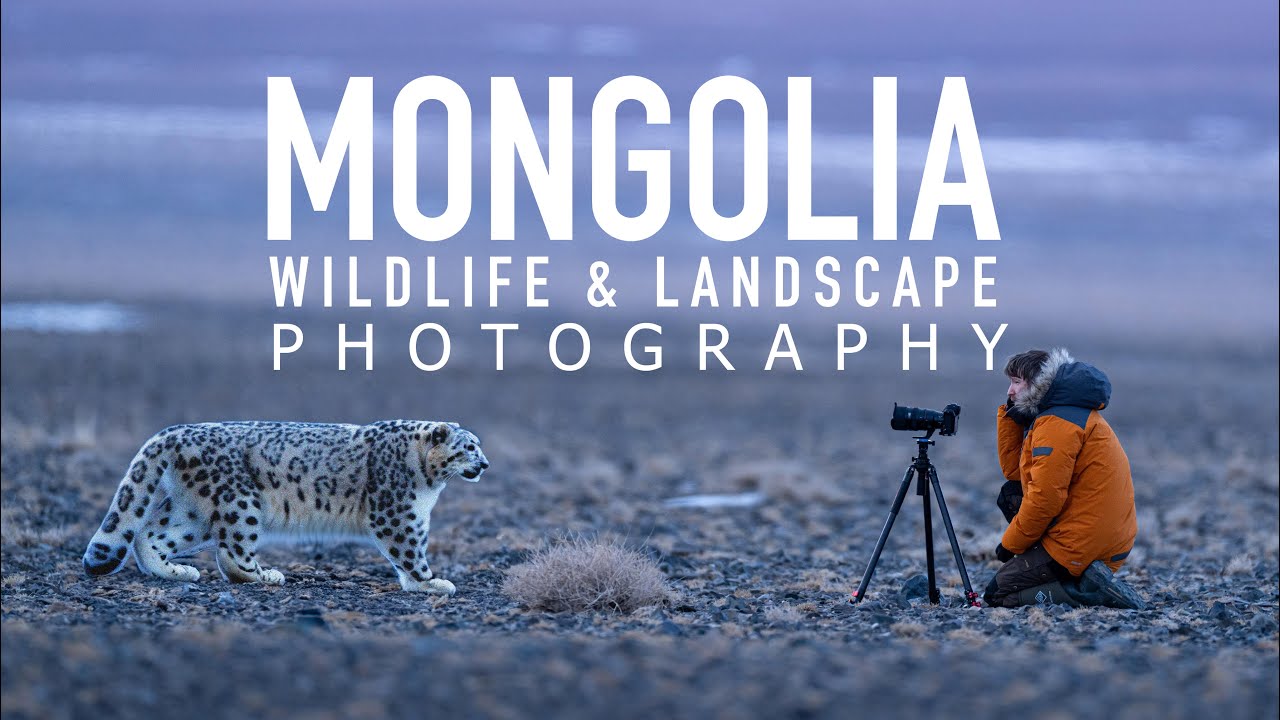
There’s a lesson I keep relearning every time I head out the door at 4am: the best photographs don’t happen on your schedule. A mentor told me early in my career that the mountain doesn’t care about your schedule, and after twenty years of shooting landscapes full-time, I still feel the truth of that every single time conditions refuse to cooperate. It’s why I was immediately drawn to this Thomas Heaton tutorial, where he travels from the UK to the remote west of Mongolia to photograph snow leopards and landscapes. Watch the full tutorial on YouTube before or after reading through these notes. Either way, you’ll come back to it.
What makes this video worth breaking down for working photographers isn’t just the exotic location. It’s the combination of technical decisions made under pressure, the willingness to be completely unprepared and push through anyway, and the way Heaton treats landscape and wildlife photography as the same discipline. Altitude, loose terrain, fading light, uncertain subjects, and a seven-day gap between encounters. That’s a masterclass in field craft compressed into a single trip, and there’s real instruction buried inside it.
Step 1: Respond to Intelligence, Not Just Your Itinerary
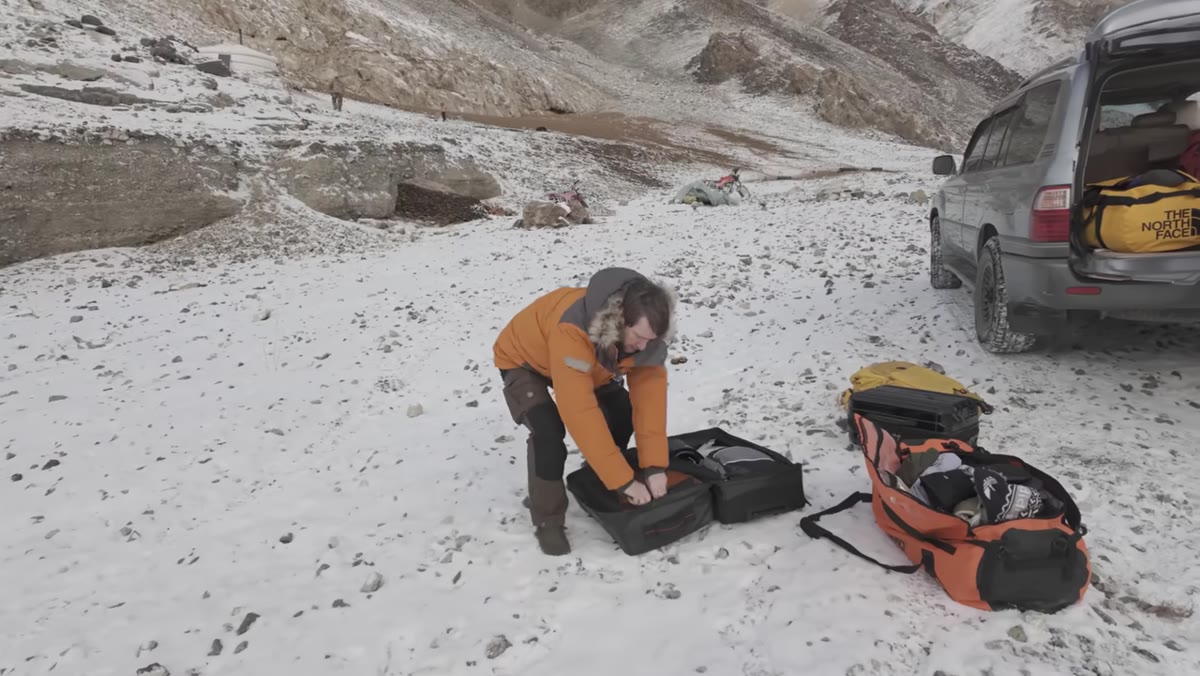 Heaton gearing up roadside after receiving the farmer’s tip
Before Heaton even reaches camp, a local farmer reports that a snow leopard has taken one of his animals. The call changes everything. Instead of settling in and shooting the next morning as planned, Heaton gears up at the roadside, still in travel clothes, and heads straight into the mountains. The practical takeaway here is real: when you’re shooting in remote locations, cultivate relationships with locals before you arrive. Farmers, herders, rangers, and guides carry location intelligence that no map or app can replicate. Build those contacts into your pre-trip planning, not as an afterthought.
Heaton gearing up roadside after receiving the farmer’s tip
Before Heaton even reaches camp, a local farmer reports that a snow leopard has taken one of his animals. The call changes everything. Instead of settling in and shooting the next morning as planned, Heaton gears up at the roadside, still in travel clothes, and heads straight into the mountains. The practical takeaway here is real: when you’re shooting in remote locations, cultivate relationships with locals before you arrive. Farmers, herders, rangers, and guides carry location intelligence that no map or app can replicate. Build those contacts into your pre-trip planning, not as an afterthought.
Step 2: Accept Discomfort as Part of the Technical Problem
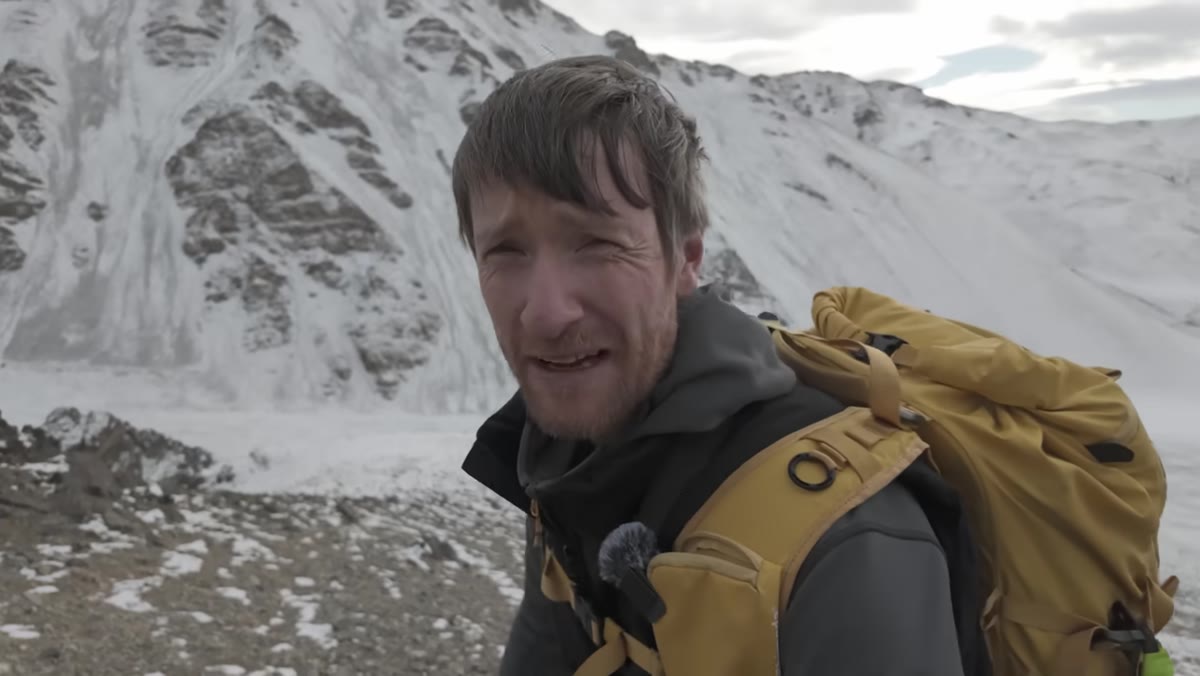 Heaton hiking uphill on loose scree at altitude
The hike to the snow leopard sighting is roughly a kilometer into the mountains at around 2,500 meters elevation, across loose scree with no trail. Heaton acknowledges the physical difficulty directly: the thin air registers, the footing is unstable, and he’s carrying serious glass. This matters technically because physical fatigue affects your shooting. Your breathing gets ragged, which affects camera stability. Your hands get cold, which slows manual control adjustments. The solution isn’t to avoid difficult terrain. It’s to account for it in your gear prep. Dress in layers you can shed, bring hand warmers, and if you’re shooting at altitude, slow your breathing before you raise the camera. A shaky image of a snow leopard is still a missed shot.
Heaton hiking uphill on loose scree at altitude
The hike to the snow leopard sighting is roughly a kilometer into the mountains at around 2,500 meters elevation, across loose scree with no trail. Heaton acknowledges the physical difficulty directly: the thin air registers, the footing is unstable, and he’s carrying serious glass. This matters technically because physical fatigue affects your shooting. Your breathing gets ragged, which affects camera stability. Your hands get cold, which slows manual control adjustments. The solution isn’t to avoid difficult terrain. It’s to account for it in your gear prep. Dress in layers you can shed, bring hand warmers, and if you’re shooting at altitude, slow your breathing before you raise the camera. A shaky image of a snow leopard is still a missed shot.
Step 3: Switch to a Long Prime Fast and Commit to It
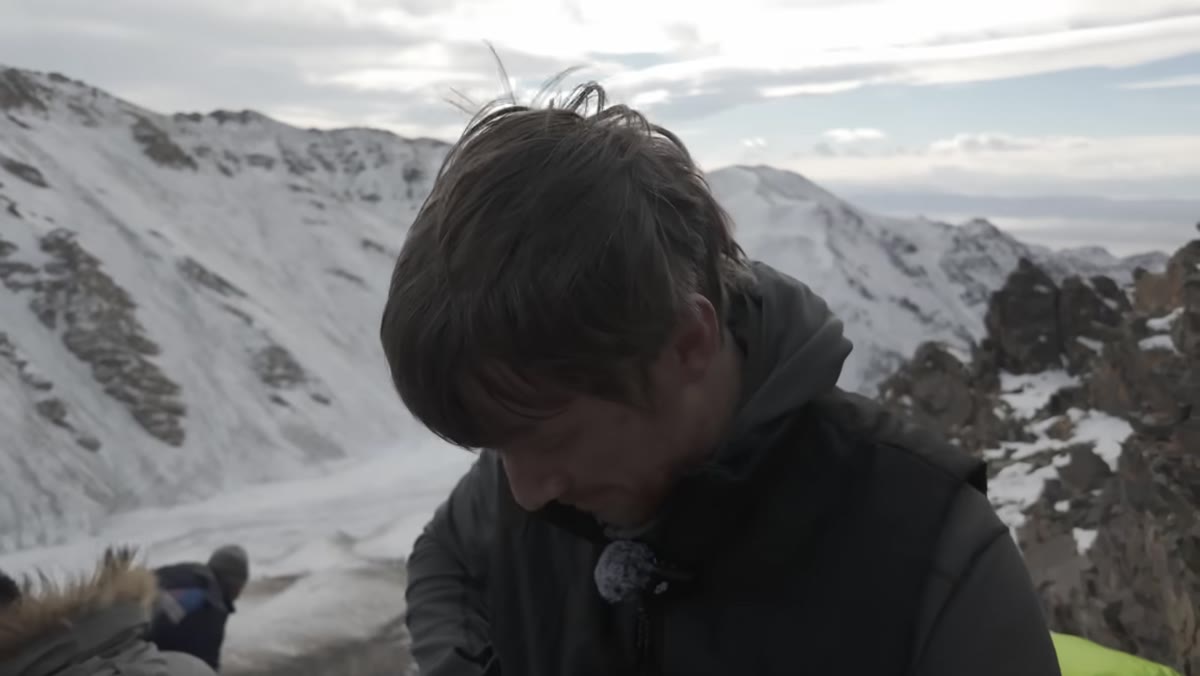 Heaton mounting the 800mm lens before the sighting
When the guide signals that the animal is close, Heaton doesn’t hesitate. He mounts an 800mm lens before he even has a confirmed visual. That decision matters. In wildlife photography, the moment between “it’s there” and “it’s gone” is often less than thirty seconds. Having your long glass ready before you need it is not overpreparing. It’s the only rational approach. At 800mm you’re working with a very narrow depth of field and a long minimum focal distance, so you also need to know your focus mode ahead of time. Continuous autofocus tracking is the right call for a moving animal across broken rock.
Heaton mounting the 800mm lens before the sighting
When the guide signals that the animal is close, Heaton doesn’t hesitate. He mounts an 800mm lens before he even has a confirmed visual. That decision matters. In wildlife photography, the moment between “it’s there” and “it’s gone” is often less than thirty seconds. Having your long glass ready before you need it is not overpreparing. It’s the only rational approach. At 800mm you’re working with a very narrow depth of field and a long minimum focal distance, so you also need to know your focus mode ahead of time. Continuous autofocus tracking is the right call for a moving animal across broken rock.
Step 4: Work the Shot You Have, Not the Shot You Wanted
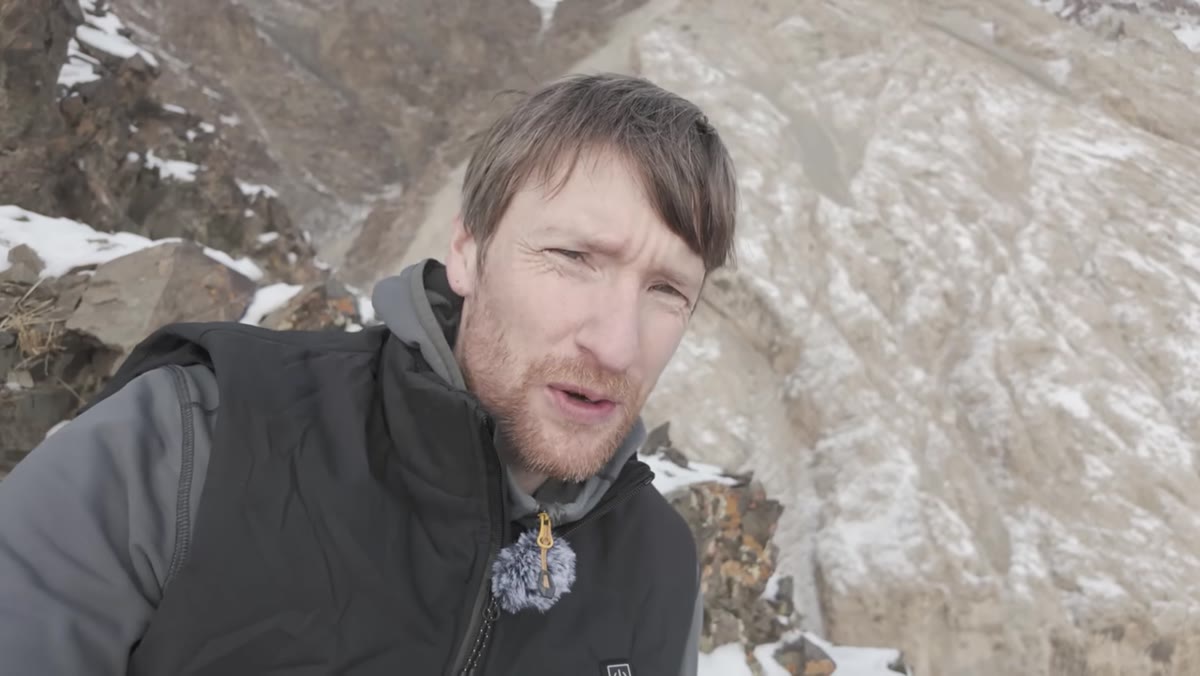 Heaton shooting from a prone position across the rocky hillside
Heaton ends up shooting the snow leopard from a prone position across a wide stretch of rock. He’s clear that the distance and conditions mean he can’t capture video on his main camera. Rather than lamenting the setup, he commits to working the stills at the focal length he has. This is a discipline I practice deliberately. When the shot isn’t ideal, the instinct is to keep adjusting, moving, second-guessing your position. The better move is to pick your frame, lock in your exposure, and shoot. You can evaluate later. The snow leopard crosses the rocks, and then it’s over. In a brief encounter, hesitation is the thing that empties your memory card with nothing useful on it.
Heaton shooting from a prone position across the rocky hillside
Heaton ends up shooting the snow leopard from a prone position across a wide stretch of rock. He’s clear that the distance and conditions mean he can’t capture video on his main camera. Rather than lamenting the setup, he commits to working the stills at the focal length he has. This is a discipline I practice deliberately. When the shot isn’t ideal, the instinct is to keep adjusting, moving, second-guessing your position. The better move is to pick your frame, lock in your exposure, and shoot. You can evaluate later. The snow leopard crosses the rocks, and then it’s over. In a brief encounter, hesitation is the thing that empties your memory card with nothing useful on it.
Step 5: Let the Camp Location Do the Landscape Work
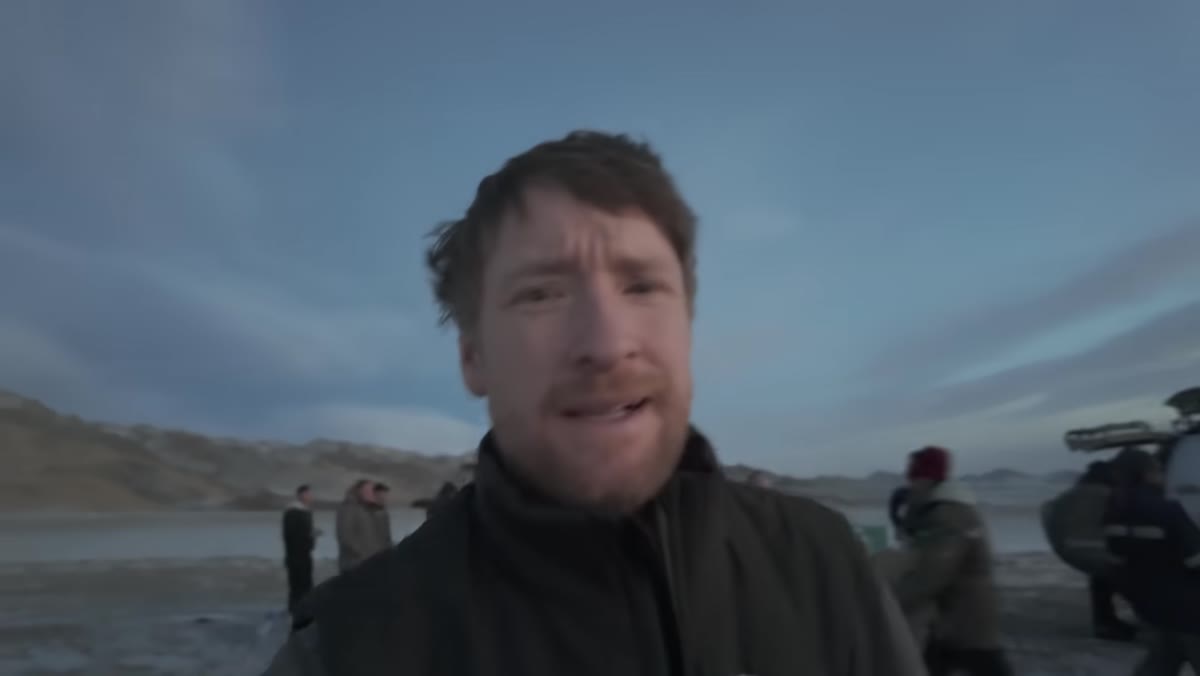 Wide view of the yurt camp against the Mongolian mountain valley at dusk
After the initial sighting, the snow leopard disappears over a ridge and doesn’t reappear for seven days. What bridges that gap is the campsite itself, which Heaton describes as one of the most picturesque spots he’s encountered anywhere. The light and scenery in western Mongolia are extraordinary, and a well-positioned base camp is itself a photographic asset. When you’re scouting remote locations, the campsite choice isn’t just a logistical decision. It’s a creative one. A valley position with open sky to the east and west gives you dawn and dusk without hiking. Elevation gives you cloud and mist at the right times of year. Think about where you sleep the way you think about where you shoot.
Wide view of the yurt camp against the Mongolian mountain valley at dusk
After the initial sighting, the snow leopard disappears over a ridge and doesn’t reappear for seven days. What bridges that gap is the campsite itself, which Heaton describes as one of the most picturesque spots he’s encountered anywhere. The light and scenery in western Mongolia are extraordinary, and a well-positioned base camp is itself a photographic asset. When you’re scouting remote locations, the campsite choice isn’t just a logistical decision. It’s a creative one. A valley position with open sky to the east and west gives you dawn and dusk without hiking. Elevation gives you cloud and mist at the right times of year. Think about where you sleep the way you think about where you shoot.
Step 6: Treat the Seven-Day Wait as a Deliberate Practice
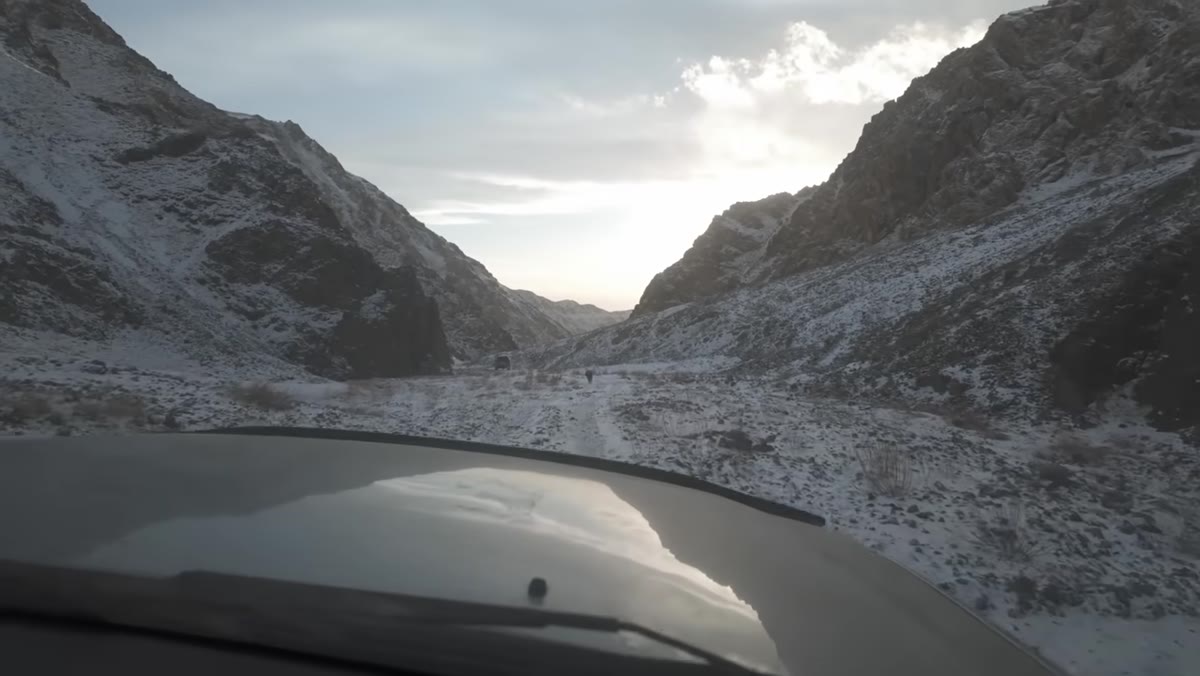 Caption card noting seven days between snow leopard encounters
The seven-day gap between encounters is where most photographers would mentally check out. Heaton doesn’t. The surrounding landscape and light keep him working. This is the part of the video that I think carries the most transferable instruction: the subject you came for is not the only reason to keep shooting. Some of my own strongest prints came from trips where the primary subject never materialized. The fog, the waiting, the secondary landscape, those become the work if you stay present. Keep your camera out of the bag. Keep looking.
Caption card noting seven days between snow leopard encounters
The seven-day gap between encounters is where most photographers would mentally check out. Heaton doesn’t. The surrounding landscape and light keep him working. This is the part of the video that I think carries the most transferable instruction: the subject you came for is not the only reason to keep shooting. Some of my own strongest prints came from trips where the primary subject never materialized. The fog, the waiting, the secondary landscape, those become the work if you stay present. Keep your camera out of the bag. Keep looking.
A Note From the High Desert
I shoot mostly in the American West, which feels nothing like Mongolia on the surface, but the discipline is identical. Last winter I spent two mornings in freezing temperatures on the eastern edge of the Cascades waiting for a particular ridge light that only hits at certain times in January. The light came on the third morning, forty minutes after I thought it wouldn’t. You have to be willing to be wrong about the timing and stay anyway. That capacity for patient presence is exactly what Heaton demonstrates across this entire trip, and it’s not a personality trait. It’s a trained skill.
The single most important thing this video shows is that the conditions surrounding a once-in-a-lifetime subject are themselves worth photographing. Don’t wait for the snow leopard to raise your camera. The mountain is right there. Watch the full tutorial on YouTube and pay particular attention to how Heaton talks about the landscape between encounters. That’s where the real tutorial lives.
Comments
Leave a Comment