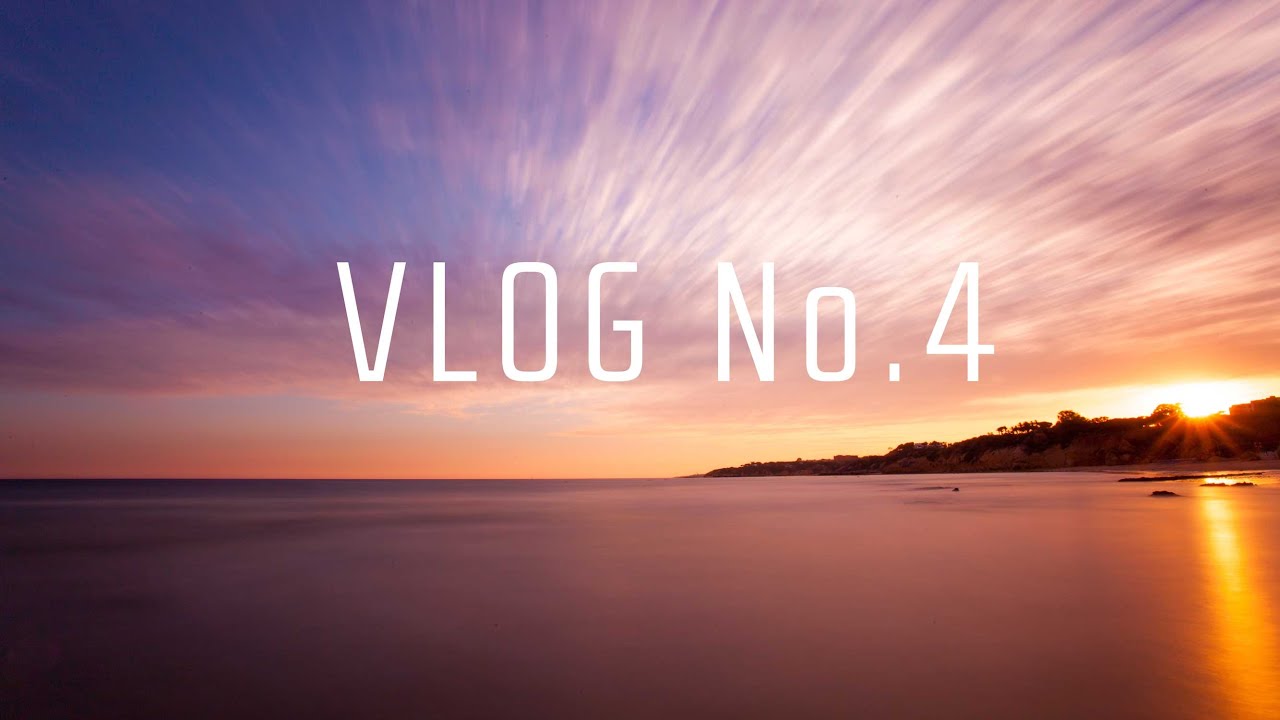
There’s a particular kind of guilt that follows a landscape photographer on holiday. You know the feeling. The light turns gold over the water, the clouds stack up perfectly on the horizon, and you’re sitting at a dinner table trying to be present with your family while one eye drifts toward the window. I’ve made peace with that tension over the years, mostly by accepting that sometimes you get one evening, not a whole week. One evening, if you use it right, can teach you more than a month of comfortable shoots close to home.
That’s exactly what struck me when I came across this vlog from First Man Photography. Watch the full tutorial on YouTube. The creator, Sam, spent a family holiday in the Algarve and managed to carve out one sunset shoot from the whole trip. What he captured in that single outing, and how honestly he talks about the process of getting it, is worth unpacking for anyone who shoots landscape work in unfamiliar locations under real-world constraints. This isn’t a studio tutorial with perfect conditions. It’s a working photographer making the most of imperfect light, a white-sky afternoon, and a narrow window before dark.
The vlog also doubles as a candid reflection on how he approaches his tutorial content generally. As someone who teaches workshops and has had to decide a hundred times what to include and what to cut, I found his reasoning genuinely useful. Here’s what I took from it, step by step.
Step 1: Accept the Trip You’re On, Not the Trip You Planned
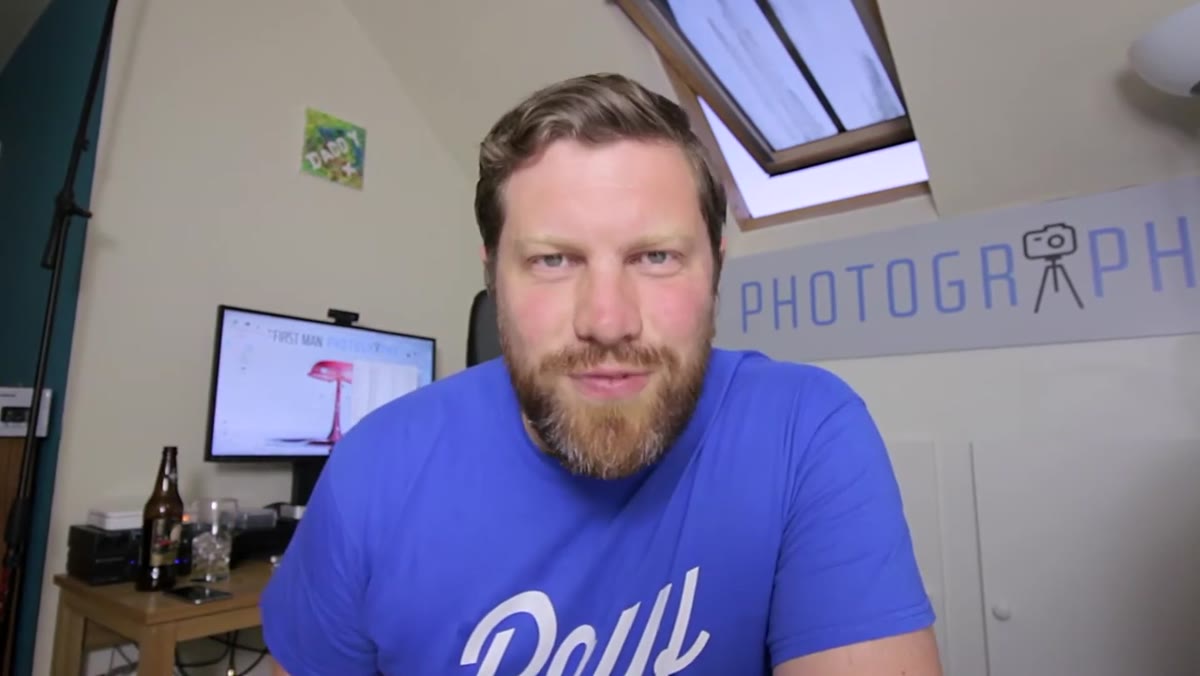 Photographer introduces vlog from family holiday in Portugal
Sam opens by admitting his original plan fell apart fast. He’d intended to document the entire week but the combination of heat, family time, and sheer enjoyment made filming feel like a chore. Rather than forcing it, he let the week be a holiday and reserved his creative energy for one focused evening.
Photographer introduces vlog from family holiday in Portugal
Sam opens by admitting his original plan fell apart fast. He’d intended to document the entire week but the combination of heat, family time, and sheer enjoyment made filming feel like a chore. Rather than forcing it, he let the week be a holiday and reserved his creative energy for one focused evening.
This is a harder discipline than it sounds. I’ve done the opposite, dragging gear to every location on a family trip and coming home with mediocre images and a slightly resentful family. Deciding in advance that you’ll shoot once, properly, is often more productive than half-shooting every day. Protect your one window. Treat it like a real shoot, not a bonus.
Step 2: Scout the Conditions Before You Commit to a Spot
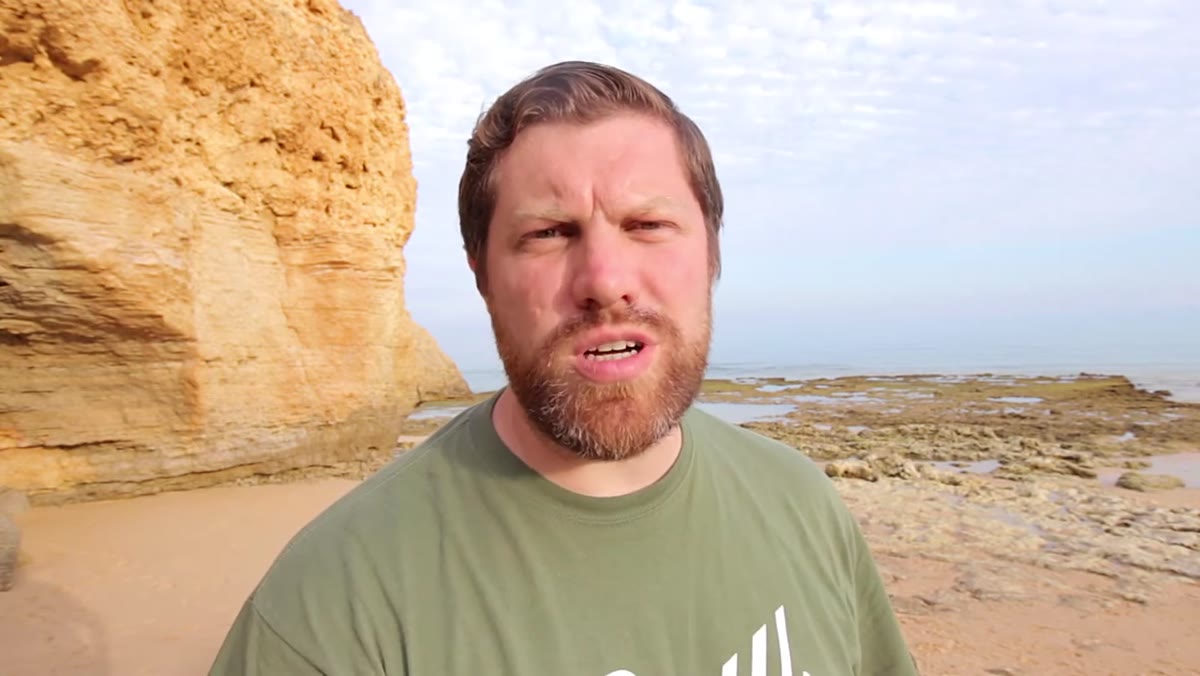 Overcast white sky over Algarve coast during afternoon
By the time Sam gets out with his camera, the sky has gone flat. Beautiful blue skies all week, and now, on his one evening, it’s a wash of white cloud. He doesn’t pack up. Instead, he reads what’s actually there and decides to wait it out, watching whether the cloud cover will thin toward the horizon as sunset approaches.
Overcast white sky over Algarve coast during afternoon
By the time Sam gets out with his camera, the sky has gone flat. Beautiful blue skies all week, and now, on his one evening, it’s a wash of white cloud. He doesn’t pack up. Instead, he reads what’s actually there and decides to wait it out, watching whether the cloud cover will thin toward the horizon as sunset approaches.
This is the real skill in coastal and landscape work. A white-sky afternoon doesn’t automatically mean a bad sunset. The cloud base often breaks near the horizon in the final thirty minutes of light, and that gap is where the color lives. Get to your location early enough to watch the sky evolve. If you only arrive at golden hour, you’ve already lost your scouting window.
Step 3: Keep Moving While You Wait
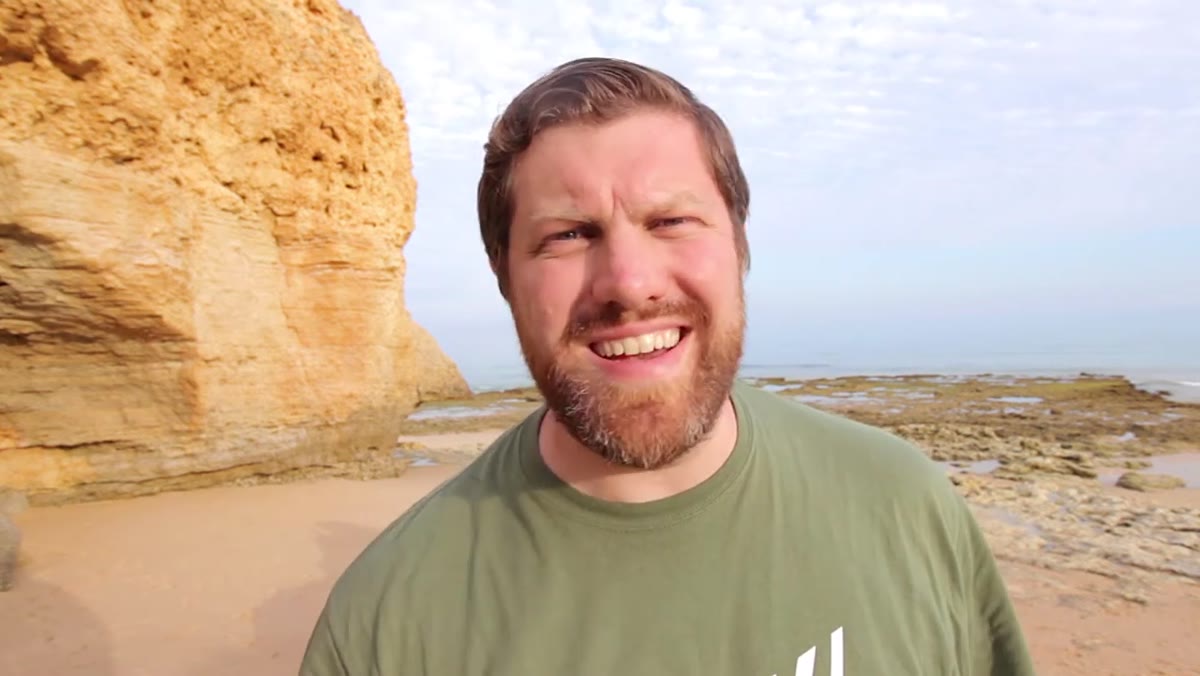 Photographer walking coastline looking for compositions
Rather than planting a tripod and hoping, Sam moves along the coastline during the waiting period. He’s looking for foreground interest, testing angles, thinking about where the light will fall if the sky does open up.
Photographer walking coastline looking for compositions
Rather than planting a tripod and hoping, Sam moves along the coastline during the waiting period. He’s looking for foreground interest, testing angles, thinking about where the light will fall if the sky does open up.
This is a habit worth building into every shoot. Walking the location before committing to a composition forces you to compare options rather than defaulting to the first decent angle you find. I wear out boot leather on every shoot doing exactly this. The shot you find in the last ten minutes of scouting is almost always better than the first one you saw.
Step 4: Prioritise Content That Respects Your Viewer’s Time
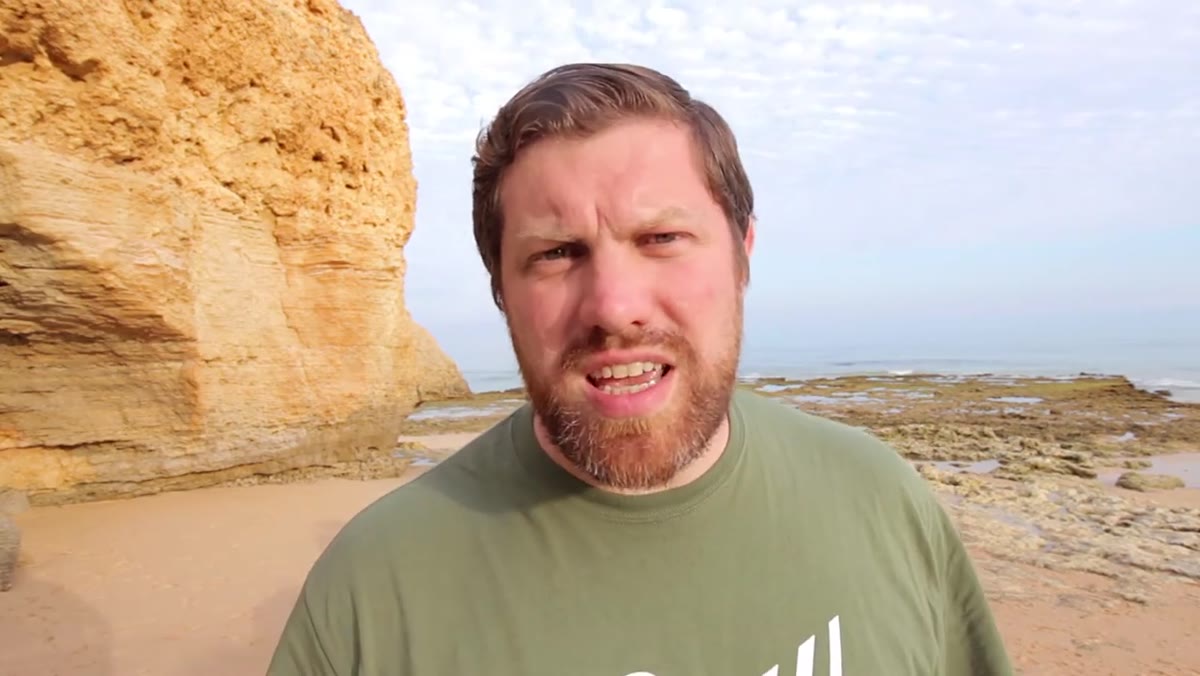 Creator speaking directly to camera about tutorial philosophy
This step is less about field craft and more about how Sam thinks, and it’s directly relevant to anyone who teaches or creates content around photography. He talks openly about the editing decisions behind his tutorials: keeping things concise, cutting depth in favour of clarity, accepting that something will always be left out.
Creator speaking directly to camera about tutorial philosophy
This step is less about field craft and more about how Sam thinks, and it’s directly relevant to anyone who teaches or creates content around photography. He talks openly about the editing decisions behind his tutorials: keeping things concise, cutting depth in favour of clarity, accepting that something will always be left out.
His reasoning is practical. People come to YouTube looking for specific answers, not lectures. The discipline of cutting a tutorial down to its essential action, rather than covering every possible caveat, is itself a skill. I think about this when I’m building workshop material too. If a student can’t carry the core lesson in their head while they’re standing in a field, it’s too complicated.
Step 5: Own Your Mistakes Publicly
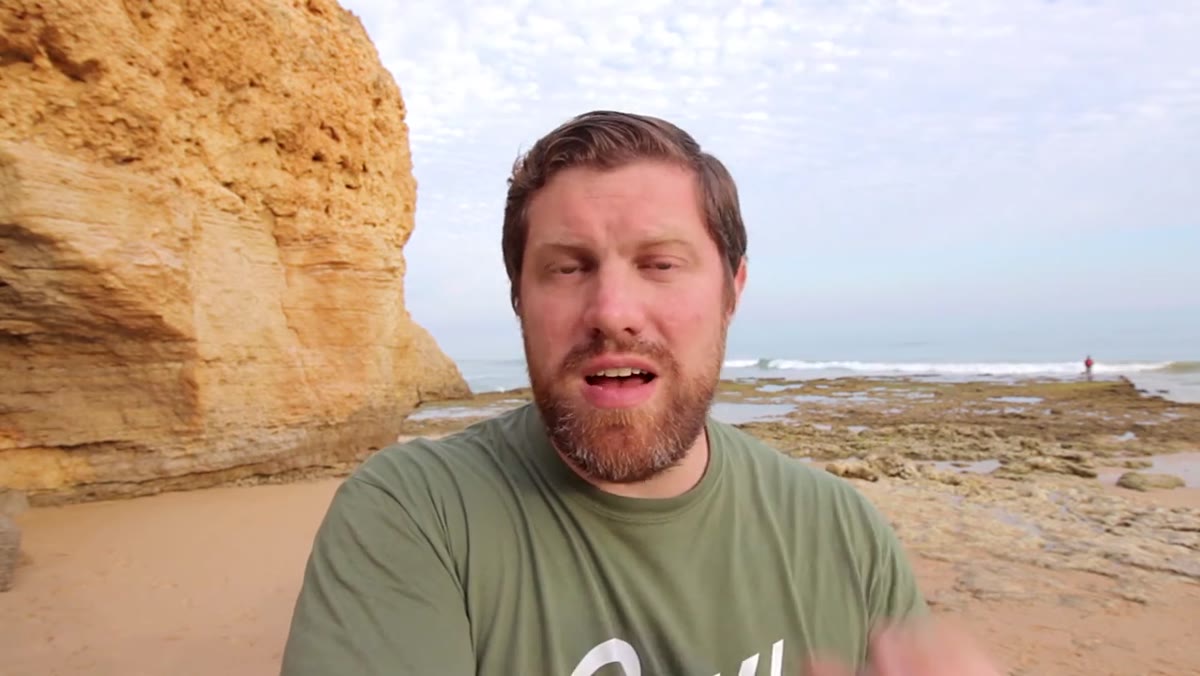 Creator references error from previous lens review video
Sam mentions a specific mistake from an earlier video where a viewer pointed out he’d mounted a tripod collar the wrong way on a 400mm lens review. He doesn’t bury it. He links to it, explains exactly how it happened, and moves on.
Creator references error from previous lens review video
Sam mentions a specific mistake from an earlier video where a viewer pointed out he’d mounted a tripod collar the wrong way on a 400mm lens review. He doesn’t bury it. He links to it, explains exactly how it happened, and moves on.
For those of us who put our work online or teach publicly, this matters. The instinct is to quietly fix things and hope nobody noticed. The better move is transparency. Your audience trusts you more when you acknowledge the error clearly, especially when the explanation is honest. Sam’s reason, that he never shoots that lens on a tripod and just threw the collar on carelessly for the review, is completely believable. That kind of candor builds credibility faster than a perfect track record.
Step 6: Pursue the Shot Anyway, Whatever the Conditions Give You
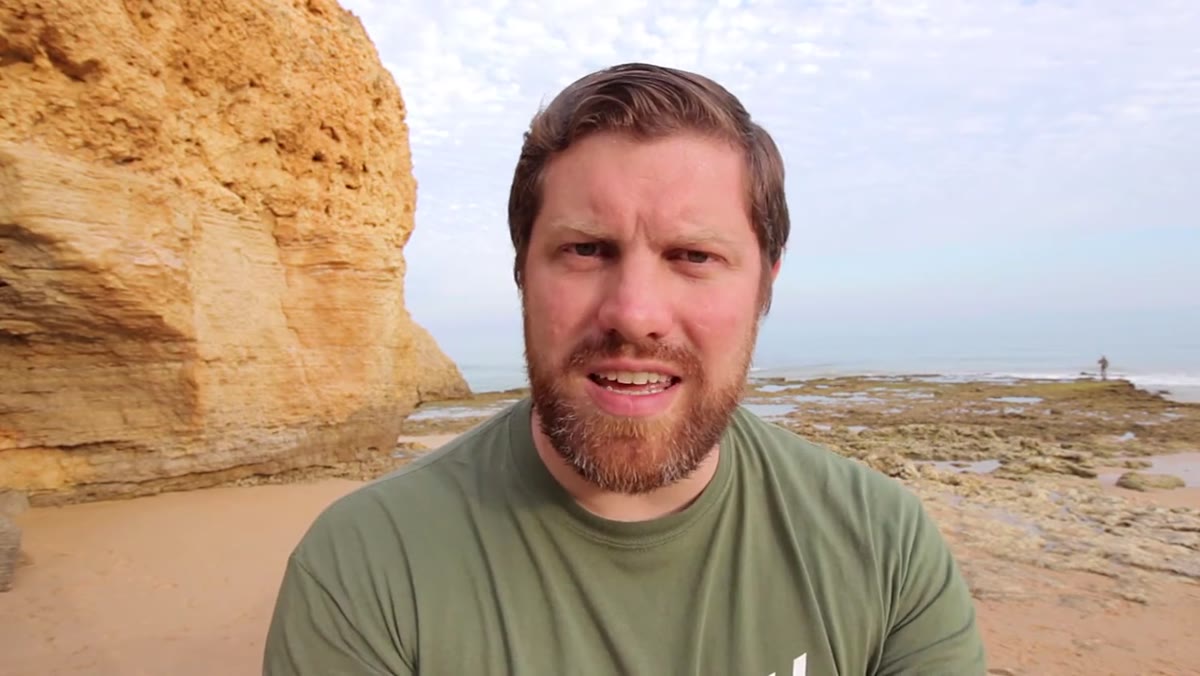 Footage from sunset shoot along Algarve coastline
The final portion of the vlog is the footage from the actual sunset chase. The conditions never fully cooperated. But Sam came home with something, footage that captured the quality of light in that specific place on that specific evening, even if it wasn’t the dramatic fiery sky he’d hoped for.
Footage from sunset shoot along Algarve coastline
The final portion of the vlog is the footage from the actual sunset chase. The conditions never fully cooperated. But Sam came home with something, footage that captured the quality of light in that specific place on that specific evening, even if it wasn’t the dramatic fiery sky he’d hoped for.
This is the lesson underneath all the others. You don’t always get the shot you planned. You get the shot that was there. The photographers who build strong bodies of work are the ones who show up regardless and find something worth capturing in what’s actually in front of them.
What I’d Add From My Own Experience
The mentor who taught me most about landscape work used to say that the mountain doesn’t care about your schedule. The Algarve coast doesn’t either. One thing I’ve learned to do in situations like Sam’s, where the conditions aren’t what you wanted, is to shift from outcome thinking to process thinking. Stop asking “will this be a usable image?” and start asking “what is genuinely interesting about the light right now?” That reframe has saved more evenings than any piece of gear I own.
I’d also add: when you’re working in an unfamiliar location on limited time, shoot more loosely than you normally would. Bracket your compositions. Take the wide version and the tight version. You can edit out the excess later, but you can’t go back to a coastline in Portugal on a Tuesday evening when you’re home in Oregon by Wednesday.
The single most important takeaway from this vlog is deceptively simple. One good evening beats a week of half-hearted attempts. Protect your creative time, read the conditions honestly, keep moving until the light tells you where to stand, and shoot what’s actually there.
Watch the full tutorial on YouTube and spend time with the behind-the-scenes honesty Sam brings to both the shoot and the conversation about his creative process. It’s a short watch that earns its runtime.
Comments (5)
Clear and practical. No fluff. Appreciate that.
I tried this on a client project yesterday and the results were way better than expected.
Really solid breakdown. This pairs perfectly with the photography work I've been writing about.
The before and after really sells it. Incredible difference.
Applied this to my portfolio shots and the improvement is noticeable.
Leave a Comment