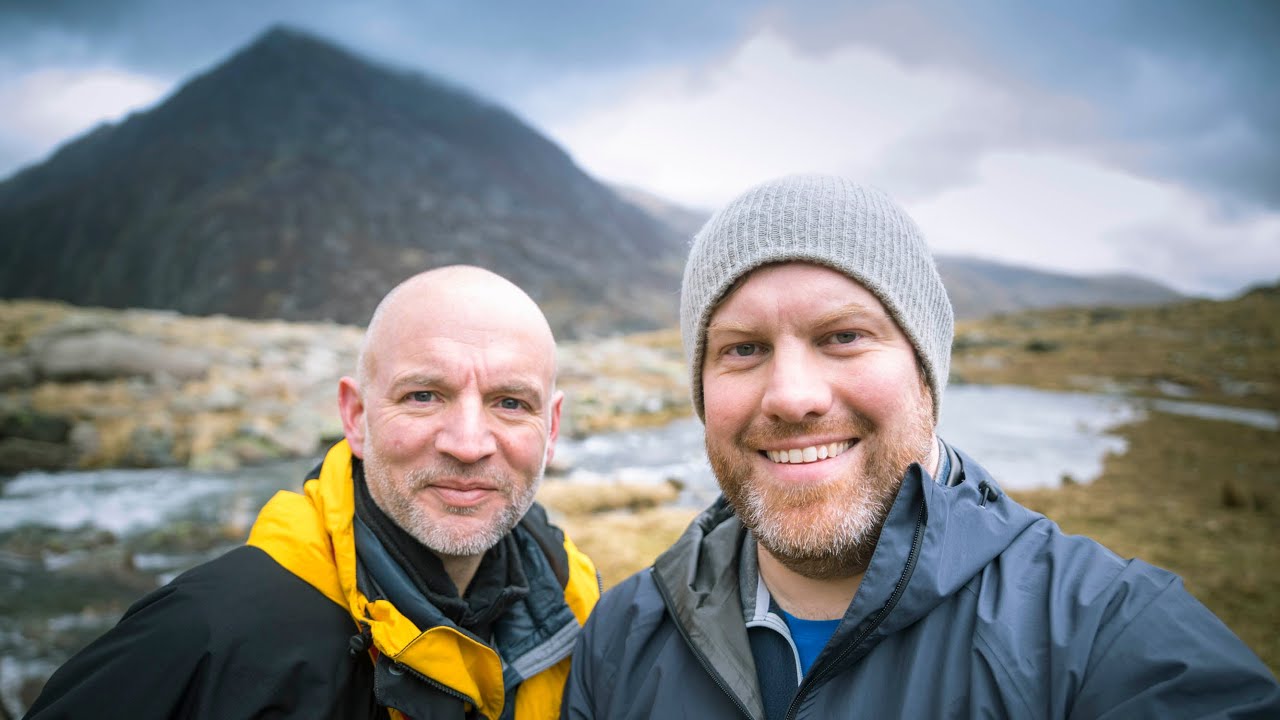
There’s a particular kind of restlessness that sets in when you can’t shoot. I’ve felt it after injuries, after stretches of genuinely unworkable weather, and during any period when life pulls you away from the field. After twenty years of waking before dawn and dragging a tripod to places most people will never see, I can tell you that the photographers who grow the most aren’t always the ones who shoot the most. They’re the ones who stay engaged when shooting isn’t possible. That discipline, keeping your eye trained and your thinking sharp during the dry spells, is what separates someone who takes landscapes from someone who makes them.
In this First Man Photography tutorial, Watch the full tutorial on YouTube, the creator shares how he’s maintaining his connection to the craft during a period of lockdown. He also sits down with Ben Brain, a photographer and former editor of Digital Camera Magazine, for a candid conversation about the relationship between gear, art, and creative evolution. It’s a mixed-format video, honest and unpolished, and that’s exactly why it’s worth breaking down. The ideas buried in the conversation are genuinely useful for anyone who takes landscape photography seriously.
Step 1: Acknowledge the Friction Without Letting It Win
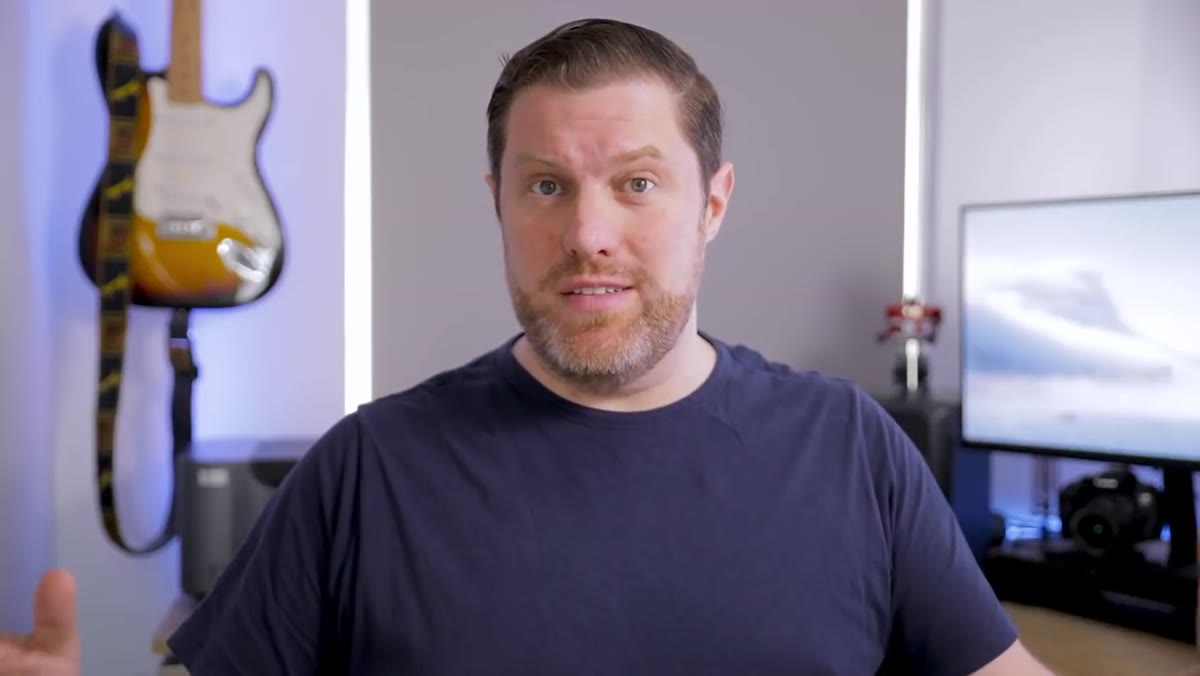 Creator describing lockdown challenges facing landscape photographers
The first move, and it sounds almost too simple, is to name what’s hard and then move past it. In the video, the creator is upfront about the specific frustrations of landscape photography: the brutal early alarms, the wind that turns a promising location into a miserable slog. For me it’s usually the cold water. My kids think I’ve lost my mind standing in a freezing river at 5am, but they still ask to come along sometimes, which tells me something.
Creator describing lockdown challenges facing landscape photographers
The first move, and it sounds almost too simple, is to name what’s hard and then move past it. In the video, the creator is upfront about the specific frustrations of landscape photography: the brutal early alarms, the wind that turns a promising location into a miserable slog. For me it’s usually the cold water. My kids think I’ve lost my mind standing in a freezing river at 5am, but they still ask to come along sometimes, which tells me something.
The point isn’t to complain. It’s to be honest about the friction so you can separate the things that are genuinely outside your control from the ones that are just uncomfortable. When you can’t go out, that’s real. When you’re avoiding going out because it’s cold, that’s different. Naming the distinction helps you respond to each one correctly.
Step 2: Revisit Footage and Images You Already Have
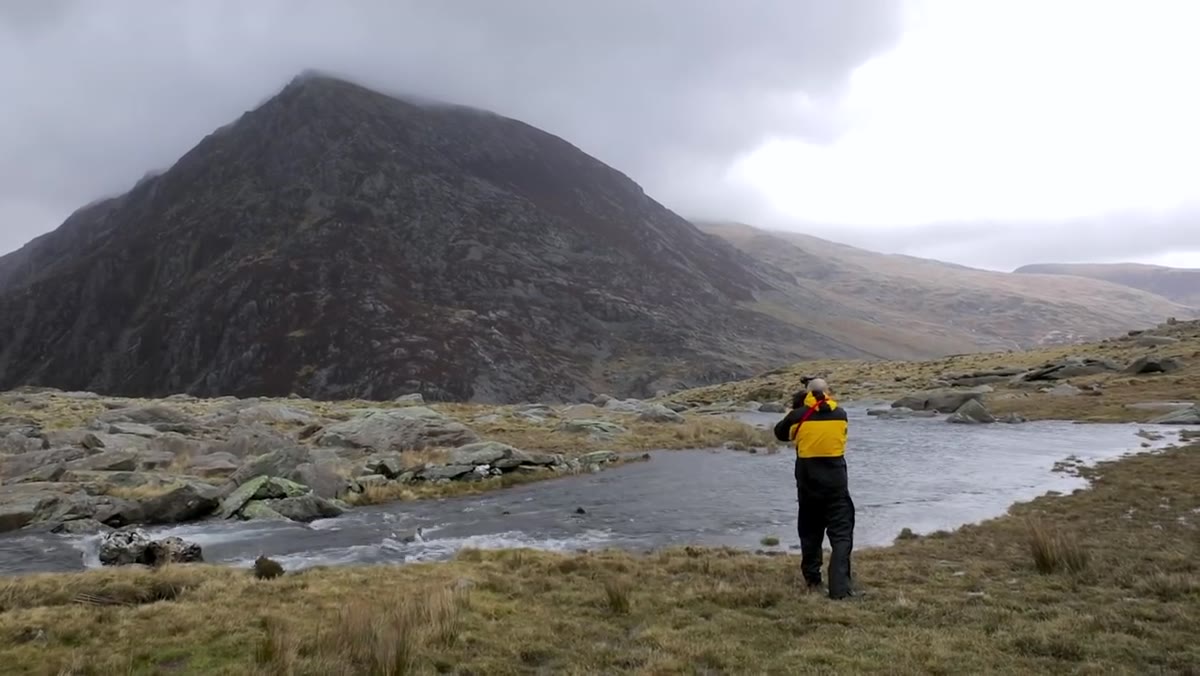
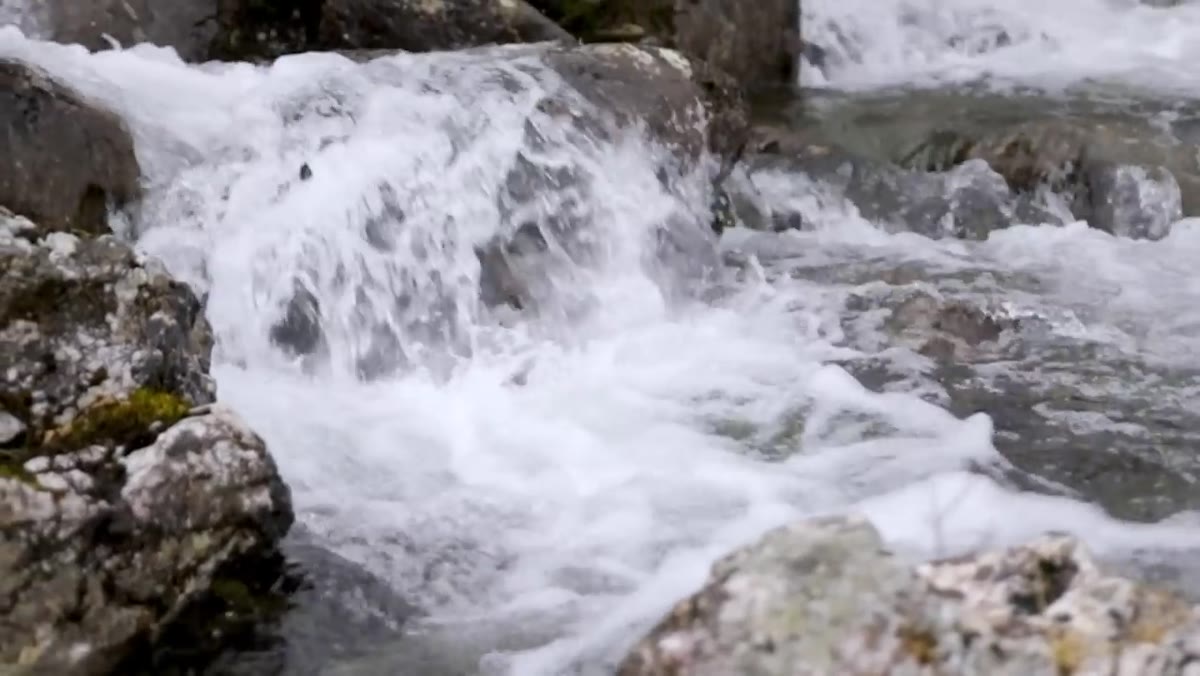 Creator mentioning footage filmed before lockdown in Snowdonia
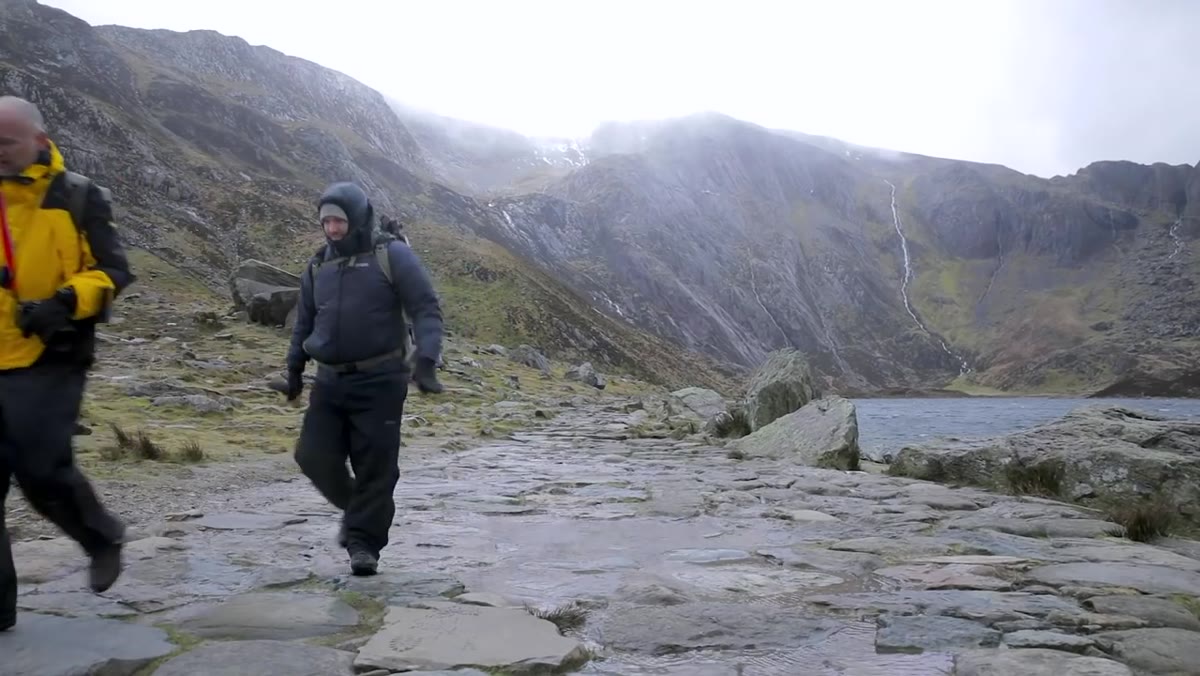
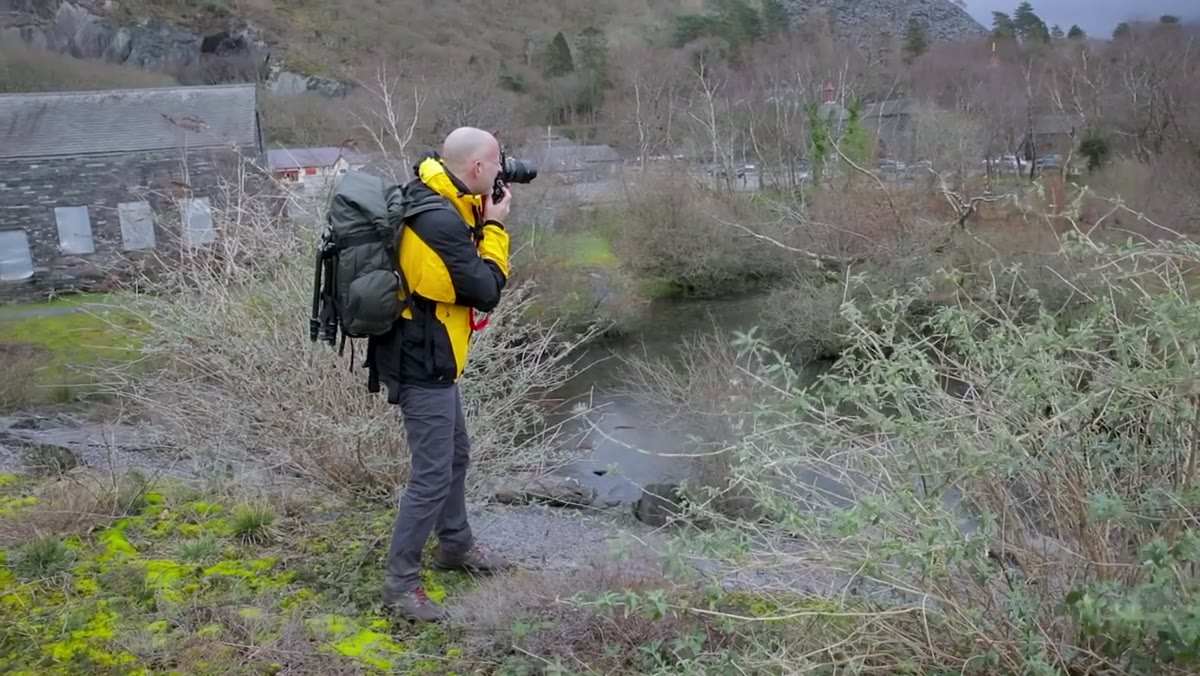
One of the most underused resources any photographer has is their existing archive. The creator mentions footage he filmed in Snowdonia with Ben Brain several weeks before the lockdown began, and he chooses to work with that material rather than let it sit idle. This is a habit worth building deliberately.
Creator mentioning footage filmed before lockdown in Snowdonia
One of the most underused resources any photographer has is their existing archive. The creator mentions footage he filmed in Snowdonia with Ben Brain several weeks before the lockdown began, and he chooses to work with that material rather than let it sit idle. This is a habit worth building deliberately.
Pull up a folder from a trip you haven’t fully processed. Look at the selects you passed over quickly. Re-examine shots you considered near-misses and ask yourself whether your eye has changed since you made them. Mine often has. I’ve found prints that became best sellers sitting in folders I nearly deleted, shots I dismissed in the field because I was tired or the light wasn’t what I’d hoped for. The archive is a library and most of us treat it like a storage unit.
Step 3: Have the Gear Conversation Honestly, Then Move Past It
 Ben Brain and creator discussing gear versus the art of photography
One of the most useful moments in the conversation with Ben Brain is when they discuss the evolution of how photographers relate to their equipment. Brain references a book called “On Being a Photographer” by David Hurn and Bill Jay, and describes three stages most photographers move through. Early on, gear is fascinating and central. Then comes a phase where talking about gear feels like a sign of shallow thinking, where you want to be known as someone who cares about the art. And then, eventually, a more grounded third stage arrives, where gear matters again as a practical tool, but it’s no longer the point.
Ben Brain and creator discussing gear versus the art of photography
One of the most useful moments in the conversation with Ben Brain is when they discuss the evolution of how photographers relate to their equipment. Brain references a book called “On Being a Photographer” by David Hurn and Bill Jay, and describes three stages most photographers move through. Early on, gear is fascinating and central. Then comes a phase where talking about gear feels like a sign of shallow thinking, where you want to be known as someone who cares about the art. And then, eventually, a more grounded third stage arrives, where gear matters again as a practical tool, but it’s no longer the point.
I recognize all three stages in my own history. I spent years being a little insufferable about not caring about equipment, which is its own kind of vanity. The honest position is that the right tool matters, choosing it carefully matters, but it doesn’t drive the work. When you’re stuck inside, this is a good time to audit your kit with clear eyes. Not to buy something new, but to make sure you understand everything you already own well enough to use it without thinking. I still refuse to use auto mode on anything, not out of stubbornness, but because removing that option forces me to be deliberate.
Step 4: Study the Philosophy Behind the Craft
 Discussion of “On Being a Photographer” book reference during conversation
Ben Brain’s reference to “On Being a Photographer” is worth taking seriously as a practical suggestion, not just a talking point. Time away from the field is the right time to read deeply about photography as a discipline. Not technique books, though those have their place, but books that examine why photographers make the choices they make, how they think about subjects, light, time, and meaning.
Discussion of “On Being a Photographer” book reference during conversation
Ben Brain’s reference to “On Being a Photographer” is worth taking seriously as a practical suggestion, not just a talking point. Time away from the field is the right time to read deeply about photography as a discipline. Not technique books, though those have their place, but books that examine why photographers make the choices they make, how they think about subjects, light, time, and meaning.
I still shoot film occasionally, partly because it slows everything down and forces me to think before I press the shutter. Reading photography philosophy does something similar. It rebuilds the conceptual structure beneath your instincts. When you go back to shooting, you’re not starting from the same place you left.
Step 5: Take Note of What’s Pulling You Toward the Conceptual
 Ben Brain explaining his interest in art and conceptual photography
Near the end of the conversation, Brain talks about leaving magazine publishing partly because he felt he couldn’t explore the more conceptual, art-school side of his thinking within that format. He describes a pull toward something more personal and less constrained by the demands of a commercial publication. That tension between what you’re drawn to and what the current structure of your work allows is worth paying attention to.
Ben Brain explaining his interest in art and conceptual photography
Near the end of the conversation, Brain talks about leaving magazine publishing partly because he felt he couldn’t explore the more conceptual, art-school side of his thinking within that format. He describes a pull toward something more personal and less constrained by the demands of a commercial publication. That tension between what you’re drawn to and what the current structure of your work allows is worth paying attention to.
During any period when you’re not actively shooting, ask yourself what keeps surfacing in your thinking. Is it a specific location? A quality of light you keep returning to mentally? A subject you’ve been circling without committing to? A mentor of mine once told me the mountain doesn’t care about your schedule, and I’ve found that the ideas worth pursuing tend to behave the same way. They wait, but they don’t disappear.
A Note from My Own Practice
The hardest thing about downtime, for me, is the guilt. Twenty years in and I still catch myself feeling like I should be shooting, like time away from the field is time wasted. What I’ve learned, slowly, is that the integration periods are where the actual development happens. The shoot gives you raw material. The time between shoots is where you figure out what you’re actually trying to say.
Use forced breaks to finish processing trips you’ve been putting off. Print something. Write a paragraph about why a particular image matters to you. None of this is wasted work. It feeds directly into what you’ll do next time you’re standing in front of a landscape at first light.
The single most important takeaway from this video is deceptively quiet: staying engaged with photography doesn’t require a camera in your hand. It requires keeping your attention oriented toward the work, through the archive, through reading, through honest conversation about where you are in your development as a photographer.
Watch the full tutorial on YouTube to see the Snowdonia footage and the full conversation with Ben Brain, including the parts of their discussion that didn’t make it into this breakdown.
Comments (2)
I keep coming back to this article. It's that useful.
This is fantastic. I've been recommending this approach to my readers too.
Leave a Comment