I drove six hours to the Oregon coast last October. The forecast showed a bruised, dramatic sky rolling in off the Pacific, the kind of light that makes you pull over on the highway just to stare at it. I arrived to pea-soup fog. It sat there for two days, unchanging, indifferent. I came home with one usable frame. That shot is now my best-selling print.
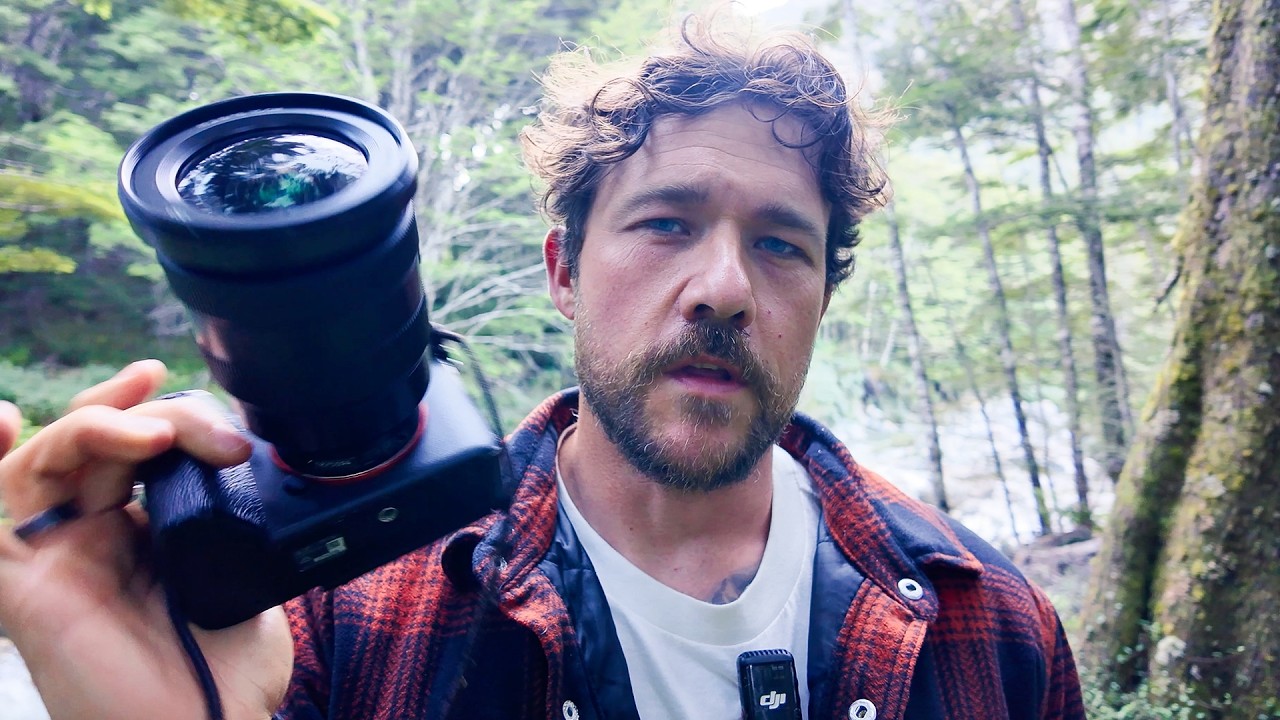
I tell that story not to be precious about it, but because it took me years to understand what was actually happening on those blank, uncooperative mornings. I wasn’t failing. I was working. And when I watched this William Patino tutorial following him through Fiordland in New Zealand, I felt that same recognition settle in. He’s doing exactly what I was doing in that fog, he just articulates it far better than I ever have.
What “Being Out There” Actually Means as a Working Photographer
Will moves through Fiordland with a quality that’s easy to misread as casualness. He’s not scrambling. He’s not chasing. He’s reading. That’s the word I keep coming back to after watching this video. He’s reading the landscape the way you’d read a room you’ve just walked into, taking inventory of the light, the water, the distance, the mood, before committing to anything.
This is a skill that doesn’t come from tutorials. It comes from repetition. After twenty years of pre-dawn starts, I still catch myself rushing to set up a tripod before I’ve actually looked. Will’s workflow is a useful corrective to that instinct. He walks. He pauses. He looks at a scene from multiple positions before the camera comes out at all. That physical scouting, even if it only lasts five or ten minutes, changes the images you come home with.
Reading Light Before You Reach for a Setting
One of the most practical things Will demonstrates is the relationship between patience and exposure decisions. He’s not chasing a single “hero shot” and then packing up. He’s watching how the light shifts across the same scene over time, making small movements, adjusting his angle relative to the water and the peaks, and letting the conditions tell him what they want to be rather than forcing a composition onto them.
In terms of actual technique: he’s working with the natural tonal range of the landscape rather than fighting it. Fiordland is notoriously difficult. You’ve got deep shadow in the valleys, bright sky above the ridgeline, and reflective water in the middle. Rather than bracketing aggressively or reaching for graduated filters to flatten everything out, Will reads which part of the scene is doing the most work emotionally and exposes for that. Everything else is secondary. It’s a compositional discipline as much as a technical one.
For anyone shooting manually, the practical takeaway is this: decide what you’re protecting. If the reflection in the water is the heart of the image, meter for the water. Let the peaks blow a little if they have to. Trying to save every part of a high-contrast scene often means the image ends up saving nothing.
The Workflow That Doesn’t Look Like a Workflow
What Will shows in this video isn’t a checklist. There’s no “step one, step two” scaffolding. And I think that’s intentional. The workflow IS the wandering. It’s arriving early enough to feel the light change rather than just catching the result of it. It’s accepting that some mornings hand you a gift and some mornings hand you a lesson, and being present enough to know which one you’re getting.
A mentor of mine told me once that the mountain doesn’t care about your schedule. It sounds like something you’d read on a poster and forget. But standing in fog on the Oregon coast with six hours of drive behind me and nothing on my memory card, I understood what he meant. The landscape operates on its own logic. Will’s Fiordland footage makes that visible. He’s not forcing the location to match a preconceived image. He’s waiting to see what image the location is willing to give him.
Where I’d Push This Further (and Where It Gets Hard)
My one honest extension to Will’s approach: this workflow is easier to commit to when you have time. When I lead workshops, I watch people struggle with exactly this, because they’ve paid to be there, they’ve travelled, and standing still while light does unpredictable things feels like a waste. The pressure to produce something validates the trip.
What I’ve started telling workshop participants, and what Will’s video reinforces without saying directly, is that your best shots often come in the ten minutes after you’ve mentally given up on a location. You’ve relaxed. You’ve stopped composing and started looking again. The camera finds something real because you stopped trying to manufacture something impressive. That shift is hard to teach, but watching someone else move through it as naturally as Will does in this video is one of the better ways I’ve found to make the idea concrete.
Presence as Technique
The single most important thing this video teaches isn’t about exposure or composition. It’s that being genuinely present in a landscape, curious, unhurried, willing to sit with what’s actually there rather than what you hoped would be there, is itself a photographic skill. A learnable one. It’s also the hardest one to practice when you’re at home.
Watch the full video to see how Will’s movement through Fiordland looks in real time. The visual rhythm of it teaches something the written description can only point toward.
Watch the full tutorial on William Patino’s YouTube channel
Comments
Leave a Comment