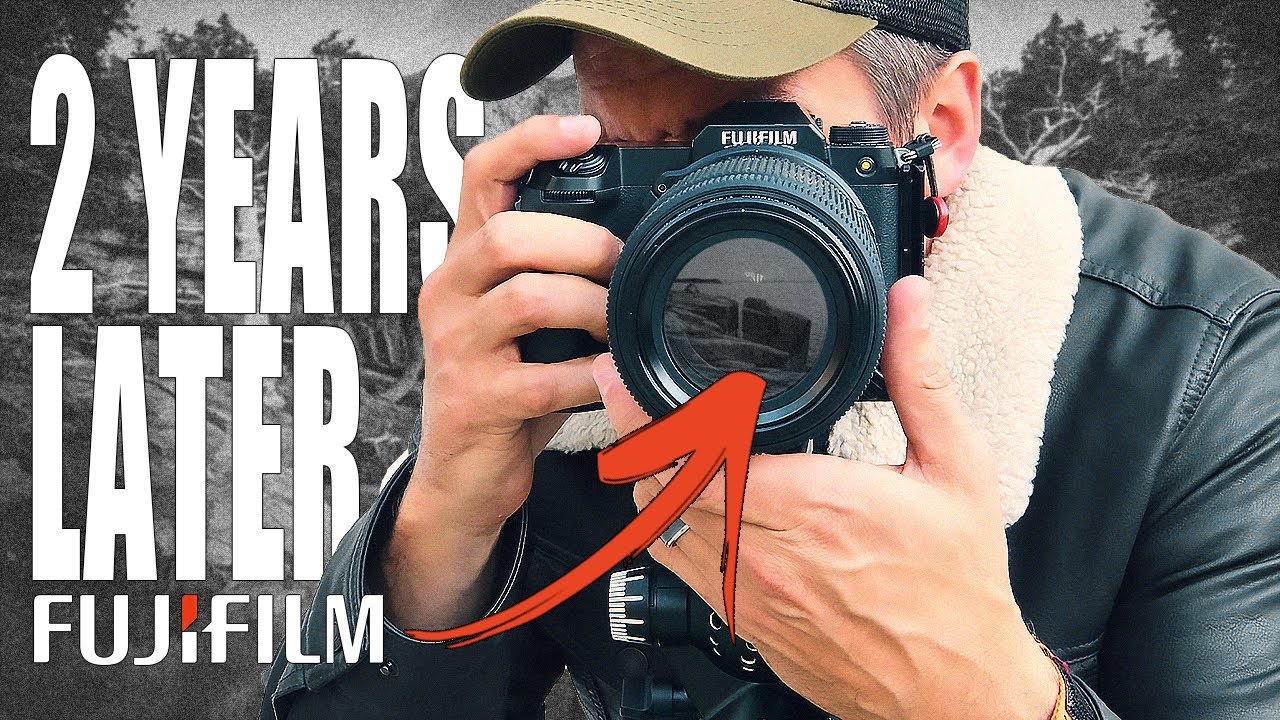
There’s a particular kind of fatigue that sets in when your camera feels like an obstacle. I’ve been shooting landscapes full-time for two decades, and I still remember standing on a basalt ridgeline outside Bend before sunrise, hands cold, light moving fast, and spending a full minute digging through a menu to find a setting I needed immediately. The shot was gone by the time I got there. The camera wasn’t the tool anymore. It was the problem.
That’s why I paid close attention when I came across this honest, unhurried breakdown from Mark Denney, who spent two years shooting landscape photography exclusively on the Fujifilm system. Watch the full tutorial on YouTube. Denney isn’t selling you on Fujifilm. He’s walking through what he actually learned, what surprised him, and what he’d do differently. That kind of field-tested perspective is worth sitting with carefully.
Denney came from Sony, specifically the A7R Mark II, and moved through the XT3, then added the XT4, and eventually brought the GFX100S into his workflow. That progression tells you something before he even gets into lessons: this wasn’t an impulsive switch. It was a gradual, deliberate migration by someone paying close attention. Here’s how to work through what he covers, step by step.
Step 1: Recognize When Your Camera Is Fighting You
 Mark Denney talking to camera about the photography process
Denney’s first and most foundational point is that the process of using a camera matters as much as the technical specs. It’s easy to get buried in numbers: dynamic range, megapixels, autofocus tracking points. But when you’re standing in a river at first light with mist still on the water, those numbers mean nothing if the camera itself is slowing your thinking down. Before you switch systems or add gear, honestly ask yourself whether your current camera supports the way you work or interrupts it. That diagnostic step alone will save you money and frustration.
Step 2: Evaluate Ergonomics as a Creativity Tool
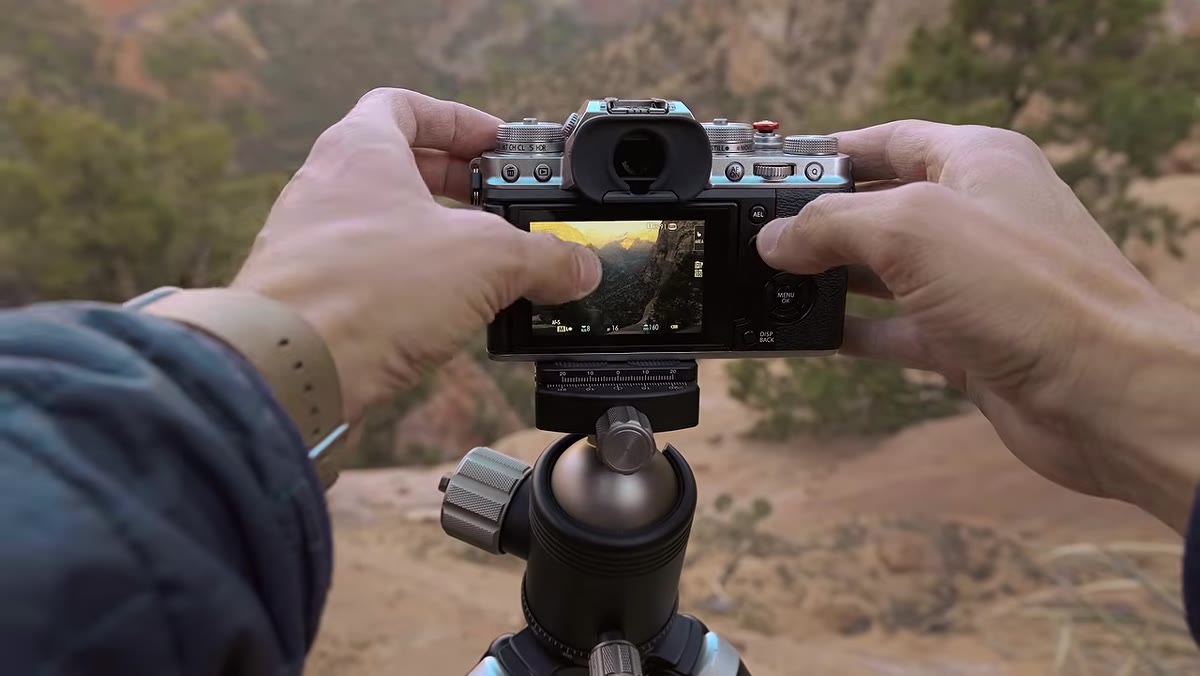
 Close view of Fujifilm XT4 with physical dials and aperture ring
Denney makes a point that I’ve come to believe deeply: physical controls are not nostalgia, they are efficiency. The Fujifilm bodies he used, the XT3, XT4, and GFX100S, all feature dedicated aperture rings on lenses, shutter speed dials, and ISO selector discs. These sit on the body in fixed positions. You don’t navigate to them. You reach for them. When you’re managing a tripod, a filter, fading golden light, and a composition all at once, the difference between a dial and a menu is significant. Handle any camera you’re considering buying before you commit to it. Set a mock scenario where you need to change three settings in under ten seconds. See what happens.
Step 3: Audit Your Menu System Frustration Honestly
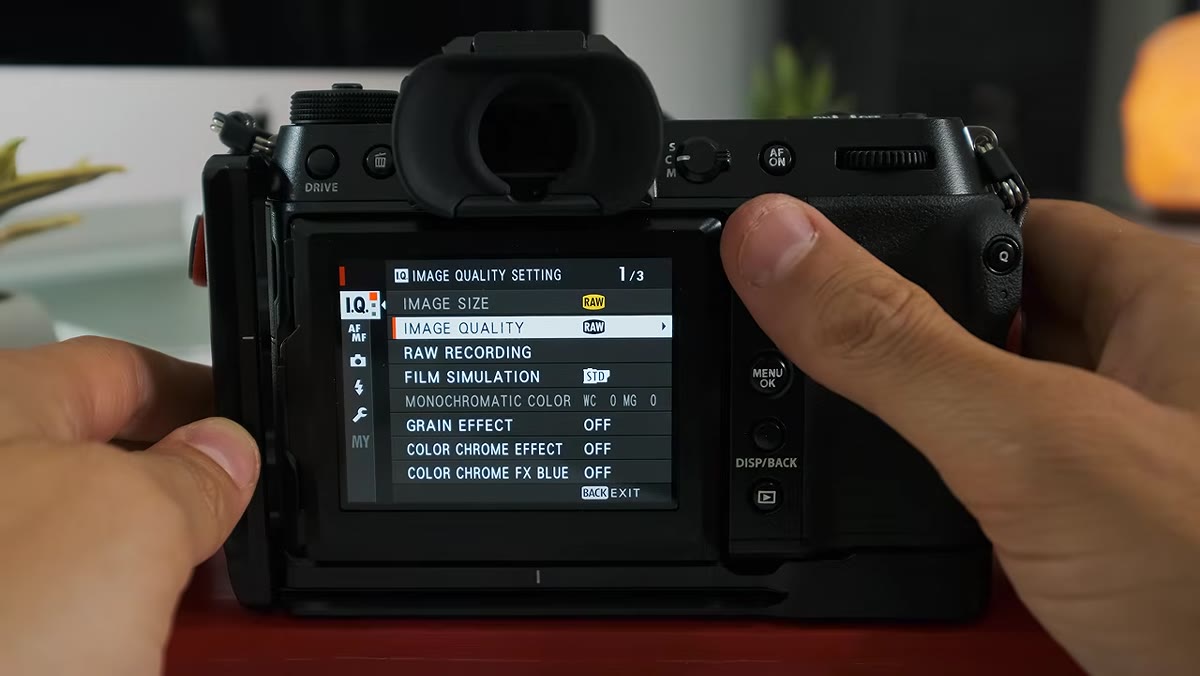 Fujifilm menu system displayed on camera LCD screen
Denney is tactful about Sony here, but his point is clear: a menu system that makes you reach for your phone to look things up is a problem. It breaks the mental state you need for landscape work. Fujifilm organized their menus in a way that felt logical to him from early on, which meant less time orienting and more time shooting. When you’re evaluating any system, spend real time in the menus without tutorials open. If you’re getting lost on day three, that’s information. The GFX100S is a larger camera by design, but Denney found it still kept that same intuitive structure.
Step 4: Understand the Real Cost of Switching Systems
 Mark Denney describing selling the XT3 to fund the GFX100S
Denney sold his XT3 to fund the GFX100S, which is a sensible and common move. But he’s transparent about what that kind of transition actually involves: lens ecosystems, adapter decisions, resale value timing, and the learning curve on a new sensor format. Medium format, which is what the GFX100S represents, is not just more megapixels. The rendering quality, the depth of field behavior, and the overall file latitude are genuinely different. If you’re considering a similar jump, budget not just for the body but for the time it takes to understand what that sensor is actually giving you. Plan at least three to four dedicated shooting sessions before you trust your instincts with new gear.
Step 5: Let the Camera Become Invisible
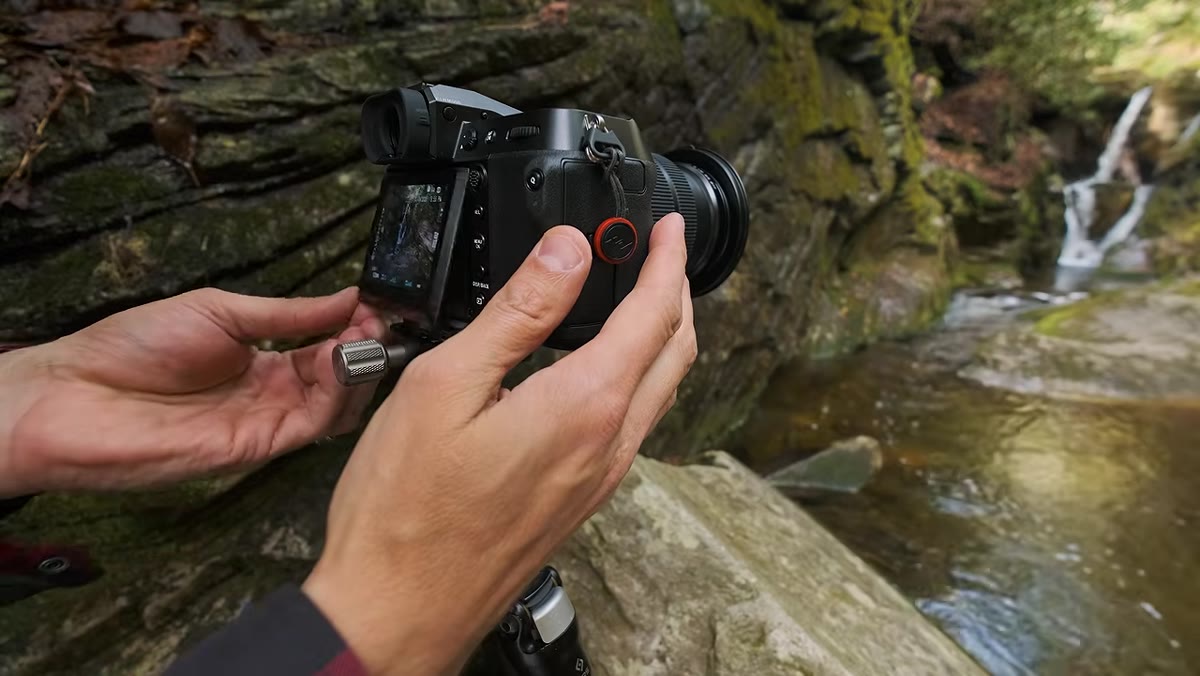 Mark Denney describing mental resources freed up by intuitive controls
This is the step that ties everything together, and Denney lands it cleanly. When a camera is intuitive enough to operate without conscious thought, your mental energy goes entirely to the composition, the light, the moment. He uses the phrase “extension of yourself,” and I recognize exactly what he means. After twenty years, I still notice a difference between gear days and flow days. On flow days, I’m not thinking about f-stops. I’m watching how the light moves across a canyon wall and deciding when the shadow line is exactly where I want it. The camera is just the hand that catches it. That state takes practice, but the right equipment removes the unnecessary friction between intention and execution.
A Note From the Field: Switching Systems Is About Trust, Not Specs
I have never switched systems lightly, and I’d caution anyone reading this to separate their gear research from their gear envy. What Denney demonstrates over two years is that the value of Fujifilm for his landscape work wasn’t in a single spec sheet win over Sony. It was in an accumulated feeling of confidence and ease that built over months of real shooting. I still occasionally shoot a roll of film precisely because it forces me to slow down and commit before I press the shutter. That discipline transferred into how I evaluate digital bodies too. The question I ask now isn’t which camera is technically superior in a lab. It’s which camera makes me more present when I’m standing somewhere that deserves my full attention.
If you’re on the edge of a system change, or simply trying to understand why some photographers swear by Fujifilm for landscape work, Denney’s two-year honest account is one of the most grounded perspectives I’ve seen on the subject. He didn’t switch because of hype, and he didn’t stay because of stubbornness. He stayed because the system kept getting out of his way.
The single most important thing this tutorial reinforced for me: your camera’s best feature is the one that makes you stop thinking about your camera. Watch the full tutorial on YouTube and pay attention to how Denney talks about his gear. It’s not reverence. It’s comfort. That’s the goal.
Comments (1)
Love how you break down complex stuff into manageable steps.
Leave a Comment