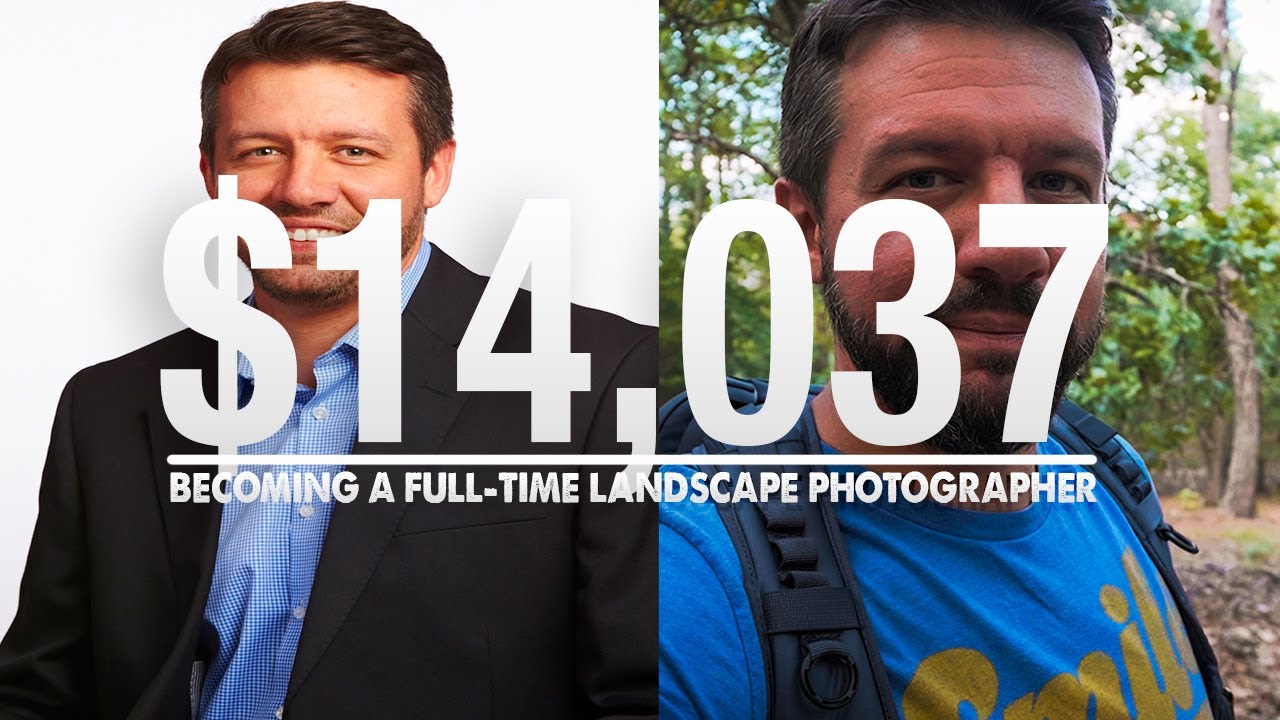
There’s a particular kind of dread I know well: waking up to thick fog rolling through the valley, grabbing your gear in the dark, and then sitting in your truck with no clear plan. The conditions are perfect. You have nowhere to go. After twenty years doing this full-time out of Bend, Oregon, I’ve learned that the fog doesn’t wait for indecision. You either have a list of locations ready or you watch a once-a-season morning dissolve into flat midday light. That specific problem, knowing where to go before the conditions arrive, is what drew me into this tutorial from Mark Denney.
Watch the full tutorial on YouTube
In this Mark Denney tutorial, he wraps up a four-part series documenting his 12-month experiment stepping away from a 17-year corporate career to pursue landscape photography full-time. What starts as a location scouting walk through a North Carolina woodland becomes something more useful: a candid breakdown of how a working photographer actually builds a sustainable creative life. The practical and philosophical threads are woven together here in a way that’s worth unpacking step by step.
Step 1: Scout Locations Before You Need Them
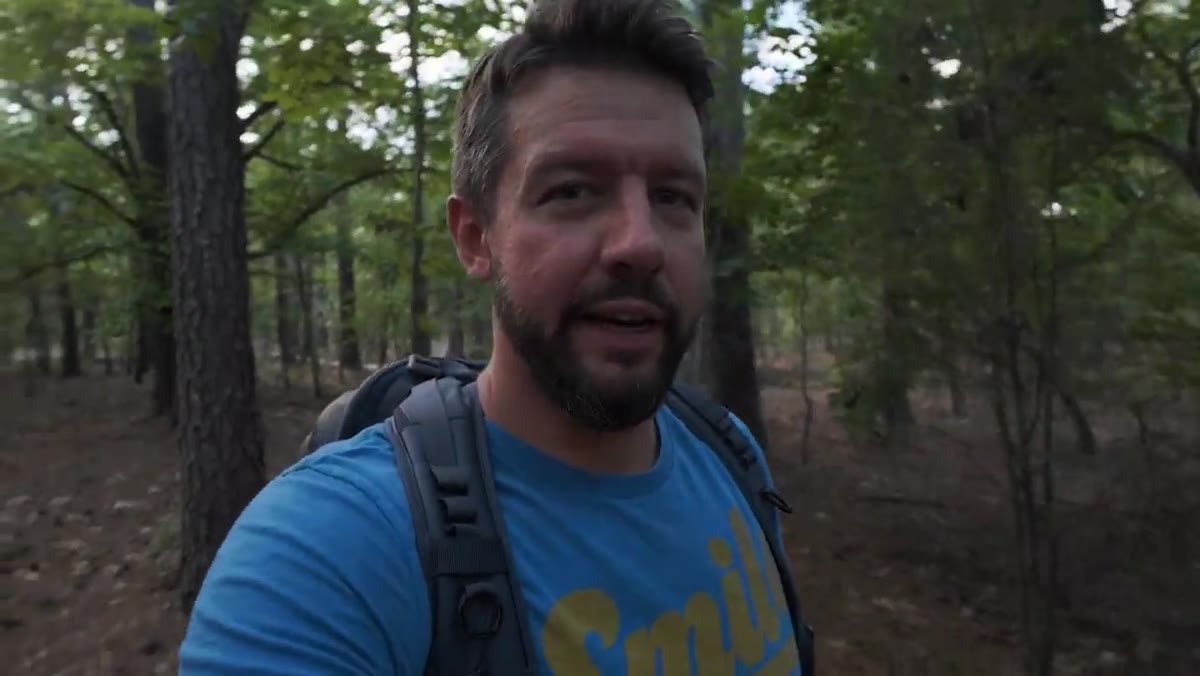 Photographer walking through woodland at dusk on a scouting mission
Denney is out in the field during this video, not at his desk. That’s the first lesson. He’s walking a local woodland not because conditions are good right now, but because he wants to understand the space before it matters. This is recon work. The goal is to identify compositions, sight lines, and anchor points so that when fog, golden light, or frost arrives, the creative decisions are already made.
Make a dedicated list of locations within 30 minutes of your home that transform under specific conditions. Fog, backlight, snow, after heavy rain. Categorize them by condition type. When the weather app shows something promising at 10pm, you want a name on a list, not a blank search bar.
Step 2: Understand Why Conditions Demand Pre-Planning
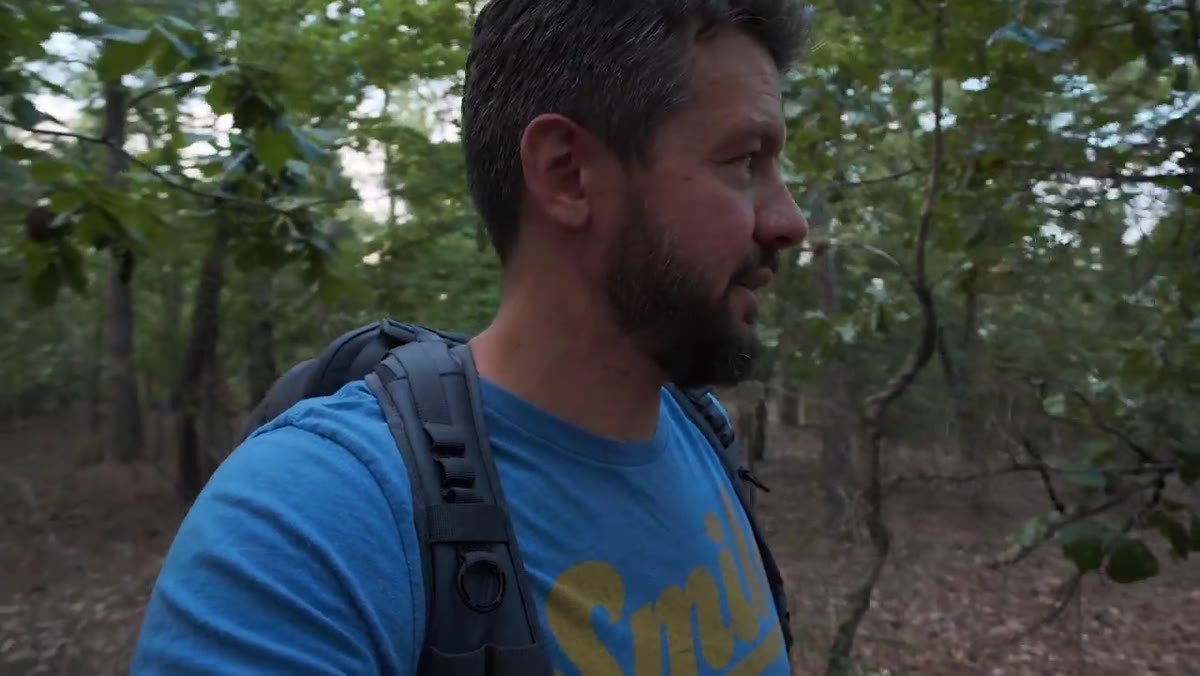 Dense woodland scene showing potential for fog photography
Denney describes the common trap: fog rolls in, you scramble out the door, and you spend the best light driving around aimlessly. The fog is the opportunity. The driving is the waste. His North Carolina location sees seasonal fog patterns in fall fairly consistently, which means he can anticipate and prepare rather than react.
Study your local micro-climate. Weather patterns repeat. If your valley gets radiation fog on clear autumn mornings after warm days, that’s a predictable window you can build a workflow around. Track conditions in a notebook or app for a full year and you’ll start to see rhythms that most photographers in your area are missing entirely.
Step 3: Build a Quarterly Review Habit for Your Photography Career
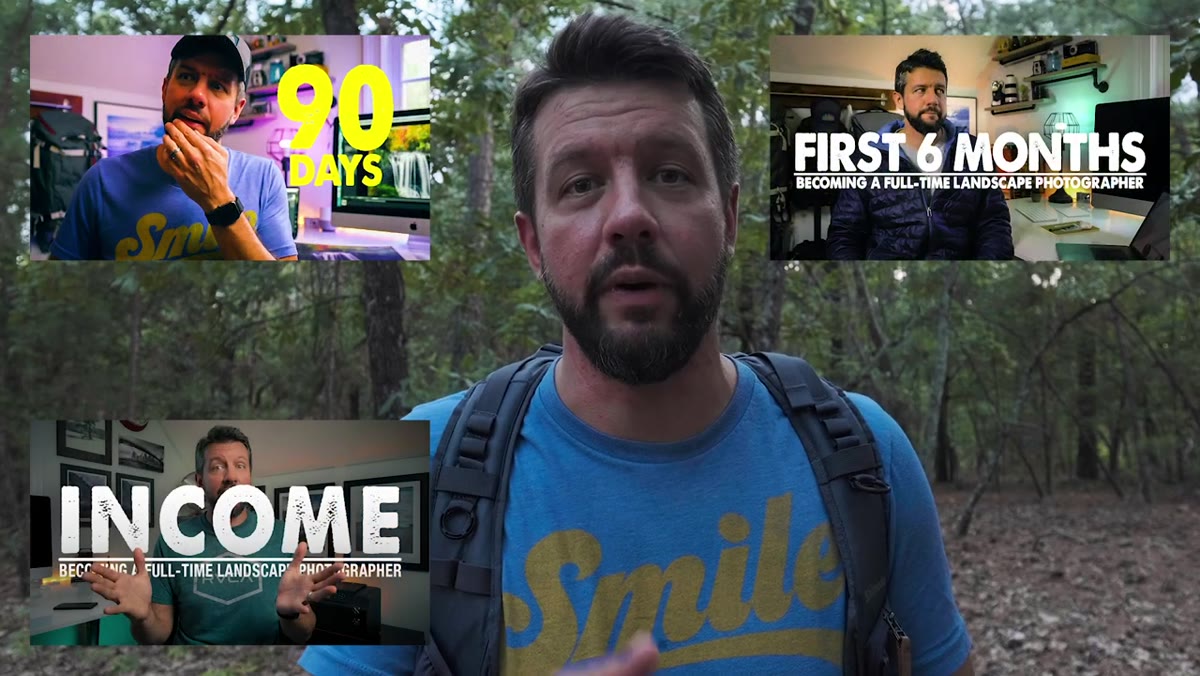 Photographer reflecting on the year’s experiment while walking
The four-part series Denney created wasn’t planned from the start. It grew from honest quarterly check-ins with himself about where the experiment was heading. That structure, reviewing your progress every three months rather than every day or never, is genuinely useful discipline. It gives you enough time to see whether something is working without letting a bad strategy run for years unchecked.
Set a calendar reminder every 90 days and sit down with your numbers, your images, and your sense of direction. What brought in income? What didn’t? What images are you proud of? What did you chase that wasn’t worth the time? The answers shift every quarter, and that’s the point.
Step 4: Treat the Decision to Go Full-Time as a Defined Experiment
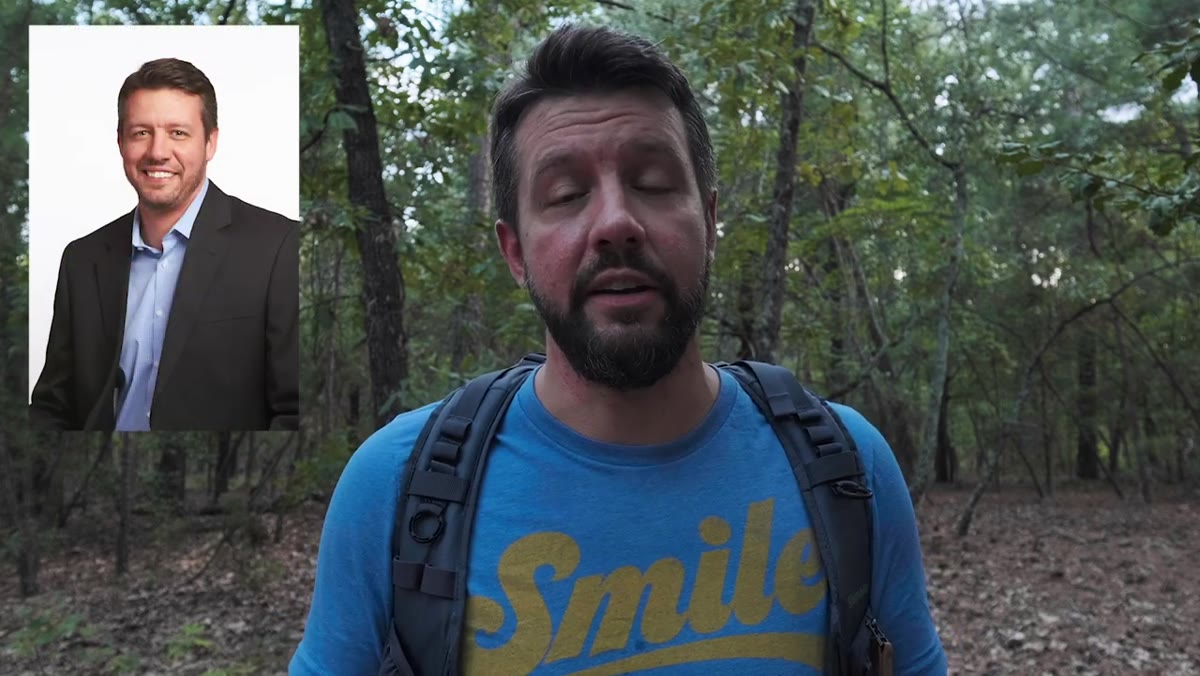 Mark describing his 17-year corporate career ending at age 39
Denney framed his leap not as a permanent identity shift but as a 12-month experiment with a defined endpoint. That framing matters more than it sounds. It removes the existential weight from every slow month and replaces it with a question: is this working within the timeframe I set? He gave himself a year, with the clear fallback that if it didn’t work, he’d return to corporate work. That wasn’t defeat. That was a rational structure.
If you’re considering going full-time, define the experiment before you start. Pick a duration, 12 or 24 months. Set measurable markers. Name what “working” means to you specifically: a target income, a number of print sales, workshop bookings. A vague commitment to “trying” collapses under the first difficult month. A structured experiment gives you data.
Step 5: Diversify Revenue Channels, Not Photography Genres
 Mark discussing the shift from single income stream to multiple revenue channels
This is the most practically dense part of Denney’s video. His core advice for photographers trying to turn the craft into a career is to diversify revenue channels, not to dilute your photographic focus by shooting every genre that pays. You don’t have to shoot weddings to make landscape photography financially viable. You do need to think about print sales, workshops, online education, licensing, YouTube, and other streams as separate channels that each carry part of the weight.
In my own practice, no single channel covers everything. Print sales are seasonal. Workshop income is tied to my physical presence. Writing generates smaller but steadier returns. The diversification isn’t about spreading yourself thin. It’s about building a structure where a slow month in one channel doesn’t collapse the whole thing. Start with two channels and make them work before adding a third.
Step 6: Make Peace With Inconsistent Income Early
 Reflection on the difference between corporate salary rhythm and freelance income
The psychological shift Denney describes, moving from the predictable rhythm of a corporate paycheck to the unpredictability of creative income, is real and it takes time. He’s honest about how disorienting it was. The 15th and the last day of the month as reliable markers disappear, and you have to rebuild your sense of financial security from scratch.
The practical response is to build a cash buffer before you make the leap. Three to six months of operating expenses at minimum. Then track income weekly, not monthly, so you stay calibrated to the actual rhythm of your work rather than waiting for a monthly surprise. The inconsistency doesn’t go away, but you stop being afraid of it once you understand its patterns.
From My Own Experience: The List Is Everything
I once drove six hours to a coastal location chasing a weather window, sat in impenetrable fog for two full days, and came home with one usable frame. That image became my best-selling print. But I’d be lying if I said I had a plan for it. I got lucky inside a decision I’d made deliberately: go anyway, because you never know. What I’ve built since then is the list Denney describes, a regional map of locations filed by season and condition, so that luck has somewhere to land.
The list doesn’t replace intuition. It gives intuition a structure to work within. And that’s the larger lesson woven through Denney’s entire year: the creative life doesn’t survive on inspiration alone. It survives on preparation, honest self-assessment, and a willingness to show up before the conditions are confirmed.
The single most transferable idea from this tutorial is simple. Know where you’re going before the weather tells you to move. That applies to location scouting and to building a photography career. Watch the full tutorial on YouTube and pay particular attention to how Denney structures his thinking. The fieldwork and the business thinking are the same practice, just pointed in different directions.
Comments (1)
Quality content like this is rare. Keep it up.
Leave a Comment