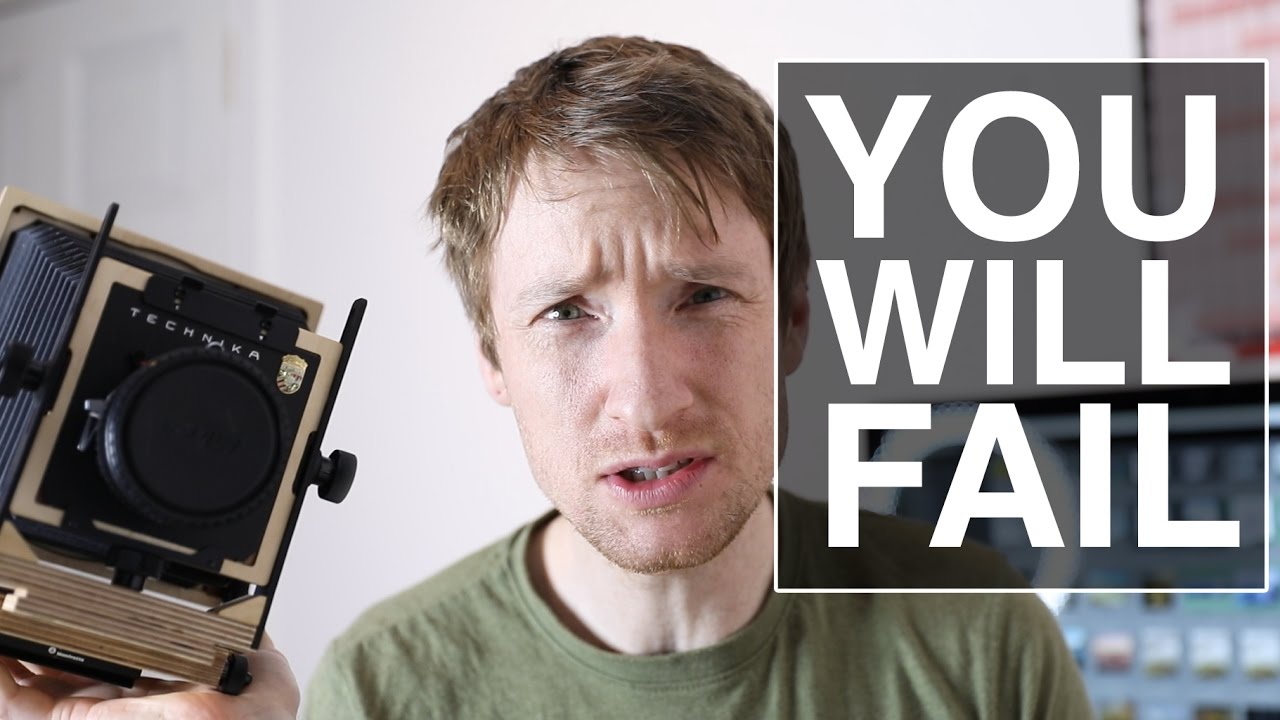
There’s a particular kind of exhaustion that only landscape photographers know. You’ve been up since before dawn, you’ve hiked an hour and a half into the hills, you haven’t eaten, and the light you came for is buried under a ceiling of flat grey cloud that the forecast had no business predicting. You sit there with your camera bag on your back and you do the math: hours driven, hours walked, hours lost. And you wonder, seriously wonder, whether any of this is worth it.
I’ve been doing this for twenty years, and I still have those mornings. More than I’d like to admit. That’s exactly why Watch the full tutorial on YouTube from Thomas Heaton landed so hard when I first watched it. In it, Heaton does something most photographers never do: he talks openly about the trips that didn’t work, the mornings that produced nothing worth keeping, and the mental weight of comparing your worst days to everyone else’s best work. It’s not a technique video in the conventional sense. It’s something more useful than that.
What Heaton is really teaching here is how to stay in the game long enough to get good. And that, more than any particular camera setting or compositional trick, is the skill that separates photographers who grow from those who quietly quit.
Step 1: Acknowledge That Failure Is Structurally Built Into This Work
 Heaton explains landscape photographers fail more than they succeed
The first thing Heaton establishes is a simple, uncomfortable fact: landscape photographers fail more often than they succeed. Not occasionally. Consistently. The weather turns, the light doesn’t arrive, the conditions you planned around evaporate overnight. This isn’t a beginner problem you eventually solve. It’s the nature of working with subjects you don’t control.
Heaton explains landscape photographers fail more than they succeed
The first thing Heaton establishes is a simple, uncomfortable fact: landscape photographers fail more often than they succeed. Not occasionally. Consistently. The weather turns, the light doesn’t arrive, the conditions you planned around evaporate overnight. This isn’t a beginner problem you eventually solve. It’s the nature of working with subjects you don’t control.
Understanding this at a structural level changes how you approach bad days. They stop being evidence that you’re doing something wrong, and start being a predictable part of the process. Build this expectation into your planning from the start. When you schedule a shoot, schedule it knowing that one in three, maybe one in four outings will produce something you’re genuinely proud of. The others are reconnaissance, practice, and patience all at once.
Step 2: Recognize the Comparison Trap Before It Derails You
 Heaton discusses viewing the best work of many photographers online
Heaton points to something specific that hits new photographers especially hard: when you’re learning, you’re comparing your raw, unfiltered output to a curated highlight reel drawn from dozens or hundreds of photographers. You’re not seeing their failed pre-dawns. You’re seeing the single frame from a career that survived a brutal edit.
Heaton discusses viewing the best work of many photographers online
Heaton points to something specific that hits new photographers especially hard: when you’re learning, you’re comparing your raw, unfiltered output to a curated highlight reel drawn from dozens or hundreds of photographers. You’re not seeing their failed pre-dawns. You’re seeing the single frame from a career that survived a brutal edit.
The practical fix is to deliberately seek out the full picture. Follow photographers who show process, not just product. Watch behind-the-scenes footage. Read trip reports that include the misses. When you understand that the image you’re admiring on Instagram might represent one good shot from a ten-day expedition, your own three failed attempts in a weekend start to look a lot more reasonable. Keep a running log of your own shoots, including the blank ones, so you can see your actual success rate over time. It’s probably better than you think, and it’s definitely more honest than the comparison you’ve been making.
Step 3: Go Anyway, Even When the Forecast Lies
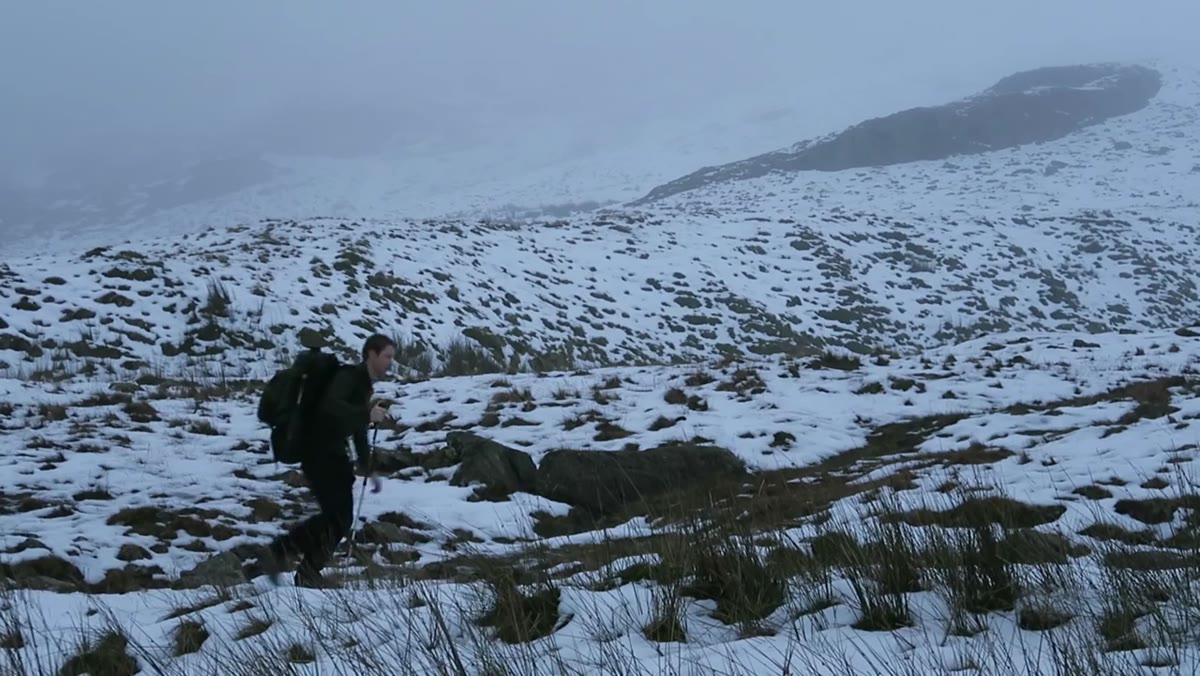 Heaton describes arriving to zero visibility despite a good forecast
Heaton drove out to Sprinkler Tarn, a spot that meant something to him, in the early hours of the morning. The forecast had been good. The visibility on arrival was essentially zero. He climbed anyway. He kept filming anyway. Nothing came of that particular morning.
Heaton describes arriving to zero visibility despite a good forecast
Heaton drove out to Sprinkler Tarn, a spot that meant something to him, in the early hours of the morning. The forecast had been good. The visibility on arrival was essentially zero. He climbed anyway. He kept filming anyway. Nothing came of that particular morning.
This step sounds almost too simple to name, but it’s where most people actually quit: they stop going when conditions aren’t guaranteed. The photographers who build meaningful bodies of work are the ones who show up even when the odds are poor, because the only way to be present for the 1-in-5 morning that delivers something extraordinary is to not be at home in bed for the other four. Make it a habit to go even when you’re not sure. You can always turn around. You almost never regret showing up.
Step 4: Take Care of Your Body in the Field So Your Mind Can Stay in the Work
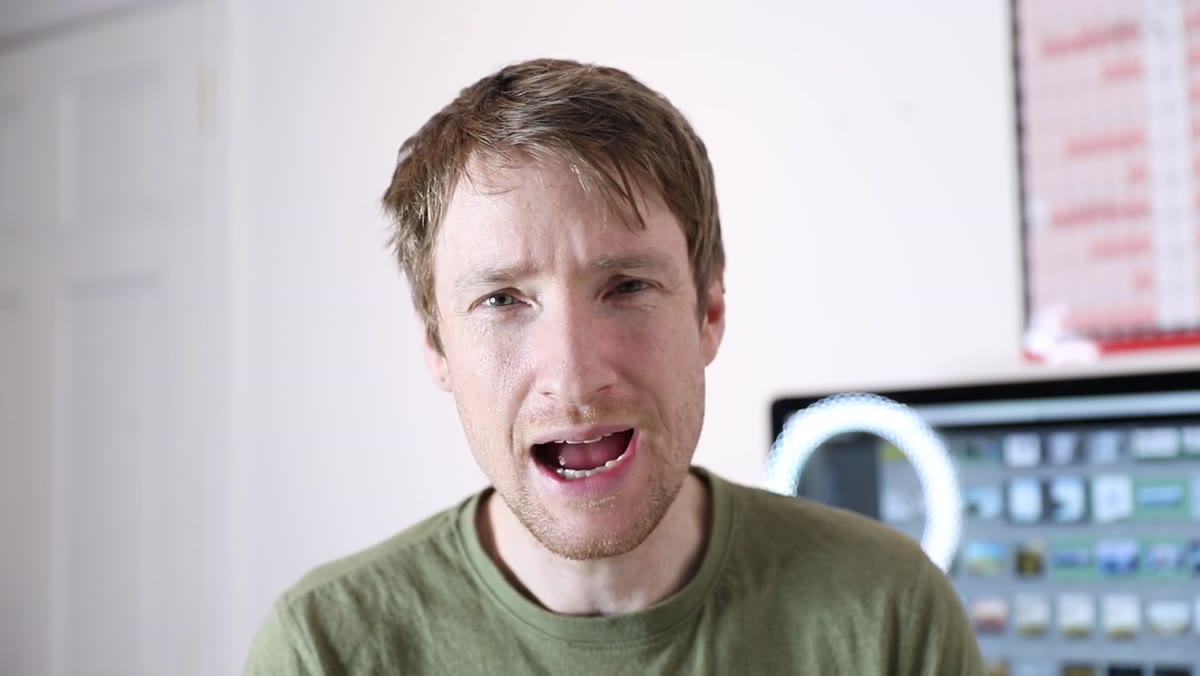 Heaton admits to hiking hours without water or breakfast
Here’s the one where Heaton is teaching by counterexample. He mentions almost in passing that by the time he got back to the car, he’d been out for six or seven hours without water and without breakfast, up since four in the morning. And he was, by his own account, exhausted and disappointed.
Heaton admits to hiking hours without water or breakfast
Here’s the one where Heaton is teaching by counterexample. He mentions almost in passing that by the time he got back to the car, he’d been out for six or seven hours without water and without breakfast, up since four in the morning. And he was, by his own account, exhausted and disappointed.
I’ve made this exact mistake. My lucky hat doesn’t do much for my blood sugar. Basic field maintenance, water before you leave, food in the bag, layers you’ll actually need, matters for your decision-making as much as your physical comfort. When you’re cold, hungry, and dehydrated at hour six, you start making bad calls: you pack up early, you miss the light that comes after the cloud, you drive home just before things turn. Treat a long shoot like the physical undertaking it actually is. Your best shots often come in the last hour, and you need to be in good enough shape to still be paying attention by then.
Step 5: Stay on Location When Conditions Start to Shift
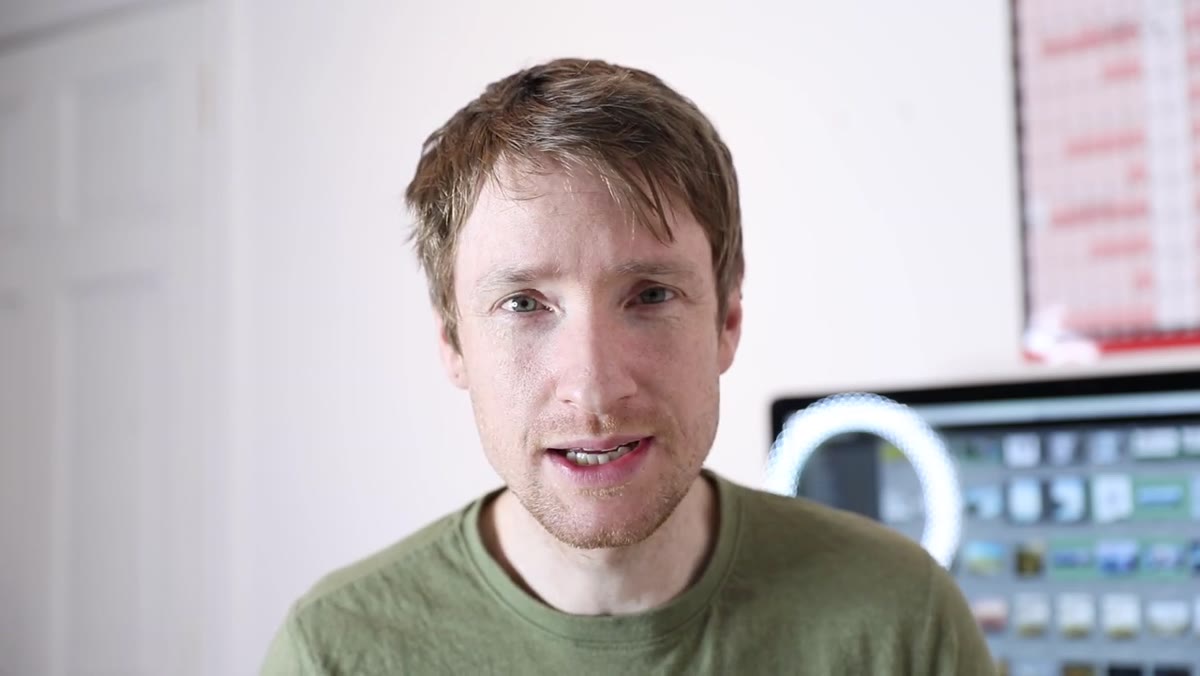 Heaton notes the weather clearing at 11am after a difficult morning
This is the turn in the video, and it’s a critical one. Heaton stays. At 11am, after a rough, unproductive morning, the weather begins to clear. The point is not that persistence always produces great light. The point is that leaving guarantees you miss it.
Heaton notes the weather clearing at 11am after a difficult morning
This is the turn in the video, and it’s a critical one. Heaton stays. At 11am, after a rough, unproductive morning, the weather begins to clear. The point is not that persistence always produces great light. The point is that leaving guarantees you miss it.
Develop a habit of extending your time on location past the moment you feel like giving up. Set a specific check-in time, something like “I’ll reassess at the top of the hour,” rather than letting frustration make the call for you. Watch the sky with the same attention you’d give a composition. Weather systems move. Fronts clear. The mountain doesn’t care about your schedule, and it certainly doesn’t care that you’ve decided the morning is a write-off.
What Twenty Years of Bad Mornings Actually Taught Me
The frame I keep coming back to is this: the best-selling print I’ve ever made came from a trip that most people would call a disaster. I drove six hours to a location, and I sat in fog for two full days. I shot almost nothing usable. On the morning I finally left, the fog broke for about forty minutes, and I made one image. That single frame has sold more copies than anything else in my catalog.
I’m not saying bad trips always end that way. They don’t. But they taught me something that no technique tutorial could: the willingness to stay, to keep going, to not let a hard morning become a reason to quit, that is itself a photographic skill. It’s one you build by doing it over and over, mostly in conditions that don’t reward you immediately.
The takeaway from Heaton’s video is deceptively straightforward: every landscape photographer fails, and the ones who succeed are simply the ones who fail long enough to eventually not. Show up. Stay. Go home and come back again. Watch the full tutorial on YouTube and sit with how honestly Heaton talks about the hard mornings. It might be the most useful thing you watch this month.
Comments
Leave a Comment