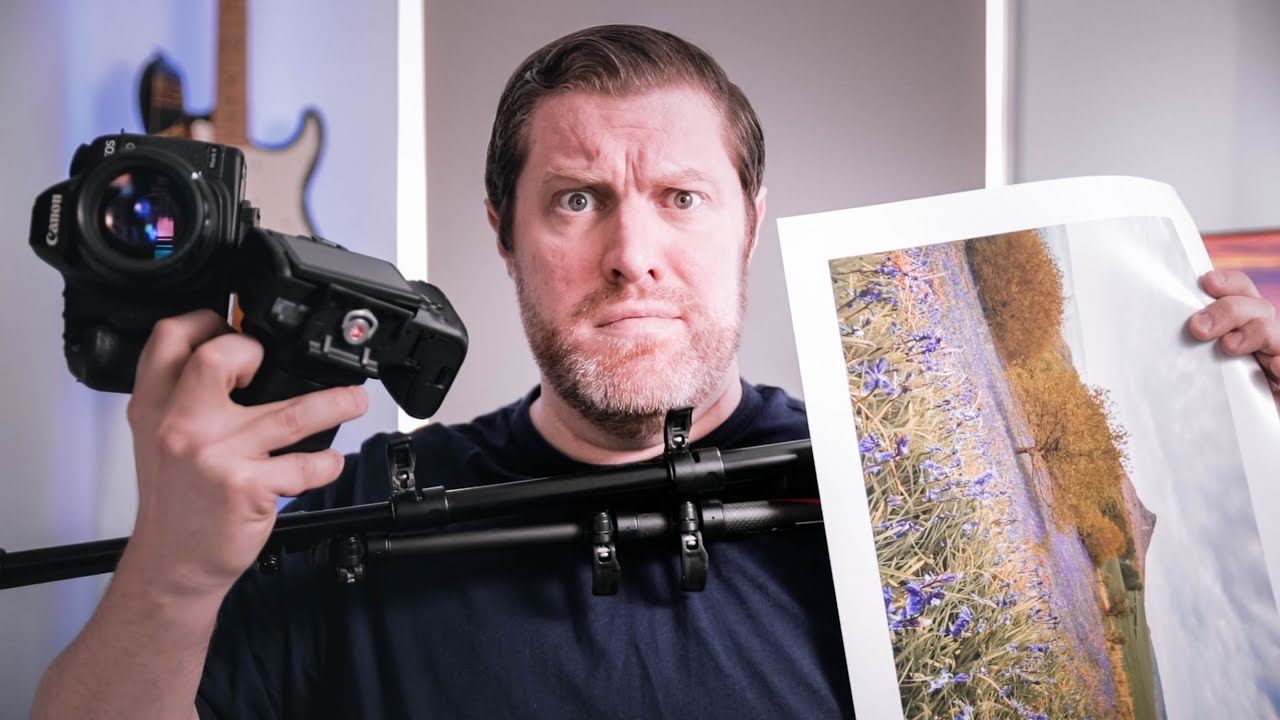
There’s a particular kind of paralysis that hits newer photographers when they’ve been watching too many tutorials. One voice tells them to always shoot on a tripod. Another praises the freedom of going handheld. One photographer builds an entire brand around remote wilderness expeditions. Another insists you never need to leave your backyard. I’ve been shooting full-time for twenty years, and I still catch myself second-guessing fundamentals when the advice I’m hearing pulls in opposite directions. So when I came across Watch the full tutorial on YouTube from First Man Photography, I felt something I don’t always feel watching photography content: relief. Someone was finally naming the contradictions instead of pretending they don’t exist.
What he does in this video isn’t give you a single rigid answer to any of these debates. He does something smarter. He explains why both sides of each argument have merit, and more importantly, he tells you when each approach actually serves the image. That’s the kind of nuance that takes years to develop through field experience, and he hands it to you in under twenty minutes. I’m going to walk through his main points here and add what I’ve learned from my own years working in the field around the Pacific Northwest and beyond.
Step 1: Rethink Whether You Need to Travel at All
 Photographer discussing travel versus local shooting philosophy
The pull of dramatic, far-flung locations is real. You see photographers posting from Patagonia, Iceland, the Dolomites, and it starts to feel like geography is talent. First Man Photography pushes back on that idea directly, and he’s right. Almost every photographer I know who has developed a genuinely distinctive voice built it close to home first. Shooting locally over long stretches of time teaches you something travel never can: how light moves through a specific place across seasons, and how your emotional relationship to that place shows up in the frame.
Photographer discussing travel versus local shooting philosophy
The pull of dramatic, far-flung locations is real. You see photographers posting from Patagonia, Iceland, the Dolomites, and it starts to feel like geography is talent. First Man Photography pushes back on that idea directly, and he’s right. Almost every photographer I know who has developed a genuinely distinctive voice built it close to home first. Shooting locally over long stretches of time teaches you something travel never can: how light moves through a specific place across seasons, and how your emotional relationship to that place shows up in the frame.
That said, he’s honest that travel does reward you. New environments force you out of visual habits, and some locations are simply extraordinary to work in. The distinction worth making is this: travel to grow and to encounter, but don’t wait for it. The tree at the end of your street in January fog can be as powerful as any mountain range if you’re present enough to see it.
Step 2: Use a Tripod as a Thinking Tool, Not Just a Stability Tool
 Tripod setup discussion with camera mounted in position
The tripod debate tends to get framed as a technical question, but First Man Photography reframes it as a creative one, and that shift matters. Yes, a tripod is essential for long exposures and precise compositions in low light. But his deeper point is that the act of mounting your camera, locking it in place, and stepping back forces a kind of stillness that handheld shooting doesn’t naturally encourage. You stop chasing. You start seeing.
Tripod setup discussion with camera mounted in position
The tripod debate tends to get framed as a technical question, but First Man Photography reframes it as a creative one, and that shift matters. Yes, a tripod is essential for long exposures and precise compositions in low light. But his deeper point is that the act of mounting your camera, locking it in place, and stepping back forces a kind of stillness that handheld shooting doesn’t naturally encourage. You stop chasing. You start seeing.
I’ve noticed this in my own practice. Some of my most deliberate images came from sessions where I planted the tripod early, got the framing where I wanted it, and then just waited. Waited for the light to shift, for the wind to die, for the scene to open up. That’s harder to do when the camera is in your hands and your feet are moving. The tripod earns its weight not just through sharpness but through patience.
Step 3: When You Shoot Handheld, Commit to It Properly
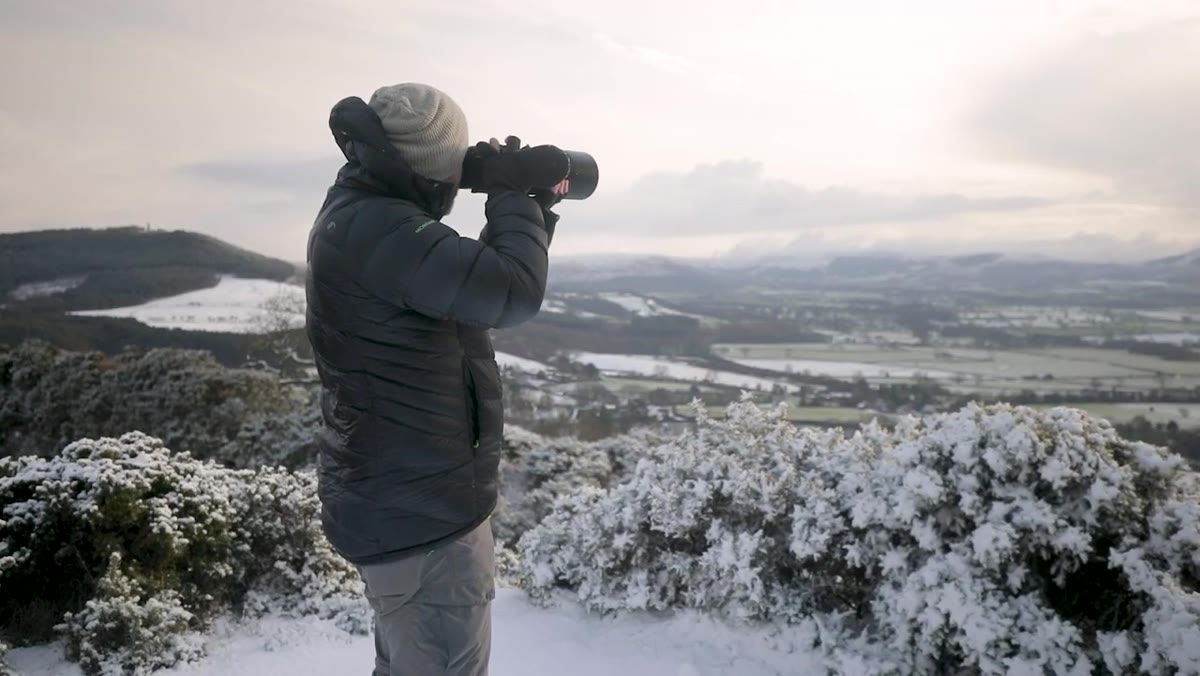 Handheld settings discussion, shutter speed being adjusted
Going handheld isn’t laziness, it’s a different mode of working, and it has its own discipline. First Man Photography’s advice here is practical and specific: set your shutter speed fast enough to eliminate your own motion, and don’t lean on image stabilization as a crutch. He knows from his own shooting that 1/125th of a second is his personal floor. Below that, his images soften.
Handheld settings discussion, shutter speed being adjusted
Going handheld isn’t laziness, it’s a different mode of working, and it has its own discipline. First Man Photography’s advice here is practical and specific: set your shutter speed fast enough to eliminate your own motion, and don’t lean on image stabilization as a crutch. He knows from his own shooting that 1/125th of a second is his personal floor. Below that, his images soften.
Your number might be different. Spend one session deliberately testing your own threshold. Shoot a static subject at 1/60th, 1/100th, 1/125th, 1/160th, and zoom into the results at full resolution. Find where your images consistently hold sharp. Then treat that number as a hard floor, not a guideline. When the light is low and you need more exposure, raise your ISO rather than dropping your shutter speed. Modern sensors handle noise far better than camera shake handles forgiveness.
Step 4: Stop Treating Filters as Entry Fees to Serious Photography
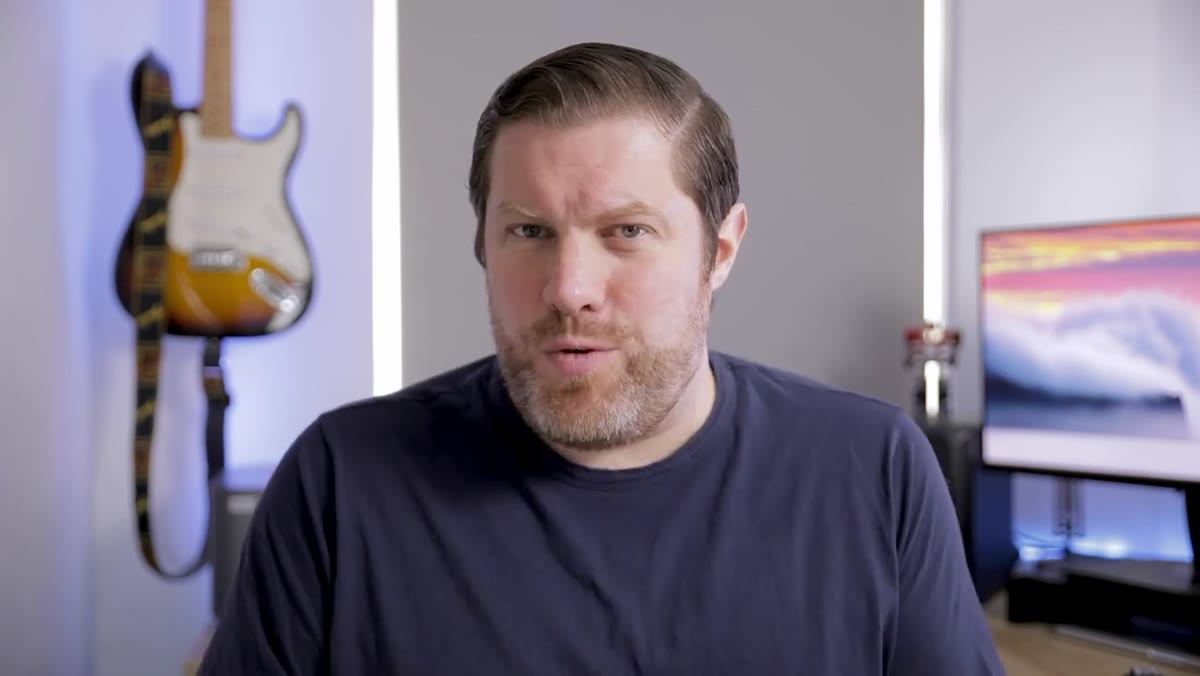 Gradient filter discussion, alternatives being addressed
There’s a gatekeeping mentality around filters in landscape photography that First Man Photography calls out clearly. The idea that you need a full set of graduated ND filters to be a legitimate landscape photographer isn’t just wrong, it can actively slow down your development. Graduated filters made enormous sense in the film era, when you had one exposure and no second chances. Digital shooting gives you options that didn’t exist before.
Gradient filter discussion, alternatives being addressed
There’s a gatekeeping mentality around filters in landscape photography that First Man Photography calls out clearly. The idea that you need a full set of graduated ND filters to be a legitimate landscape photographer isn’t just wrong, it can actively slow down your development. Graduated filters made enormous sense in the film era, when you had one exposure and no second chances. Digital shooting gives you options that didn’t exist before.
Bracketing exposures and blending them in post accomplishes what a hard-edge graduated filter does, often more cleanly, especially over irregular horizons like tree lines or mountain ridges where a physical filter creates an obvious transition. That doesn’t mean filters have no value. A circular polarizer is still irreplaceable for cutting glare on water or deepening a sky. A solid ND filter opens up long exposure work in daylight. But the graduated ND stack that costs several hundred dollars? Start without it. Learn your light, learn your software, and add filters only when you’ve genuinely hit a wall that the filter solves.
What Twenty Years in the Field Adds to This Conversation
The through-line in everything First Man Photography covers is permission. Permission to shoot locally. Permission to skip the tripod sometimes. Permission to leave filters at home. That might sound like permission to cut corners, but it’s the opposite. It’s permission to focus on what actually produces strong images: your eye, your timing, your relationship to a place.
My mentor told me once that the mountain doesn’t care about your schedule. It took years to understand what that meant at a practical level. It means you can’t force a great image by arriving with the right gear list. You have to show up, be willing to wait, and be willing to come home empty-handed sometimes. The clarity about what gear and approach you actually need is what lets you get out of your own way and pay attention to the landscape in front of you rather than your equipment bag.
The most important thing this video gets right is that both sides of every contradiction it explores contain truth. That’s not a cop-out. That’s what craft actually looks like. Context determines the answer every time: the light, the location, the image you’re trying to make. Learn the principles behind each approach and you’ll know intuitively which one to reach for.
Watch the full tutorial on YouTube and let First Man Photography walk you through each of these contradictions in his own words. It’s worth your time.
Comments (1)
Just subscribed. If the rest of your content is this good, I'm in.
Leave a Comment