Why I Started Shooting Landscapes Wide Open (And What It Taught Me About Seeing)

Why I Started Shooting Landscapes Wide Open (And What It Taught Me About Seeing)

I have spent the better part of twenty years defaulting to f/16. It is practically muscle memory at this point. Alarm goes off before four, I pull on my hat, grab the bag, and by the time I am standing in front of whatever scene made me drive out there, my hand is already reaching for that small aperture. Maximum depth of field, front to back sharpness, everything in focus. That has been my religion for a long time.

Where to Focus in Landscape Photography: A Field Guide to Sharp Images Front to Back

Where to Focus in Landscape Photography: A Field Guide to Sharp Images Front to Back

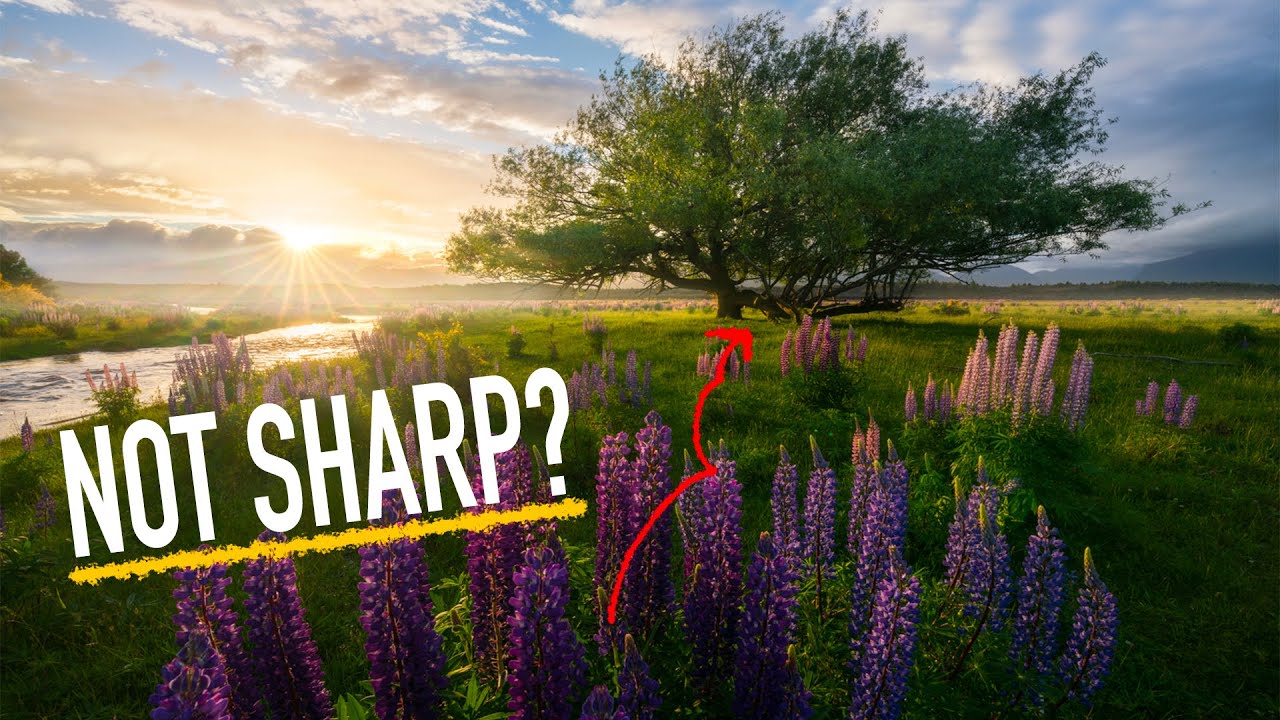
There’s a question I still ask myself every single time I set up my tripod, no matter how many times I’ve done this. Not what aperture. Not what shutter speed. Where do I focus? Get that wrong and it doesn’t matter how beautiful the light is or how perfectly timed your shutter release was. Soft images don’t sell prints, and they definitely don’t hold up on a 30-inch canvas. After twenty years of shooting landscapes, I can make that call quickly most of the time, but I still go back to first principles when a scene throws me off.

Four Reasons Your Landscape Shots Aren't Sharp (And How to Fix Every One)

Four Reasons Your Landscape Shots Aren't Sharp (And How to Fix Every One)

There’s a particular kind of frustration that comes from hiking two miles before sunrise, nailing the light, composing exactly what you envisioned, and then pulling the image up on your monitor to find it soft. Not blurry in an obvious way. Just… not sharp. After twenty years of doing this for a living, I still think that’s one of the most deflating moments in photography. The variables are stacked: shutter speed, aperture, ISO, focus distance.

Landscape vs. Portrait: The Camera Settings That Actually Matter in the Field

Landscape vs. Portrait: The Camera Settings That Actually Matter in the Field

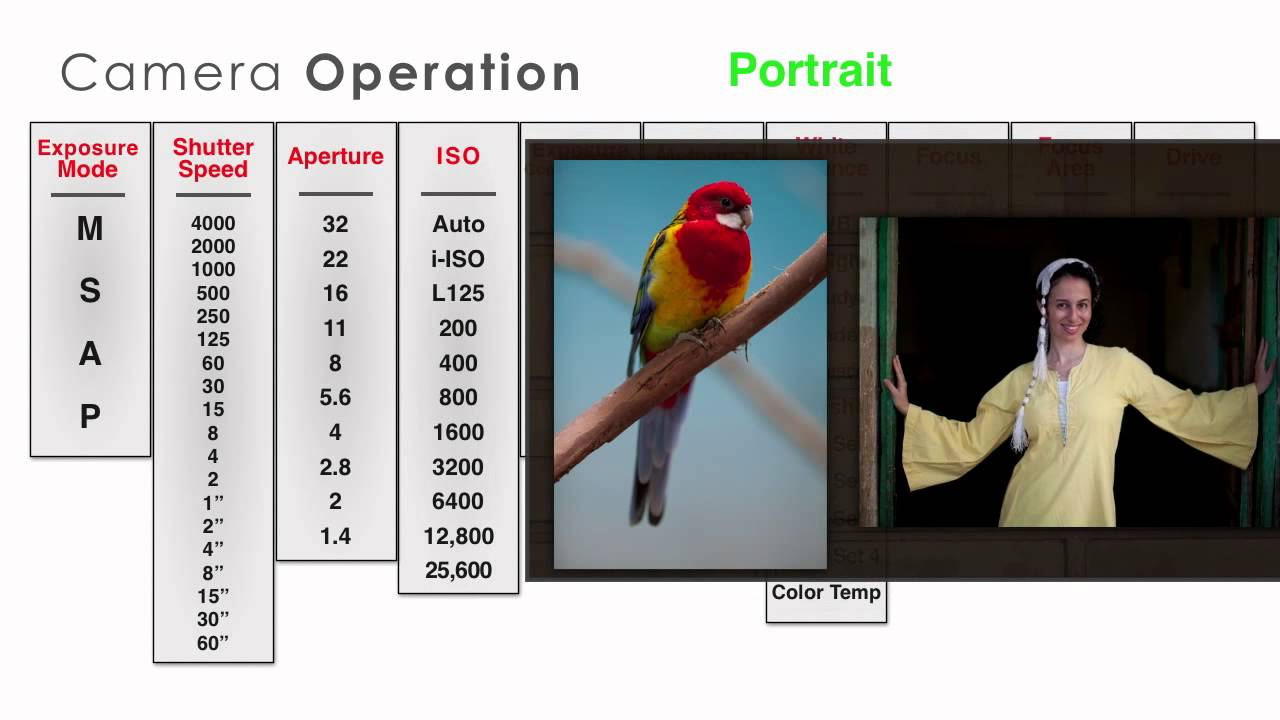
There’s a particular kind of frustration that comes from standing in front of a stunning scene, knowing the light is right, and fumbling with your camera settings while the moment slips away. After twenty years of pre-dawn drives and frozen fingers, I still think the fastest path to consistent images is having a clear, repeatable settings framework before you ever raise the camera to your eye. Not because creativity should be mechanical, but because when the technical side is locked in, your mind is free to actually see.

Chasing Bluebells at Dawn: Field Techniques for Woodland Wildflower Photography

Chasing Bluebells at Dawn: Field Techniques for Woodland Wildflower Photography

There is a narrow window every spring when the bluebells are up and the canopy hasn’t fully closed, and if you miss it, you wait another year. I’ve driven to locations only to find the flowers past peak, or arrived at perfect light with no idea where to place my tripod. That gap between showing up and actually seeing the shot is something most tutorials skip over. What I appreciate about this recent vlog from First Man Photography, Watch the full tutorial on YouTube, is that it doesn’t skip that part.

Mastering Focus Stacking: The Path to Infinite Sharpness in Landscape Photography

Mastering Focus Stacking: The Path to Infinite Sharpness in Landscape Photography

The Eternal Struggle: Sharp from Here to Forever I’ve spent countless mornings standing before a landscape, wrestling with a familiar dilemma. There’s wildflowers just inches from my lens, demanding attention. Behind them stretches a valley, then distant mountains that deserve their own sharpness. My aperture dial feels like a traitor—stop down enough for foreground detail, and the background softens. Open it wide, and those delicate petals blur into an abstract smear.