Why Forests Fight Your Camera (And How to Stop Losing the Battle)

Why Forests Fight Your Camera (And How to Stop Losing the Battle)

The Lie the Histogram Tells You I was standing in an old-growth Douglas fir grove outside Sisters, Oregon, about twenty minutes before the light went flat. My histogram looked clean. Midtones stacked neatly in the center, no clipping on either end. I took the shot, packed up, and didn’t look at it properly until I was back at my desk. The shadows under the canopy were a muddy, detail-less mess, and the few beams of light that had cut through the ferns were blown to white.
Scouting, Golden Light, and Ghost Towns: Field Lessons from an Abandoned Mine Shoot

Scouting, Golden Light, and Ghost Towns: Field Lessons from an Abandoned Mine Shoot

There is a particular kind of pressure that builds in the dark on the way to a sunrise location. You’ve done the planning, you’ve checked the app, you’ve picked your composition the evening before. And then you’re sitting in the truck at 4:45 a.m. watching the sky go lighter than you wanted it to, and you realize the window is already closing. I’ve been doing this for twenty years and that feeling never entirely goes away.

What's Actually in My Camera Bag (And the 5 Pieces of Gear That Changed How I Shoot)

What's Actually in My Camera Bag (And the 5 Pieces of Gear That Changed How I Shoot)

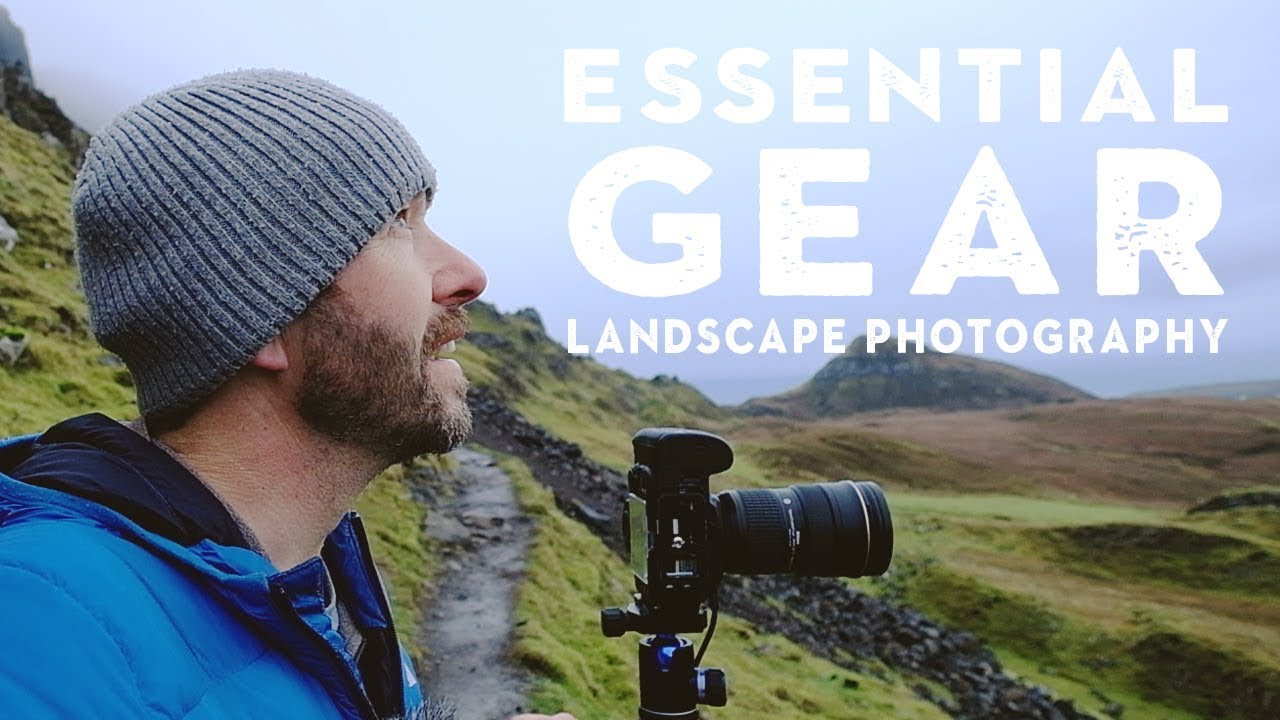
There’s a version of me from about fifteen years ago who would have spent three times as much money on gear if someone had just handed me a clear, honest list. Not a sponsored roundup. Not a spec sheet. An actual working photographer saying: here’s what I carry, here’s why it earns its weight, and here’s what changed the way I shoot. That’s exactly what Nigel Danson delivers in his breakdown of his landscape photography kit, filmed on the road to Skye and Glencoe.

The Vision Gap: Why Your Camera Sees Differently Than You Do

The Vision Gap: Why Your Camera Sees Differently Than You Do

The Vision Gap: Why Your Camera Sees Differently Than You Do I’ve stood at countless overlooks where the scene before me seemed absolutely perfect—a burnt orange sky melting into deep purple shadows across a canyon floor, the kind of light that makes you forget to breathe. So naturally, I raise my camera, frame the shot carefully, and press the shutter with complete confidence. Then I look at the back of my screen and feel that familiar sinking feeling: either the sky has blown out to pure white, or the canyon walls have collapsed into featureless black.

Why Your Landscape Photos Aren't Sharp (And the Three Field Fixes That Actually Work)

Why Your Landscape Photos Aren't Sharp (And the Three Field Fixes That Actually Work)

Sharpness problems are humbling. You drive to a location before dawn, you nail the composition, the light cooperates, and then you get home and pixel-peep your way into disappointment. I’ve been shooting landscapes full-time for two decades and I still have sessions where I pull images off the card and wonder what went wrong. It’s rarely focus. It’s rarely the lens. It’s almost always something I did, or didn’t do, in the field.

Why the Best Mountain Light Lasts Three Minutes (And How to Be Ready When It Hits)

Why the Best Mountain Light Lasts Three Minutes (And How to Be Ready When It Hits)

I had been watching that ridgeline for two hours before anything happened. My thermos was empty, my fingers were stiff inside my gloves, and the alpenglow I had driven four hours to catch was looking like a no-show. Then, in about the time it takes to pour a cup of coffee, the clouds parted, the light hit the snow, and the whole face of the mountain turned a color I can only describe as burning copper.

What Landscape Photographers Get Wrong When They Add a Human Element (And How to Fix It Fast)

What Landscape Photographers Get Wrong When They Add a Human Element (And How to Fix It Fast)

Most of my working life is spent without a person in the frame. The mountain, the river, the pre-dawn sky — that’s my subject, and I’ve spent twenty years learning how to read those things. But landscapes with a human figure are some of my best-selling prints, and workshops I run in central Oregon almost always include a session where participants photograph each other in the field. That’s where I started noticing a consistent problem: photographers who can perfectly compose a ridgeline have no idea what to do the moment a person walks into the shot.

The Art of Landscape Composition: Creating Depth in Wild Places

The Art of Landscape Composition: Creating Depth in Wild Places

The Art of Landscape Composition: Creating Depth in Wild Places I’ve stood in front of countless breathtaking vistas—jagged peaks piercing morning fog, golden light flooding across endless prairies, storms gathering over distant ridges. Yet some of my best photographs come not from the most dramatic locations, but from understanding how to arrange what I see into a cohesive image. Composition is the difference between documenting a beautiful place and creating a photograph that makes someone feel something.

The Hidden Struggles Behind Every Perfect Landscape Shot

The Hidden Struggles Behind Every Perfect Landscape Shot

The Romance vs. Reality of Landscape Photography There’s something almost magical about the image of a solitary photographer standing before a vast landscape at dawn, camera mounted on a sturdy tripod, bathed in golden light. It’s the kind of scene that makes people want to pick up a camera and chase horizons. But I’ve learned through countless mornings in the field that this picturesque moment represents only a fraction of what actually happens on a landscape photography expedition.

The Art of Landscape Composition: Finding Order in Wild Places

The Art of Landscape Composition: Finding Order in Wild Places

The Art of Landscape Composition: Finding Order in Wild Places I’ve stood in countless remote locations—high mountain passes at dawn, coastal cliffs battered by wind, quiet valleys shrouded in mist—and learned that having access to beautiful scenery is only half the battle. The real challenge lies in translating what moves you emotionally into a photograph that moves others the same way. Composition is the language that makes this translation possible. It’s not about rigid rules; it’s about understanding how to arrange visual elements so that viewers’ eyes follow your intended path through the frame.

Finding Balance: The Art of Landscape Composition

Finding Balance: The Art of Landscape Composition

Finding Balance: The Art of Landscape Composition I’ve spent countless mornings standing in damp grass, camera in hand, staring at a vista that moved me deeply—only to review the images later and feel disappointed. The scene was breathtaking in person, but something was missing from the frame. It took me years to understand that what I was struggling with wasn’t technical skill. It was composition. Composition is the invisible architecture of a photograph.

Chasing the Golden Hour: Where Light and Landscape Converge

Chasing the Golden Hour: Where Light and Landscape Converge

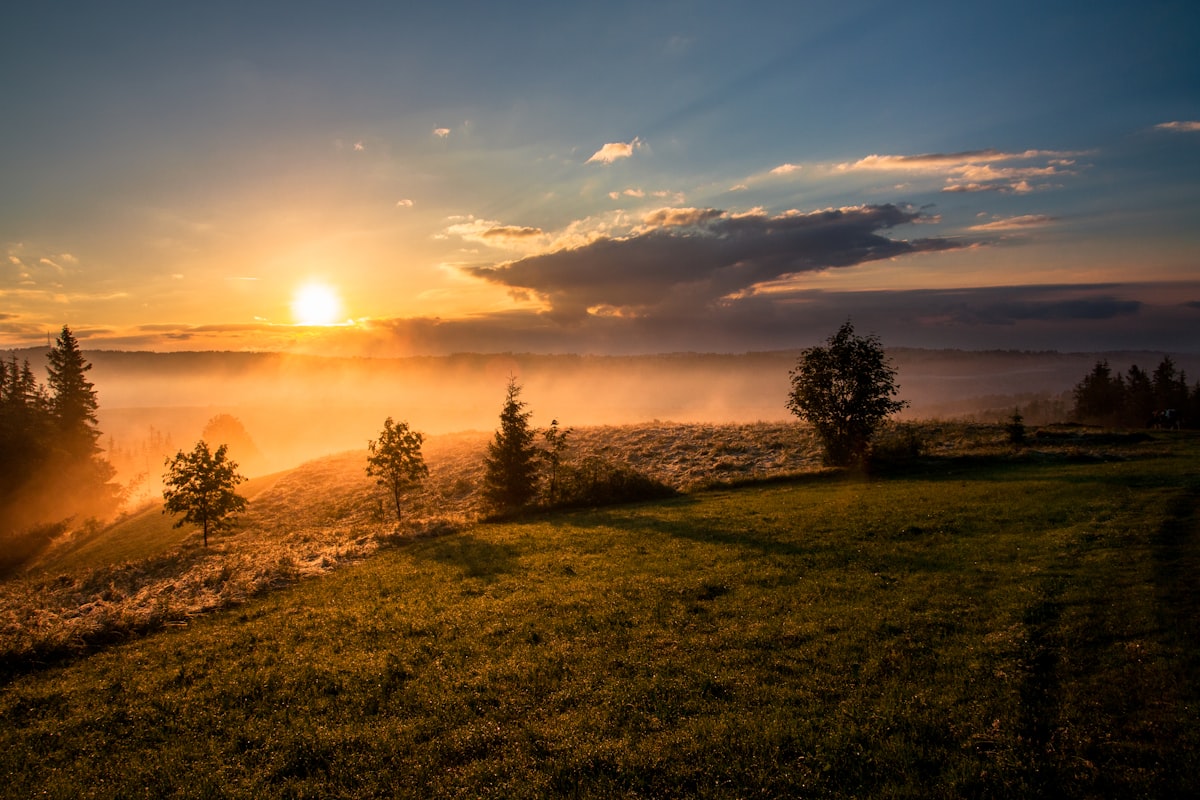
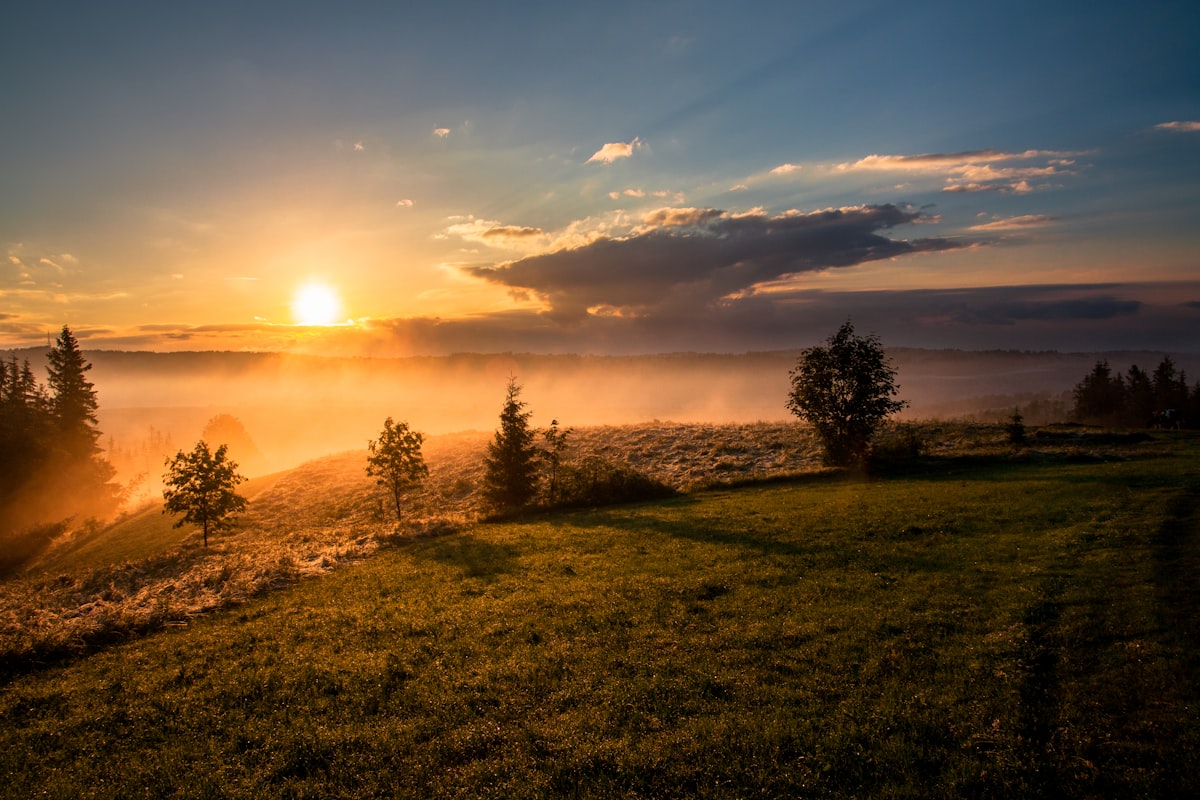
The Moment Before Magic I’ve spent enough mornings standing alone in meadows and enough evenings perched on cliffsides to know that golden hour isn’t really about the clock—it’s about presence. The golden hour arrives when the sun sits low on the horizon, roughly one hour after sunrise or before sunset. But knowing this intellectually and feeling it in the field are two different things entirely. Last spring, I was photographing in the Scottish Highlands when I nearly packed up too early.