The Art of Waterfall Photography: Chasing Light and Motion in Nature's Most Dynamic Landscapes

The Art of Waterfall Photography: Chasing Light and Motion in Nature's Most Dynamic Landscapes

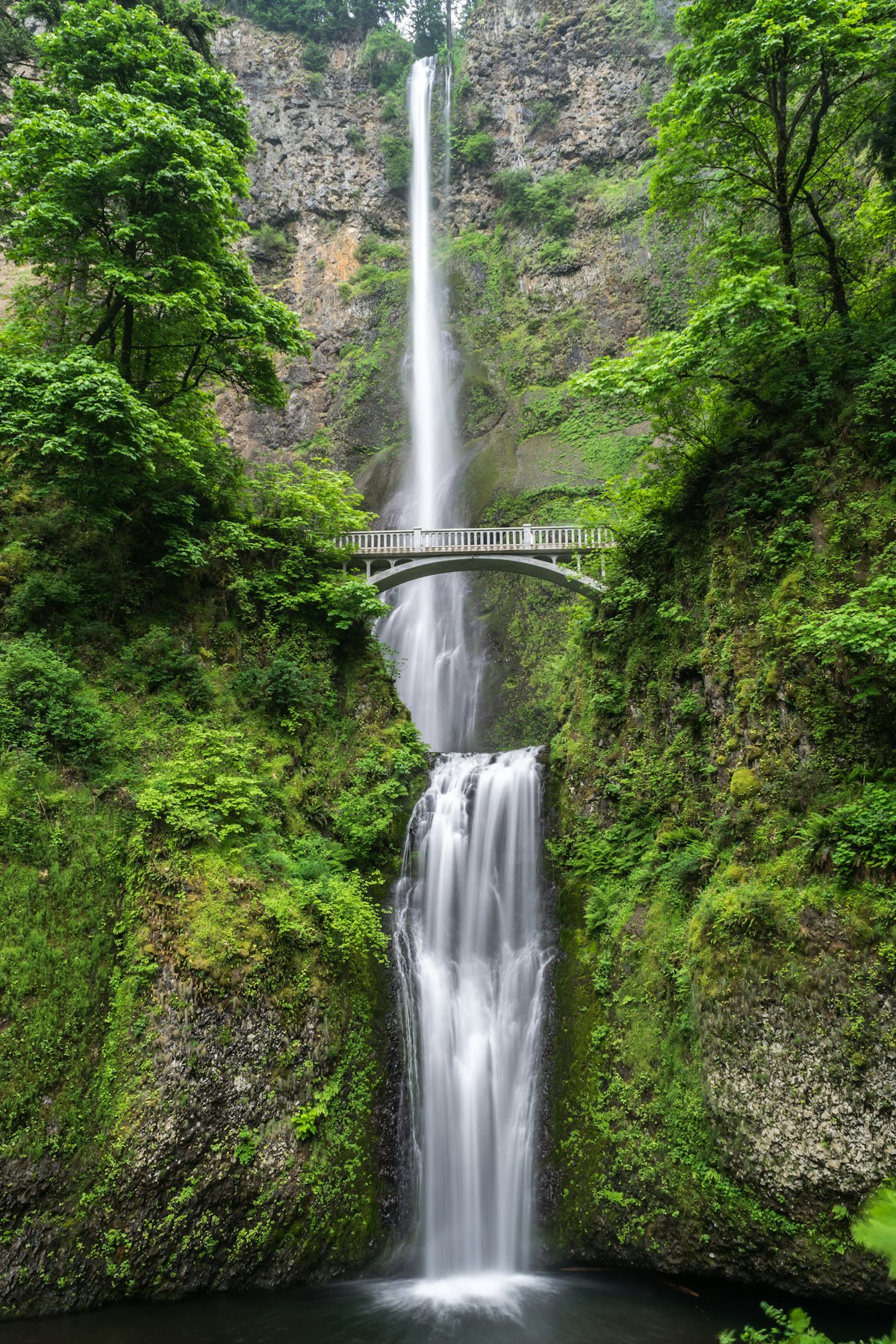
The Art of Waterfall Photography: Chasing Light and Motion in Nature’s Most Dynamic Landscapes There’s a particular stillness I experience standing before a waterfall, tripod anchored into wet stone, waiting for the light to shift. The roar of falling water becomes almost meditative—a constant presence that forces you to slow down, to think deliberately about composition and timing. Waterfall photography isn’t about capturing a single decisive moment like street photography or wildlife work.
The Art of Waterfall Photography: Capturing Motion in Still Frames

The Art of Waterfall Photography: Capturing Motion in Still Frames

The Art of Waterfall Photography: Capturing Motion in Still Frames There’s a particular kind of silence that falls over you when you’re standing before a waterfall at dawn, tripod planted firmly in the riverbed, waiting for the light to shift. The roar of the water fills everything—your ears, your chest, your mind—and yet there’s a quietness to the moment. This is where waterfall photography lives, in that strange intersection between chaos and stillness.

The Art of Waterfall Photography: Capturing Flow and Light

The Art of Waterfall Photography: Capturing Flow and Light

The Art of Waterfall Photography: Capturing Flow and Light There’s a particular magic that happens when water meets rock and light. I discovered this years ago while standing in the mist of a modest cascade in Scotland, camera in hand, completely soaked and utterly mesmerized. Waterfall photography isn’t just about technical settings—it’s about understanding the conversation between water, time, and light. Why Waterfalls Demand Your Attention Waterfalls stop us. They’re dynamic subjects that refuse to hold still, which is precisely why photographing them requires intention.

The Art of Capturing Water in Motion: Mastering Waterfall Photography

The Art of Capturing Water in Motion: Mastering Waterfall Photography

I’ve spent countless mornings standing before waterfalls with water misting my lens, learning through trial and error what separates a flat snapshot from an image that conveys the raw power and grace of moving water. Waterfall photography demands patience, technical precision, and an understanding of how light and motion interact. It’s not complicated, but it does require intention. Understanding Long Exposure The silky, ethereal quality you see in great waterfall images comes from one thing: time.

The Art of Capturing Water in Motion: A Guide to Waterfall Photography

The Art of Capturing Water in Motion: A Guide to Waterfall Photography

There’s a particular silence that settles over me when I’m standing before a waterfall with my camera ready. It’s not the absence of sound—the water roars around me—but rather a quieting of everything else. The world narrows to the cascade before me, and I’m left with a single question: how do I translate this feeling into an image? Waterfall photography has taught me that success lies not in chasing the most dramatic falls, but in understanding how water moves and how to render that movement intentionally.

Photographing Waterfalls: Settings, Gear, and Techniques

Photographing Waterfalls: Settings, Gear, and Techniques

Waterfalls are among the most popular subjects in landscape photography, and for good reason. They combine motion, sound, and the interplay of light and water into a subject that rewards careful technique. Here is how I approach them. Essential Gear Tripod. This is non-negotiable. You are working with slow shutter speeds, and handheld shooting produces unusable blur. A sturdy tripod with spiked feet handles wet rocks and uneven terrain better than one with rubber tips.

Long Exposure Photography: A Complete Guide to Silky Water and Cloud Trails

Long Exposure Photography: A Complete Guide to Silky Water and Cloud Trails

Long exposure photography transforms moving elements into something the eye cannot ordinarily see. Flowing water turns to silk. Clouds streak across the frame in dramatic arcs. The technique is straightforward once you understand the variables involved. The Fundamentals A long exposure is any shot where the shutter stays open long enough for moving elements to blur while stationary elements remain sharp. For landscape work, this typically means exposures between 1 second and several minutes.

How to Photograph the Milky Way: A Complete Guide for Landscape Photographers

How to Photograph the Milky Way: A Complete Guide for Landscape Photographers

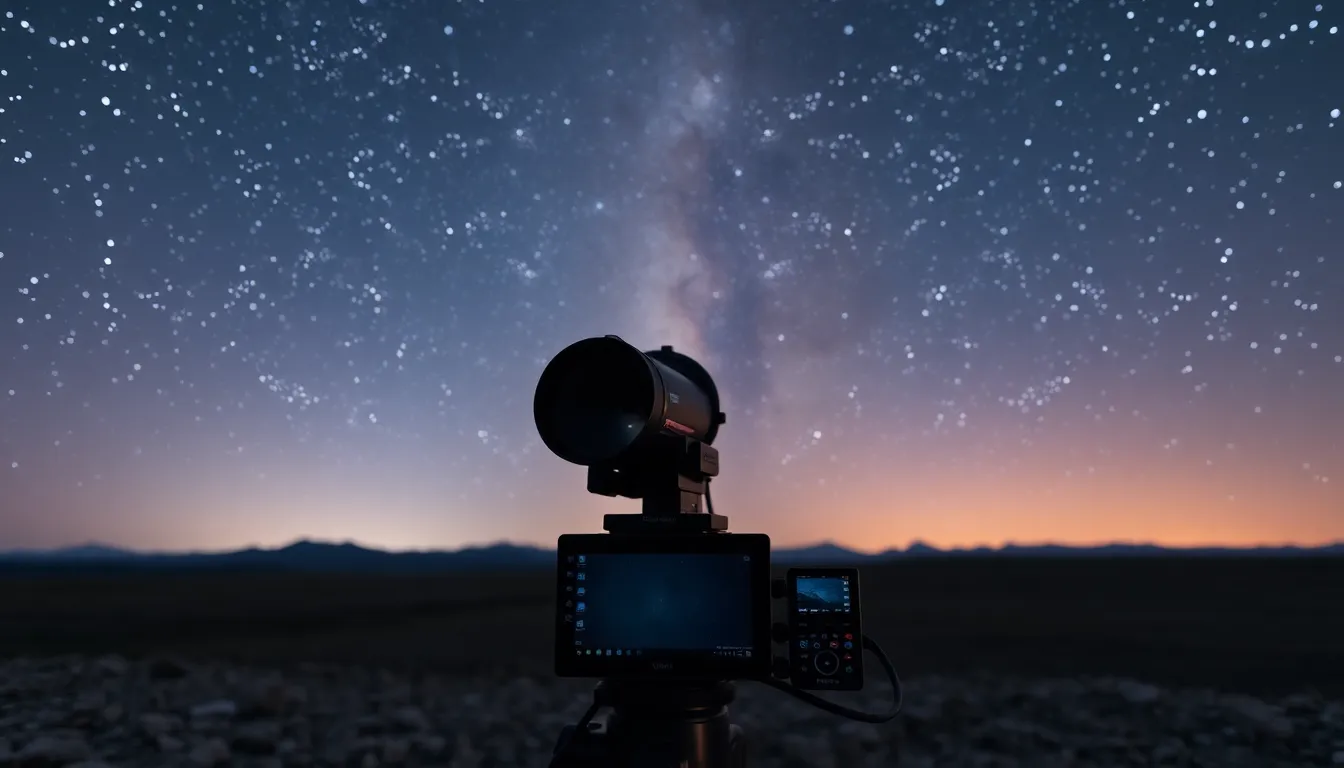
How to Photograph the Milky Way: A Complete Guide for Landscape Photographers There’s a moment that arrives around midnight when you’re standing alone in the darkness, your eyes finally adjusted to the starlight above, when the Milky Way reveals itself in all its glory. The first time I witnessed this—really witnessed it—was in the high desert of Utah, where the light pollution felt like a distant memory and the galaxy stretched across the entire sky like spilled milk.

Chasing Stars: The Art and Science of Night Sky Photography

Chasing Stars: The Art and Science of Night Sky Photography

The Call of Darkness There’s a moment just after twilight fades when the landscape disappears entirely, and you’re left standing in absolute darkness with nothing but your camera and the weight of the universe above. That’s when night sky photography truly begins. I’ve spent countless nights perched on remote hillsides and desert flats, watching the Milky Way emerge as my eyes adjusted and the light pollution fell away. It’s a humbling experience—one that demands patience, preparation, and a willingness to embrace the unknown.

Capturing the Soul of Moving Water: A Waterfall Photography Guide

Capturing the Soul of Moving Water: A Waterfall Photography Guide

Capturing the Soul of Moving Water: A Waterfall Photography Guide There’s something about standing before a waterfall that humbles you. The raw power of water cascading down stone, the mist rising up to meet your face, the sound that drowns out everything else—it draws photographers back again and again. Yet capturing that feeling in a still image remains one of the most rewarding challenges in landscape photography. I’ve spent countless hours at waterfalls, learning through trial and error what works and what doesn’t.