Less Is More: How a Minimal Editing Approach Finally Made My Landscape Photos Look Like Myself

Less Is More: How a Minimal Editing Approach Finally Made My Landscape Photos Look Like Myself

I’ve been waking up before dawn for twenty years, dragging gear up ridgelines and wading into cold rivers while most people are still asleep. The photography part has always felt natural. The editing part, for a long time, did not. My hard drive used to be a graveyard of presets, third-party plugins, and luminosity masking panels I’d convinced myself I needed. Every new tool promised to unlock something. Mostly they just added noise to my workflow and a kind of inconsistency I couldn’t shake, where one image would look one way and the next would look completely different, even from the same morning light.
How to Unlock Hidden Color and Drama in iPhone RAW Landscape Photos with Lightroom

How to Unlock Hidden Color and Drama in iPhone RAW Landscape Photos with Lightroom

I’ll be honest with you. For a long time I was dismissive of iPhone landscape photography. Twenty years of hauling full-frame gear up ridgelines in the dark will do that to you. But something shifted when I started really paying attention to what modern RAW processing could pull from these phone sensors. The files are not what they were five years ago, and neither are the editing possibilities sitting inside them.

How I Use Camera Raw to Rescue Underexposed Landscape RAWs (A Step-by-Step Breakdown)

How I Use Camera Raw to Rescue Underexposed Landscape RAWs (A Step-by-Step Breakdown)

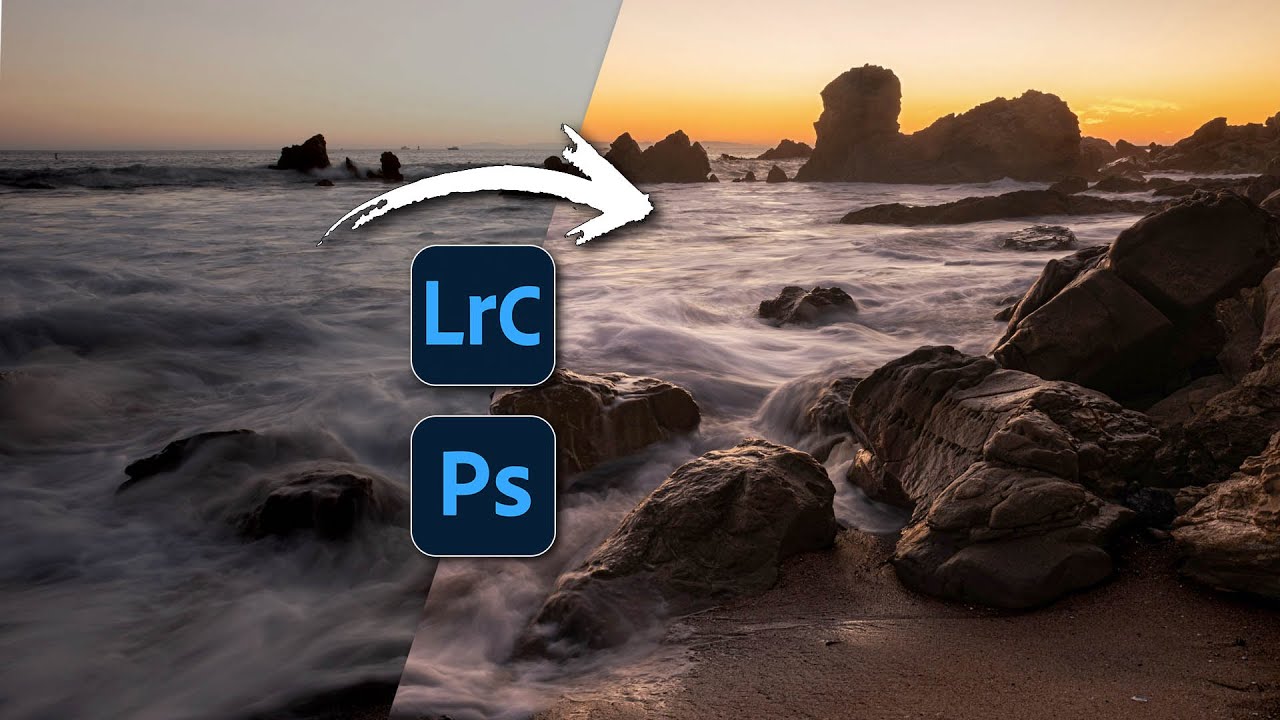
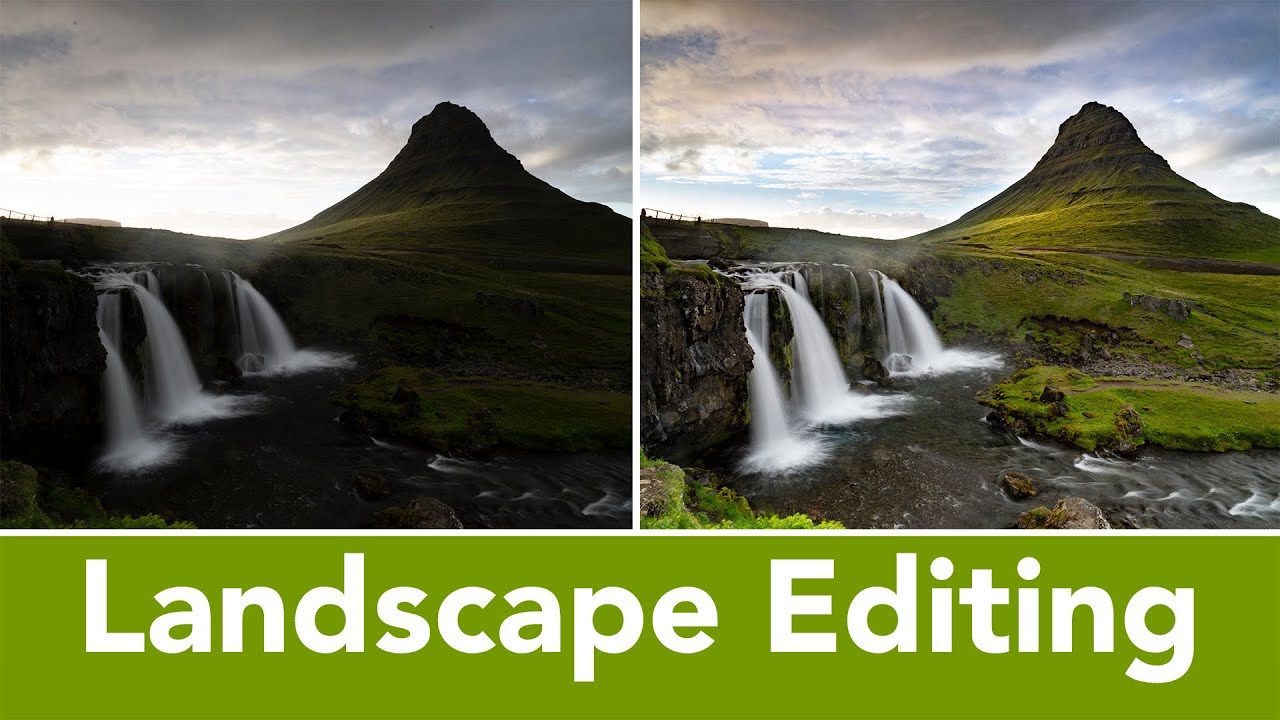
There’s a specific kind of RAW file that sits in every landscape photographer’s catalog. It’s the one that looks nearly unusable on first glance - deeply shadowed, murky in the midtones, shot that way on purpose because the sky was on the edge of blowing out and you had no choice. I have hundreds of them. For years I treated files like that as near-losses, something to fix with a shrug and a heavy hand on the exposure slider.

How to Edit a High-Contrast Landscape Photo from Raw to Finished: A Full Walkthrough

How to Edit a High-Contrast Landscape Photo from Raw to Finished: A Full Walkthrough

There’s a specific kind of frustration that comes from standing in front of a scene that stops your breath, making the exposure, and then opening the raw file later to find something flat and unconvincing. The sky is blown. The foreground is a mudhole. The horizon tilts just enough to bother you. After twenty years of doing this, I still run into it constantly, especially with wide-angle shots taken in high-contrast morning light.

Stop Undoing Your Field Work: A Landscape Photographer's Guide to Smarter Raw Editing

Stop Undoing Your Field Work: A Landscape Photographer's Guide to Smarter Raw Editing

There is a particular kind of defeat that every landscape photographer knows. You wake before the alarm, drive out in the dark, stand in cold water or on a frozen ridge, and you wait. The light does something extraordinary. You feel it in your chest. You drive home believing you’ve got something real. Then you open the raw file and it looks flat, murky, or blown out, and you start pushing sliders around hoping something sticks.

Light as a Leash: How to Edit Landscape Photos That Guide the Eye

Light as a Leash: How to Edit Landscape Photos That Guide the Eye

There’s a moment every photographer hits, usually sometime in the second year, where the gear starts feeling comfortable and then the bottom drops out. You’ve got good RAW files sitting on your hard drive and no real idea what to do with them. I remember that feeling clearly, even after two decades of doing this professionally. The technical side of post-processing has a way of looking far more complicated than it actually is.