Sharp Front to Back: A Working Photographer's Guide to Focus Placement in Landscape Photography

Sharp Front to Back: A Working Photographer's Guide to Focus Placement in Landscape Photography

There’s a particular kind of frustration that comes from arriving at a location before first light, setting up carefully, waiting for the moment, and then getting home to find your foreground is a soft, blurry mess. I’ve done it more times than I’d like to admit, usually because I was rushing the focus step, assuming the camera would sort it out, or not thinking carefully enough about where in the scene I was actually locking focus.
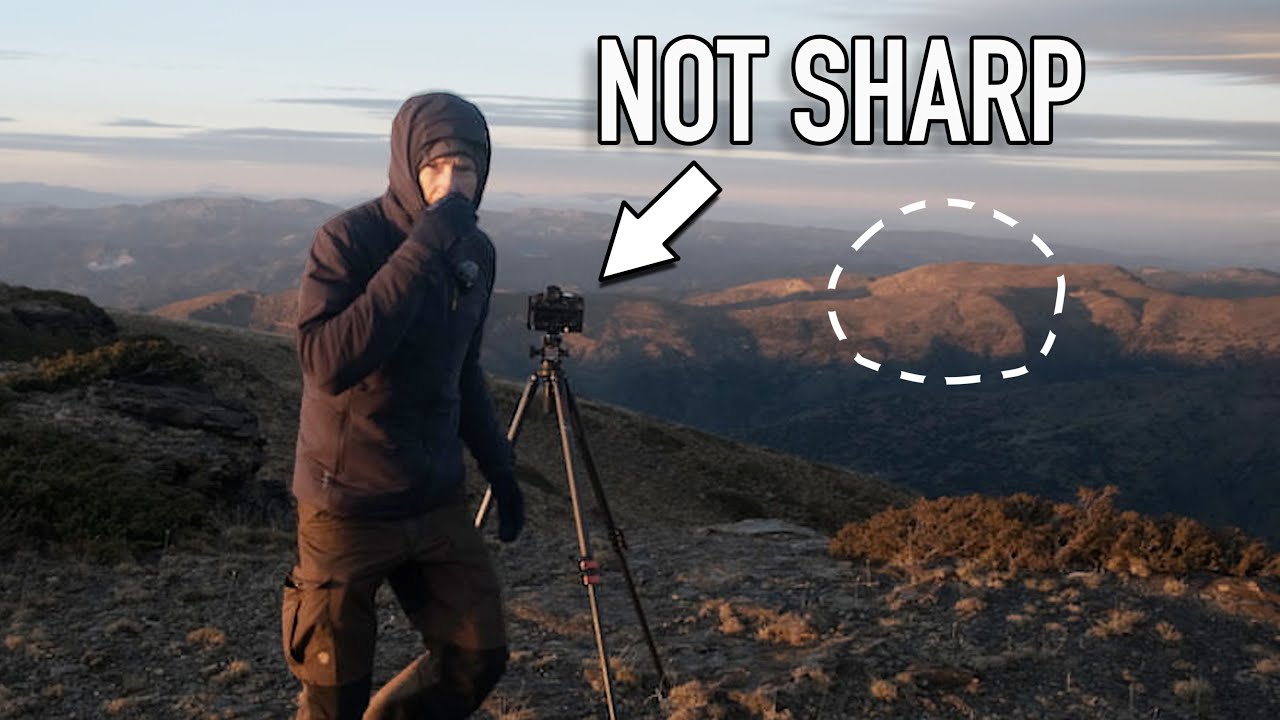

Why Your Landscape Images Aren't Sharp (And What to Actually Do About It)

Why Your Landscape Images Aren't Sharp (And What to Actually Do About It)

Sharpness has humbled me more times than I care to admit. Twenty years into this work, I still occasionally pull up an image on the big monitor back in my studio in Bend and feel that sinking recognition — soft edges, a slightly missed focus point, motion blur I didn’t notice in the field because I was too excited about the light. It’s one of those problems that doesn’t announce itself until it’s too late, and by then the golden hour is gone and you’re driving home with a card full of near-misses.

Four Reasons Your Landscape Shots Aren't Sharp (And How to Fix Every One)

Four Reasons Your Landscape Shots Aren't Sharp (And How to Fix Every One)

There’s a particular kind of frustration that comes from hiking two miles before sunrise, nailing the light, composing exactly what you envisioned, and then pulling the image up on your monitor to find it soft. Not blurry in an obvious way. Just… not sharp. After twenty years of doing this for a living, I still think that’s one of the most deflating moments in photography. The variables are stacked: shutter speed, aperture, ISO, focus distance.

Why Your Landscape Photos Aren't Sharp (And the Three Field Fixes That Actually Work)

Why Your Landscape Photos Aren't Sharp (And the Three Field Fixes That Actually Work)

Sharpness problems are humbling. You drive to a location before dawn, you nail the composition, the light cooperates, and then you get home and pixel-peep your way into disappointment. I’ve been shooting landscapes full-time for two decades and I still have sessions where I pull images off the card and wonder what went wrong. It’s rarely focus. It’s rarely the lens. It’s almost always something I did, or didn’t do, in the field.

Five Focus Stacking Mistakes That Are Quietly Killing Your Sharpness

Five Focus Stacking Mistakes That Are Quietly Killing Your Sharpness

There’s a particular kind of frustration that comes from doing everything right on location, hauling gear to a pre-dawn ridgeline, nailing your composition, getting home, and watching Photoshop turn your carefully captured focus stack into a blurry, misaligned mess. I’ve been shooting landscapes full-time for two decades now, and focus stacking is one of those techniques that looks deceptively simple until it quietly betrays you at the worst possible moment. It took me longer than I’d like to admit to figure out that the problem wasn’t the blending software.

Understanding Hyperfocal Distance for Razor-Sharp Landscapes

Understanding Hyperfocal Distance for Razor-Sharp Landscapes

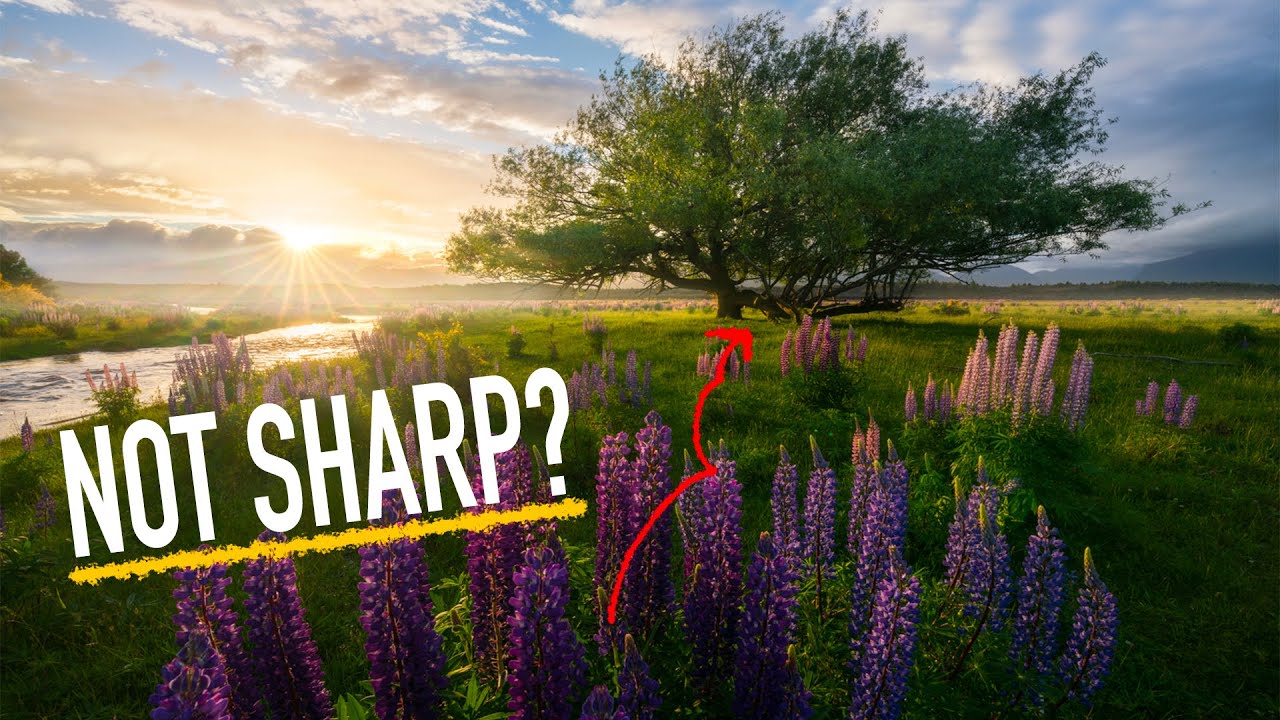
Front-to-back sharpness is one of the defining characteristics of strong landscape photography. Achieving it consistently requires understanding hyperfocal distance, a concept that sounds more complicated than it actually is. What Hyperfocal Distance Means The hyperfocal distance is the focus point that maximizes your depth of field for a given aperture and focal length. When you focus at the hyperfocal distance, everything from half that distance to infinity falls within acceptable sharpness.

Focus Stacking for Landscape Photography

Focus Stacking for Landscape Photography

Landscape photography demands sharpness from foreground to horizon. A single exposure at f/16 or f/22 gets close, but diffraction softens the image at small apertures, and some scenes have foreground elements so close that even f/22 can’t hold everything sharp. Focus stacking solves this by merging multiple exposures focused at different distances. When You Need Focus Stacking Not every landscape requires stacking. If your nearest foreground element is 10 feet away and you’re shooting at f/11 on a full-frame camera, depth of field covers the entire scene.