Stop Wandering and Start Seeing: 5 Ways to Find Foreground Interest in Landscape Photography

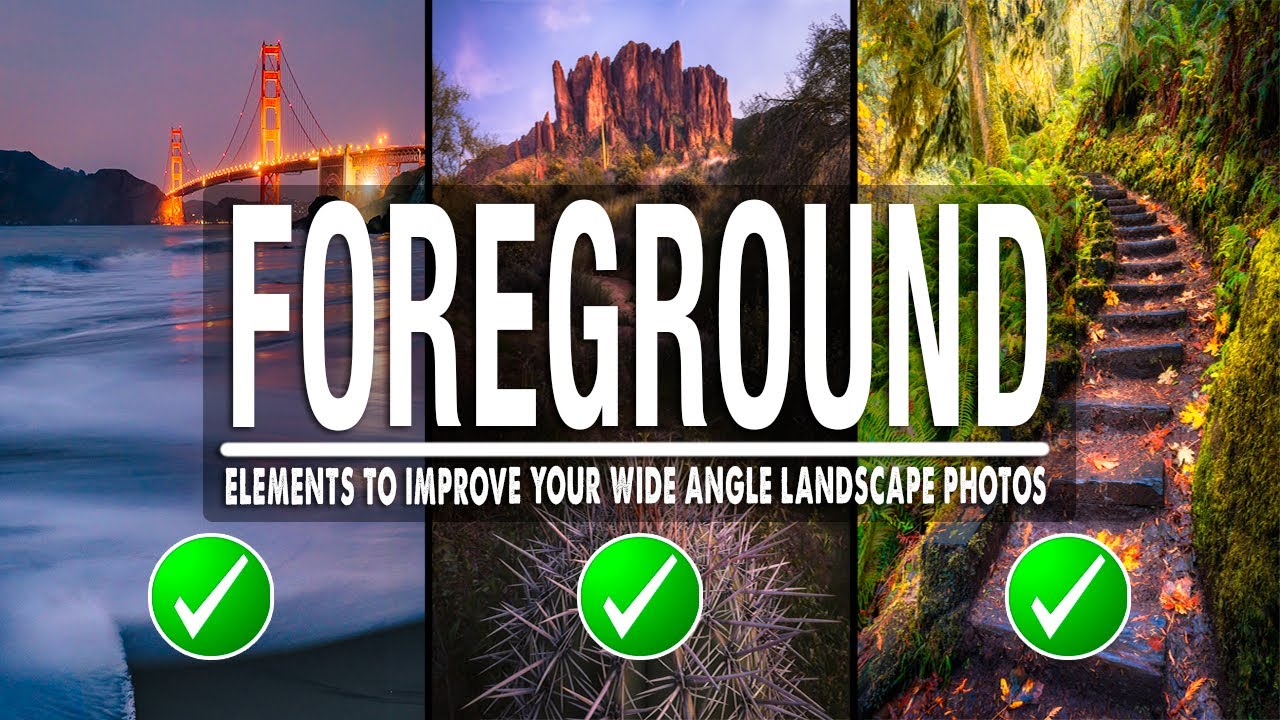
Stop Wandering and Start Seeing: 5 Ways to Find Foreground Interest in Landscape Photography

For years, I did what most landscape photographers do when they know they need a foreground but can’t find one: I wandered. Head down, shuffling around in the pre-dawn dark, increasingly frustrated, increasingly aware that the light was getting better while my position was getting worse. I knew the rule. Put something in the foreground. What nobody ever explained to me clearly was how to actually find that something, and how to recognize it when it was right under my boots.
How to Actually Use a Wide-Angle Lens in Landscape Photography (Without Losing the Plot)

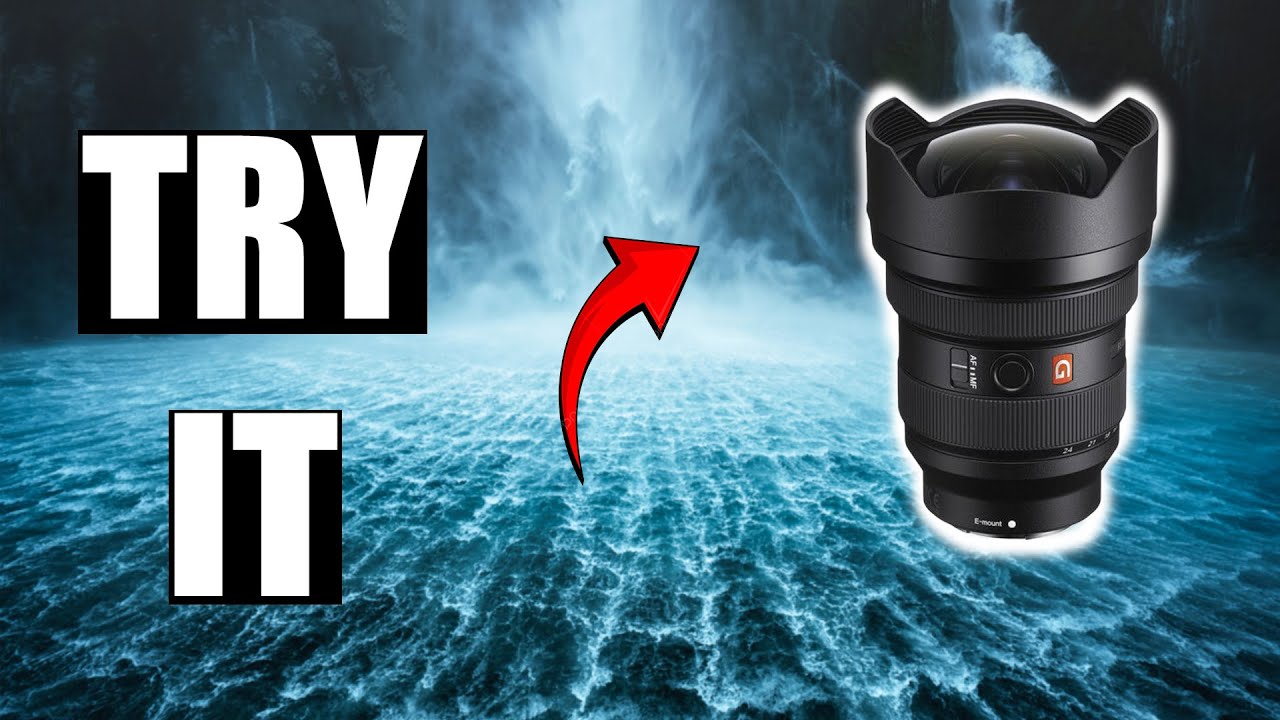
How to Actually Use a Wide-Angle Lens in Landscape Photography (Without Losing the Plot)

I’ve shot with a 16-35mm lens long enough that it feels like an extension of how I see. A good chunk of my portfolio — probably more than I’d like to admit — came from that one piece of glass. But here’s the thing nobody tells you early on: a wide-angle lens doesn’t automatically make a better landscape photograph. It just makes a bigger one. And bigger, without intention, is usually just messier.

What Fiordland Teaches You About Finding a Frame (And Why I Keep Coming Back to These Lessons)

What Fiordland Teaches You About Finding a Frame (And Why I Keep Coming Back to These Lessons)

There’s a particular kind of location that makes you feel like you’re cheating. Somewhere so visually loaded that you almost don’t deserve the shot. New Zealand’s Fiordland is that place for a lot of us, and I’ve spent enough time chasing similar terrain in the Pacific Northwest to know that raw beauty is actually the hardest thing to work with. Too many options will freeze you. The mountain is stunning but the foreground is a mess.

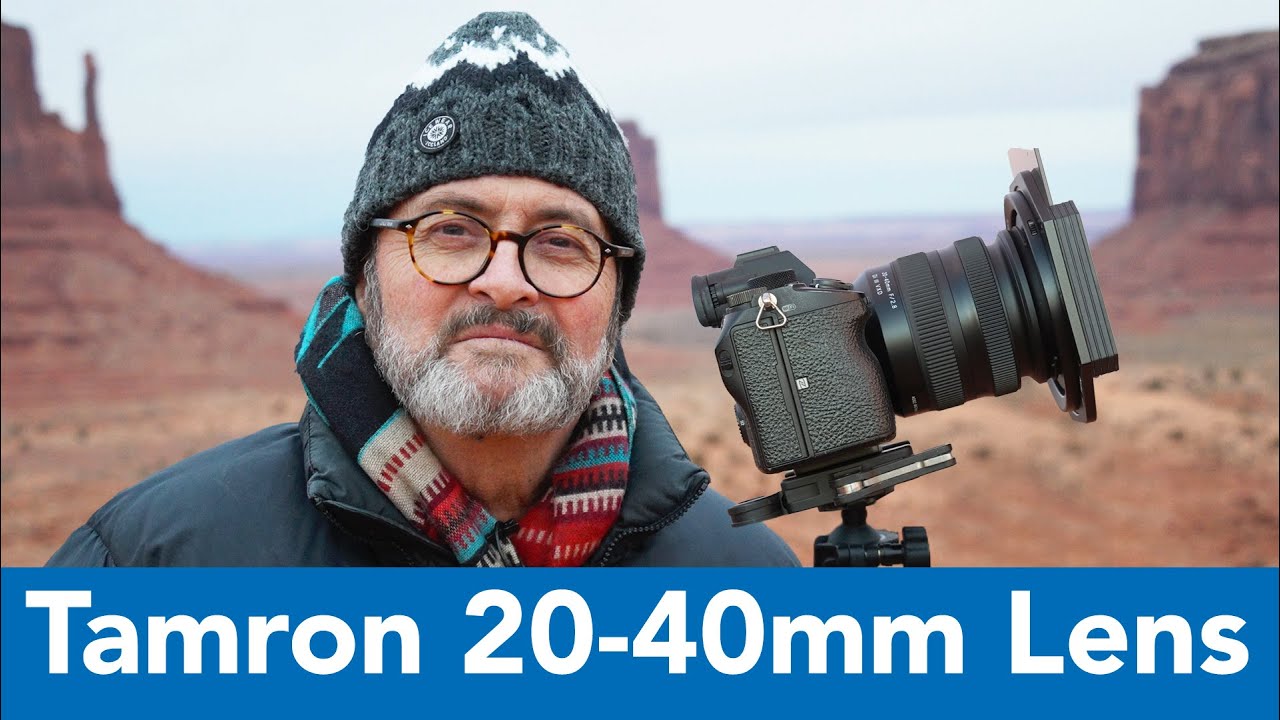
The 20-40mm Lens I Didn't Know I Needed: A Field Breakdown for Landscape Photographers

The 20-40mm Lens I Didn't Know I Needed: A Field Breakdown for Landscape Photographers

There’s a specific kind of frustration I know well: standing at the edge of a vast landscape at first light, knowing that my 24-70mm is just a touch too long at the wide end to pull everything in, but also knowing I’d left my 16-35mm at home because I didn’t want to carry two zoom lenses up a trail in the dark. Gear decisions made the night before always feel different at 4am when the light is doing something extraordinary and you’re one focal length short.

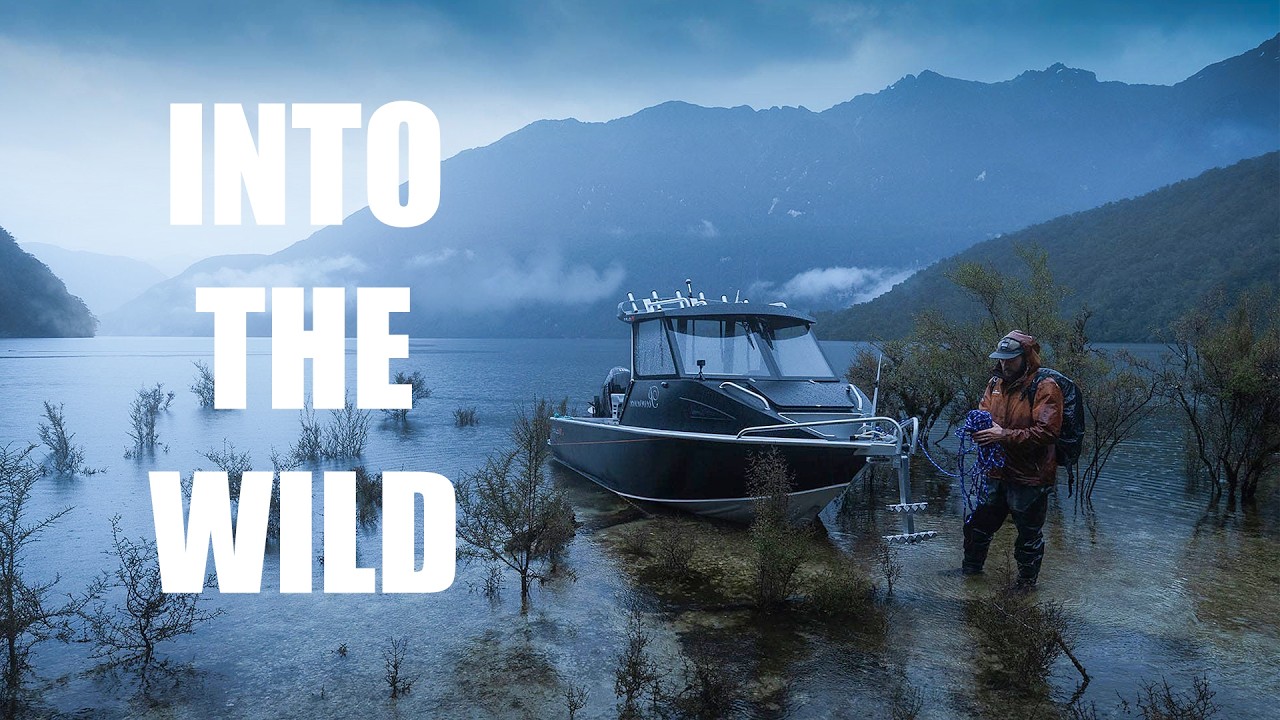
Reading the Wild: What William Patino's New Zealand Creek Walk Taught Me About Working an Unfamiliar Scene

Reading the Wild: What William Patino's New Zealand Creek Walk Taught Me About Working an Unfamiliar Scene

There’s a particular kind of anxiety that hits when you arrive at a location you’ve never scouted and the light is already moving. You’re standing in front of something genuinely beautiful, and instead of working methodically, you freeze or lunge at the obvious shot right in front of your boots. I’ve been photographing landscapes for twenty years and I still catch myself doing it. It’s the reason I keep returning to tutorials from photographers who think out loud on camera, because watching someone else’s decision-making process is one of the fastest ways to debug your own.