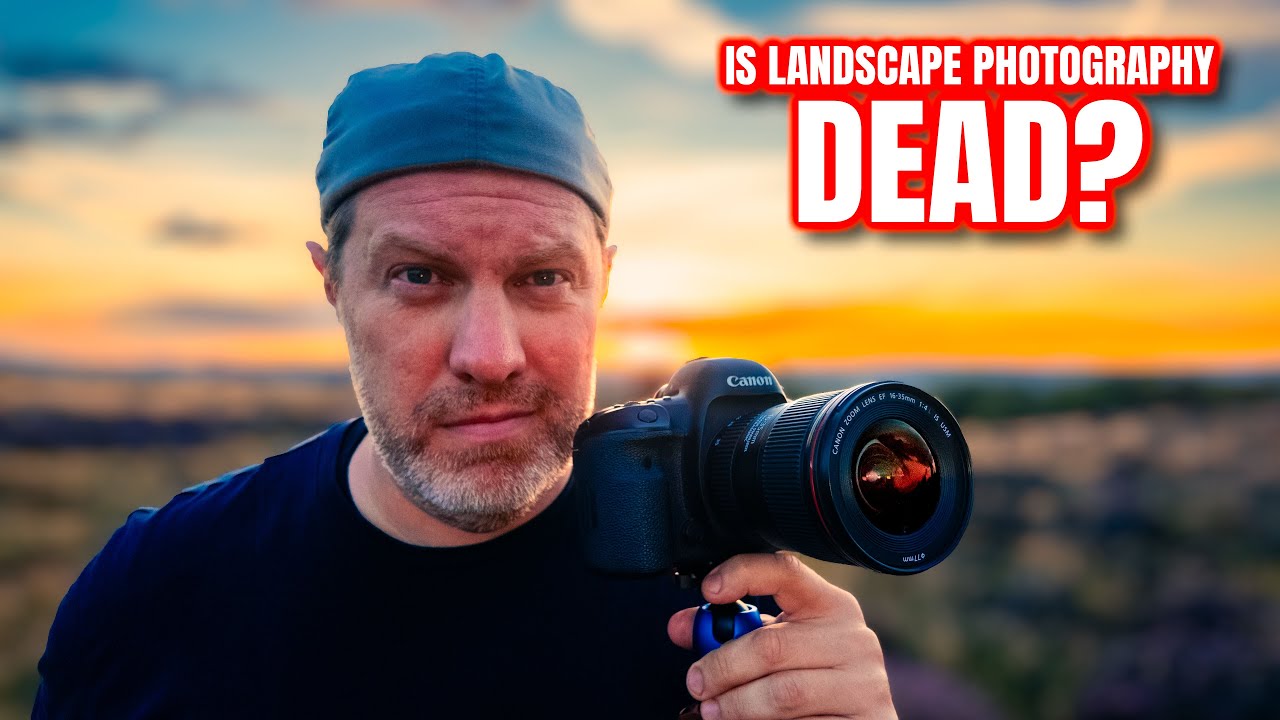
There’s a particular kind of loneliness that hits when you’re the only person on a ridge at golden hour. Not the good kind, the meditative solitude that drew most of us to this craft in the first place. The bad kind. The kind where you start wondering if everyone else quietly moved on and forgot to tell you. I’ve had that feeling more than once in the past couple of years, and I know I’m not alone in it, because the messages I get from fellow photographers say the same thing: people are putting down their cameras, selling their gear, walking away. So when I came across this First Man Photography tutorial, Watch the full tutorial on YouTube, I sat with it for a while. Because the creator does something I wish more photographers would do when doubt creeps in: he stops asking how it feels and starts asking what the numbers actually say.
I’ve been shooting landscapes full-time for two decades now. Prints, workshops, long mornings in the dark before anyone else is awake. The craft itself has never felt more alive to me personally. But the ecosystem around it, the community, the online audience, the broader conversation, that has shifted in ways that are hard to ignore. What this tutorial gave me was a framework for separating the feeling from the fact, and that distinction turns out to matter enormously.
Step 1: Acknowledge the Creative Slump Without Letting It Lie to You
 Photographer walking through heather in the Peak District at golden light
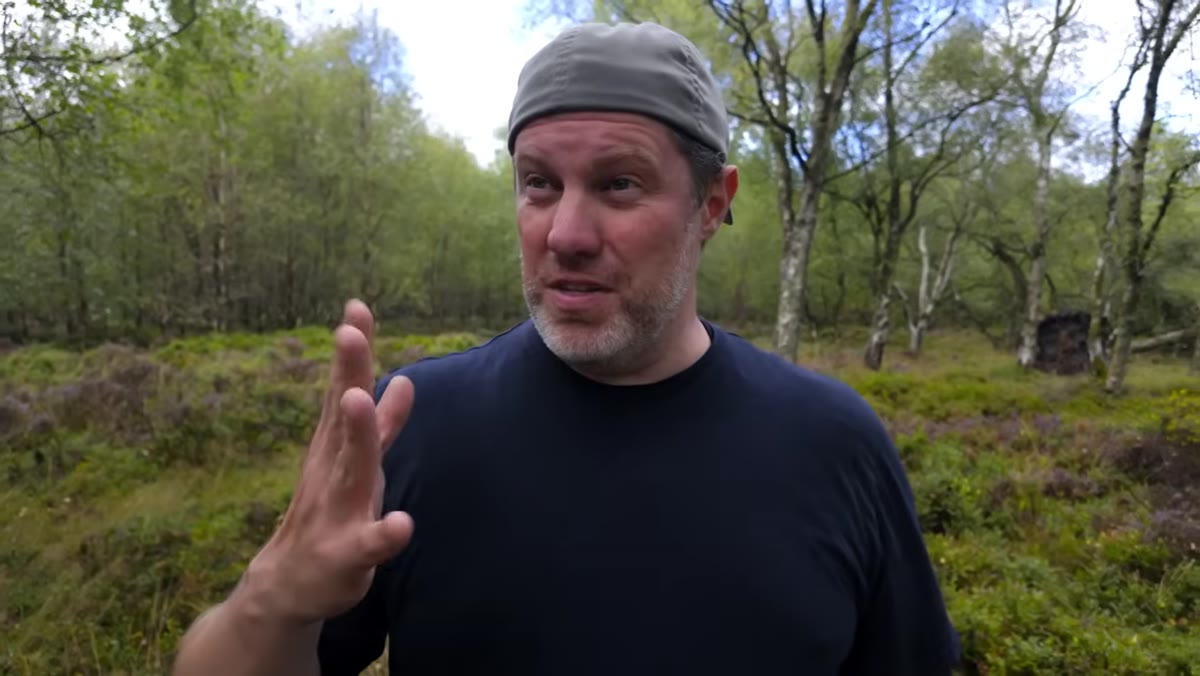
The first thing the video does, quietly but deliberately, is locate the question inside a personal creative rut. The creator had been stuck, creatively flat, and in that state started looking around for inspiration and found what felt like a ghost town. This is a crucial starting point, because creative blocks have a way of distorting your perception of reality. When I’m in one, every other photographer seems to be producing brilliant work except me, every location feels overshot, and the whole genre feels exhausted. None of that is reliable information. A slump is a weather system, not a climate report. The practical move here is to name it clearly: “I am in a block, and my block is not a data source.”
Photographer walking through heather in the Peak District at golden light
The first thing the video does, quietly but deliberately, is locate the question inside a personal creative rut. The creator had been stuck, creatively flat, and in that state started looking around for inspiration and found what felt like a ghost town. This is a crucial starting point, because creative blocks have a way of distorting your perception of reality. When I’m in one, every other photographer seems to be producing brilliant work except me, every location feels overshot, and the whole genre feels exhausted. None of that is reliable information. A slump is a weather system, not a climate report. The practical move here is to name it clearly: “I am in a block, and my block is not a data source.”
Step 2: Go to Google Trends Before You Trust Your Gut
 Google Trends graph showing decline in “photography” web searches since 2004
Once you’ve separated your feelings from the question, you can actually investigate. The tutorial walks through Google Trends, which is a free tool that shows search volume for any keyword over time, across both web search and YouTube. Type in “photography” and you’ll see a long, steep decline in web searches going back to the mid-2000s. That looks alarming at first. But layer in the YouTube search data and you see a different picture: YouTube interest climbed as web search dropped. People didn’t stop caring about photography. They changed where they looked for it. This is a small but important reframe. Declining blog traffic or forum activity doesn’t mean a dying interest. It often means a migrating one.
Google Trends graph showing decline in “photography” web searches since 2004
Once you’ve separated your feelings from the question, you can actually investigate. The tutorial walks through Google Trends, which is a free tool that shows search volume for any keyword over time, across both web search and YouTube. Type in “photography” and you’ll see a long, steep decline in web searches going back to the mid-2000s. That looks alarming at first. But layer in the YouTube search data and you see a different picture: YouTube interest climbed as web search dropped. People didn’t stop caring about photography. They changed where they looked for it. This is a small but important reframe. Declining blog traffic or forum activity doesn’t mean a dying interest. It often means a migrating one.
Step 3: Narrow the Search Term to Your Actual Niche
 Google Trends results specifically for “landscape photography” keyword
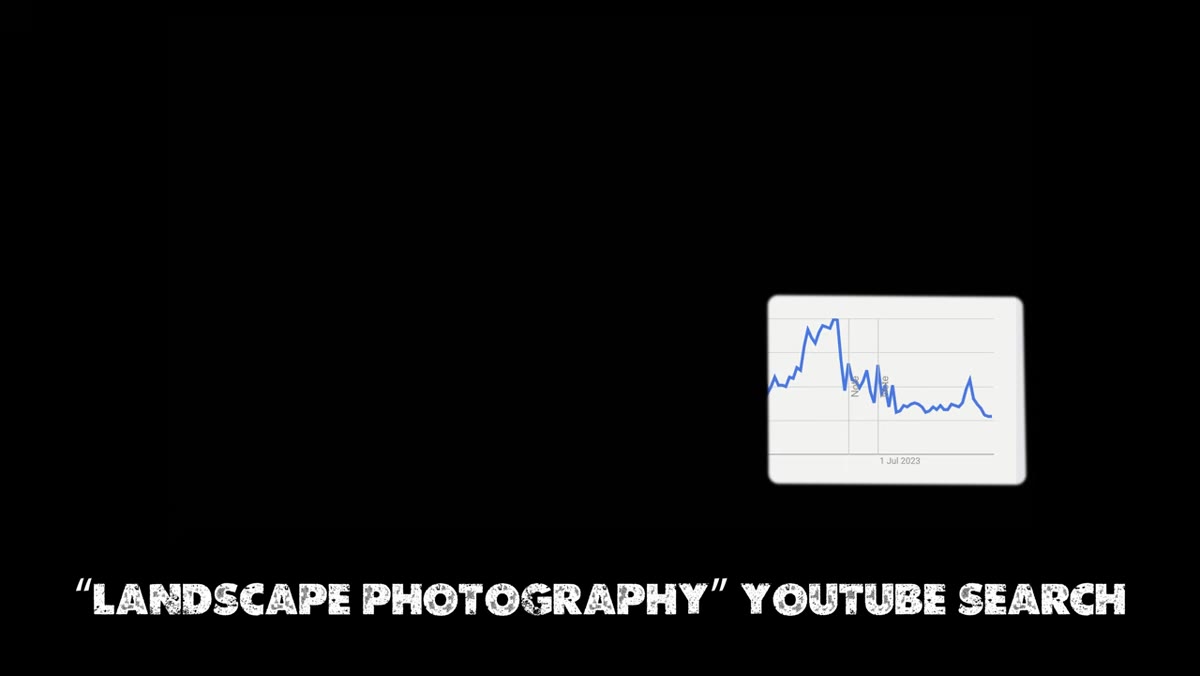
General “photography” is too broad a term to tell you much about your corner of the craft. The tutorial makes a point of drilling down to “landscape photography” specifically, and the trend line tells a more nuanced story. Growth through the mid-2010s, a dip, a recovery, a significant spike during the pandemic lockdowns when people were stuck indoors dreaming about wide open spaces, and then a notable drop afterward. Knowing where you are in that curve changes how you respond to it. If you treat a post-peak correction as a collapse, you’ll make bad decisions, pull back when you should push through, or pivot away from something that still has real momentum.
Google Trends results specifically for “landscape photography” keyword
General “photography” is too broad a term to tell you much about your corner of the craft. The tutorial makes a point of drilling down to “landscape photography” specifically, and the trend line tells a more nuanced story. Growth through the mid-2010s, a dip, a recovery, a significant spike during the pandemic lockdowns when people were stuck indoors dreaming about wide open spaces, and then a notable drop afterward. Knowing where you are in that curve changes how you respond to it. If you treat a post-peak correction as a collapse, you’ll make bad decisions, pull back when you should push through, or pivot away from something that still has real momentum.
Step 4: Cross-Reference with Your Own Analytics
 Creator reviewing his own YouTube channel analytics on screen
The tutorial’s most honest and useful move is when the creator holds his personal channel data up against the Google Trends data to see if they match. They do. His views and revenue tracked almost exactly with the broader trend lines: strong growth through 2017-2018, a lockdown boost, and a decline since. I do the same thing with my workshop bookings and print sales, and the correlation is real. When your personal numbers start dropping, it’s worth asking whether you’re fighting a headwind that the whole industry is facing, or whether there’s something specific to fix in your own work. Those require completely different responses. Analytics don’t give you the answer, but they help you ask the right question.
Creator reviewing his own YouTube channel analytics on screen
The tutorial’s most honest and useful move is when the creator holds his personal channel data up against the Google Trends data to see if they match. They do. His views and revenue tracked almost exactly with the broader trend lines: strong growth through 2017-2018, a lockdown boost, and a decline since. I do the same thing with my workshop bookings and print sales, and the correlation is real. When your personal numbers start dropping, it’s worth asking whether you’re fighting a headwind that the whole industry is facing, or whether there’s something specific to fix in your own work. Those require completely different responses. Analytics don’t give you the answer, but they help you ask the right question.
Step 5: Separate Industry Decline from Craft Decline
 Creator shooting in the Peak District, camera raised to eye level
One data point the tutorial cites is the camera industry itself, which has seen a dramatic contraction in unit sales over the past decade. That’s real, and it reflects genuine changes in consumer behavior. But here’s the distinction that matters: fewer people buying dedicated cameras doesn’t mean fewer people interested in the natural world, in quiet mornings in beautiful places, in making images that mean something. Smartphones absorbed a huge portion of casual photography. What’s left in the dedicated camera space is increasingly people who care deeply about what they’re doing. A smaller, more committed audience is not a dead audience. If anything, it’s a better one to build a practice around.
Creator shooting in the Peak District, camera raised to eye level
One data point the tutorial cites is the camera industry itself, which has seen a dramatic contraction in unit sales over the past decade. That’s real, and it reflects genuine changes in consumer behavior. But here’s the distinction that matters: fewer people buying dedicated cameras doesn’t mean fewer people interested in the natural world, in quiet mornings in beautiful places, in making images that mean something. Smartphones absorbed a huge portion of casual photography. What’s left in the dedicated camera space is increasingly people who care deeply about what they’re doing. A smaller, more committed audience is not a dead audience. If anything, it’s a better one to build a practice around.
Step 6: Let the Field Answer the Question the Data Can’t
 Wide shot of heather-covered hills, rich purples after recent rain
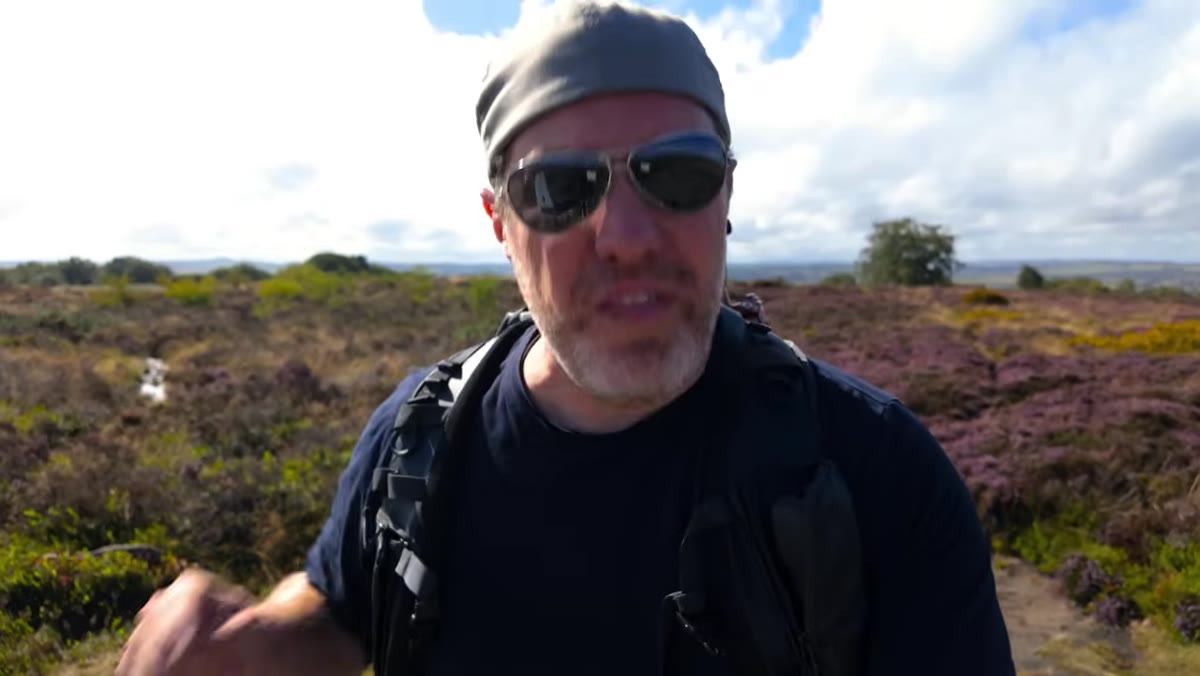
The tutorial ends where it begins: outside, in the landscape, doing the actual work. After all the trend analysis, the creator goes back to shooting, and the energy of the footage makes the argument better than any graph could. The craft is alive when you’re practicing it. I’ve driven through the night to catch a specific light on a specific ridge. I’ve waited two days in fog for a shot that became one of my best-selling prints. None of that had anything to do with search volume. The data is useful for business decisions and for sanity-checking your pessimism. But it was never the reason any of us picked up a camera in the first place.
Wide shot of heather-covered hills, rich purples after recent rain
The tutorial ends where it begins: outside, in the landscape, doing the actual work. After all the trend analysis, the creator goes back to shooting, and the energy of the footage makes the argument better than any graph could. The craft is alive when you’re practicing it. I’ve driven through the night to catch a specific light on a specific ridge. I’ve waited two days in fog for a shot that became one of my best-selling prints. None of that had anything to do with search volume. The data is useful for business decisions and for sanity-checking your pessimism. But it was never the reason any of us picked up a camera in the first place.
What I’d Add From My Own Experience
Trends measure interest from the outside. They don’t measure the quality of what people are making. In my experience, the photographers who’ve stuck with landscape work through every market cycle are the ones who stopped trying to make photography feel commercially justified every single day. They shoot film occasionally because it forces a different kind of deliberateness. They go out even when the forecast is bad, especially when the forecast is bad. They’ve internalized something a mentor told me early on: the mountain doesn’t care about your schedule, so you’d better care about the mountain’s. The photographers who’ve quit weren’t necessarily less talented. They were measuring the wrong things.
The single most important takeaway from this tutorial is that a feeling is not a fact. When the creative well feels dry and the community feels quiet, check the data, separate the trend from the noise, and then go outside with your camera. That’s the whole answer.
Watch the full tutorial on YouTube to see the Google Trends walkthrough in detail and follow along with the Peak District shoot that frames the whole conversation.
Comments
Leave a Comment