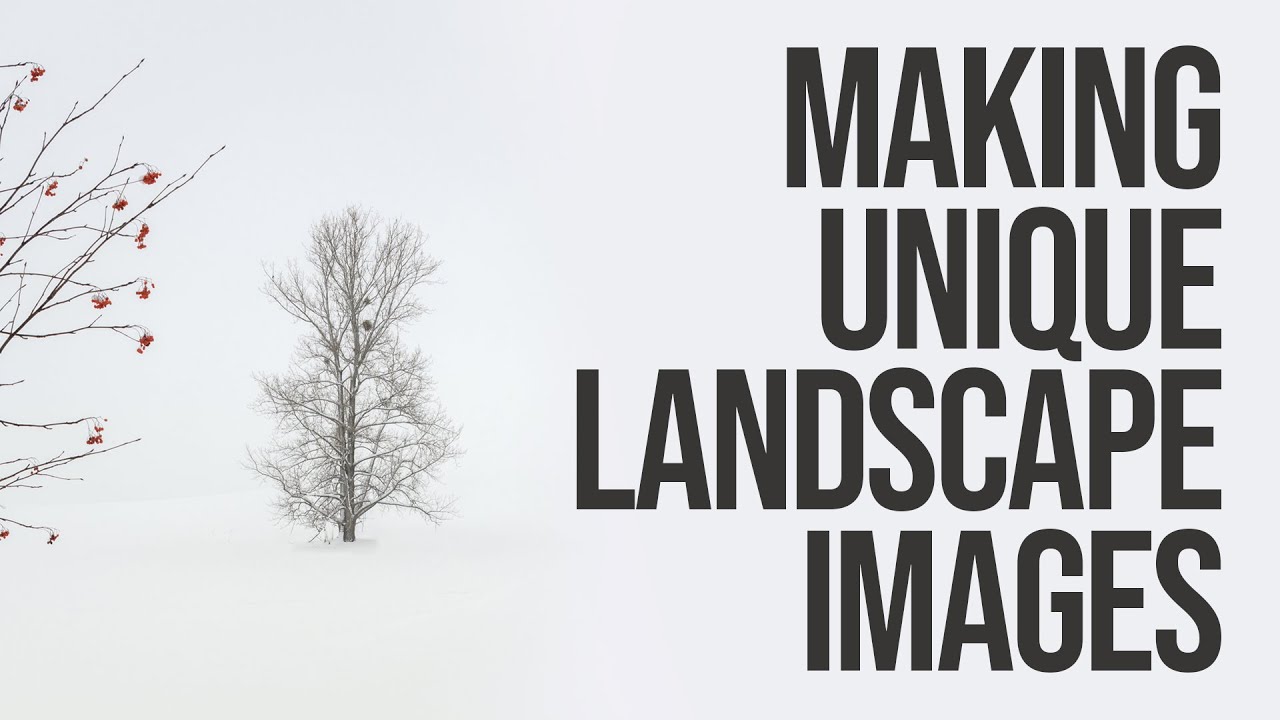
There’s a particular kind of creative rut that’s easy to fall into as a landscape photographer, and I say that as someone who’s been doing this full time for two decades. You drive to a famous location, you set up where everyone else sets up, and you come home with a perfectly competent image that looks almost identical to the top result on a Google image search. The shot is technically fine. It does nothing for you. I’ve been there more times than I’d like to admit, usually somewhere around year three when I thought knowing my gear meant I had a vision.
Watch the full tutorial on YouTube
In this Sean Tucker tutorial filmed on location in New Zealand, Tucker sits down with landscape photographer Richard Young, who lives and works around the staggering scenery of Lake Wanaka. What unfolds is less a technical how-to and more a reorientation of what landscape photography can actually be. Young’s specialty is intimate landscape photography, and his approach addresses something I’ve been working through myself: how to stop trophy hunting the grand vista and start making images that are genuinely yours. The conversation is worth watching in full, but I’ve pulled out the core ideas here in a way you can act on immediately.
Step 1: Recognize the Trophy Hunting Trap
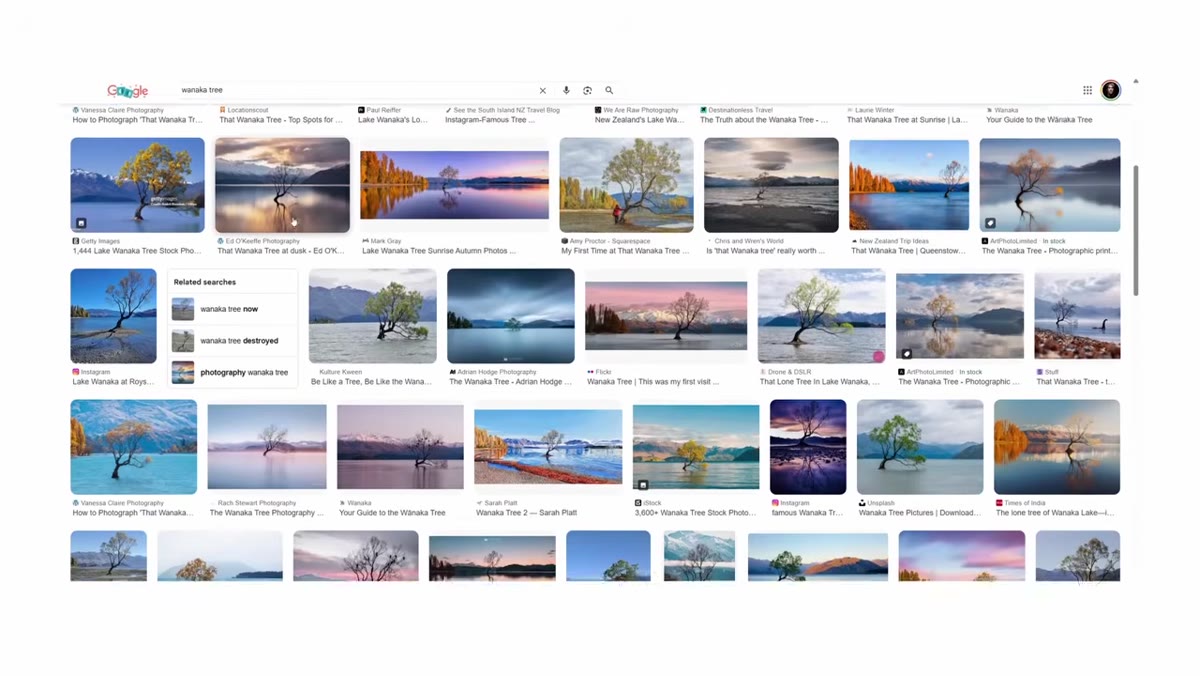 Forest of tripods crowded around the famous Wanaka tree
Tucker opens with a scene that should feel uncomfortably familiar. At the famous Wanaka tree on the shore of Lake Wanaka, Young has watched as many as 80 to 100 photographers gather at dawn, tripods shoulder to shoulder, all waiting to capture the exact same shot. There’s even an orderly queue for selfies. The image everyone leaves with is technically beautiful and almost entirely interchangeable.
Forest of tripods crowded around the famous Wanaka tree
Tucker opens with a scene that should feel uncomfortably familiar. At the famous Wanaka tree on the shore of Lake Wanaka, Young has watched as many as 80 to 100 photographers gather at dawn, tripods shoulder to shoulder, all waiting to capture the exact same shot. There’s even an orderly queue for selfies. The image everyone leaves with is technically beautiful and almost entirely interchangeable.
The first step in this framework is simply naming what’s happening. When you’re drawn to a location because you’ve seen great photos from it, you’re already at risk of recreating someone else’s vision. Before you set up your tripod, stop and ask yourself: am I here because this place means something to me, or because I’ve seen this frame before and want my version of it? Honest answer shapes everything that follows.
Step 2: Build Your Work From a Personal Connection to the Land
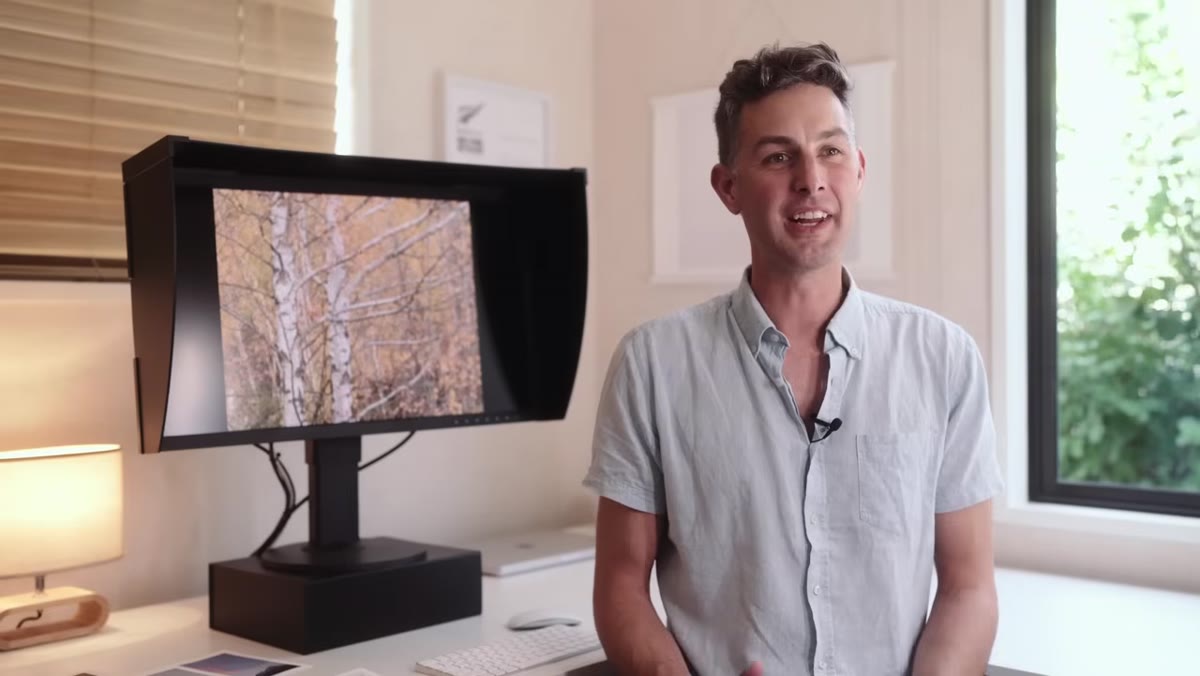 Richard Young speaking about growing up in the South Downs
Young traces his photography back to childhood. He grew up in the South Downs National Park in England, spending real time in forests, watching deer, developing a physical relationship with landscape long before he ever picked up a camera. When he moved to New Zealand in 2004 and started shooting seriously, that foundation shaped what he noticed and what he reached for.
Richard Young speaking about growing up in the South Downs
Young traces his photography back to childhood. He grew up in the South Downs National Park in England, spending real time in forests, watching deer, developing a physical relationship with landscape long before he ever picked up a camera. When he moved to New Zealand in 2004 and started shooting seriously, that foundation shaped what he noticed and what he reached for.
This isn’t nostalgia, it’s practical advice. Your visual instincts are sharpest in places you actually know. Spend repeated time in one area rather than chasing new locations every weekend. Learn one forest, one river bend, one stretch of coastline across seasons and weather and light conditions. The photographer who has visited the same meadow thirty times will almost always make a more interesting image there than the one who showed up for the first time with a location scouting app.
Step 3: Shift from Wildlife to Landscape Thinking (Or Find Your Real Subject)
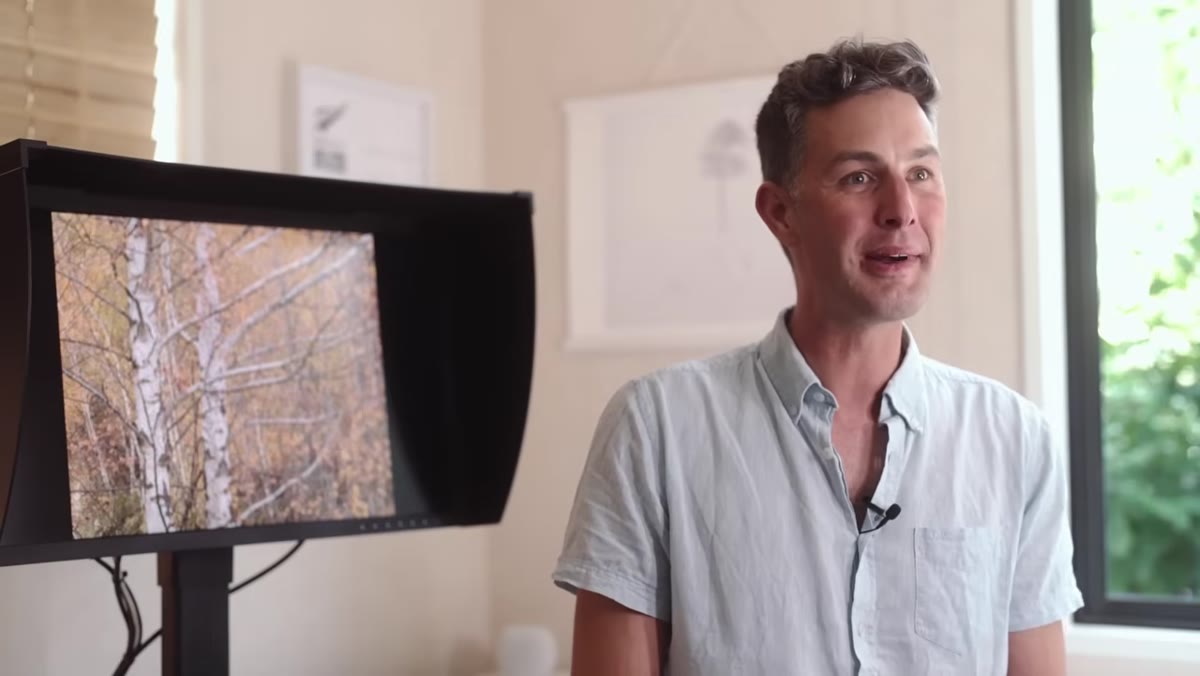 Young describing his transition from wildlife to landscape photography
Young began as a wildlife photographer and gradually discovered that what he was actually drawn to wasn’t the animals, it was the environment surrounding them. Recognizing that distinction changed his entire practice. He stopped working against the landscape to get the animal in frame and started working with the landscape as the subject itself.
Young describing his transition from wildlife to landscape photography
Young began as a wildlife photographer and gradually discovered that what he was actually drawn to wasn’t the animals, it was the environment surrounding them. Recognizing that distinction changed his entire practice. He stopped working against the landscape to get the animal in frame and started working with the landscape as the subject itself.
The exercise here is straightforward but uncomfortable: look at your last twenty images and identify what you were actually photographing versus what you think you were photographing. If you say you love forests but every shot has a mountain peak in the background, the mountain might be your real subject. Clarity about what genuinely draws you is the prerequisite for making work that feels cohesive and personal.
Step 4: Learn to See the Small Scene
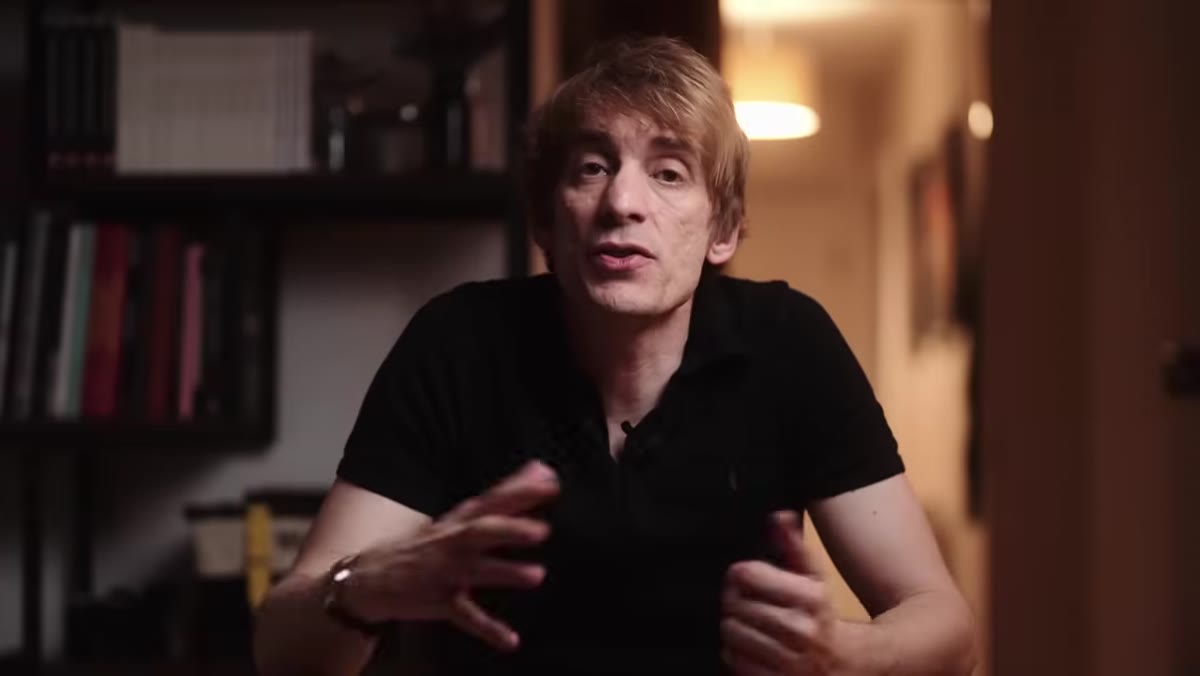 Tucker describing Young’s quiet, intricate small-scale compositions
Tucker describes the images Young showed at a group retreat in Italy: not the sweeping New Zealand vistas Young is technically capable of shooting, but quieter, more intricate compositions made in smaller scenes. A tangle of roots, the texture of moss on a stone, the way light moves through fern fronds. These were the images that made the room go silent.
Tucker describing Young’s quiet, intricate small-scale compositions
Tucker describes the images Young showed at a group retreat in Italy: not the sweeping New Zealand vistas Young is technically capable of shooting, but quieter, more intricate compositions made in smaller scenes. A tangle of roots, the texture of moss on a stone, the way light moves through fern fronds. These were the images that made the room go silent.
Intimate landscape photography is not about settling for less. It demands more precision. When your frame is a 200-meter panorama, composition is forgiving. When your frame is a 60-centimeter patch of forest floor, every element either earns its place or it doesn’t. Practice this deliberately: go out with the intention of only photographing things within arm’s reach. Shoot at mid-range focal lengths rather than wide angles. Force yourself to find the image inside the scene rather than the scene as the image.
Step 5: Develop the Slower Eye
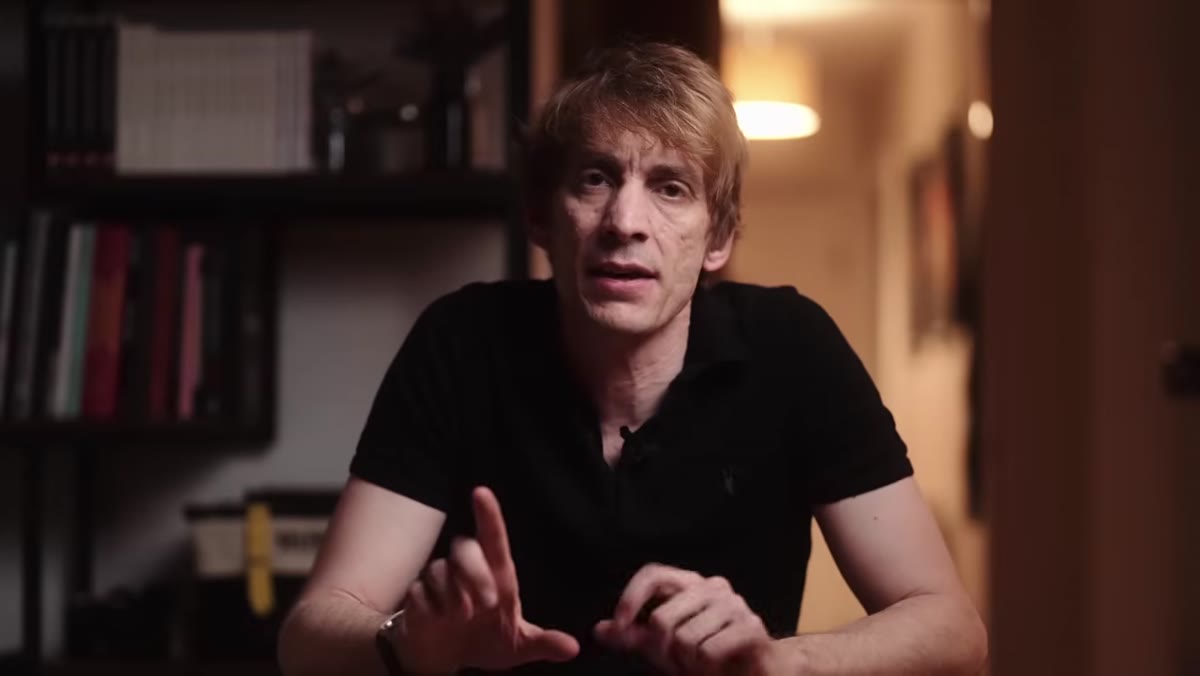 Tucker describing the keener eye required for intimate landscape work
Tucker makes a distinction that I keep coming back to: there’s a difference between going out to capture a landscape and going out to look at one. The big vista rewards fast, decisive work. You read the light, you set up, you fire. Intimate landscape work rewards something slower, a kind of patient visual searching that most photographers never develop because it feels unproductive in the moment.
Tucker describing the keener eye required for intimate landscape work
Tucker makes a distinction that I keep coming back to: there’s a difference between going out to capture a landscape and going out to look at one. The big vista rewards fast, decisive work. You read the light, you set up, you fire. Intimate landscape work rewards something slower, a kind of patient visual searching that most photographers never develop because it feels unproductive in the moment.
In practice this means slowing your walking pace dramatically when you arrive at a location. Don’t immediately identify “the shot.” Spend the first fifteen or twenty minutes just looking, picking things up, moving closer to surfaces, changing your angle low and high. I’ve trained myself over the years to treat the first part of any shoot as pure observation with no pressure to fire the shutter. The images I find after that period are almost always more interesting than whatever I would have grabbed in the first five minutes.
What I’d Add From Twenty Years in the Field
Young’s framework resonates with something a mentor told me early in my career: the mountain doesn’t care about your schedule. You can drive six hours, set up in perfect position, and sit in fog for two days without a usable frame. Or you can pull over on a back road because something caught your eye through the truck window and make your best image of the year from a ditch.
The intimate landscape approach Young describes is partly a philosophy and partly a practical hedge. When you’ve trained yourself to find images in the small and the overlooked, you’re never dependent on the famous location cooperating. Every location becomes workable. The practice of looking closely doesn’t switch off when the big dramatic light arrives, it makes you sharper for that moment too, because you’ve spent hours genuinely studying how the land holds light rather than just waiting for the postcard version of it.
One concrete thing I’d add to Young’s approach: print your intimate work. Small, quiet images often disappear on screens. A 16x20 print of a carefully seen detail shot commands a room in a way the thumbnail never suggested. Print is where intimate landscape photography justifies itself completely.
The core of what Young and Tucker are getting at is this: your photographs become yours when they come from a genuine relationship with the land rather than a response to someone else’s famous image. That relationship takes time, repetition, and a willingness to walk past the tripod crowd and keep looking.
Watch the full tutorial on YouTube to hear Richard Young’s full conversation with Sean Tucker, including his thoughts on the importance of printing and why he stepped away from social media entirely. Both of those threads are worth your time.
Comments (3)
Printing this out and pinning it next to my monitor. That good.
Simple but effective. Sometimes that's all you need.
Love how you break down complex stuff into manageable steps.
Leave a Comment