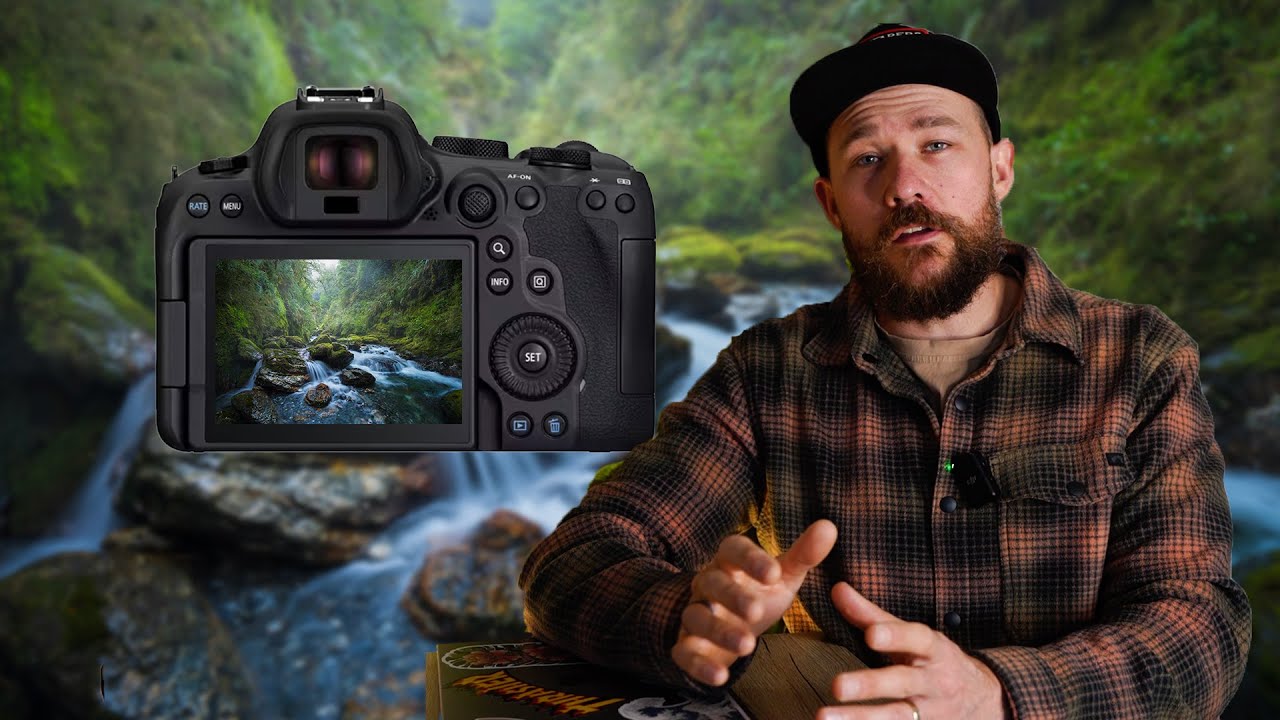
There’s a version of me that wasted years chasing light. Not the wrong kind of chasing. I mean the obsessive, tunnel-vision pursuit of golden hour glow while ignoring everything around it. I’d stand in a meadow fixated on one warm patch of light and wonder why my images felt flat, directionless. The shadow areas around that light felt like problems to solve, not tools to use. It took a long time in the field to understand that shade isn’t the absence of something good. It’s the thing that makes the good thing visible.
That’s the core of what William Patino is getting at in his recent tutorial. Watch the full tutorial on YouTube. He’s been deep in workshop season, running groups through forest and winter landscapes, and you can feel that accumulated field time in how he talks. These aren’t theoretical points. They’re observations that bubbled up from weeks of standing in the same light with different people and watching where everyone’s eyes went. He covers three interconnected ideas: using shade as a compositional anchor, letting light dictate movement rather than forcing a preconceived shot, and thinking about composition as a balancing act. All three changed how I read a scene when I’m out with my camera.
I live and shoot in central Oregon, and a lot of my work happens in the forests around the Cascades. These principles land differently when you’re standing in a grove of ponderosa pines at 5:30 in the morning, trying to figure out which direction to point a lens. Here’s how I’d apply each idea, practically, in the field.
Step 1: Shift Your Focus to the Shadows, Not the Light
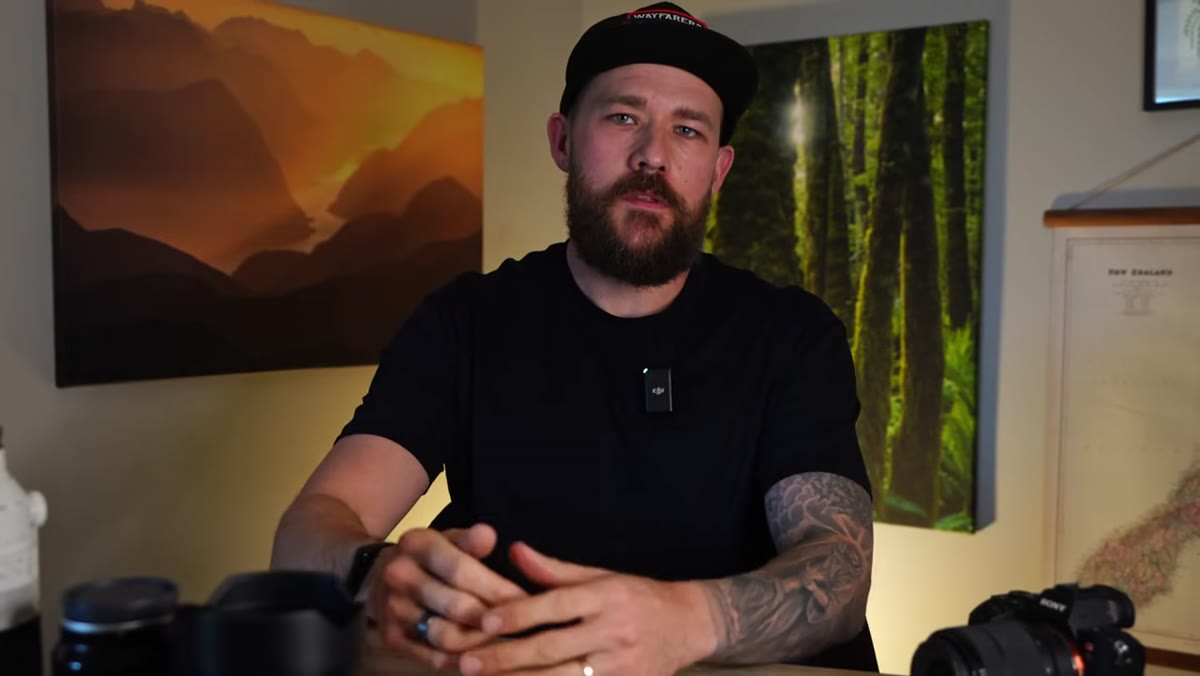 Photographer describing shade as equal in importance to light
Most of us, myself included for the first decade of this work, walk into a scene and immediately catalog where the light is falling. A rim of warm light on a ridge. A shaft cutting through tree canopy. A glow on a far hillside. That instinct isn’t wrong. But Patino’s point is that you need to catalog the shade with the same deliberateness.
Photographer describing shade as equal in importance to light
Most of us, myself included for the first decade of this work, walk into a scene and immediately catalog where the light is falling. A rim of warm light on a ridge. A shaft cutting through tree canopy. A glow on a far hillside. That instinct isn’t wrong. But Patino’s point is that you need to catalog the shade with the same deliberateness.
Look for pockets where shadow pools, where a hillside blocks the sun, where dense tree cover creates a dark corridor. These aren’t dead zones. They’re the visual frames that give the light meaning. Without something darker surrounding it, a bright area has no contrast to anchor it. A lit patch of forest floor surrounded by shade pulls the eye instantly. The same lit patch surrounded by competing brightness disappears into noise.
Step 2: Use Shadow to Build a Path Into the Frame
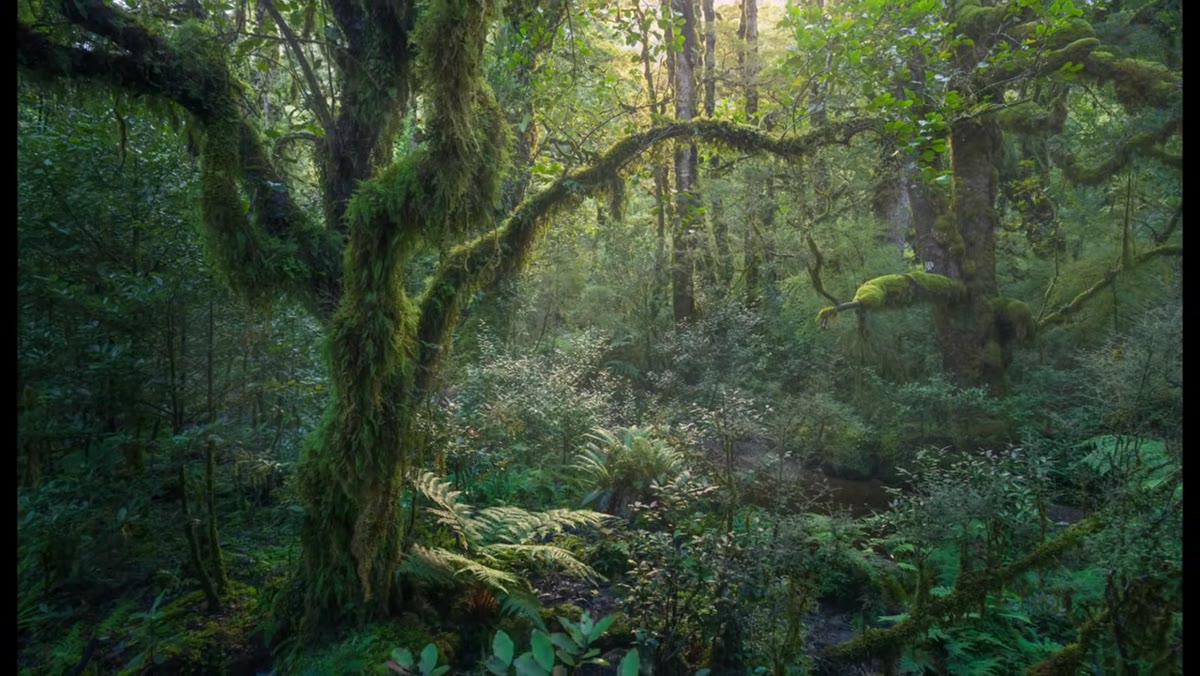 Discussing shade as a tool to lead the viewer’s eye
Once you’ve identified the shade, start thinking about it as a leading element. Patino describes actively using shadow to direct the viewer’s eye toward the light. This is directional composition, but instead of using a river or a road or a fence line, you’re using the absence of light.
Discussing shade as a tool to lead the viewer’s eye
Once you’ve identified the shade, start thinking about it as a leading element. Patino describes actively using shadow to direct the viewer’s eye toward the light. This is directional composition, but instead of using a river or a road or a fence line, you’re using the absence of light.
In practical terms: when I’m working in the forest, I’ll often position myself so that a band of shadow runs along one side of the frame, or forms a kind of dark corridor that opens into a lit area in the middle or background. I’m not just waiting for good light. I’m engineering a visual path using the dark areas I can see around me. The shade does the leading, and the light becomes the destination. Try moving laterally, not just forward and back. Small side steps can completely change how shadow and light align across your composition.
Step 3: Leave Your Reference Images at Home
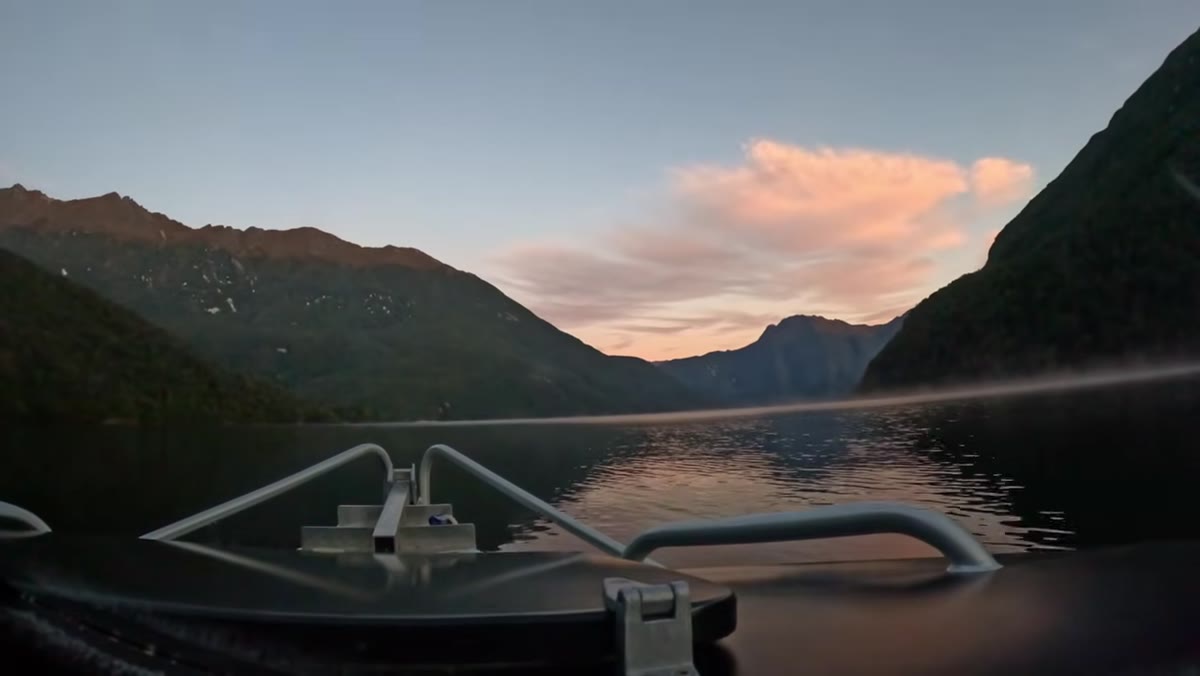 Talking about preconceived ideas limiting composition in the field
This one is harder than it sounds, especially now when every photographer has a Pinterest board, a Lightroom catalog of inspirational images, and three YouTube algorithms pushing them toward the same iconic shots. Patino is direct about this: going into the field with a specific image in your head caps what you can find.
Talking about preconceived ideas limiting composition in the field
This one is harder than it sounds, especially now when every photographer has a Pinterest board, a Lightroom catalog of inspirational images, and three YouTube algorithms pushing them toward the same iconic shots. Patino is direct about this: going into the field with a specific image in your head caps what you can find.
I’ve been guilty of this more times than I’d like to count. You drive to a location because you saw a shot someone else made there, and you spend your whole morning trying to recreate a scene that existed for maybe twelve minutes three years ago under completely different conditions. Meanwhile the actual scene in front of you, which might be extraordinary in its own right, goes unread. Inspiration is useful. But it should inform your sensibility, not script your morning.
Step 4: Let the Light Move You
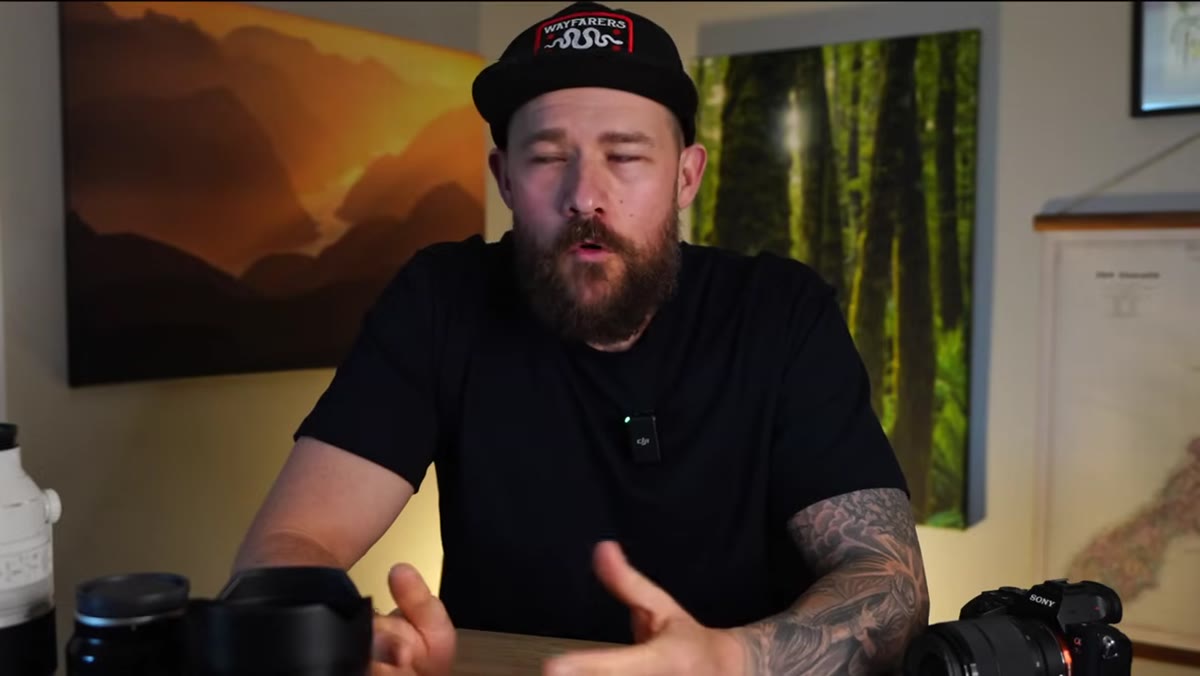 Describing how light should guide movement and observation in the field
Once you’ve dropped the mental template of what you want to capture, the question becomes what actually guides your movement through a landscape. Patino’s answer: the light itself. Walk, observe, and let the quality and direction of light tell you where to stop.
Describing how light should guide movement and observation in the field
Once you’ve dropped the mental template of what you want to capture, the question becomes what actually guides your movement through a landscape. Patino’s answer: the light itself. Walk, observe, and let the quality and direction of light tell you where to stop.
This sounds passive, but it’s actually a discipline. It means resisting the urge to plant yourself at a spot you scouted on Google Earth and wait. Instead, you’re continuously reading the scene, noticing where light is developing, following that energy. In forest work especially, where conditions change fast and dramatically as clouds shift or the sun climbs, this responsiveness can mean the difference between an ordinary shot and a defining one. Walk slowly. Keep your head up. Let a shaft of light catch your eye and follow it.
Step 5: Compose for Balance, Not Rules
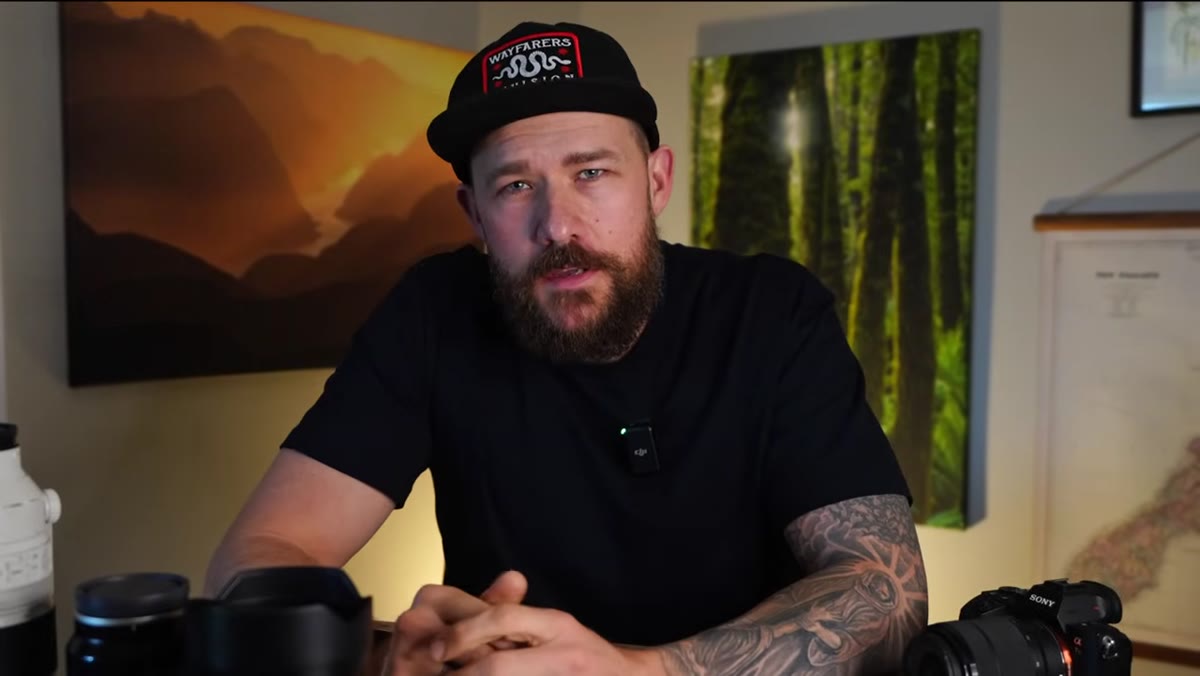 Introducing the seesaw analogy for compositional balance
Patino closes his main points with a composition idea built around balance. He uses the image of a seesaw to describe how visual weight should be distributed in a frame. When one side of the image carries more visual mass than the other, the composition tips and the viewer feels it, even if they can’t explain why.
Introducing the seesaw analogy for compositional balance
Patino closes his main points with a composition idea built around balance. He uses the image of a seesaw to describe how visual weight should be distributed in a frame. When one side of the image carries more visual mass than the other, the composition tips and the viewer feels it, even if they can’t explain why.
Think of each element in your frame as having weight: a dark dense shadow area is heavy; a bright open sky is lighter; a subject of texture or color pulls the eye and adds mass to whichever side of the frame it occupies. Your job as you adjust your position and framing is to keep those weights in rough equilibrium. Not perfectly symmetrical. Just balanced enough that the eye can settle. This is what Patino means when he describes composition as the alignment of shapes in a way that feels right.
What I’d Add From Twenty Years in the Field
The mentor who had the most impact on my early work used to say “the mountain doesn’t care about your schedule.” He meant it as a patience lesson, but it applies here too. All of these techniques, reading shade, following light, releasing the reference image, composing for balance, require time. They require standing in a scene long enough to actually see it instead of just react to it.
I still occasionally shoot film for this reason. A limited roll of 36 frames forces a different pace. You watch longer before you raise the camera. These digital-age tips from Patino carry that same spirit. Observe first. Compose second. Trust the scene to show you something if you give it time.
The single most important takeaway from this tutorial is the reframe around shade. Once you stop seeing shadow as a problem and start seeing it as a compositional tool equal in value to the light itself, the way you read a landscape changes permanently. You’re no longer looking for good light. You’re looking for the relationship between light and dark, and that’s where photographs actually live.
Watch the full tutorial on YouTube to hear Patino walk through these ideas in his own words, with context from his forest workshops.
Comments (3)
Never thought of approaching it this way. Really creative.
Couldn't agree more. I've seen this make a huge difference in business work specifically.
My workflow just got 10x faster. Not even kidding.
Leave a Comment