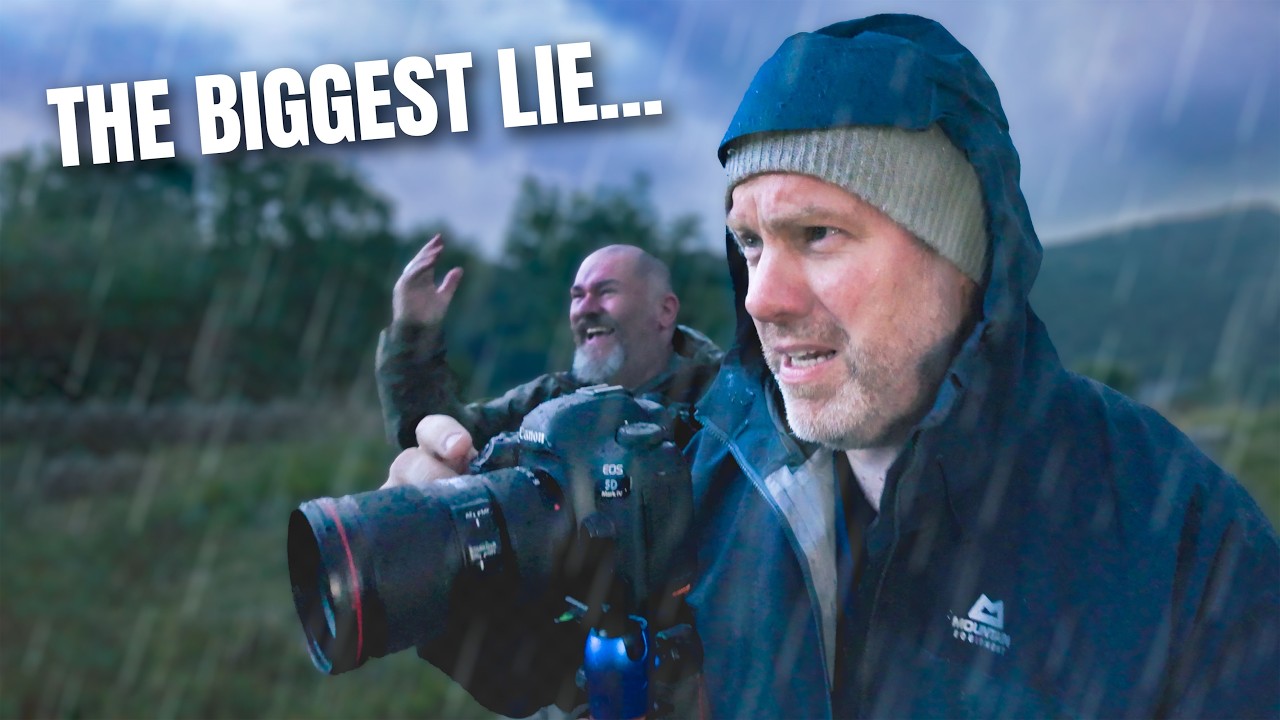
There’s a belief baked into how most of us approach landscape photography, and it took me an embarrassing number of years to shake it. The lie goes something like this: if the location is spectacular, the shot will be too. Find the right mountain, the right coastline, the right grove of trees, and the work is basically done. I believed it. I drove myself into the ground chasing new places, new coordinates, new pins on the map, convinced that discovery was the whole game. It isn’t.
Watch the full tutorial on YouTube
In this First Man Photography tutorial, Ross and guest photographer Marley Davis shoot overnight in the Lake District and hit every obstacle you’d expect from British weather. What unfolds is less a technical demonstration and more an honest field philosophy session, the kind you usually only get after years of standing in the rain wondering why your images look nothing like what you felt standing there. The core argument is this: landscape photography is built on impermanence, and the photographers who internalize that truth stop being disappointed and start being ready.
Step 1: Accept That the Location Is Not the Shot
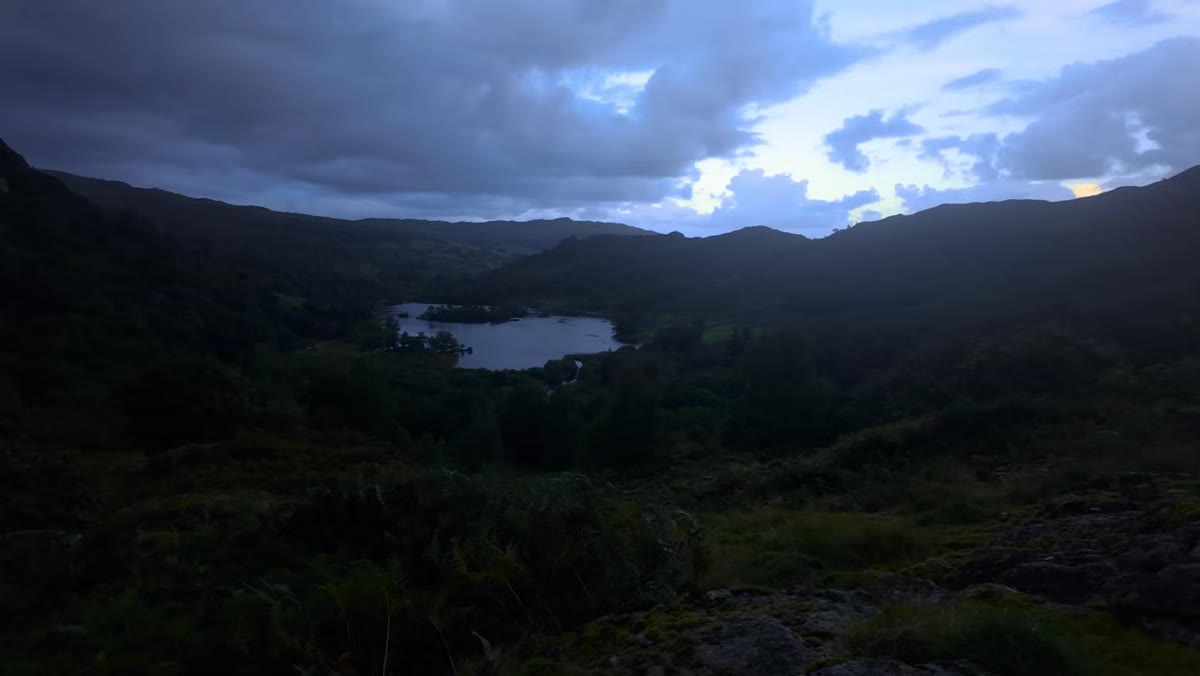 Presenter standing before a wide mountain view, looking into camera
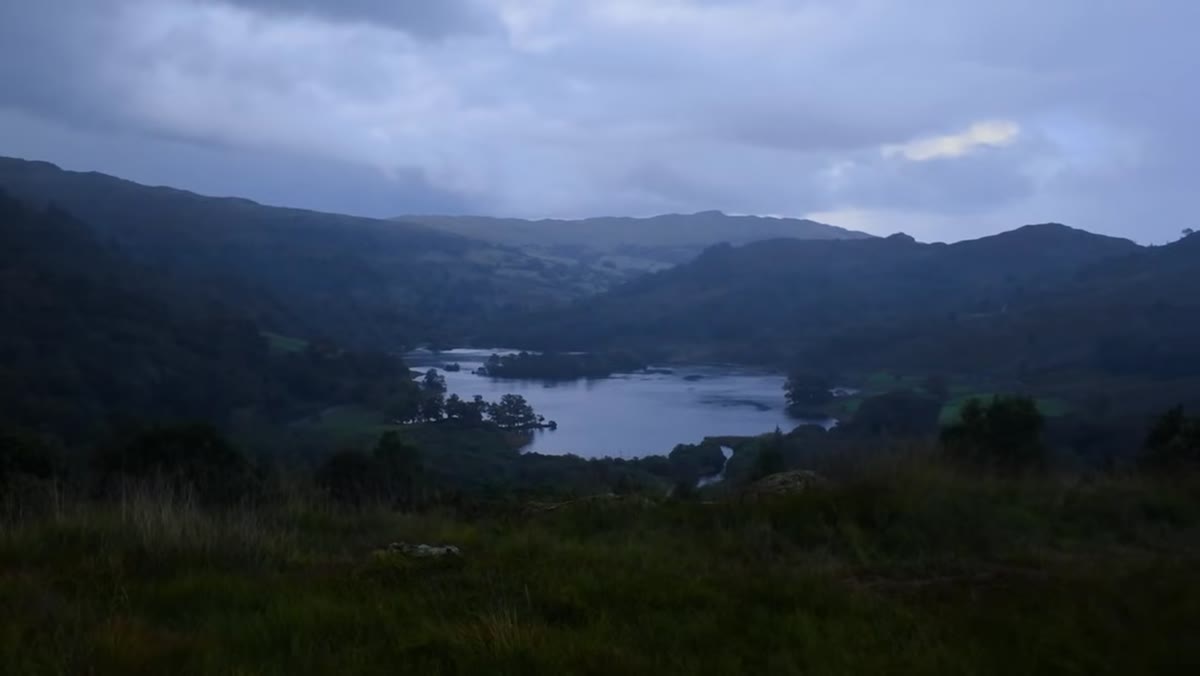
The first shift is mental, and it’s the one most tutorials skip. Ross stands in front of a genuinely stunning Lake District view and says plainly that he could still come home empty-handed. The view is flat that evening. The light hasn’t broken right. He’s not going to pretend otherwise.
This is something I learned the hard way after two decades of waking up at 4am and driving before sunrise. A beautiful place is a starting point, not a guarantee. Train yourself to assess the scene in front of you honestly rather than through the filter of how much effort you put in to get there. Ask: what is the light doing right now? What is missing? What would have to happen in the next 30 minutes for this to become a compelling image? That question-first habit changes how you use your time in the field.
Step 2: Read the Weather as a Creative Variable
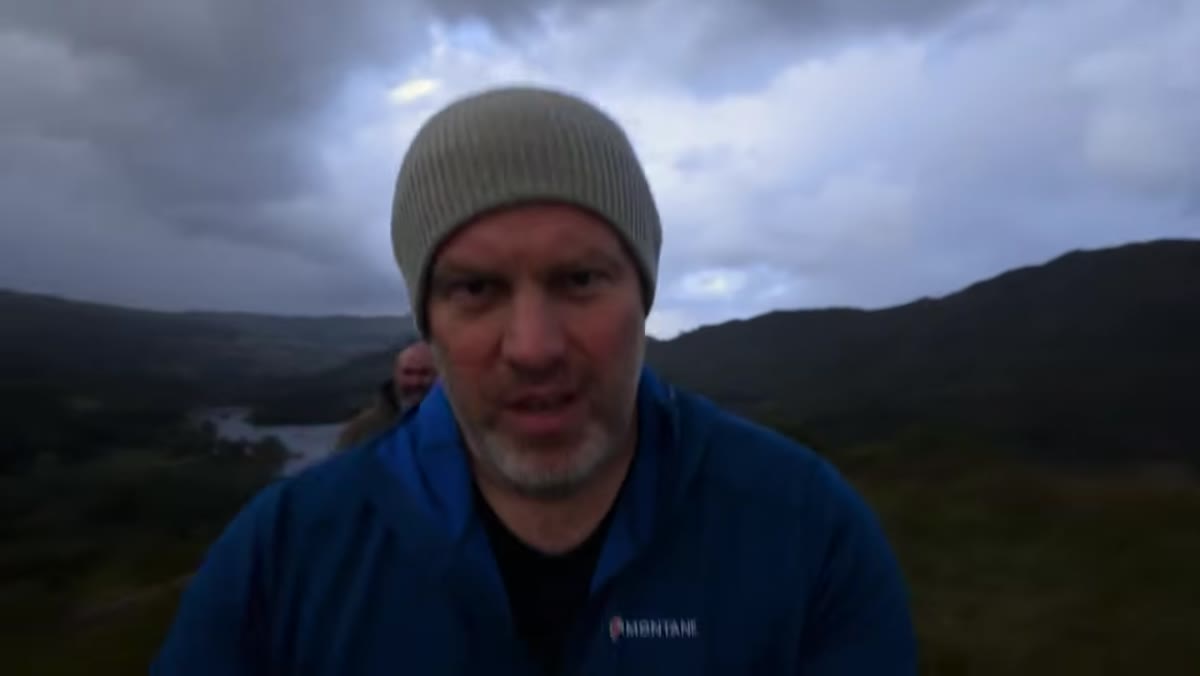 Dark squall clouds rolling across the hillside behind the two photographers
When a squall rolls in during the shoot, Ross doesn’t start packing. He watches it. He and Marley talk about where the sun might break through behind it, what kind of filtered light might follow, whether the drama building overhead is actually a gift. This is the working mindset.
Weather in photography is not a binary between good and bad. Flat overcast is soft and even, useful for certain subjects. A storm front moving through creates contrast, texture, and mood that you simply cannot manufacture in post. The practical habit here is to check not just the forecast but the forecast’s movement. Apps like Windy or Meteoblue show you squall tracks and cloud breaks in a way that a simple hourly forecast won’t. Before a shoot, I spend ten minutes watching the animated radar so I have a mental model of when and where conditions might open up. That preparation keeps me on location when the instinct to leave is loudest.
Step 3: Work the Foreground While You Wait
 Photographer set up and composing a shot with low foreground elements in frame
Ross sets up his composition roughly half an hour before sunset, while the scene is still flat and the light is uncooperative. He’s not waiting passively. He’s locking in his framing, checking his foreground anchors, and making sure that when the light does shift, he’s not scrambling.
This is a habit worth building deliberately. Use the dull window to solve your composition problems. Find your foreground interest, whether that’s texture in rocks, water movement, leading lines in grass, whatever the scene offers. Set your aperture for the depth of field you need, typically f/8 to f/11 for most landscape work, and get your focus point placed before the sky does anything interesting. When the moment arrives, you should be pressing the shutter, not still hunting for your tripod head lever.
Step 4: Embrace the Impermanence of Familiar Places
 Ross speaking directly to camera about returning to the same locations repeatedly
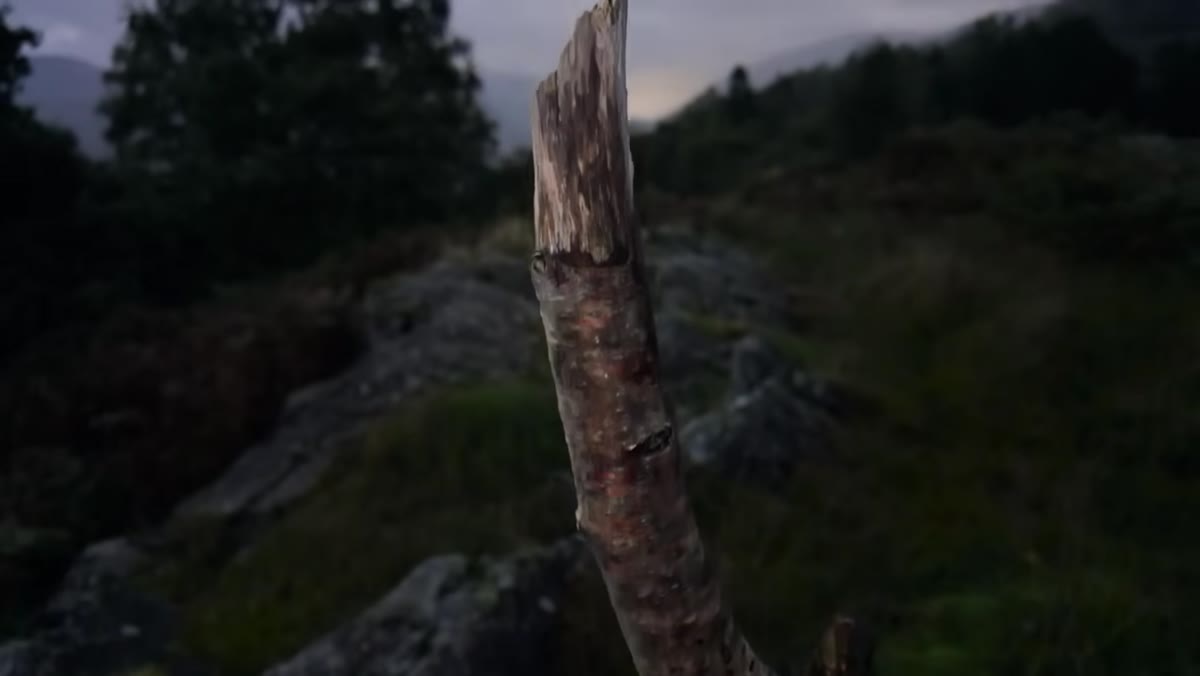
One of the more quietly important things Ross says is that he rarely chases new international destinations. He returns to the same locations in the UK, over and over, and he doesn’t get bored. The reason is impermanence. The same hillside is never actually the same hillside twice. Light, season, weather, even the physical landscape itself, all of it shifts. Marley’s favourite silver birch tree had snapped and fallen since her last visit.
This reframe has real practical value. Instead of building a list of fifty places you want to visit once, consider going deeper into ten places you already know. The intimacy you develop with a location pays off. You know where the sun rises relative to that ridge in October. You know that this particular field floods after rain and creates temporary reflections. That knowledge is a creative asset that no amount of location scouting on a first visit can replicate.
Step 5: Shoot What’s in Front of You, Not What You Planned
 Ross shooting a composition he describes as challenging to work in post
Ross acknowledges directly that his evening shot is not going to be his best work. The conditions aren’t there. But he shoots anyway, carefully, with intention, because getting something in the can keeps him sharp and sometimes produces a surprise. He’s not settling. He’s staying in the practice.
The mental trap in a difficult session is to stop shooting and wait for the ideal moment, which may not come. Instead, work with what’s available. If the sky is flat, turn your lens down and study the ground. If the golden light failed, look for what the diffuse grey is doing to colour and shadow. Every condition has a photograph hidden inside it. The skill is finding it rather than mourning the one you planned for.
What 20 Years in Oregon Taught Me That This Tutorial Confirms
I shoot primarily in the high desert and Cascades, which is a very different landscape from the Lake District, but the principle Ross is building toward lands the same way here. The locations I know best are the ones that have surprised me most. A mentor told me years ago that the mountain doesn’t care about your schedule, and that’s the whole thing, isn’t it. The light breaks when it breaks. The storm clears when it clears. Your job is to be present, technically prepared, and genuinely curious about what the landscape is offering rather than what you wished it would offer.
Where I’d add to what Ross covers: build in time after the shot you planned. Some of my strongest work came from staying an extra hour after the conditions I came for had passed. The aftermath of a storm, the minutes after blue hour, that transitional time rewards patience in a way that the marquee moment sometimes doesn’t.
The single most important takeaway here is that impermanence is not the enemy of landscape photography. It is the whole point. Chase conditions, not coordinates, return to places until you know them honestly, and stay on location when your instincts say leave. That’s where the real work happens.
Watch the full tutorial on YouTube
Comments (2)
I've watched a dozen tutorials on this and yours is the clearest by far.
This is the kind of content that keeps me coming back.
Leave a Comment