The Power of Preparation
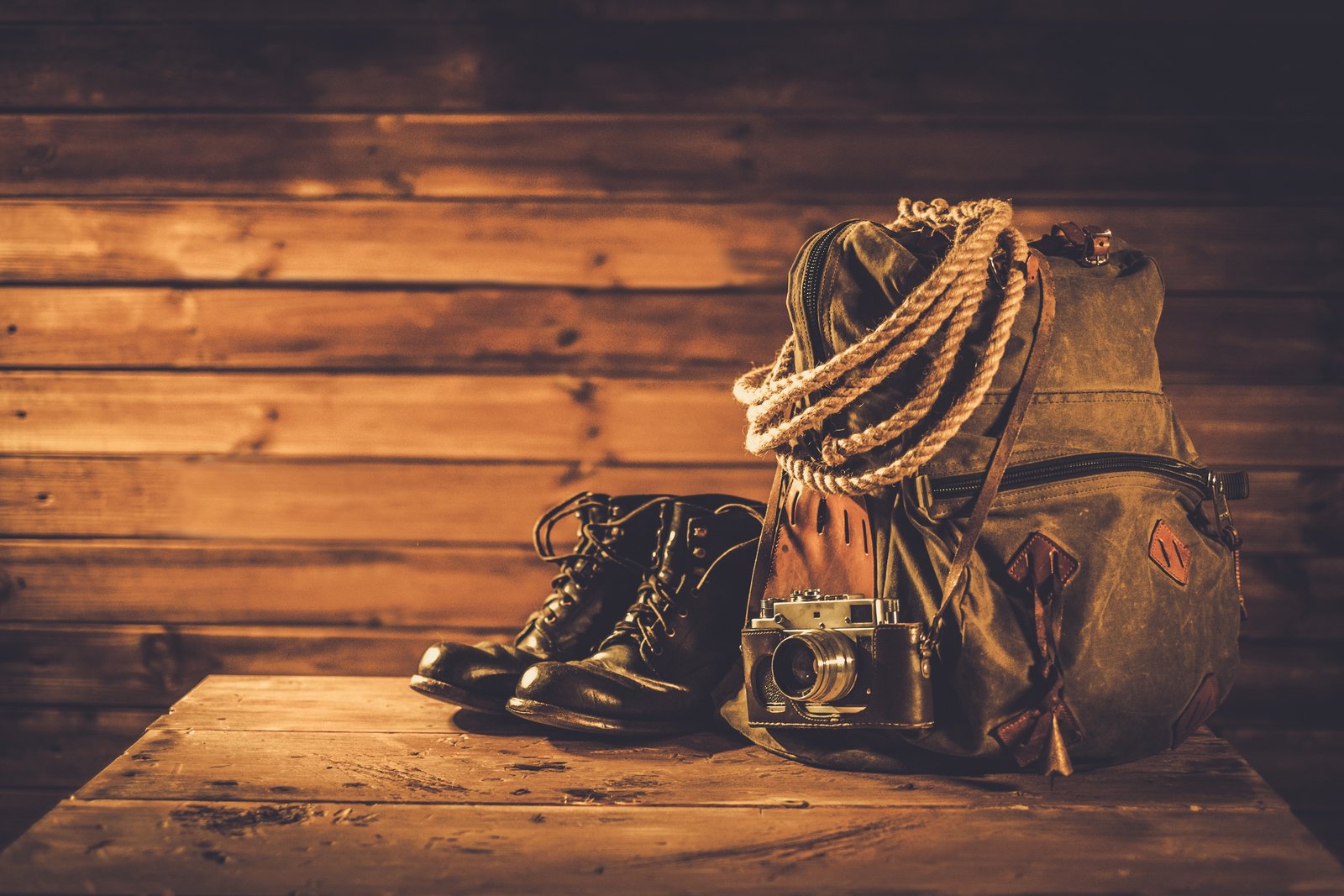
There’s something almost meditative about the moments before dawn breaks over a landscape. You’re standing in the dark, coffee in hand, checking your gear one final time. Your camera feels heavy with possibility. But here’s what separates the photographers who capture magic from those who miss it: preparation.
I’ve spent enough mornings in the field to understand that the best shot often comes without warning. A bird takes flight. Light spills across a mountain ridge in an unexpected way. A predator emerges from the mist. When these moments arrive, you don’t have time to fumble with your settings. You need to be ready.
Finding Your Default Sweet Spot
This is why establishing default camera settings has become central to my approach. After putting my cameras to rest each evening, I deliberately configure them to specific defaults: ISO 400, f/8 aperture, and back-button focus activation.
These aren’t random choices. ISO 400 sits in that Goldilocks zone—high enough to capture detail in variable light conditions without forcing me into dangerously slow shutter speeds, yet conservative enough that I maintain excellent image quality. In landscape and nature work, where you’re often shooting in unpredictable lighting, this baseline gives you breathing room.
The f/8 aperture offers remarkable depth of field, crucial when you’re photographing wildlife or expansive vistas where you need both foreground and background in acceptable focus. It’s a working aperture, not a theoretical one.
Why Back-Button Focus Changes Everything
Back-button focus deserves special attention. This setup separates focusing from the shutter button, giving you extraordinary control over when and what you focus on. Your autofocus won’t hunt unexpectedly when you’re composing. You won’t accidentally refocus as you frame. It sounds like a small thing until you’re tracking a moving animal or waiting for light to align with a distant peak.
The Photographer’s Mindset
What these defaults truly represent is a photographer who respects their craft enough to think ahead. They acknowledge that inspiration doesn’t announce itself conveniently. It arrives in the margins—during that half-light, in the unexpected moment when everything aligns.
Your camera settings are more than technical specifications. They’re a conversation between you and your environment, prepared in advance, waiting to spring into action. When you pick up your camera at dawn, it should already be whispering “I’m ready.”
Comments (5)
This should be required reading for anyone starting out.
Applied this to my portfolio shots and the improvement is noticeable.
Been doing this wrong for years apparently. Thanks for the wake-up call.
Couldn't agree more. I've seen this make a huge difference in compositing work specifically.
This saved me so much time on my last edit. Wish I'd found this sooner.
Leave a Comment