Last autumn I drove out to Steens Mountain in southeastern Oregon with a specific shot in my head. Golden hour light raking across the gorge, a particular bend in the Donner und Blitzen River catching the reflection. I’d planned it for weeks. I got there and the light was flat, the wind was wrong, and I stood around for two hours feeling like I was wasting time.
The problem wasn’t the conditions. The problem was that I’d stopped being a photographer and turned myself into a production crew waiting on a set that hadn’t been built yet. I was so locked onto the shot I’d imagined that I missed three or four genuinely interesting compositions happening right in front of me.
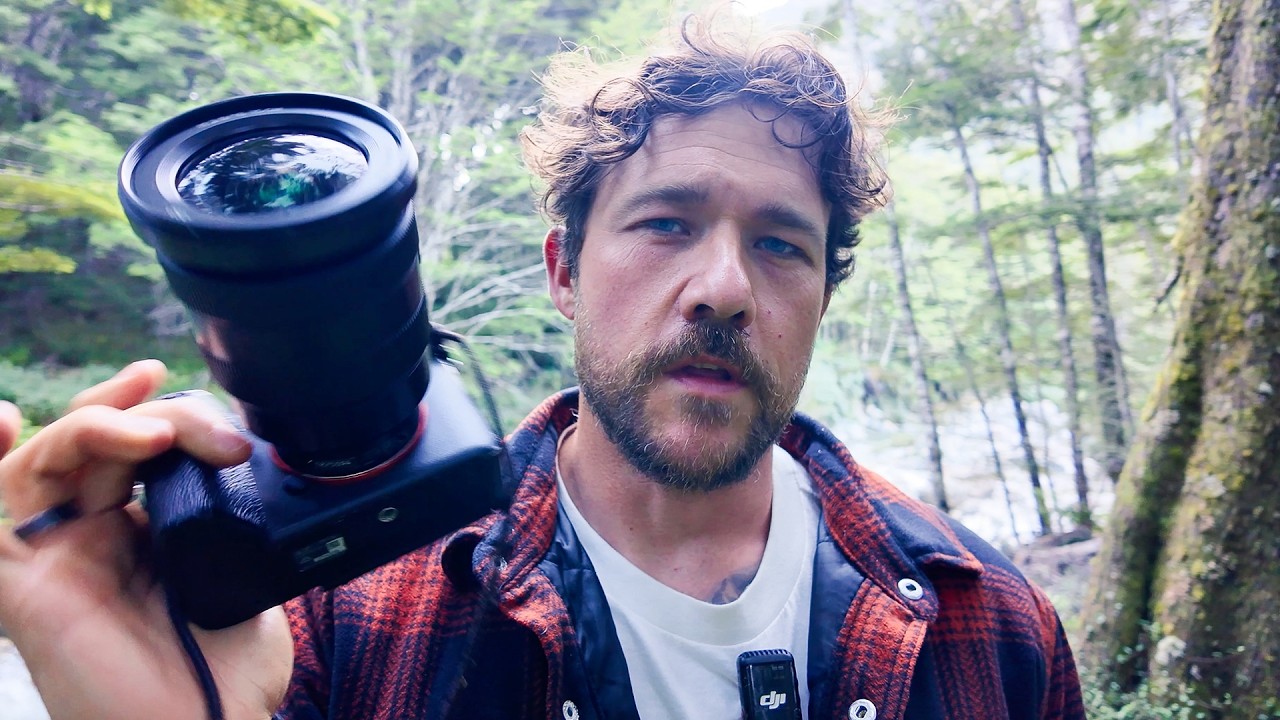
That experience was fresh in my mind when I sat down with this William Patino tutorial, filmed in New Zealand’s Fiordland. Will’s whole approach in this video is a quiet corrective to exactly that trap. Watch it first, or alongside this breakdown.
What Fiordland Forces You to Confront
Fiordland is not a location that rewards rigid planning. The weather shifts constantly, the light can go from flat to extraordinary in minutes, and the terrain itself pushes back. What Will demonstrates in this video is a workflow built around responsiveness rather than execution. He’s not arriving with a shot list. He’s arriving with a direction.
That distinction matters more than it sounds. A direction means you have a general area, a time of day, and a loose idea of what draws you there visually. A shot list means you’ve already decided what reality should look like, and you’re asking the landscape to comply. Fiordland, like most wild places, doesn’t comply. The photographers who come home with strong work from locations like this are the ones who stay nimble.
Moving Slowly Enough to Actually See
One of the most practical things Will models in this video is his pace. He moves deliberately through the landscape, stopping frequently, crouching down, shifting his angle before he ever raises the camera. This isn’t indecision. It’s active looking, and it’s a skill most photographers underinvest in because it doesn’t feel like doing anything.
What he’s doing is pre-visualizing not just the frame but the quality of the scene. Before committing to a tripod position, he’s reading the light direction, noticing where the texture lives in the foreground, and checking whether the background supports or competes with his subject. By the time the camera comes up, most of the compositional decisions are already made.
In practice, this means slowing your physical movement to roughly half of what feels natural. If your instinct is to walk to a viewpoint and set up, try stopping twenty meters short and spending five minutes just looking. Walk the perimeter of a scene before planting the tripod. The extra ten minutes almost always changes where you end up shooting from.
Letting the Conditions Lead the Exposure Decision
Will doesn’t force a technical approach onto a scene. Instead of arriving with a preset strategy, he reads what the light is doing and responds to it. In flat or overcast conditions in Fiordland, he leans into the softness rather than fighting it. He’s looking for detail and mood rather than drama, which means his exposure decisions shift accordingly. Slower shutter speeds to smooth the water, apertures that keep foreground texture sharp through the midground.
The practical takeaway is that your starting point should always be the quality of light, not the settings you used last time. Overcast Fiordland light and golden hour Oregon desert light require completely different approaches, and habits formed in one environment can quietly undermine you in another. Shoot in manual, read the histogram, and let the scene tell you where to start rather than arriving with a default.
The One Place I’d Push Back
Here’s where my twenty years of doing this adds a small wrinkle. Will’s approach works beautifully when you have open-ended time in a location. Fiordland workshop situations, extended personal trips, multi-day shoots. The workflow he’s modeling assumes you can afford to wander, to wait, to let a session produce nothing and still call it useful.
That’s not always the reality. I’ve run workshops where participants have one afternoon in a location and no return trip. In those situations, the completely open wandering approach can actually increase anxiety rather than reduce it, because people feel the clock and the lack of structure amplifies the pressure. For high-stakes single-session shoots, I still recommend identifying two or three anchor compositions in advance as a safety net. You can absolutely stay responsive and present, but knowing you have one solid frame locked in frees your mind to explore more freely around it. The anchor composition isn’t a limitation. It’s the thing that lets you take creative risks with your remaining time.
Will’s approach is the right long-game philosophy. Pair it with a light pre-shoot framework when the conditions demand it.
What the Landscape Is Actually Teaching You
My old mentor used to say the mountain doesn’t care about your schedule. It took me an embarrassingly long time to understand that as practical advice rather than philosophical decoration. Will Patino’s Fiordland workflow is essentially a field application of that idea. Show up with skill, stay curious, let go of the outcome, and keep your eyes open longer than feels necessary.
The single most important thing this tutorial demonstrates is that the process of being in the landscape attentively is not a precursor to the photography. It is the photography. When that shift clicks, the work changes.
Watch the full video to see Will’s workflow in motion across actual Fiordland terrain. The visual demonstration of how he moves and reads a scene is worth more than any written description of it.
Watch the full William Patino tutorial on YouTube
Comments
Leave a Comment