I had a shoot fall apart on me last month. Drove out to a canyon rim east of Bend before sunrise, tripod on my shoulder, coffee in hand, completely certain I knew what I was going to come home with. The light went flat. The clouds I was counting on scattered. I stood there for two hours fighting the feeling that I was wasting time, and I packed up with almost nothing worth keeping.
That’s not a rare story. That’s Tuesday for most of us who do this seriously.
What I’ve been sitting with since is a question about process. Not technique, exactly. Process. The relationship between showing up and actually being present for what shows up back.
The Difference Between Shooting and Being There
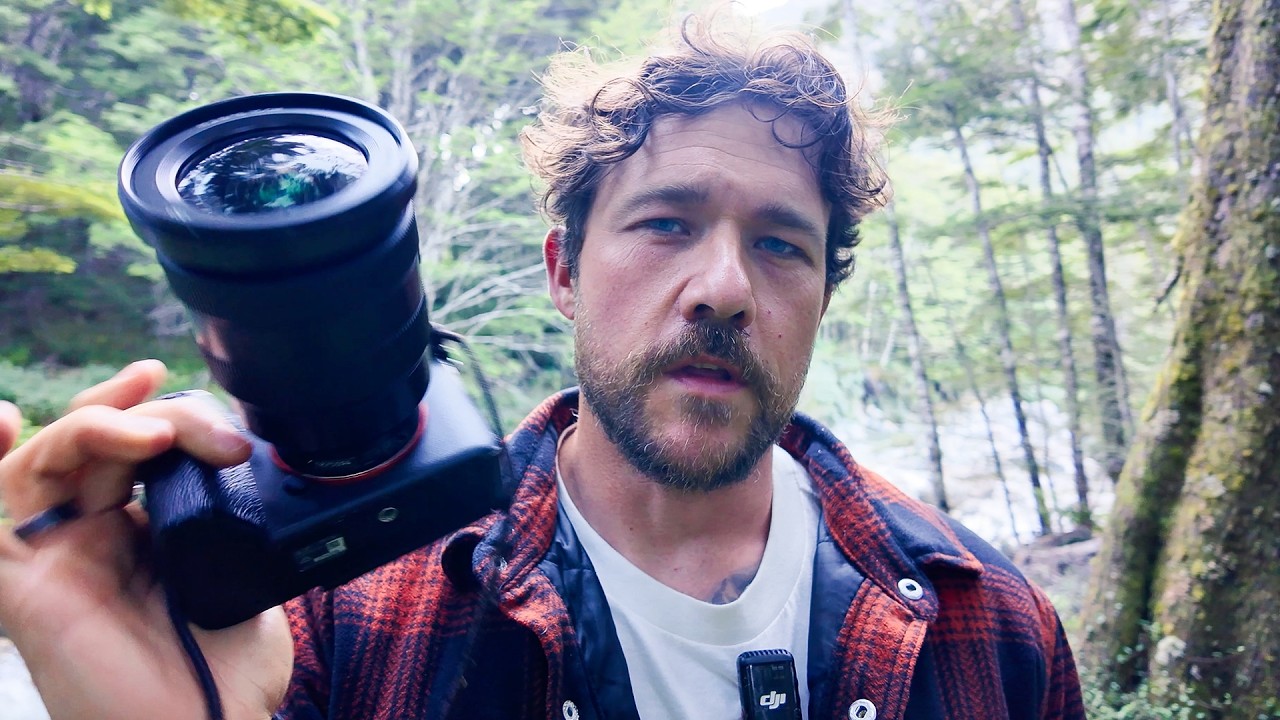
In this William Patino tutorial, filmed on location in New Zealand’s Fiordland, Will does something that sounds simple but is genuinely hard to pull off on camera: he just works. He moves through the landscape the way someone does when they’re not performing for an outcome. He explores. He pauses. He makes images that might not pan out. And he talks through that process honestly, without dressing it up.
Fiordland is one of those places that can make photographers tighten up. The scale is enormous, the weather is volatile, and there’s a pressure to make it all count when you’ve traveled that far. What Will models instead is a loosening. A willingness to let the location lead.
That’s the real tutorial here, and it applies whether you’re in New Zealand or twenty minutes from your front door.
How He Actually Moves Through a Location
Will’s physical workflow in this video is worth paying attention to because it’s deliberate without being rigid. He doesn’t arrive and immediately set up on the most obvious composition. He walks. He scouts by actually moving his body through the space, looking at how elements relate to each other from different elevations and angles before committing to a frame.
When he does stop to shoot, he works a scene rather than taking a single image and moving on. He’ll make an exposure, observe what it gives him, then adjust his position by a few steps, or wait for light to shift, or try a different focal length. This kind of iterative working is something photographers know they should do but often skip when the light feels urgent or conditions are unpredictable.
He’s also willing to photograph things that aren’t the main event. Details. Textures. Secondary subjects that catch his eye while he’s waiting on something bigger. These aren’t throwaway frames. They’re part of staying engaged with the environment rather than mentally checking out between hero shots.
Letting the Process Justify Itself
There’s a moment in the video where Will talks about simply enjoying being out there, even when the photography isn’t delivering. This is easy to dismiss as feel-good filler, but I think it’s actually the most technically useful thing he says.
A mentor of mine put it plainly years ago: the mountain doesn’t care about your schedule. I’ve thought about that line on more shoots than I can count. The landscape doesn’t owe you the image you planned. When you stop expecting it to, you start seeing what’s actually there instead of scanning for what you came to find. That shift in attention is what produces unexpected work.
Will’s workflow supports this. He’s not optimizing for a single frame. He’s staying in the field, staying curious, and letting the process accumulate. Some of that accumulation becomes strong images. Some of it doesn’t. Both outcomes are part of the same practice.
Where I’d Push Back, or Push Further
The one place I’d add a layer to Will’s approach is in the moments after a shoot ends. His workflow is strong on the front end, on presence and exploration and letting the location breathe. What I’ve found useful, especially after a session that felt inconclusive, is a brief review before I even leave the location.
Not culling, not editing. Just a slow scroll through what I made while I’m still physically there. Sometimes I realize I got closer to something than I thought. Sometimes I see a gap I can fill with ten more minutes of work. Doing this on location, rather than back at the car or later at a desk, keeps me in the same mindset Will is describing. It extends the state of paying attention rather than ending it.
I still shoot occasional rolls of film for exactly this reason. When each frame costs something, the review process gets woven into the shooting itself. You think before you press the shutter. Will’s workflow has that same quality built in, even shooting digital.
The Single Thing Worth Taking Into the Field
The practical takeaway from this video is one of the older ones in photography: the work is in the going, not the getting. Showing up consistently, moving slowly, and staying present longer than feels comfortable will produce more strong images over a career than chasing the perfect forecast ever will.
Watch the full video to see Will’s workflow in motion. The visual of how he actually moves through that Fiordland landscape, the pacing, the pauses, the small decisions, is something that translates better on screen than it ever could in text.
Watch the full tutorial on William Patino’s YouTube channel
Comments (5)
Never thought of approaching it this way. Really creative.
Love how you break down complex stuff into manageable steps.
This is fantastic. I've been recommending this approach to my readers too.
Quality content like this is rare. Keep it up.
Applied this to my portfolio shots and the improvement is noticeable.
Leave a Comment