I had a week last autumn where every single morning session came back empty. Not technically empty, the files were there, but there was nothing worth keeping. I’d been rushing. Driving to the trailhead with a shot already built in my head, setting up in the dark, waiting for the light to match the image I’d already decided I wanted. When it didn’t, I packed up and left. I did that four mornings in a row and came home with nothing but sore feet and a bad attitude.
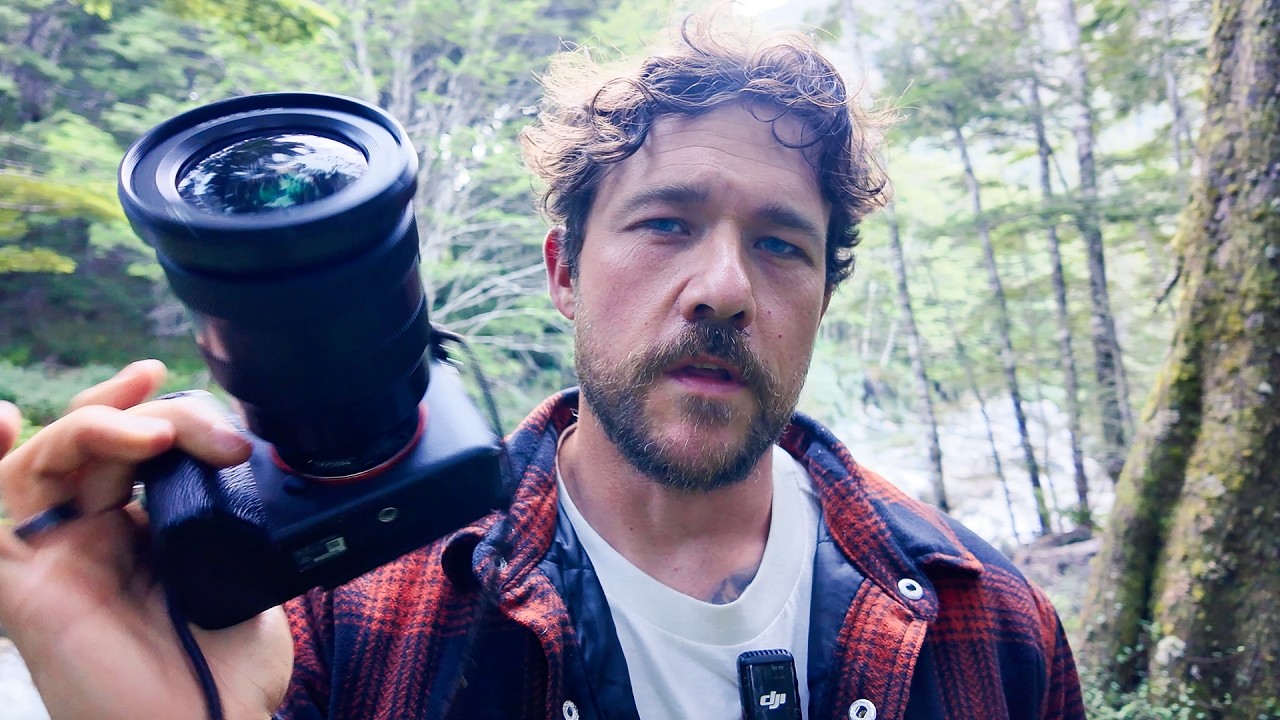
That’s exactly why this William Patino tutorial stopped me mid-scroll. Not because it introduced some new technique or piece of gear, but because it showed me what I’d been doing wrong at the level that actually matters.
The Trap of Arriving With a Plan
Will shoots in Fiordland, one of the most dramatic and unpredictable landscapes on earth, and what strikes you immediately is what he isn’t doing. He isn’t racing to a pre-scouted composition before golden hour. He’s walking. Looking. Letting the environment talk before he does.
This isn’t passive photography. It’s a discipline. The workflow he demonstrates is built around observation first and camera second. He moves through the landscape and notices how light is falling across water, where mist is pooling in valleys, how a particular patch of forest is catching diffused cloud light in a way that a clear-sky morning never would. The camera comes out when something earns it, not on a timer.
For photographers who’ve spent years waking up at 4am and driving hard to catch a specific window of light, this feels almost counterintuitive. But it’s actually the harder skill. Arriving without a plan means you have to be genuinely present, which is uncomfortable when your instinct is to be productive.
How Will Reads a Scene Before He Shoots
The practical core of his workflow is sequential. He arrives at a location and does a slow visual pass before touching any equipment. He’s looking for the relationship between light source and subject, specifically where there’s contrast that creates depth rather than flat, even illumination. In Fiordland this often means waiting for cloud movement because the light shifts faster and more dramatically than most landscapes.
Once he identifies a scene worth working, he gets physically close to elements in the foreground. Not slightly closer. Much closer than most photographers would feel comfortable with. He’s building layered compositions where the foreground pulls you into the frame and the mid-ground and background each have their own visual weight. This is compositional thinking, not compositional accident.
His camera settings are responsive rather than preset. He’s not locked into a single aperture or shutter approach. If the water is moving and he wants to show that movement, he adjusts accordingly. If he wants the foreground sharp through to the peaks behind, he stops down and works with what the light gives him. The point is that his technical decisions follow the scene, not the other way around.
Staying When Nothing Is Happening
The part of this video that most photographers will skip past is the waiting. Will spends real time in the frame just being there. Not chimping. Not adjusting settings. Not moving to a new spot every ten minutes. This is where the best shots come from and it’s also the hardest part to teach because it requires you to tolerate uncertainty.
A mentor told me years ago that the mountain doesn’t care about your schedule. I’ve quoted that line to students in workshops more times than I can count, but I still catch myself fighting it on my own shoots. Will’s video is a clean visual reminder that the photographers who consistently bring back work worth looking at are the ones who’ve made peace with the waiting. They treat it as part of the process, not as dead time between shots.
The conditions in Fiordland are almost never what you’d call perfect. But Will finds images inside imperfect conditions because he’s still there when they shift.
Where I’d Push This Further
The one place I’d add to Will’s approach is intentional position scouting before the light window opens. His method works beautifully when you know a location or when you have multiple days to let the landscape reveal itself. In a new location with a single morning, I’ll spend the last 20 minutes of darkness walking without a tripod, just finding where I want to be when the light arrives. That way I’m not making compositional decisions under time pressure once the sky starts doing something interesting.
It doesn’t conflict with Will’s philosophy. It’s actually the same idea applied earlier in the sequence. Observation before camera. I just extend the observation window back into pre-dawn so I’m already placed when the moment comes.
On film shoots, this is how I always worked out of necessity because I couldn’t afford to waste frames guessing at compositions. Going back to digital with that same mindset changed what I came home with.
The Real Workflow Is Being There
The technique Will Patino is teaching isn’t about Fiordland, and it isn’t about any specific camera setting or compositional rule. It’s about building a practice where the landscape shapes the photograph rather than the other way around. That’s the shift. Everything else follows from it.
Watch the full video to see this workflow in motion. The visual context of watching someone actually move through and respond to a landscape is something words can only approximate.
Watch the full tutorial on YouTube
Comments
Leave a Comment