There’s a particular kind of frustration that comes not from failure but from near-misses. Last autumn I drove out to the Cascades for a shoot I’d been planning for weeks. The light showed up. The composition was solid. I pressed the shutter with confidence. And when I got back to my desk and started pulling the files, something was flat. Not technically wrong, just… absent. The image looked like a photograph of a place, not a feeling of one.
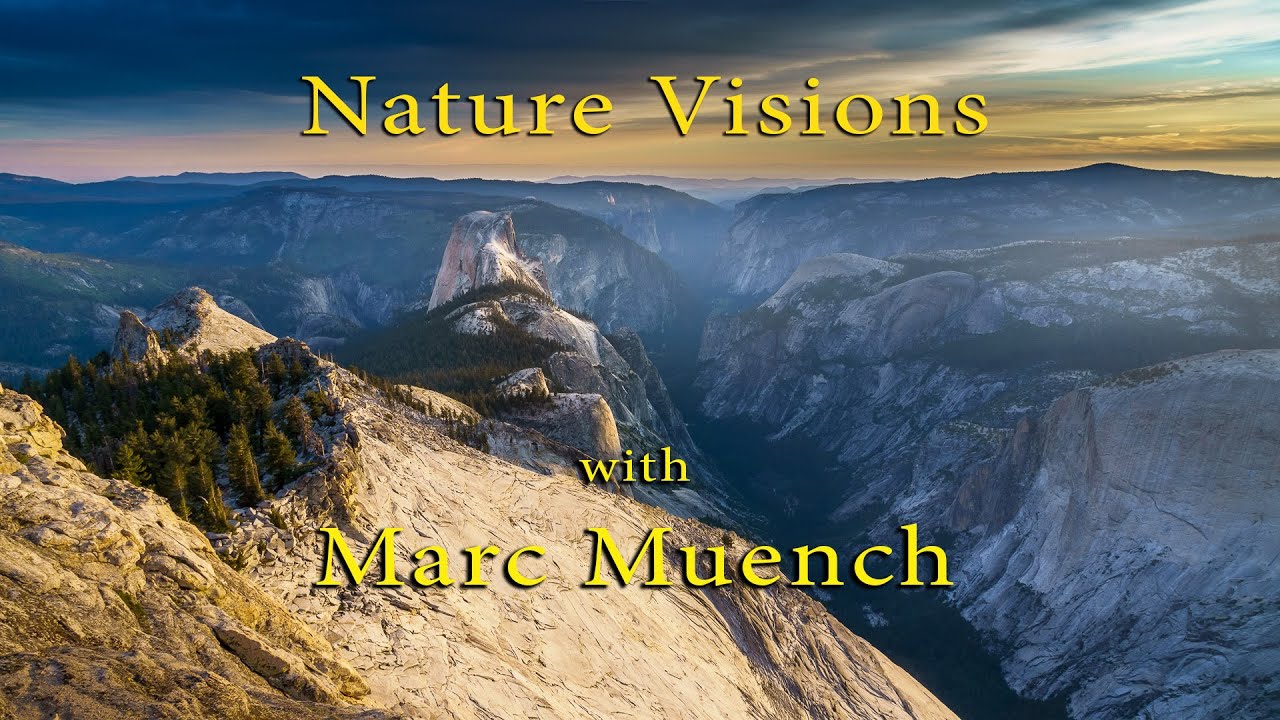
I’ve been doing this long enough to know that feeling means I missed something in how I was reading the light, not just recording it. So when I came across this Marc Muench tutorial from his Nature Visions Photography Expo presentation, I sat down with coffee and actually took notes.
Marc Muench is a name that carries real weight in landscape photography, and not the manufactured kind. He’s been working these subjects seriously for decades, and what comes through in this tutorial is the specificity. He’s not talking in generalities about golden hour. He’s talking about decisions.
Reading Light as a Variable, Not a Given
The core of what Muench lays out is this: most photographers treat light as weather. It either shows up or it doesn’t. What he’s arguing, and demonstrating, is that light is something you can analyze in real time and respond to with intentional camera choices.
He walks through how the quality and direction of light should change the way you expose, the way you position yourself relative to your subject, and even how long you’re willing to wait in a single location. That last part landed for me. I have a bad habit of working a location in a checklist way, hitting my planned compositions and moving on. Muench’s approach is more deliberate. You identify what the light is doing, then you figure out what it’s capable of doing if you stay.
The Specific Mechanics He Covers
Where the tutorial gets genuinely useful is in the technical translation. Muench doesn’t just say “expose for the highlights.” He explains the reasoning behind protecting the bright areas of a scene and letting the shadow detail recover in post, and he’s clear that this approach depends on knowing your sensor’s dynamic range and trusting your histogram rather than the LCD preview.
He spends time on the relationship between the foreground and the sky, particularly in wide compositions where you’re often trying to hold both. His approach leans on graduated exposure decisions, either in-camera through positioning and timing or in processing, rather than heavy HDR blending. The result looks more like what your eye remembers than what your eye actually saw, and that distinction matters to me.
He also addresses how overcast light, which most photographers treat as a fallback or consolation, can be the right tool for certain subjects. Flat light isn’t weak light. It’s directionally neutral light, and for texture-heavy foregrounds, for water, for anything where you need detail edge to edge, it’s often the better choice. The mistake is using it by default rather than by design.
The Part I’d Push Back On Slightly
Here’s where I’d add something from my own experience. Muench’s framework works exceptionally well when you have time and flexibility in a location. But there are shoots where you’re locked into a window, a tide, a specific bloom cycle, and the light is going to be whatever it’s going to be. I’ve stood in rivers in the dark waiting for a light that had already made up its mind.
In those situations I’ve learned to shift the goal. Instead of finding the best light for the composition I planned, I find the composition that suits the light I have. It’s a subtle inversion of the same logic Muench is teaching, and it comes from the same place, reading light as the primary variable. But it means your location research has to include enough compositional options that you can pivot. One angle is a gamble. Three angles is a plan.
I still occasionally shoot a roll of film specifically to practice this. When you’ve got 36 frames and no safety net, you stop treating the shutter like a draft and start treating every frame like a commitment. That discipline carries back into digital work in ways I can’t fully explain but can always feel.
Why This Approach Changes How You Scout
One practical takeaway that doesn’t get discussed enough: Muench’s light-first thinking should change how you scout locations, not just how you shoot them. If you visit a spot midday and you’re already thinking about how the light will fall from the east at sunrise, you’re doing productive scouting. If you visit and you’re only capturing GPS coordinates and composition screenshots, you’re doing half the job.
When I scout, I’m looking at shadow angles, at how the terrain will interact with low light, at where contrast will build and where it will disappear. A meadow that looks ordinary at noon can have a completely different emotional geometry at 5:45 in the morning. You have to be able to see that in advance, and Muench’s framework gives you the vocabulary to start doing that.
The One Thing I Took Back to the Field
The single idea I’ve returned to most since watching this tutorial is simple but easy to forget: the image you’re making is of light, not of a place. The mountain, the river, the treeline, those are surfaces. What the camera is recording is light bouncing off surfaces. When you internalize that, every decision, where you stand, when you press the shutter, how you expose, gets cleaner.
Watch the full tutorial to see Muench demonstrate these concepts visually, especially his real-time analysis of specific photographs. The written version gets you the logic. The video gives you the eye.
Comments (1)
Never thought of approaching it this way. Really creative.
Leave a Comment