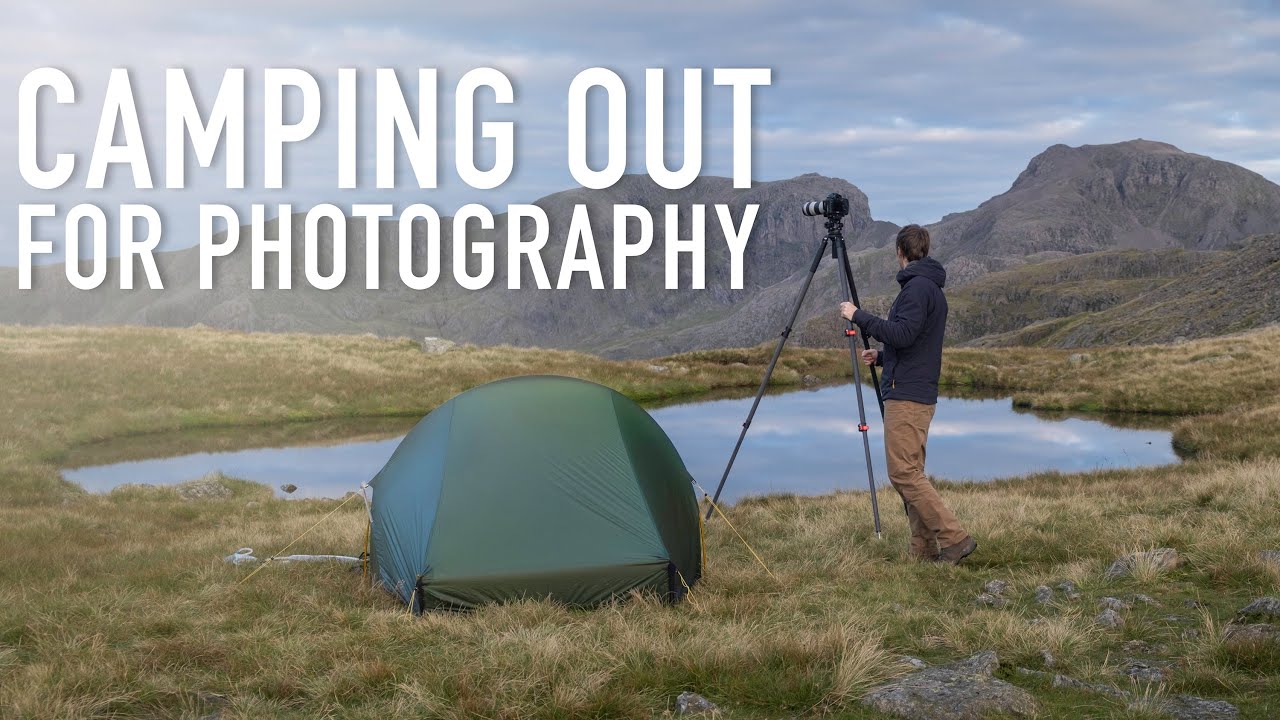
Chase the Light or Miss It: Field Lessons from a Mountain Sunset Shoot

Chase the Light or Miss It: Field Lessons from a Mountain Sunset Shoot

There’s a particular kind of suffering that landscape photographers know well: you’re not where you want to be, the light is doing exactly what you hoped it would do, and your legs are the only thing standing between you and the shot. I’ve been there on the ridgelines above Bend at dusk, watching a band of amber crawl across the high desert while I was still twenty minutes from my intended position.
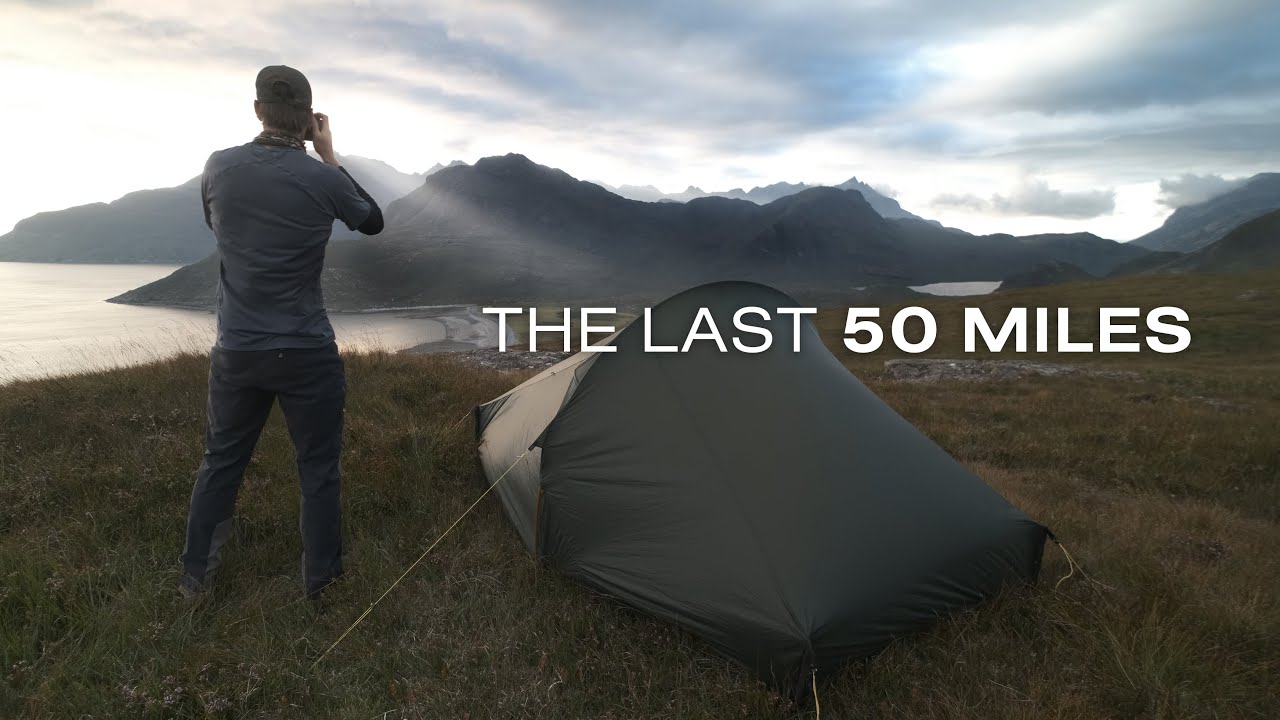
Walking Skye with Everything on Your Back: Field Lessons from Thomas Heaton's 100-Mile Photography Trek

Walking Skye with Everything on Your Back: Field Lessons from Thomas Heaton's 100-Mile Photography Trek

There’s a kind of photography that happens at a desk, and there’s the kind that happens at mile forty-seven when your feet are wet and the light is doing something extraordinary three hundred meters up a ridge you weren’t planning to climb. The second kind is the only kind I’ve ever cared about. After twenty years of dragging cameras into places that require real effort to reach, I’ve learned that the gap between a good shot and a great one is almost always a gear or decision made before you left the trailhead.

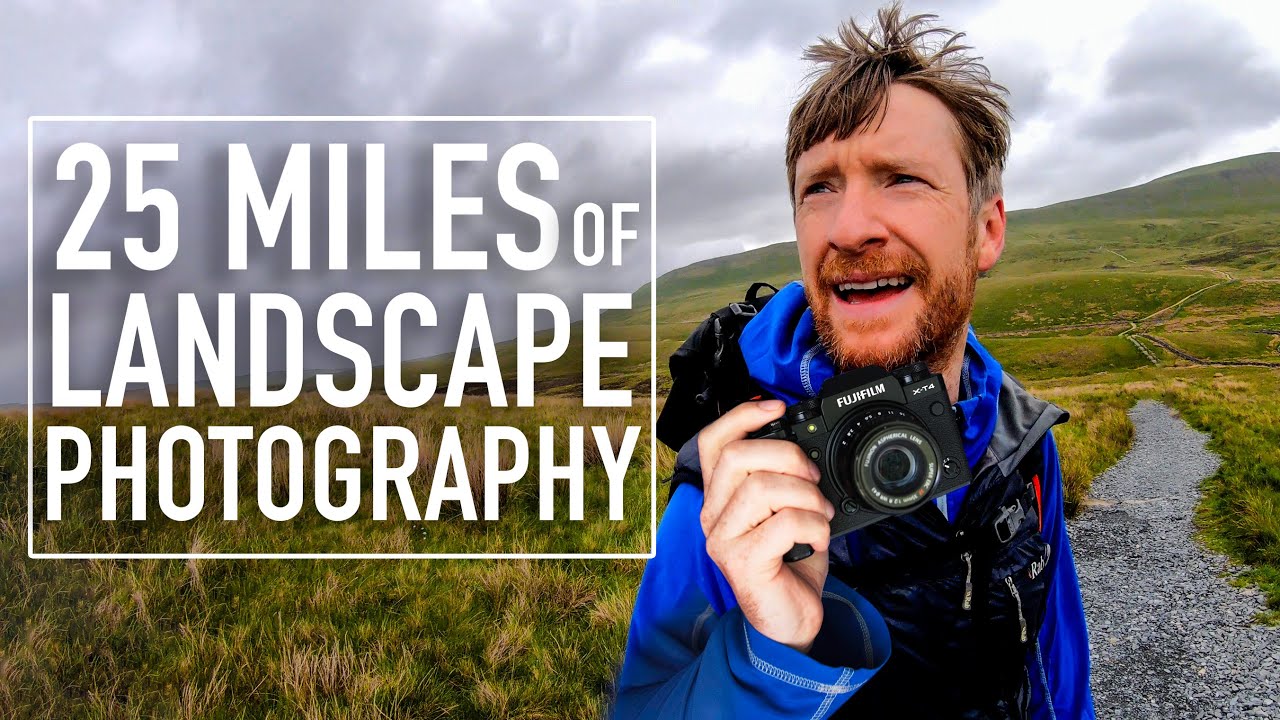
What 25 Miles Taught Me About Seeing the Landscape (Not Just Photographing It)

What 25 Miles Taught Me About Seeing the Landscape (Not Just Photographing It)

There’s a particular kind of creative rut that doesn’t feel like a rut at first. You’re still going out. You’re still shooting. But somewhere between the trailhead and the composition, you realize you’re just collecting frames rather than making photographs. I’ve been there more times than I’d like to admit, usually in late autumn when the light is flat and my motivation has started to match it. What snaps me out of it isn’t a new piece of gear or a different location.

One Lens for Everything? What Nigel Danson's 24-120mm Field Test Taught Me About Compromise

One Lens for Everything? What Nigel Danson's 24-120mm Field Test Taught Me About Compromise

There’s a version of this problem I’ve lived a hundred times. You’re standing at the trailhead at 4:30 in the morning, headlamp on, pack already too heavy, and you’re staring at two lenses trying to decide which one gets left in the car. Take the sharpest glass and your shoulders pay for it by mile six. Take the lighter zoom and you spend the whole walk home wondering what the image could have been on better glass.

Hiking Alone to Great Gable: What Thomas Heaton's Remote Shoot Taught Me About Planning, Patience, and Gear

Hiking Alone to Great Gable: What Thomas Heaton's Remote Shoot Taught Me About Planning, Patience, and Gear

There’s a particular kind of mountain that gets under your skin. Not necessarily the tallest or the most dramatic on paper, but one that rewards obsession. One that earns respect through difficulty. For Thomas Heaton, that mountain is Great Gable in England’s Lake District. In this Thomas Heaton tutorial, he documents a solo overnight trip to photograph from the summit, and from the first few minutes of footage you can already see the decision-making process of someone who has logged serious time in serious terrain.

Chasing the Summit Shot: What Thomas Heaton's Cul Mor Hike Teaches Us About Showing Up Prepared

Chasing the Summit Shot: What Thomas Heaton's Cul Mor Hike Teaches Us About Showing Up Prepared

There’s a version of this job that looks effortless from the outside. Golden light, dramatic peaks, camera in hand. What the Instagram grid never shows is the van packed with gear you’re not sure you need, the trail that’s longer than it looked on the map, and the moment you realize the sun is dropping faster than your legs are moving. That tension — between preparation and spontaneity, between the shot you planned and the shot the mountain offers — is something I’ve lived a hundred times in twenty years behind the lens.

When Plans Fall Apart on the Hill: Adapting Your Landscape Photography in Real Time

When Plans Fall Apart on the Hill: Adapting Your Landscape Photography in Real Time

There’s a version of landscape photography that lives on spreadsheets and weather apps and pre-visualized compositions you’ve been planning since January. And then there’s what actually happens when you show up. After twenty years of dragging gear up ridgelines before dawn, I’ve learned that the gap between those two versions of events is where the real craft lives. The ability to read conditions on the fly, swap your plan without ego, and still produce meaningful work is what separates photographers who make images from photographers who collect hikes.