From Observer to Photographer: A Complete Landscape Workflow That Actually Works

From Observer to Photographer: A Complete Landscape Workflow That Actually Works

There’s a particular kind of frustration that creeps in when you arrive at a location, camera in hand, and immediately feel the pressure to produce. You start firing frames before you’ve even looked at the place. You chase the light without a plan. You come home with a hundred forgettable images and one nagging feeling that you missed something. I’ve been doing this for twenty years and it still happens to me if I’m not deliberate about my process.
Why Your Landscape Images Aren't Sharp (And What to Actually Do About It)

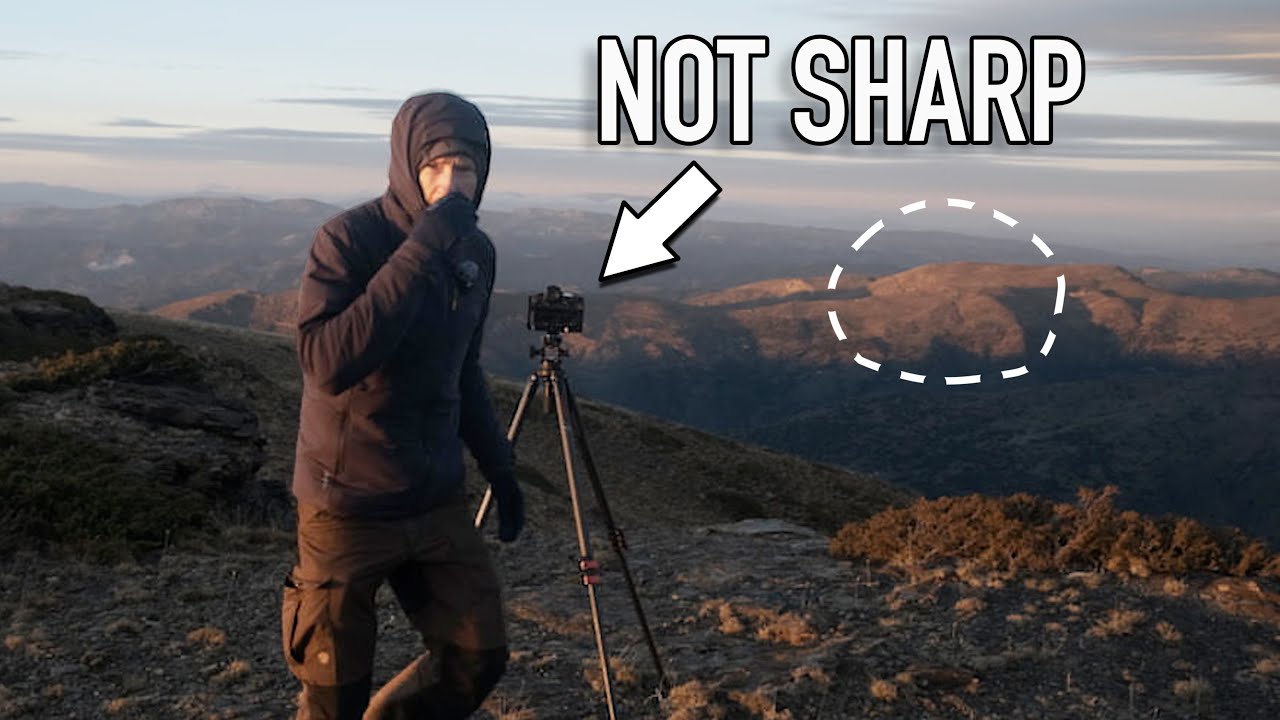
Why Your Landscape Images Aren't Sharp (And What to Actually Do About It)

Sharpness has humbled me more times than I care to admit. Twenty years into this work, I still occasionally pull up an image on the big monitor back in my studio in Bend and feel that sinking recognition — soft edges, a slightly missed focus point, motion blur I didn’t notice in the field because I was too excited about the light. It’s one of those problems that doesn’t announce itself until it’s too late, and by then the golden hour is gone and you’re driving home with a card full of near-misses.

Shoot the Whole Event: 5 Landscape Photography Lessons That Changed How I Work in the Field

Shoot the Whole Event: 5 Landscape Photography Lessons That Changed How I Work in the Field

There’s a particular kind of frustration that comes with standing at a location you’ve planned for weeks, watching the light do something extraordinary, and realizing your timing was off by ten minutes. You caught the buildup but missed the peak. Or you packed up too early and the real show started as you were walking back to the car. I’ve made both mistakes more times than I’d like to admit, and after two decades shooting landscapes full-time out of Bend, Oregon, I still have to fight the urge to call a shoot done before it actually is.

Three Hard-Won Lessons That Will Change How You Approach Landscape Photography

Three Hard-Won Lessons That Will Change How You Approach Landscape Photography

There is a particular kind of frustration that only landscape photographers know. You have driven hours, hiked in the dark, set up your tripod in exactly the right spot, and then a wall of cloud swallows the light thirty seconds before golden hour peaks. I have been standing in that exact moment more times than I can count, and after twenty years of doing this professionally, I still have not found a way to make it hurt less.

Mistakes I Still Catch Myself Making (And What a Sharp Tutorial Finally Put Into Words)

Mistakes I Still Catch Myself Making (And What a Sharp Tutorial Finally Put Into Words)

There’s a particular kind of humility that comes with twenty years of waking before dawn and standing in cold water with a camera. You’d think by now I’d have ironed out every bad habit. And mostly, I have. But watching this Visual Education tutorial on common landscape photography mistakes last week, I found myself nodding along at things I still catch myself doing when I’m tired, rushed, or just too eager to shoot.

Is Your Composition Too Busy? 5 Signs I Learned to Recognize (The Hard Way)

Is Your Composition Too Busy? 5 Signs I Learned to Recognize (The Hard Way)

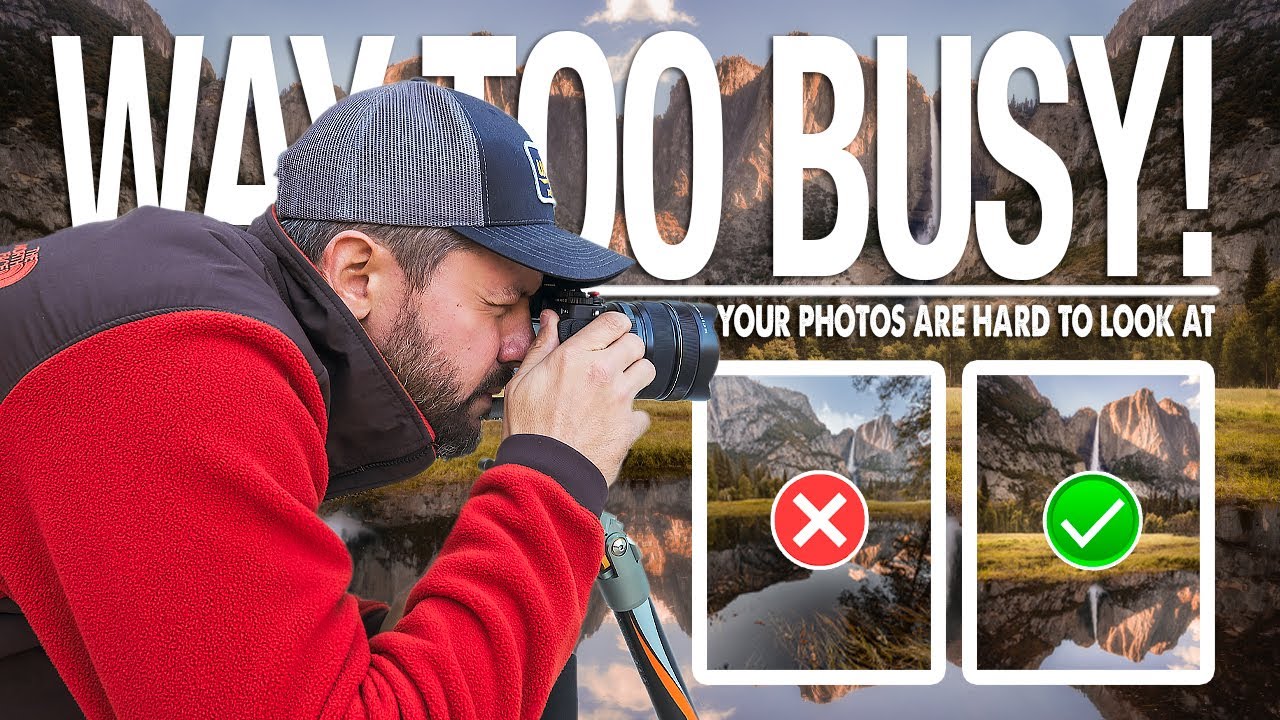
There’s a particular kind of frustration that comes from returning home with a full memory card, pulling images up on the monitor, and feeling a quiet unease you can’t quite name. The photos aren’t technically wrong. Exposure is solid, focus is sharp, the light was genuinely beautiful. But something about them feels cluttered. Restless. Like a room where someone shoved too much furniture against the walls. I’ve been shooting landscapes full-time for two decades, and I still run into this problem.

Why Your Landscape Photos Feel Cluttered (And the Simple Fix That Changes Everything)

Why Your Landscape Photos Feel Cluttered (And the Simple Fix That Changes Everything)

I’ve spent twenty years standing in cold rivers at first light, driving through the dark to catch a sunrise that may or may not show up, and staring at my own photos trying to figure out why some work and some simply don’t. After all that time in the field, I can tell you that the failure point for most outdoor images isn’t exposure or gear or even light. It’s something quieter and harder to name.