Trading Screen Time for Shutter Time: What Nature Photography Does for Your Head (and Your Images)

Trading Screen Time for Shutter Time: What Nature Photography Does for Your Head (and Your Images)

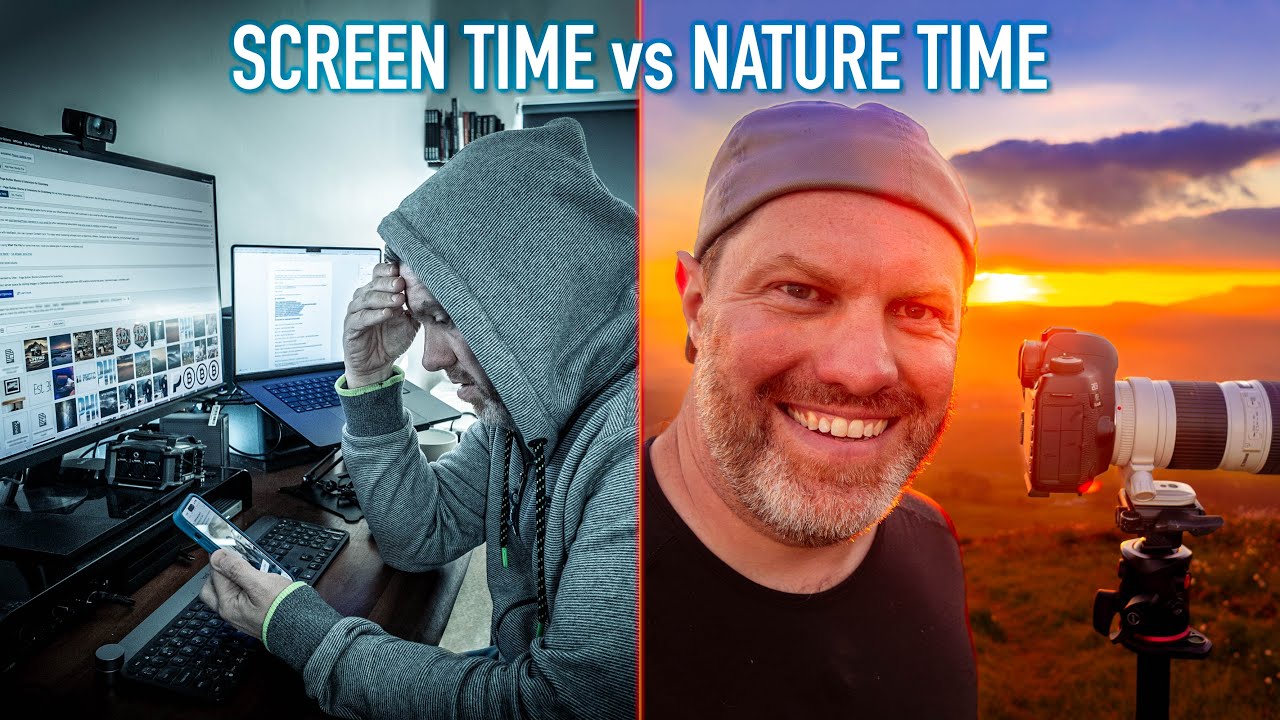
There is a number I keep coming back to: seven hours. That is the average amount of time people spend looking at screens each day. I know photographers who spend that long editing, scrolling for inspiration, or arguing in comment sections about gear they will never buy. I spent years doing some version of that myself, and I can tell you with some certainty that none of it made me a better photographer or a happier person.

Shoot What's Close: A Woodland Waterfall Composition Lesson from Your Own Backyard

Shoot What's Close: A Woodland Waterfall Composition Lesson from Your Own Backyard

There’s a particular kind of creative exhaustion that comes from chasing epic locations. I know it well. I’ve driven hours into the Oregon backcountry, set up in perfect darkness, and then spent two days watching fog refuse to lift while my coffee got cold and my patience got thinner. Those trips have their place. But somewhere along the way I started giving serious weight to the opposite approach: go somewhere you already know, go quickly, and work the scene until you get something worth keeping.

Chasing Bluebells at Dawn: Field Techniques for Woodland Wildflower Photography

Chasing Bluebells at Dawn: Field Techniques for Woodland Wildflower Photography

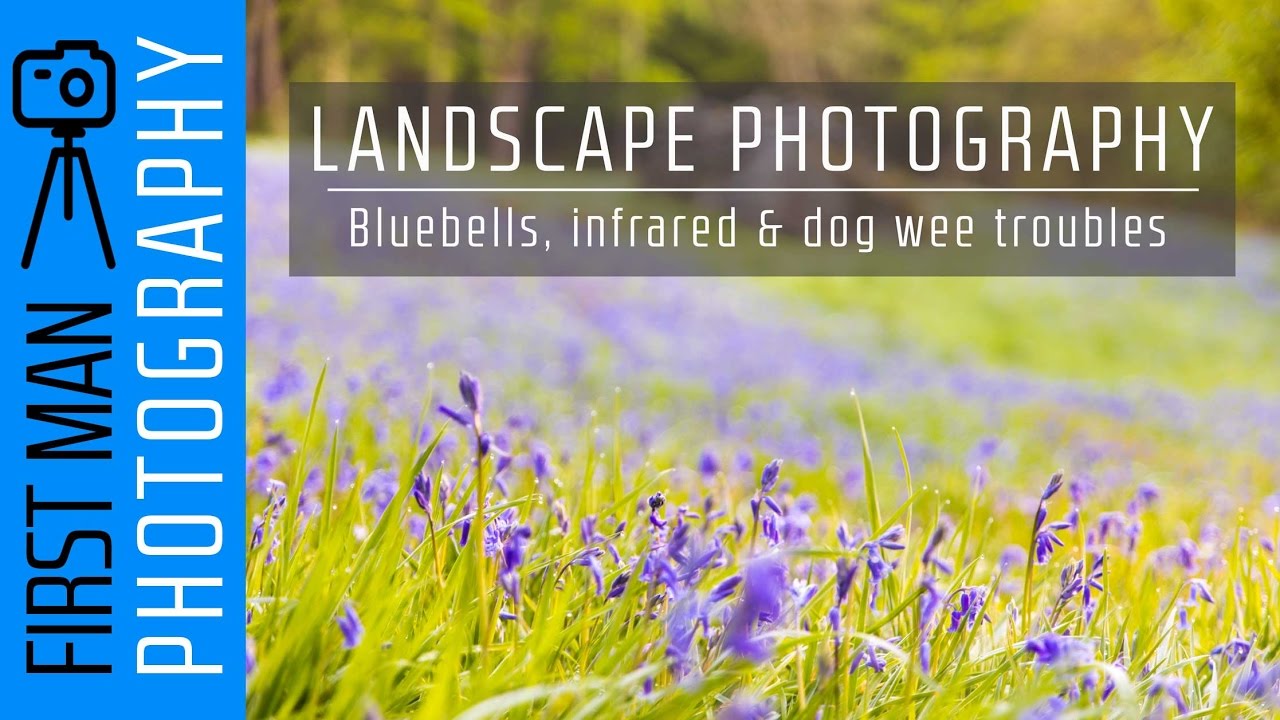
There is a narrow window every spring when the bluebells are up and the canopy hasn’t fully closed, and if you miss it, you wait another year. I’ve driven to locations only to find the flowers past peak, or arrived at perfect light with no idea where to place my tripod. That gap between showing up and actually seeing the shot is something most tutorials skip over. What I appreciate about this recent vlog from First Man Photography, Watch the full tutorial on YouTube, is that it doesn’t skip that part.

One Week, One Subject: What Bluebell Season Taught Me About Slowing Down

One Week, One Subject: What Bluebell Season Taught Me About Slowing Down

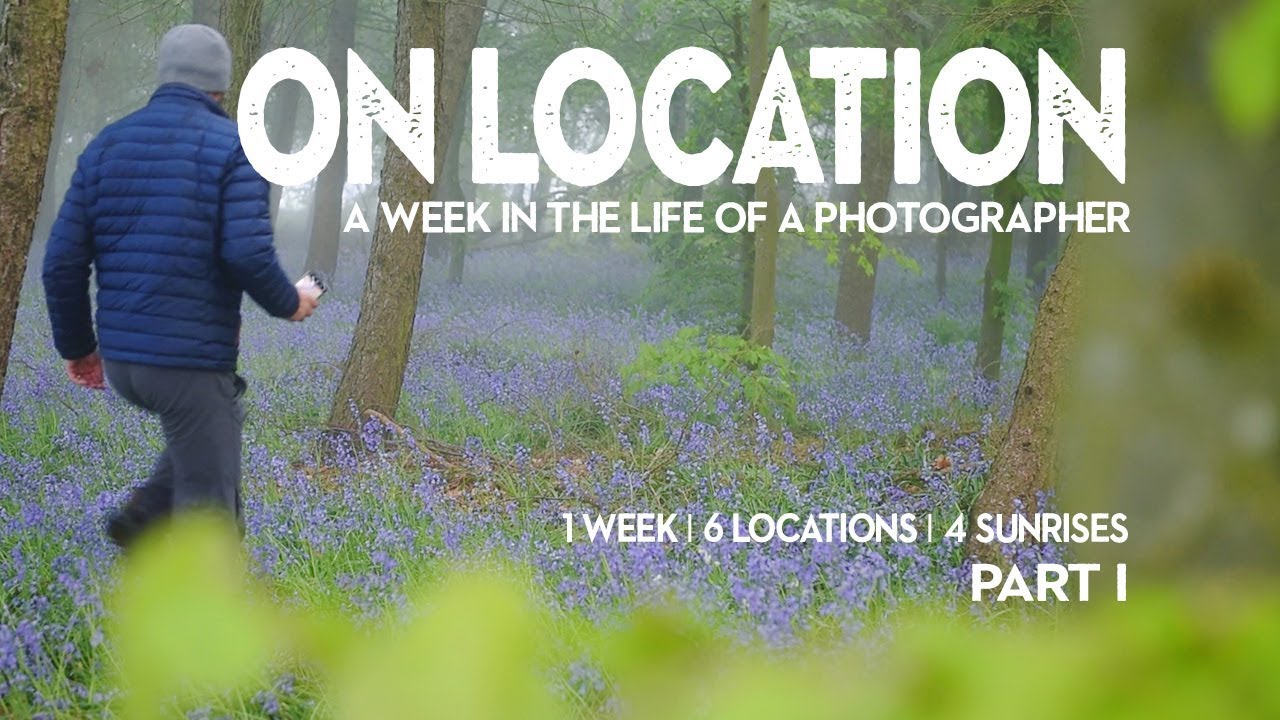
There’s a particular kind of humility that comes from showing up to a location and realizing the scene you planned for isn’t ready yet. I’ve stood in a lot of places at 4am waiting for the light or the subject or both to cooperate. Sometimes they do. Often they don’t. What separates a productive week of shooting from a frustrating one isn’t luck or even gear. It’s the discipline of working a subject methodically, returning, adjusting, and letting the location teach you something.

How to Find and Photograph Forest Scenes When the Light Refuses to Cooperate

How to Find and Photograph Forest Scenes When the Light Refuses to Cooperate

There’s a kind of shoot I’ve done hundreds of times: I show up somewhere dramatic, the sky is flat blue, the light is harsh, and everything that made the location worth the drive looks completely dead on a sensor. For years, my instinct was to pack up and wait for better conditions. What I’ve learned since then, slowly and sometimes painfully, is that a flat-light day isn’t a failed shoot day.