Tide, Light, and Letting Go: Seascape Lessons from a Near-Miss at Sunrise

Tide, Light, and Letting Go: Seascape Lessons from a Near-Miss at Sunrise

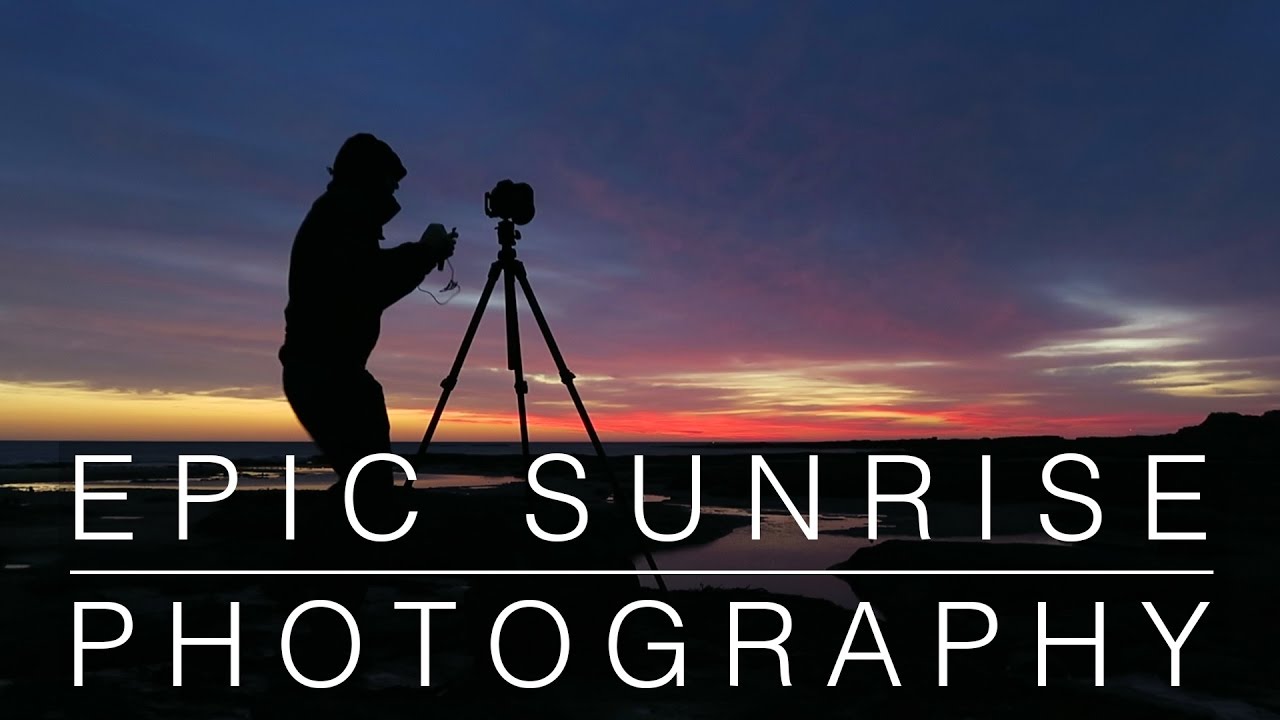
There’s a particular kind of humility the coast hands you. I’ve spent two decades waking before dawn, and the ocean still finds ways to remind me who’s in charge. That’s part of why I found myself watching this Thomas Heaton tutorial more than once - not just for the photography instruction, but because Heaton does something most tutorial creators won’t: he shows you the mistake in real time. He gets cut off by an incoming tide mid-shoot, wades back to dry land, and then calmly unpacks what he actually learned.
Chasing the Light on a Marin Hillside: Composition Lessons from Nigel Danson's San Francisco Shoot

Chasing the Light on a Marin Hillside: Composition Lessons from Nigel Danson's San Francisco Shoot

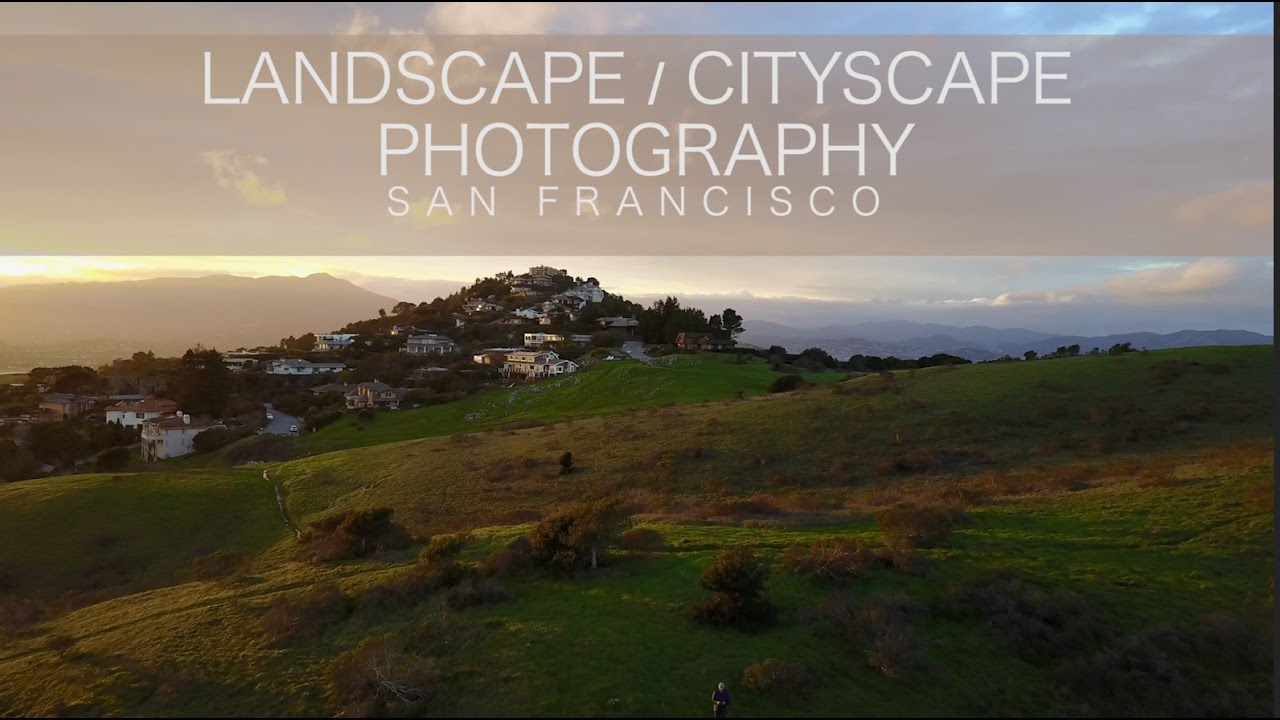
There’s a particular kind of desperation that hits when you’re scrambling up a hillside, the light is dropping faster than you expected, and you still haven’t locked in a composition. I’ve been there more times than I’d like to admit, at 45 years into loving this craft and 20 years into making it my livelihood. Most photographers only talk about their wins. The sessions that came together. The shots that sold.

What Aerial Photography Over the Australian Outback Taught Me About Shooting in Chaos

What Aerial Photography Over the Australian Outback Taught Me About Shooting in Chaos

There are landscapes that genuinely resist you. Not because the light is wrong or the season is off, but because the sheer scale and strangeness of the place makes your usual toolkit feel inadequate. I’ve stood in the Columbia River Gorge at first light thinking I had everything figured out, only to realize the scene demanded something I hadn’t practiced. That’s the feeling I got watching William Patino’s aerial photography session over the Western Australian desert.

Finding the Shot in Flat Country: How Foreground Transforms Ordinary Landscapes

Finding the Shot in Flat Country: How Foreground Transforms Ordinary Landscapes

There’s a particular kind of despair that sets in when you pull up to a flat location and realize the horizon isn’t going to save you. No dramatic peaks, no crashing water, nothing to anchor the eye. I’ve been there more times than I’d like to admit, standing at the edge of some wide, unremarkable plain in central Oregon at 4:45 in the morning, wondering why I got out of bed.

Finding Harmony in the Chaos: How to Photograph Temperate Rainforest Like a Pro

Finding Harmony in the Chaos: How to Photograph Temperate Rainforest Like a Pro

Forest photography has humbled me more times than I care to admit. I’ve stood in old-growth Douglas fir outside Bend with a perfectly charged battery, ideal overcast light, and zero keeper shots to show for two hours of work. The problem wasn’t the gear. It wasn’t the light. It was the chaos — that wall of overlapping trunks, competing textures, and tangled canopy that refuses to arrange itself into anything resembling a composition.

Two Focal Points, Warm Casts, and Wandering Eyes: What Your Aurora Shots Are Probably Getting Wrong

Two Focal Points, Warm Casts, and Wandering Eyes: What Your Aurora Shots Are Probably Getting Wrong

Critique is uncomfortable. I’ve been shooting full-time for twenty years and I still feel it, that slight tightening in the chest when someone picks apart an image I was proud of in the field. But critique is also, consistently, the fastest way I’ve ever improved. Not the vague kind, where someone tells you an image “feels busy,” but the specific, actionable kind where someone sits down with your file and says: here’s exactly what’s pulling the eye the wrong direction, and here’s how to fix it.

Shade Is Half the Shot: Field Lessons From a William Patino Tutorial

Shade Is Half the Shot: Field Lessons From a William Patino Tutorial

There’s a version of me that wasted years chasing light. Not the wrong kind of chasing. I mean the obsessive, tunnel-vision pursuit of golden hour glow while ignoring everything around it. I’d stand in a meadow fixated on one warm patch of light and wonder why my images felt flat, directionless. The shadow areas around that light felt like problems to solve, not tools to use. It took a long time in the field to understand that shade isn’t the absence of something good.

Why I Reach for My Longest Lens When the Landscape Feels Too Big to Photograph

Why I Reach for My Longest Lens When the Landscape Feels Too Big to Photograph

There’s a particular kind of paralysis that hits when you’re standing inside a landscape so enormous it refuses to organize itself into a frame. I’ve felt it in the Oregon high desert, in Iceland, in the Palouse. The scene is undeniably beautiful, but every wide-angle composition you try looks like a postcard that forgot its subject. The foreground is cluttered, the horizon is restless, and nothing tells you where to look.