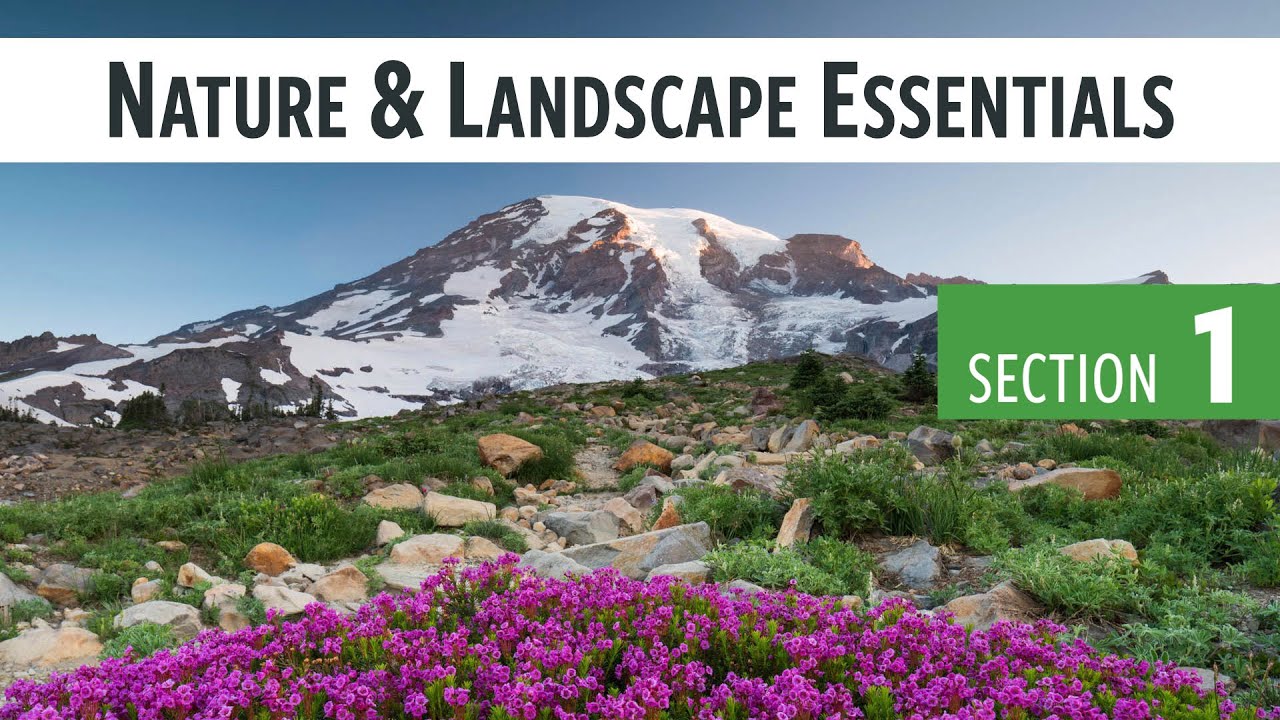
What John Greengo's Nature & Landscape Essentials Taught Me About Slowing Down Before the Hike

What John Greengo's Nature & Landscape Essentials Taught Me About Slowing Down Before the Hike

There’s a particular kind of photographer who plans a sunrise shoot, drives two hours in the dark, and still wonders why the image feels flat. I was that photographer. After twenty years of waking before the alarm, pulling on the lucky hat, and hiking into the blue-black cold, I still catch myself rushing past the foundational thinking that separates a technically correct image from one that stops people mid-scroll. When I came across John Greengo’s tutorial series, I recognized immediately that what he’d built wasn’t just a gear list or a tip sheet.
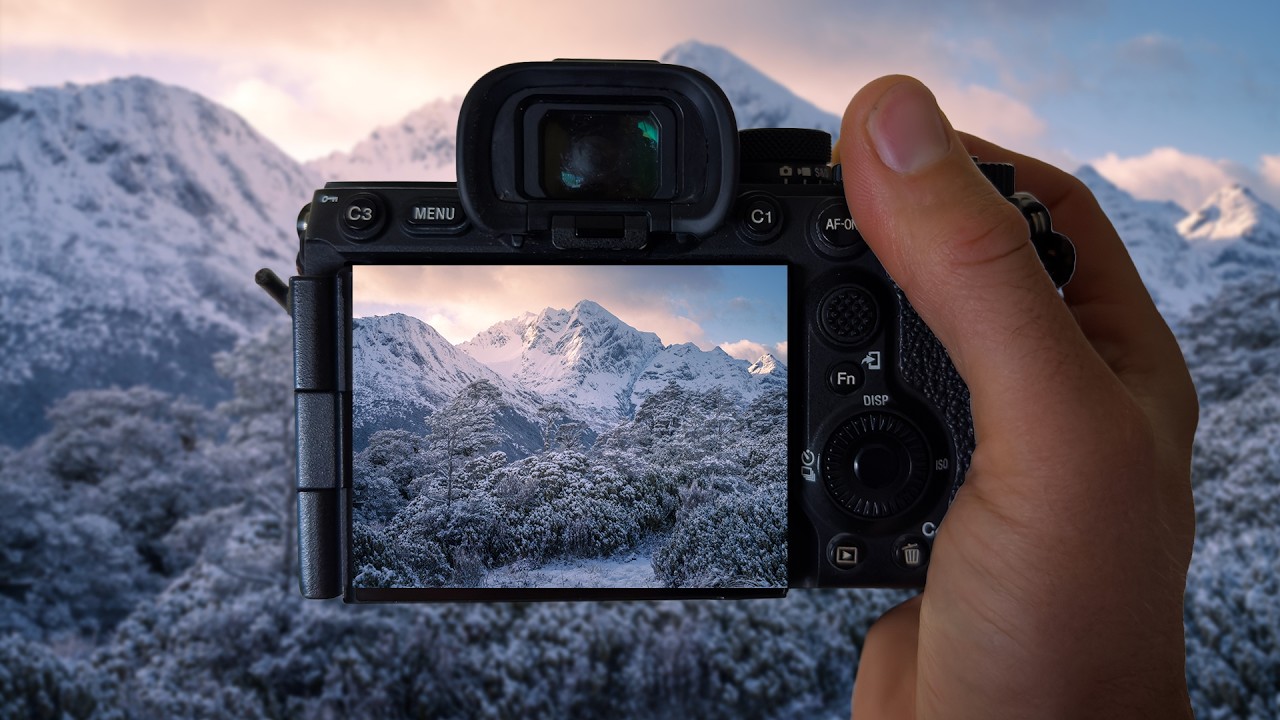
Shooting Snow-Covered Landscapes: What William Patino's New Zealand Tutorial Taught Me About Controlled Chaos

Shooting Snow-Covered Landscapes: What William Patino's New Zealand Tutorial Taught Me About Controlled Chaos

There’s a particular kind of paralysis that hits in a forest after fresh snowfall. Everything is beautiful. Every direction you turn, there’s a frame. And that abundance, counterintuitively, is what makes it one of the hardest environments to photograph well. I’ve stood in snow-covered pines in the Cascades enough times to know that the instinct to just start shooting is almost always wrong. The chaos of a white-blanketed forest demands more discipline, not less.

How to Shoot a Landscape Panorama That Actually Holds Together: Lessons from the Field

How to Shoot a Landscape Panorama That Actually Holds Together: Lessons from the Field

Panoramas have cost me more shots than almost any other technique. Not because the stitching is hard, or because the compositions don’t work, but because of the small, fixable mistakes that only show up later on a monitor back at the hotel. Mismatched exposures. Focus drift between frames. A white balance shift mid-sequence that makes the left side of the image a different color temperature than the right. I’ve been shooting landscapes for twenty years and I still have to remind myself of the fundamentals when conditions are moving fast and the light is doing something worth chasing.

iPad Pro vs. Wacom Tablet for Landscape Photo Editing: What a Working Photographer Actually Thinks

iPad Pro vs. Wacom Tablet for Landscape Photo Editing: What a Working Photographer Actually Thinks

There’s a particular kind of restlessness that sets in during editing season. You’ve done the hard part, the 4am wake-up, the frozen fingers, the three-mile hike to a ridgeline that may or may not deliver. Now you’re at your desk, and the work of translating what you felt out there into something a viewer can feel too begins. After twenty years of doing this, I still find that the tools I use for editing shape not just my efficiency, but my mood.

Why Your Milky Way Shots Look Flat (And What I Changed After 20 Years of Getting It Wrong)

Why Your Milky Way Shots Look Flat (And What I Changed After 20 Years of Getting It Wrong)

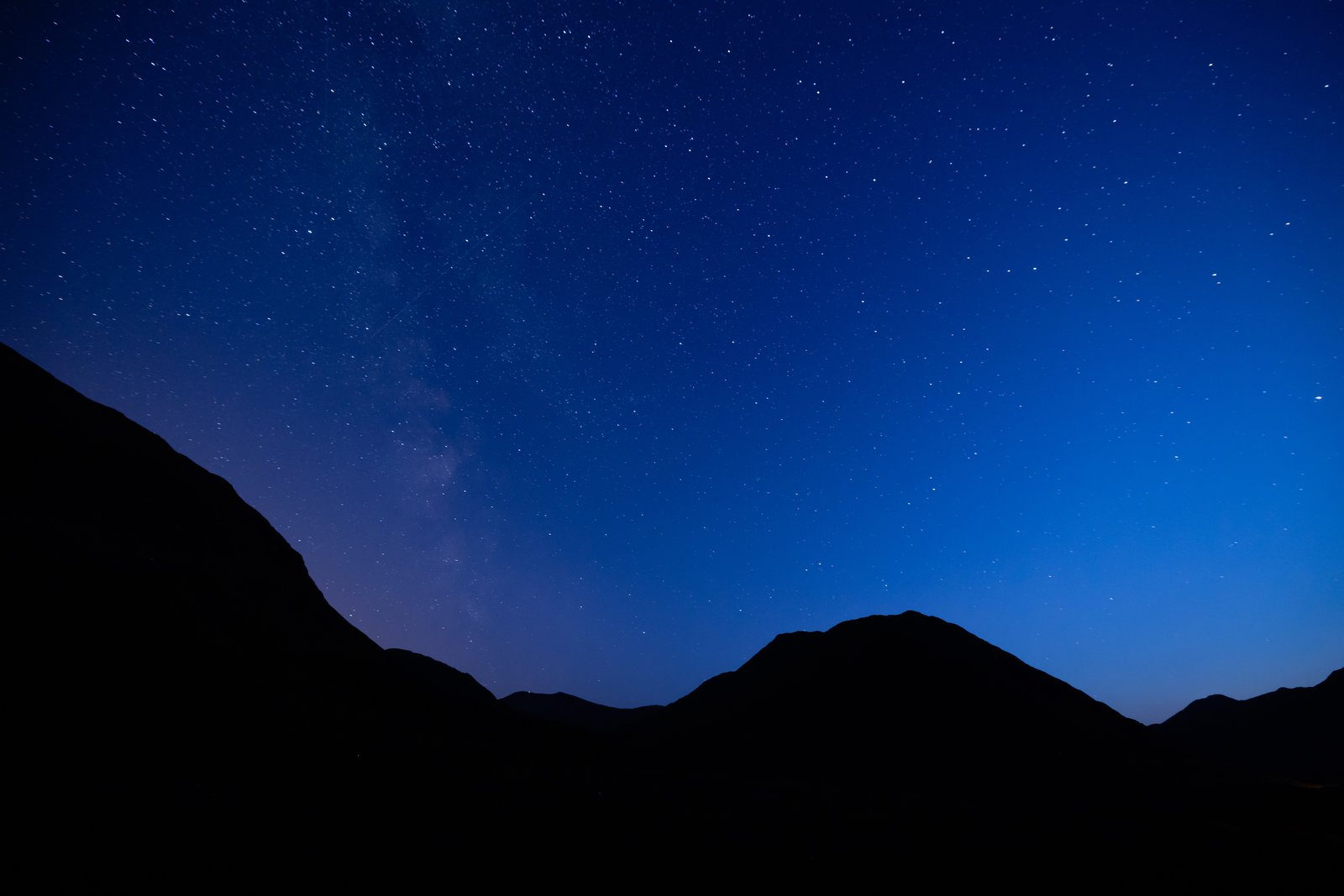
There’s a particular kind of frustration that comes from driving three hours into the Oregon high desert, setting up under a sky so thick with stars it almost feels heavy, and coming home with images that look like a gray smear over a dark blob. I’ve done it more times than I’d like to admit. The sky was perfect. My effort was genuine. But something between the light and the sensor kept getting lost, and for years I blamed the equipment.

When the Shot Doesn't Come: What a Hard Day in the Smokies Teaches You About Landscape Photography

When the Shot Doesn't Come: What a Hard Day in the Smokies Teaches You About Landscape Photography

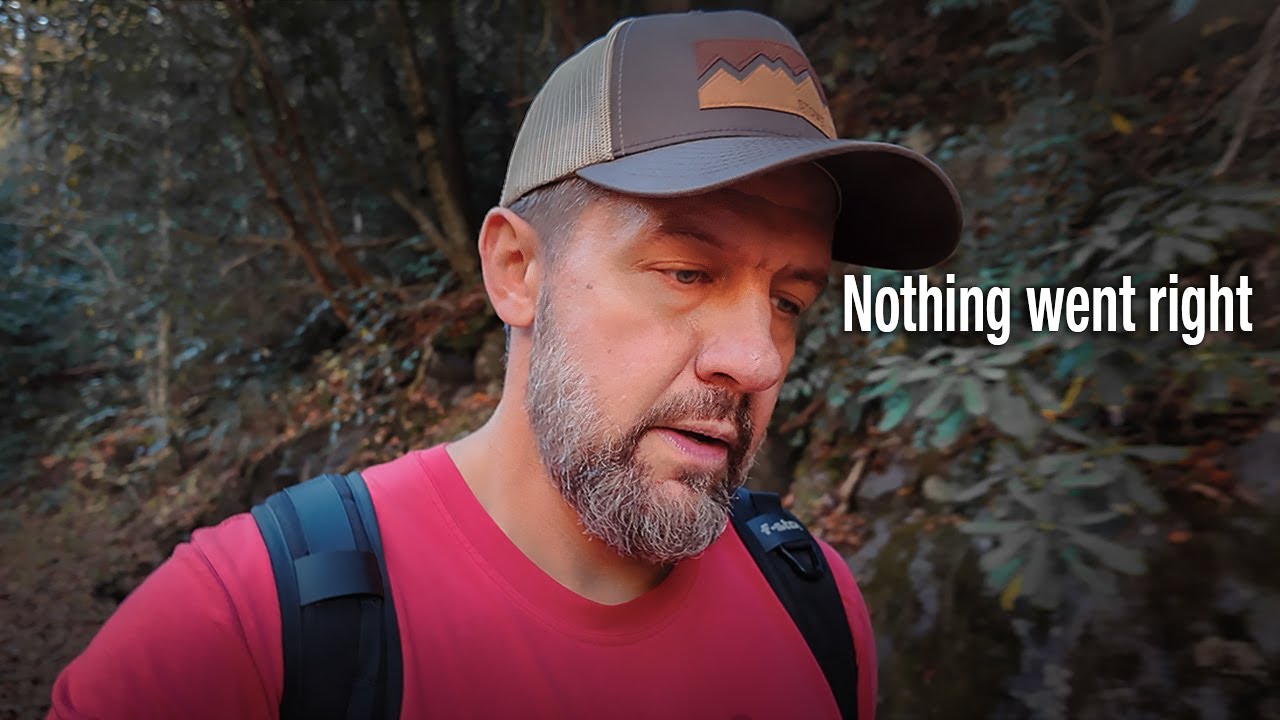
There’s a particular kind of quiet frustration that every serious landscape photographer knows. You’ve hiked in, you’ve waited for the light, and nothing is clicking. The compositions feel flat. The scene you imagined on the drive up isn’t cooperating. After twenty years doing this full-time, I still hit those days more often than I’d like to admit. What separates the photographers who grow from those who just get demoralized is whether they keep working the scene or pack it in early.

When the Light Fails: How to Use Composition to Save Any Landscape Shot

When the Light Fails: How to Use Composition to Save Any Landscape Shot

There’s a version of this job that looks glamorous from the outside. Golden hour, dramatic skies, the whole thing. Then there’s the version I’ve actually lived for twenty years, which involves a lot of drives that end in fog, blown forecasts, and a personal hat that has absorbed more disappointment than any piece of fabric should have to. The real skill, I’ve come to believe, isn’t knowing what to do when conditions cooperate.

Why Landscape Photographers Lose Their Fire (And How to Get It Back)

Why Landscape Photographers Lose Their Fire (And How to Get It Back)

There’s a particular kind of exhaustion that has nothing to do with the miles you’ve hiked or the hours you’ve waited in the cold. It’s the quiet kind. The kind where you look at your gear bag by the door and feel nothing. After twenty years of waking up before the rest of the world to chase light across the high desert of central Oregon, I’ve felt it. Not often, but enough to recognize it when it shows up in photographers who come through my workshops wearing the look of someone who has forgotten why they started.

Pack Every Lens: How Focal Length Transforms a Single Landscape Location

Pack Every Lens: How Focal Length Transforms a Single Landscape Location

There’s a trap I fell into early in my career, and I still see it happen with photographers in my workshops. You arrive at a famous location, shoot the obvious composition with the lens already on your camera, and leave thinking you’ve covered it. One frame, one focal length, one version of a place that millions of people have already photographed. It’s not a bad shot. It’s just an incomplete one.

How Mist and Flat Light Can Make Your Landscape Shots — If You Know How to Read Them

How Mist and Flat Light Can Make Your Landscape Shots — If You Know How to Read Them

There’s a version of this job that looks glamorous from the outside. Golden hour, dramatic skies, the shot comes easy. But after twenty years shooting landscapes full-time, I’ll tell you the sessions I learn the most from are the ones where the light refuses to cooperate. Overcast skies, drizzle, that flat gray ceiling that makes beginners pack up and go home. Those are the conditions that separate photographers who understand light from photographers who just wait for it.

Shooting in Foul Weather: What a Scottish Storm Taught Me About Finding the Shot

Shooting in Foul Weather: What a Scottish Storm Taught Me About Finding the Shot

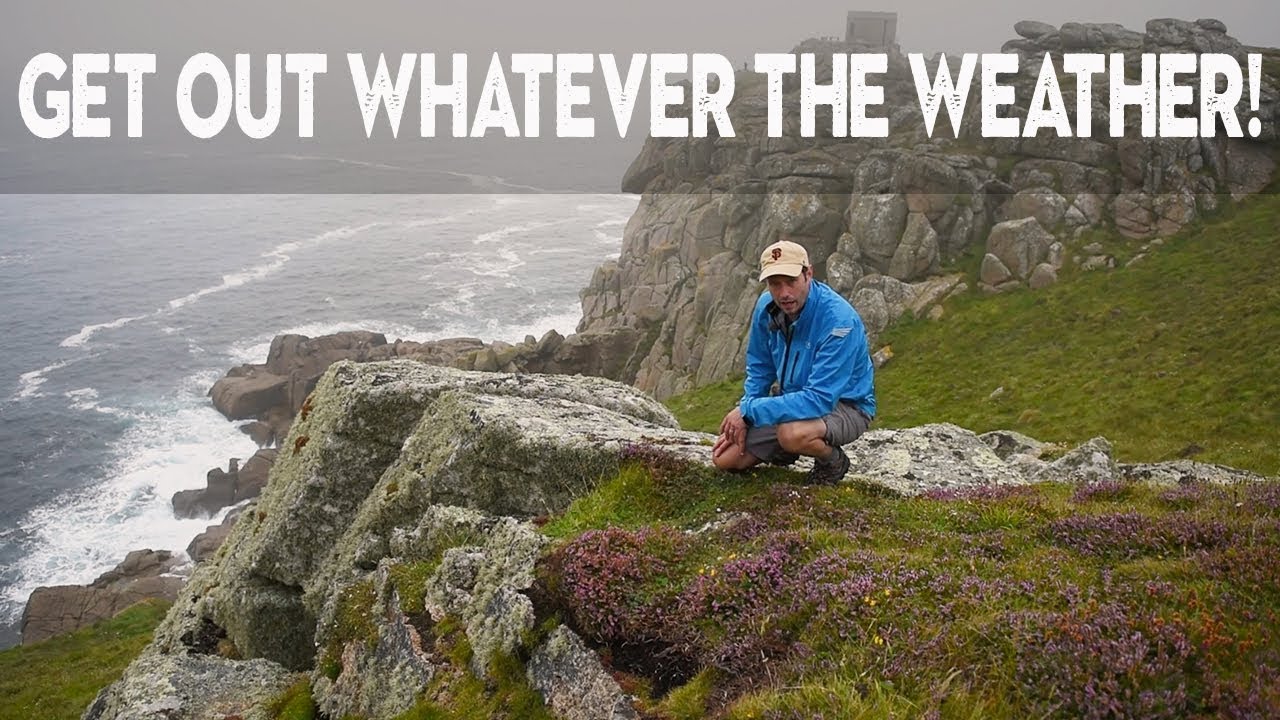
There’s a particular kind of misery that comes with arriving at a location after a long drive only to find flat gray light, horizontal rain, and a scene that refuses to cooperate. I’ve lived that morning more times than I can count. Twenty years into this work, I still don’t have a clean answer for what to do when the weather beats you. What I do have is a set of habits that keep me shooting when most people would retreat to the car.

Why Your Landscape Photos Feel Cluttered (And the Simple Fix That Changes Everything)

Why Your Landscape Photos Feel Cluttered (And the Simple Fix That Changes Everything)

I’ve spent twenty years standing in cold rivers at first light, driving through the dark to catch a sunrise that may or may not show up, and staring at my own photos trying to figure out why some work and some simply don’t. After all that time in the field, I can tell you that the failure point for most outdoor images isn’t exposure or gear or even light. It’s something quieter and harder to name.