Why the Mountain Wins Every Time (And How to Stop Fighting It)

Why the Mountain Wins Every Time (And How to Stop Fighting It)

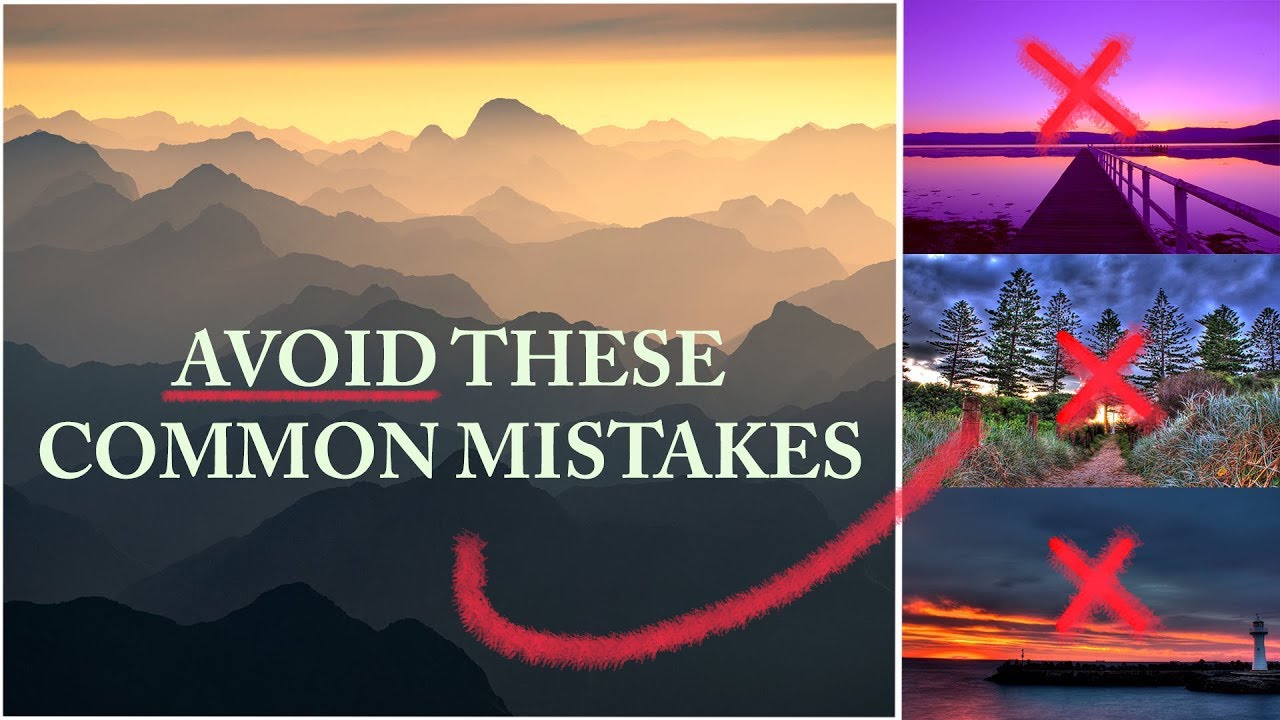
There’s a quote I’ve carried with me for twenty years. Early in my career, I was complaining to a mentor about a shoot that had gone sideways. Bad weather, wrong light, three hours of driving for nothing. He looked at me and said, “The mountain doesn’t care about your schedule.” I laughed at the time. Now I think about it on almost every shoot I do. Mountains are the most humbling subject in landscape photography.
What a £50,000 Camera Taught Me About Sensor Size (And Why It Still Comes Down to Light)

What a £50,000 Camera Taught Me About Sensor Size (And Why It Still Comes Down to Light)

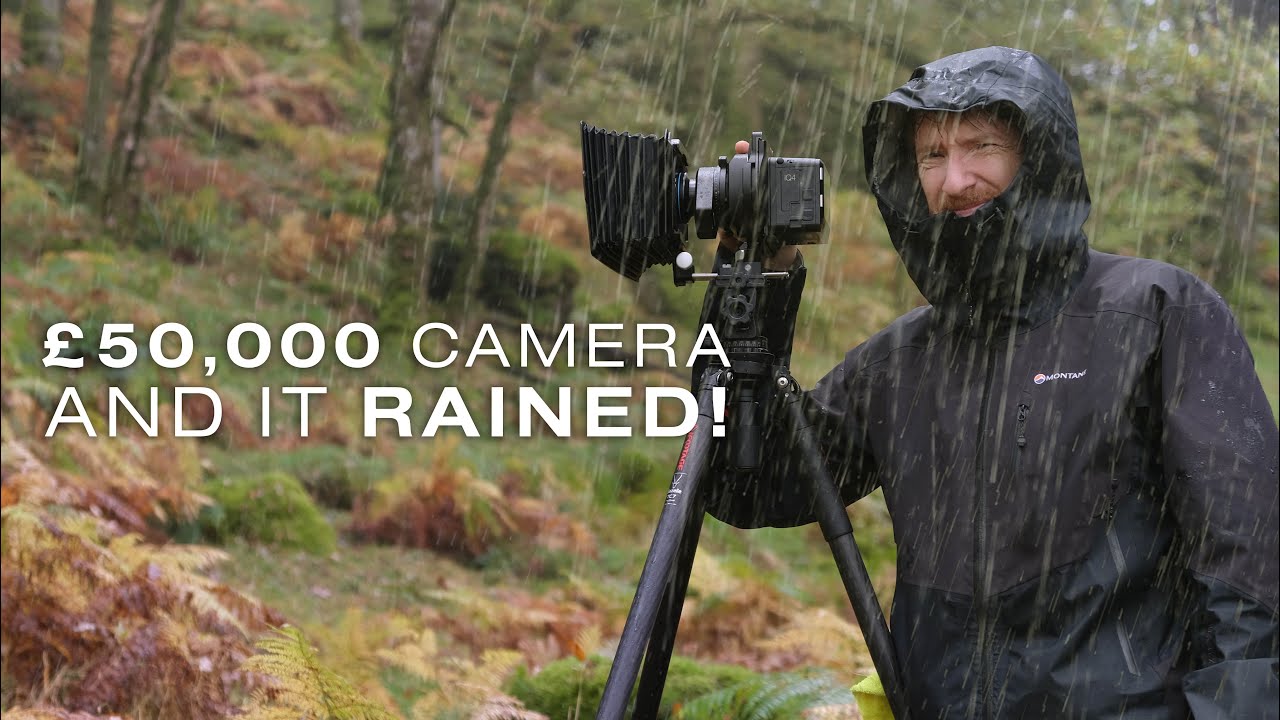
There’s a question I get at nearly every workshop I run: “Would better gear change your images?” My honest answer has always been the same. The light matters more than the camera. But I’ll admit there are moments when a piece of equipment makes you genuinely reconsider where the ceiling is. That’s the feeling I got watching Thomas Heaton take a Phase One XT IQ4 into the field, a system that runs north of £50,000, and document what it actually looks like to shoot with it as a working landscape photographer.

When the Light Fails You: What Nigel Danson Taught Me About Finding Compositions That Don't Need It

When the Light Fails You: What Nigel Danson Taught Me About Finding Compositions That Don't Need It

There’s a particular kind of afternoon I know too well. You’ve driven out, the gear is on your back, and the light that looked promising on the horizon has gone flat and grey. Most photographers pack up. The ones who keep shooting tend to learn something more durable than “wait for golden hour.” That’s the quiet lesson buried inside this Nigel Danson tutorial from the fells of the Lake District, and it’s one I wish someone had handed me twenty years ago when I was still convinced that good photography required perfect conditions.

The Two Minds You Need in the Field: Creative Instinct and Technical Discipline in Landscape Photography

The Two Minds You Need in the Field: Creative Instinct and Technical Discipline in Landscape Photography

There’s a particular kind of shoot I’ve done more times than I can count: no scouted location, no confirmed conditions, just a glimpse of something on a map or a distant ridgeline that says maybe. Those shoots terrify newer photographers. They don’t have a shot list, no reference images to reverse-engineer, no guarantee the light will cooperate. But after twenty years of doing this for a living, I’d argue that kind of uncertainty is where the best work gets made.

What Kirkstone Pass Taught Me About Planning Your Long Exposure Before You Leave the Car

What Kirkstone Pass Taught Me About Planning Your Long Exposure Before You Leave the Car

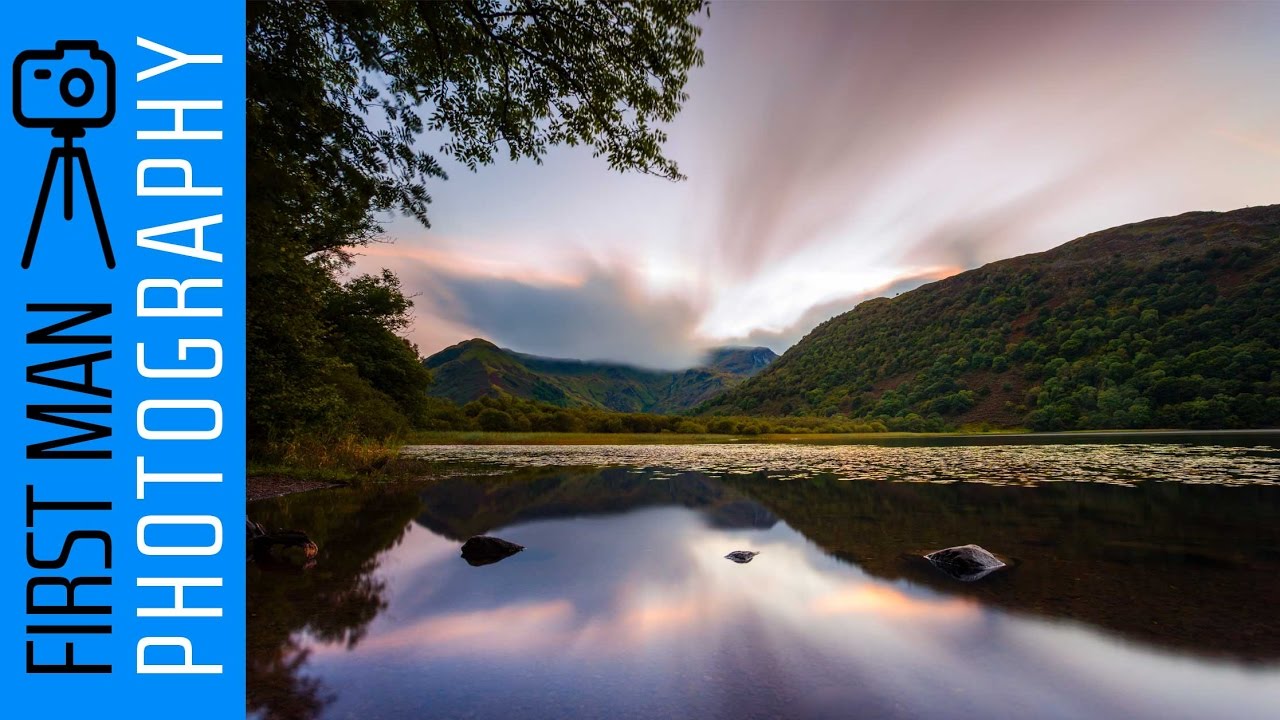
There is a particular kind of frustration that only landscape photographers know: you find the shot, you can see exactly what it needs to be, and then you realize the one piece of gear that would make it work is sitting back at the car. I have stood on hillsides in the dark, in the cold, doing that mental arithmetic, calculating whether the hike back is worth it. Sometimes it is.

One Week, One Subject: What Bluebell Season Taught Me About Slowing Down

One Week, One Subject: What Bluebell Season Taught Me About Slowing Down

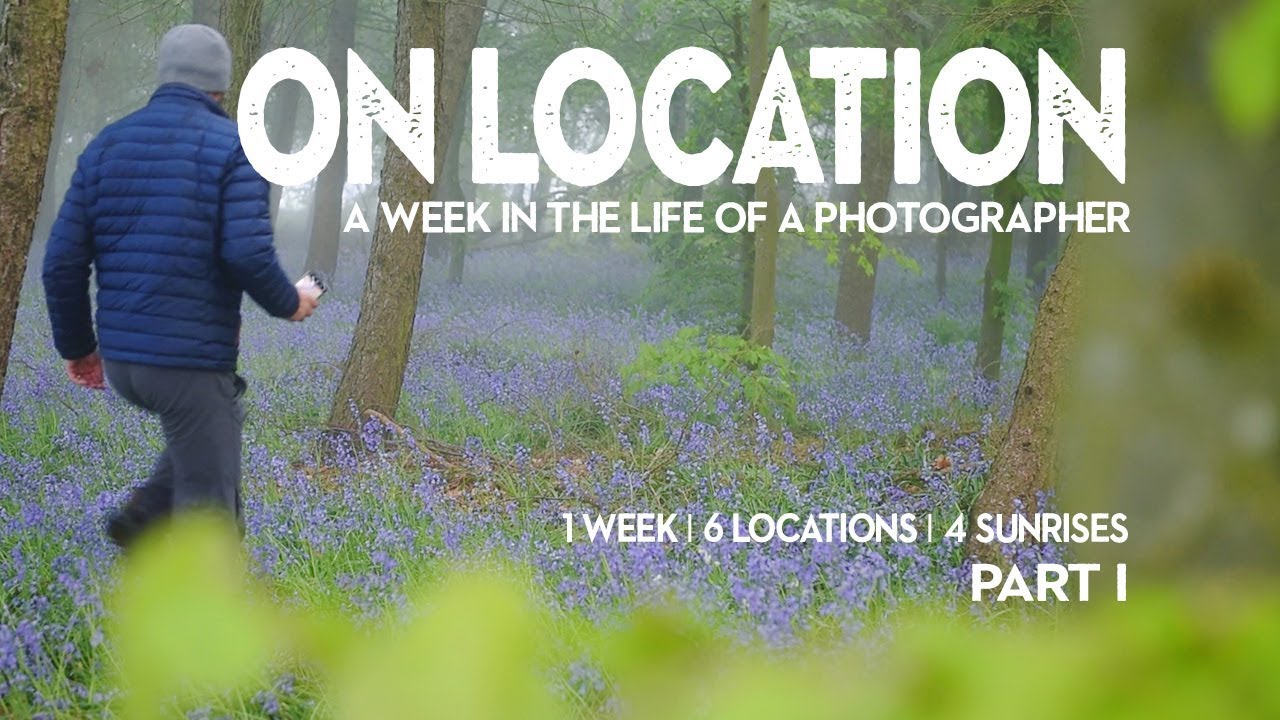
There’s a particular kind of humility that comes from showing up to a location and realizing the scene you planned for isn’t ready yet. I’ve stood in a lot of places at 4am waiting for the light or the subject or both to cooperate. Sometimes they do. Often they don’t. What separates a productive week of shooting from a frustrating one isn’t luck or even gear. It’s the discipline of working a subject methodically, returning, adjusting, and letting the location teach you something.

How Negative Clarity and Texture Gave My Landscape Photos a Painterly Soul

How Negative Clarity and Texture Gave My Landscape Photos a Painterly Soul

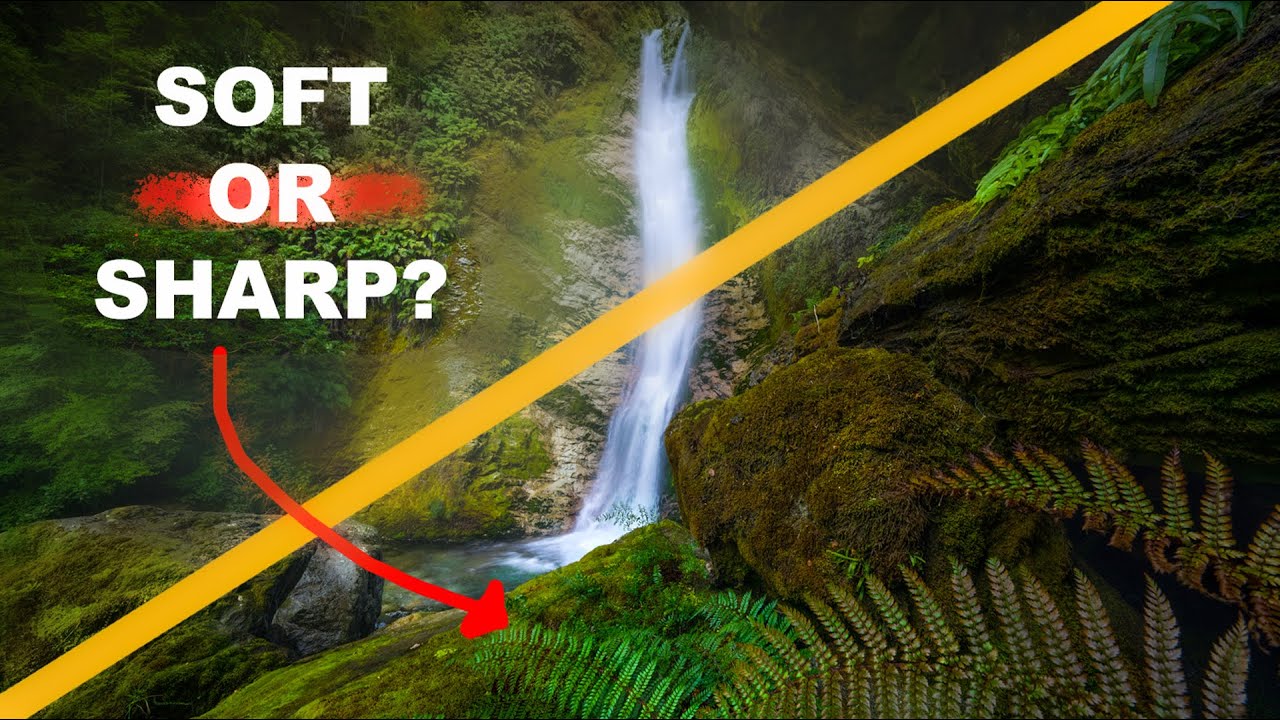
There is a particular kind of disappointment I know well. You drive hours into the dark, set up in a river at first light, wait for the fog to lift off the mountains, and come home with a technically perfect photograph that somehow feels dead. Sharp as a razor. Detailed to the point of exhaustion. It looks like a specification sheet, not a landscape. After twenty years of doing this work full time, I still fight that problem every single time I sit down at my editing desk.

The Story Triangle: Why Your Landscape Photos Aren't Landing (And How to Fix It)

The Story Triangle: Why Your Landscape Photos Aren't Landing (And How to Fix It)

I’ve been waking up before 4am and driving to dark trailheads for twenty years. In that time I’ve made technically solid images that nobody remembers, and a handful of photographs that people still write to me about years later. For a long time I couldn’t fully articulate the difference. Sharp is sharp. Exposed is exposed. So why do some images stick and others evaporate the moment the viewer scrolls past?

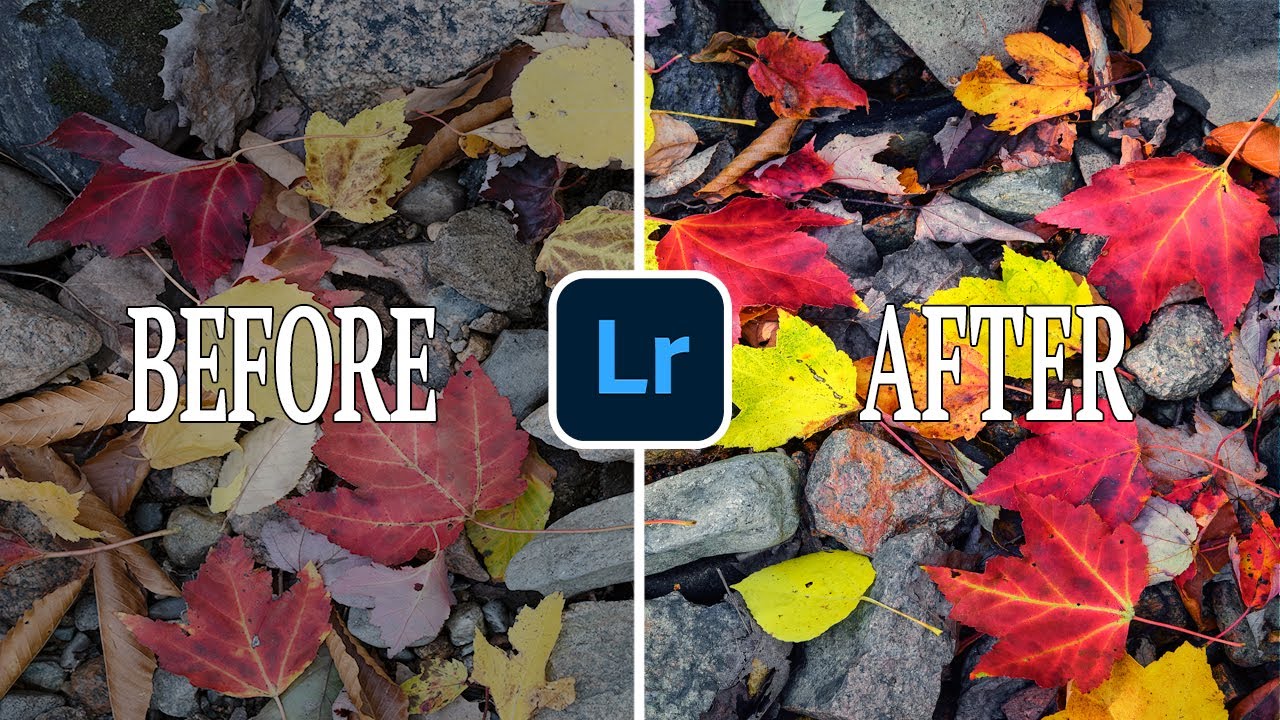
Goodbye Split Toning: How Lightroom's Color Grading Panel Changed the Way I Develop Every Landscape

Goodbye Split Toning: How Lightroom's Color Grading Panel Changed the Way I Develop Every Landscape

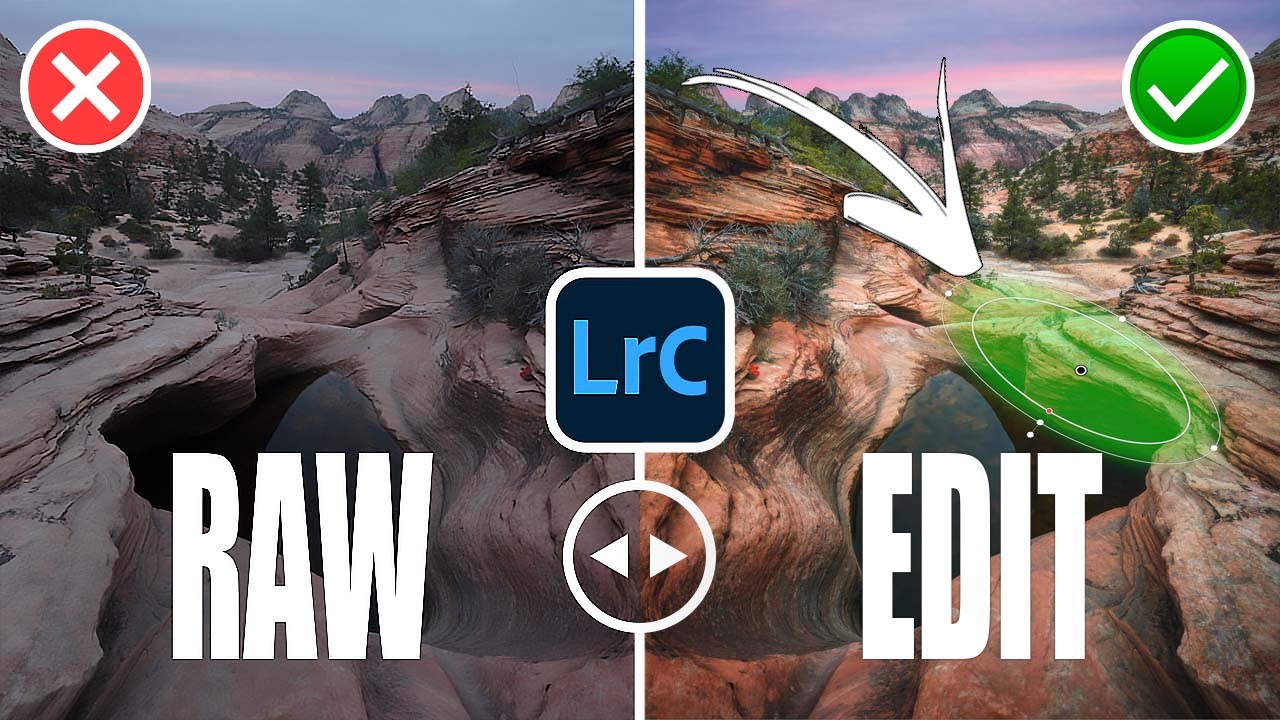
Color has always been the thing I lose sleep over. Not composition, not exposure, not even the light itself, though all three matter enormously. After twenty years of making landscape photographs, I’ve come to believe that the emotional weight of an image lives in its color. A technically perfect shot with flat, lifeless color will sit in a folder forever. The same frame with rich, coherent tones becomes the print someone hangs above their fireplace.

How to Shoot Dramatic Landscapes in Fiordland: Field Notes From William Patino's Approach

How to Shoot Dramatic Landscapes in Fiordland: Field Notes From William Patino's Approach

There’s a question I come back to every few years, usually when a season has gone flat and I’m grinding through shoots on autopilot. What actually excites me about this work? Not what I think I should be photographing, not what performs well in print sales, but what pulls me out of bed before the alarm even goes off. I’ve been doing this for twenty years, and I still need reminding.

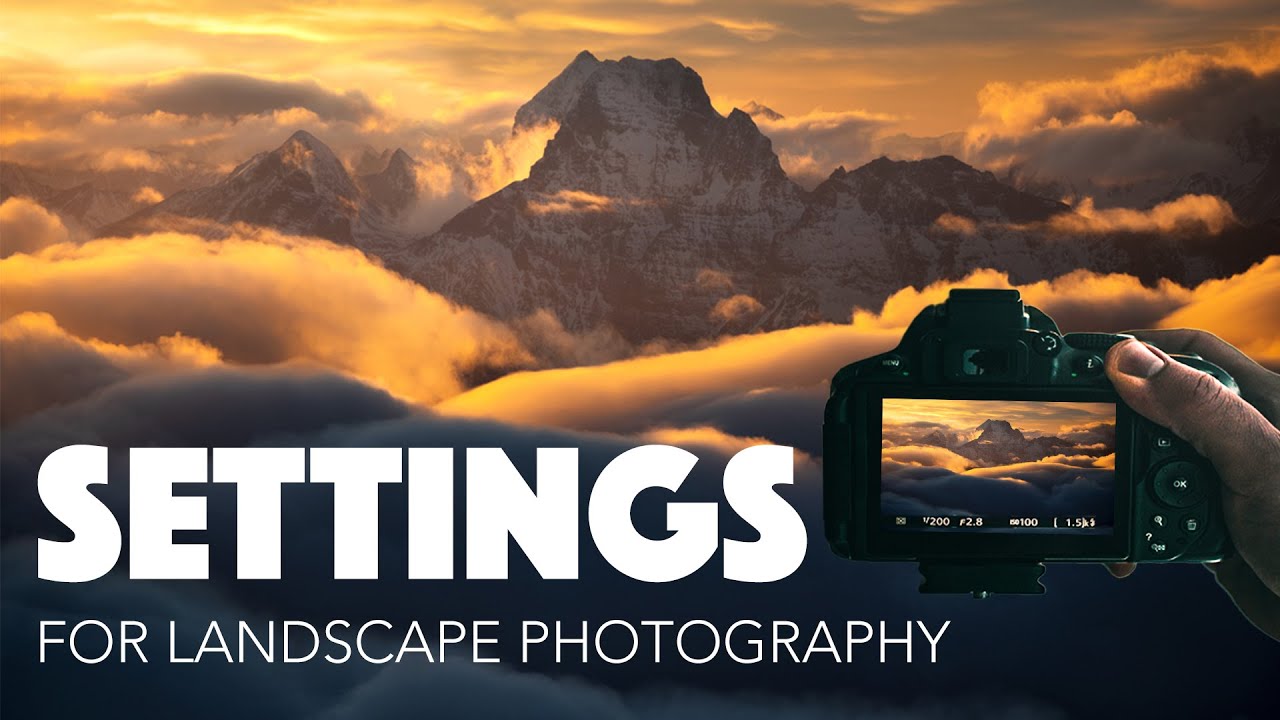
Camera Settings I Actually Use in the Field (And Why They Work): A Breakdown of William Patino's Beginner Landscape Guide

Camera Settings I Actually Use in the Field (And Why They Work): A Breakdown of William Patino's Beginner Landscape Guide

I’ve been waking up before dawn for twenty years, hauling gear into the dark, and the question I get most often at my workshops isn’t about composition or light. It’s this: “What settings should I be using?” People show up with good cameras and genuinely sharp eyes for a scene, and they’re losing the shot because their camera is fighting them instead of working with them. That gap, between owning a capable camera and actually controlling it, is what keeps a lot of beginners stuck.

Why Your Landscape Photos Look Flat (And Three Field Fixes That Actually Work)

Why Your Landscape Photos Look Flat (And Three Field Fixes That Actually Work)

There’s a particular kind of learning that only happens when someone shows you their failures. Not polished, curated “before and after” content, but the real stuff, the photographs that made them wince years later. I’ve been shooting landscapes full-time for two decades, and I can still pull up folders from my early years that make me question my own taste. Which is exactly why this William Patino tutorial stopped me mid-scroll.