When Plans Fall Apart on the Hill: Adapting Your Landscape Photography in Real Time

When Plans Fall Apart on the Hill: Adapting Your Landscape Photography in Real Time

There’s a version of landscape photography that lives on spreadsheets and weather apps and pre-visualized compositions you’ve been planning since January. And then there’s what actually happens when you show up. After twenty years of dragging gear up ridgelines before dawn, I’ve learned that the gap between those two versions of events is where the real craft lives. The ability to read conditions on the fly, swap your plan without ego, and still produce meaningful work is what separates photographers who make images from photographers who collect hikes.
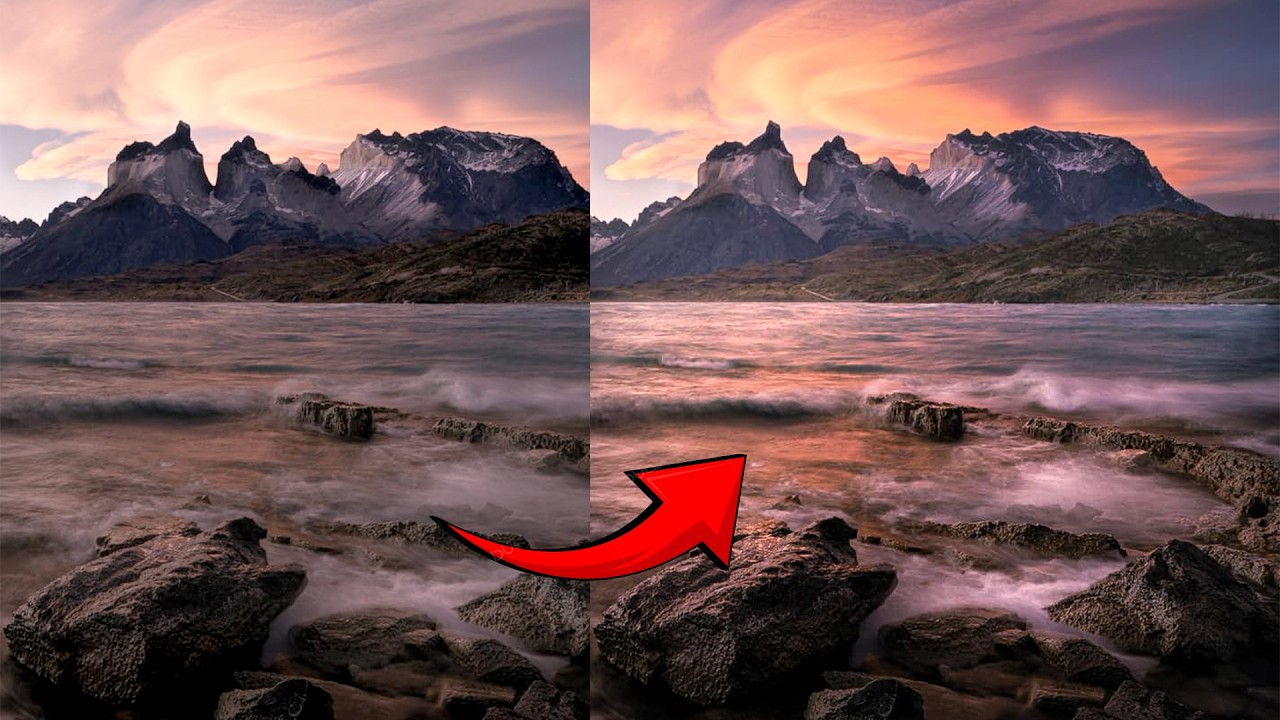
Why Your Landscape Photos Look Flat (And the Tonal Fixes That Actually Work)

Why Your Landscape Photos Look Flat (And the Tonal Fixes That Actually Work)

There is a particular kind of disappointment I know well. You were there. The light was extraordinary. You felt something standing in that landscape. Then you open the raw file and the image looks… compressed. Airless. Like everything is sitting on the same plane, equidistant from the viewer, none of it going anywhere. Flat. I have been shooting landscape photography full-time for two decades and I still encounter this problem regularly, especially when I push contrast or clarity too hard during processing.

How to Break Down a Grand Landscape Into a Photograph That Actually Feels Like Something

How to Break Down a Grand Landscape Into a Photograph That Actually Feels Like Something

There’s a particular kind of paralysis that hits you when the landscape is almost too big. You’ve hiked in, the light is doing something extraordinary, and you’re standing there rotating slowly with your camera raised, trying to stuff a 180-degree panorama into a single frame. I’ve been doing this for twenty years and it still gets me. The shot that usually comes out of that moment is technically fine and emotionally empty, because when a viewer doesn’t know where to look, they don’t feel anything.

Building Your First Landscape Kit: Quality Over Quantity

Building Your First Landscape Kit: Quality Over Quantity

Building Your First Landscape Kit: Quality Over Quantity There’s a persistent myth in landscape photography circles that success requires an ever-expanding arsenal of equipment. I’ve watched countless newcomers become paralyzed by gear anxiety, convinced they need a dozen lenses and every filter ever manufactured before they can capture meaningful images of the natural world. This couldn’t be further from the truth. After years spent hiking to remote locations and working from tripods in unpredictable conditions, I’ve come to appreciate something counterintuitive: landscape photography actually punishes excess gear.

The 3-Element Filter That Cuts Your Post-Trip Culling Time in Half

The 3-Element Filter That Cuts Your Post-Trip Culling Time in Half

Every time I come back from a long shoot, I face the same problem. Last autumn I drove out to the Alvord Desert and spent four days chasing light across the playa. I came home with just over 900 raw files. I sat down at my desk, opened Lightroom, and felt that familiar dread settle in. Not because editing is hard, but because I genuinely didn’t know where to start. Which images even deserved my attention?

9 Frames, One Shot: How to Combine HDR Bracketing and Panorama Stitching in Lightroom

9 Frames, One Shot: How to Combine HDR Bracketing and Panorama Stitching in Lightroom

There’s a specific frustration I’ve felt on nearly every dawn shoot I’ve done in the high desert outside Bend: the scene in front of me holds about three times more tonal range than my sensor can capture in a single frame. The shadows under the juniper trees go pure black. The clouds blow out to white. My eye reads the whole thing effortlessly, but the camera has to pick a lane.

Chasing the Right Light: A Full Sunset Workflow From Forecast to Final Edit

Chasing the Right Light: A Full Sunset Workflow From Forecast to Final Edit

I have stood in the dark next to my truck more times than I can count, thermos in one hand, phone in the other, watching a sky that was supposed to deliver something extraordinary do absolutely nothing. And I have also stood in places so lit up with color that my hands were shaking on the tripod. The difference between those two experiences almost never comes down to fortune. It comes down to whether I read the conditions correctly before I left the house.

Why Your Waterfall Photos Look Flat (And What I Do Differently in the Field)

Why Your Waterfall Photos Look Flat (And What I Do Differently in the Field)

The first thing I notice when I arrive at a waterfall is the sound. Before the camera bag comes off my shoulder, before I’ve even thought about composition, I’m listening. The volume and rhythm of moving water tells me something useful: how much flow there is, whether there’s been recent rain, how the light will likely behave once it hits the mist. After two decades of doing this, that listening has become instinct.

Why Your Panoramas Look Wrong (And How to Fix Them Before You Leave the Trailhead)

Why Your Panoramas Look Wrong (And How to Fix Them Before You Leave the Trailhead)

There’s a ridge I return to every autumn outside Bend, where the Cascades stack up in layers from west to east. The scene is roughly 180 degrees of usable sky, volcanic peaks, and high desert. My camera’s widest lens can’t touch it. Neither can a single frame at any focal length without introducing so much foreground distortion that the mountains look like they’re leaning away from the viewer. The only honest way to render that place is to stitch it, and I spent an embarrassing amount of time doing it wrong before I understood what was actually happening between the frames.

Getting Uncomfortably Close: How Ultra-Wide Lenses Unlock a Different Kind of Landscape Image

Getting Uncomfortably Close: How Ultra-Wide Lenses Unlock a Different Kind of Landscape Image

There is a version of me from fifteen years ago who bought a 10mm lens, slapped it on my camera, and wondered why everything looked like a novelty fisheye postcard. Wide angle lenses are deceptive. They look forgiving because they seem to pull everything in, but they punish lazy composition faster than any other focal length. The problem, specifically, is the foreground. With a longer lens you can ignore it. With an ultra wide, it is half your image whether you planned for it or not.

What the Fog Teaches: How I Finally Learned to Expose the Night Sky Without Blowing Out the Stars

What the Fog Teaches: How I Finally Learned to Expose the Night Sky Without Blowing Out the Stars

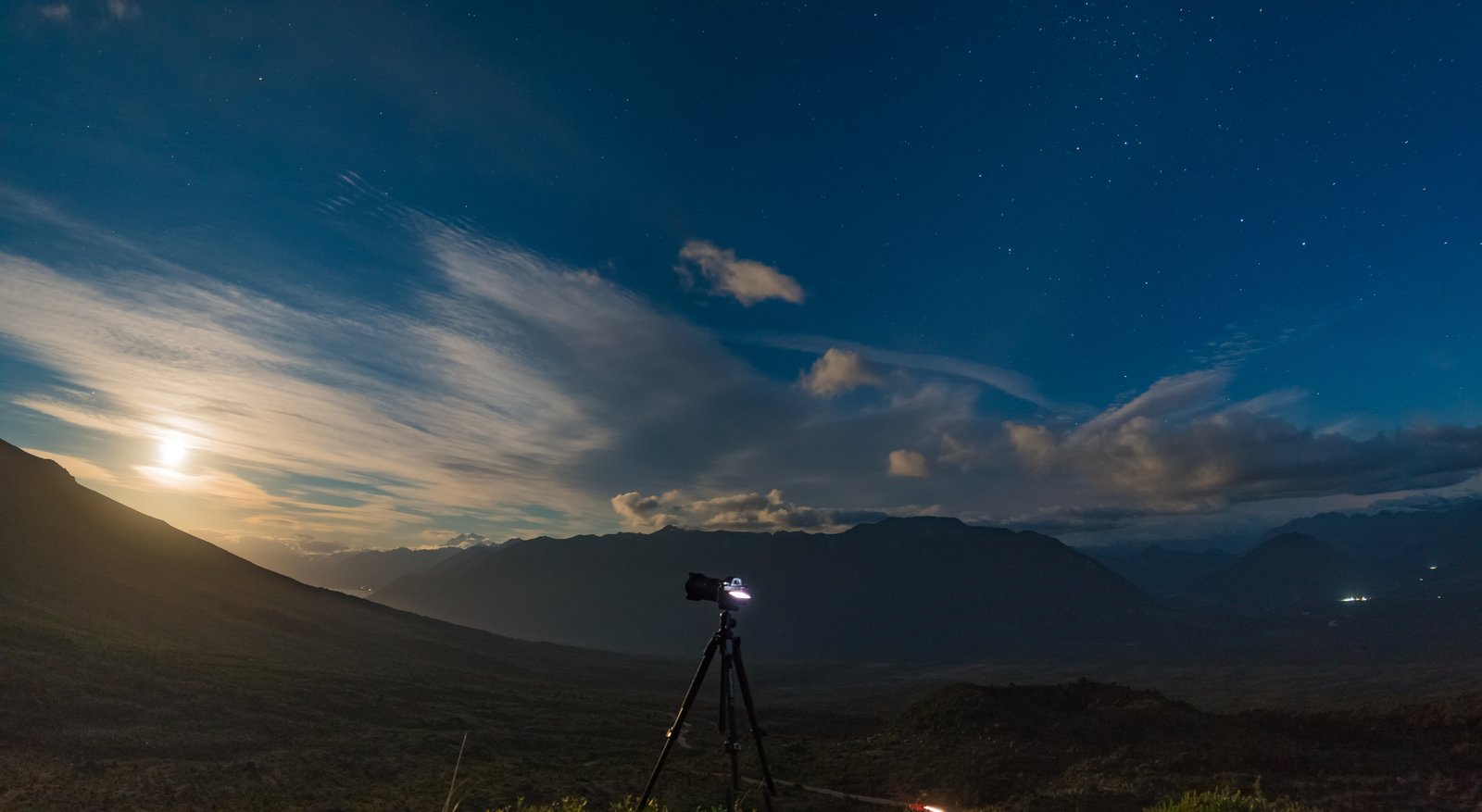
The first time I tried seriously shooting the Milky Way, I drove out to the high desert east of Bend at 11pm with a fast prime lens and enough confidence to embarrass myself. I’d read the forums. I knew about the 500 rule. I set up, fired off a thirty-second exposure at f/1.8 and ISO 6400, and came home with a frame full of comma-shaped stars, a washed-out galactic core, and a foreground so noisy it looked like wet concrete.

What the Milky Way Teaches You About Exposure (When You Stop Fighting It)

What the Milky Way Teaches You About Exposure (When You Stop Fighting It)

The first time I tried to photograph the Milky Way seriously, I drove out to the Oregon high desert, set up in the dark, and shot at ISO 6400 with a 30-second exposure because someone on a forum said that was the right way to do it. The images looked like someone had dragged a wet paintbrush across a black canvas. Smeared, noisy, directionless. I drove home at 3am thinking I just didn’t have the right gear.