Stop Shooting the Moment You Arrive: How Observation Makes Better Landscape Photos

Stop Shooting the Moment You Arrive: How Observation Makes Better Landscape Photos

I’ve been doing this for two decades and I still catch myself doing it. I pull up to a location before sunrise, step out of the truck, and before the door is even fully closed I’m reaching for my camera bag. There’s a kind of urgency that kicks in at golden hour, this anxious voice that says the light is burning, the fog is lifting, and you are wasting it. The problem is, that urgency is exactly what kills the photo.
The Landscape Photography Rules I Wish Someone Had Told Me to Break Sooner

The Landscape Photography Rules I Wish Someone Had Told Me to Break Sooner

There’s a particular kind of confidence that comes from being told the rules early. You hear them enough times, they start to feel like gravity. Shoot in manual mode. Buy the graduated ND filters. Own your gear before you own your style. I followed every single one of those rules when I started, and some of them cost me real money and, worse, real creative momentum. Twenty years of standing in rivers at 5am with a camera has a way of sorting out what actually matters from what just sounds authoritative.

The Mistakes That Cost Me Two Years of Growth (And How to Stop Making Them)

The Mistakes That Cost Me Two Years of Growth (And How to Stop Making Them)

There’s a particular kind of frustration that comes from returning home after a long shoot, loading your images into Lightroom, and realizing that something is off but you can’t name it. The photos look fine. The exposure is decent. The light was good. But nothing lands. I spent the better part of my first three years in landscape photography living in that frustration, repeating the same compositional and technical errors without anyone there to tap me on the shoulder and say, “that’s your problem right there.

Get Out the Door: The One-Step Game Plan That Actually Makes Better Landscape Photos

Get Out the Door: The One-Step Game Plan That Actually Makes Better Landscape Photos

There’s a particular kind of paralysis that sets in when conditions look ugly. I’ve stood at my truck window more times than I can count, watching rain streak the glass, debating whether it’s worth dragging gear through the mud for what might be nothing. Twenty years of doing this for a living, and that hesitation still shows up. What I’ve learned — slowly, and mostly the hard way — is that the decision to go is itself the creative act.

You Don't Need What You Think You Need: Clearing Up Landscape Photography's Biggest Contradictions

You Don't Need What You Think You Need: Clearing Up Landscape Photography's Biggest Contradictions

There’s a particular kind of paralysis that hits newer photographers when they’ve been watching too many tutorials. One voice tells them to always shoot on a tripod. Another praises the freedom of going handheld. One photographer builds an entire brand around remote wilderness expeditions. Another insists you never need to leave your backyard. I’ve been shooting full-time for twenty years, and I still catch myself second-guessing fundamentals when the advice I’m hearing pulls in opposite directions.

The Essentials That Actually Keep You Growing as a Landscape Photographer

The Essentials That Actually Keep You Growing as a Landscape Photographer

There’s a particular kind of fatigue that sets in after years of shooting. Not the good kind, the pre-dawn alarm kind, the standing-in-a-frozen-river kind. The bad kind, where you stop asking why you’re doing this and just go through the motions. You show up, you shoot, you process, you post. Somewhere in there the wonder quietly slips out the back door. When that starts happening to me, I go looking for a reset, something that pulls me back to the fundamentals before the technical noise swallows everything whole.

How to Read a Sunset Before It Happens: Field Notes from a William Patino Tutorial

How to Read a Sunset Before It Happens: Field Notes from a William Patino Tutorial

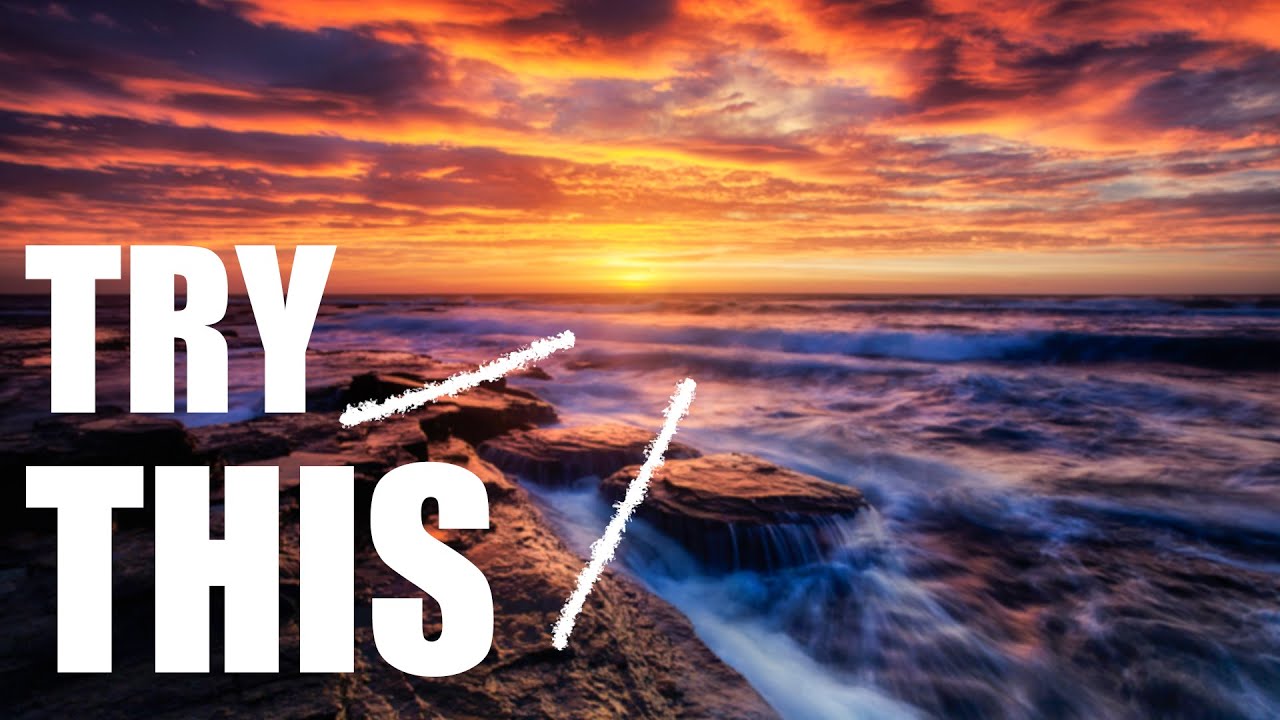
I’ve been waking up before sunrise for twenty years, and I still occasionally drive to a location, read the sky wrong, and come home with nothing worth keeping. That’s not a confession of failure. It’s just the reality of working with light you don’t control. What separates a productive sunset shoot from an expensive parking lot meditation session is largely about what you observe before you even lift the camera. That’s exactly why I spent time with this tutorial from William Patino, a landscape photographer who has a genuine gift for articulating things most of us feel intuitively but struggle to explain.

What 30 Landscape Photos Taught Me About the Mistakes We All Keep Making

What 30 Landscape Photos Taught Me About the Mistakes We All Keep Making

There’s a particular kind of clarity that comes from watching someone else’s work get reviewed. Your defenses drop. You’re not protecting anything. And suddenly the feedback lands differently than it ever does when it’s your own image on the screen. I’ve been shooting landscape and nature work for two decades, and I still find these critique sessions more instructive than most technical tutorials, because the problems that show up in other people’s photographs are almost always problems I’ve made myself, sometimes last week.

Finding Your Focus: Why Bird Photography Transforms How We See Nature

Finding Your Focus: Why Bird Photography Transforms How We See Nature

There’s something transformative about spending hours in the field waiting for that perfect moment when a bird reveals itself. I’ve come to realize that bird photography isn’t simply another genre to master—it’s a gateway to understanding landscape and nature on an entirely different level. The Paradox of Challenge and Reward When I first began focusing my lens on avian subjects, I quickly discovered why so many photographers are drawn to this pursuit despite its inherent difficulties.