Don't Ruin Your Winter Snow Shots: A Field Guide to Nigel Danson's Approach

Don't Ruin Your Winter Snow Shots: A Field Guide to Nigel Danson's Approach

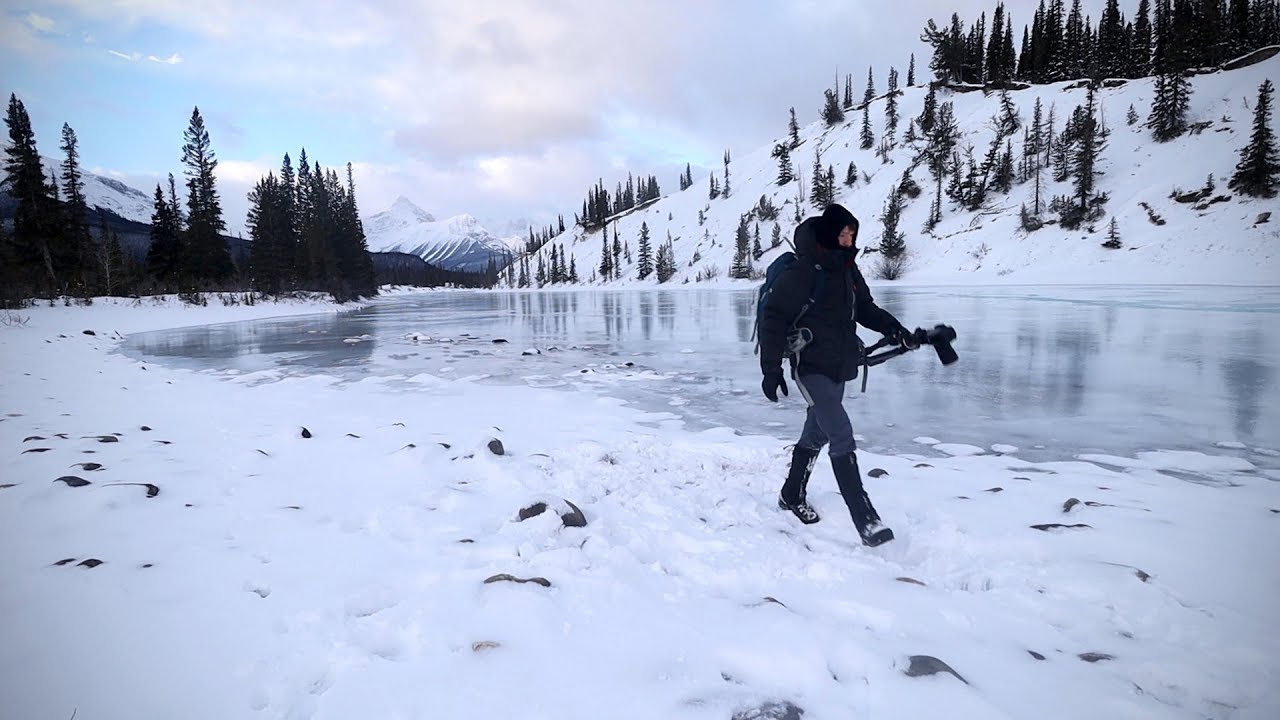
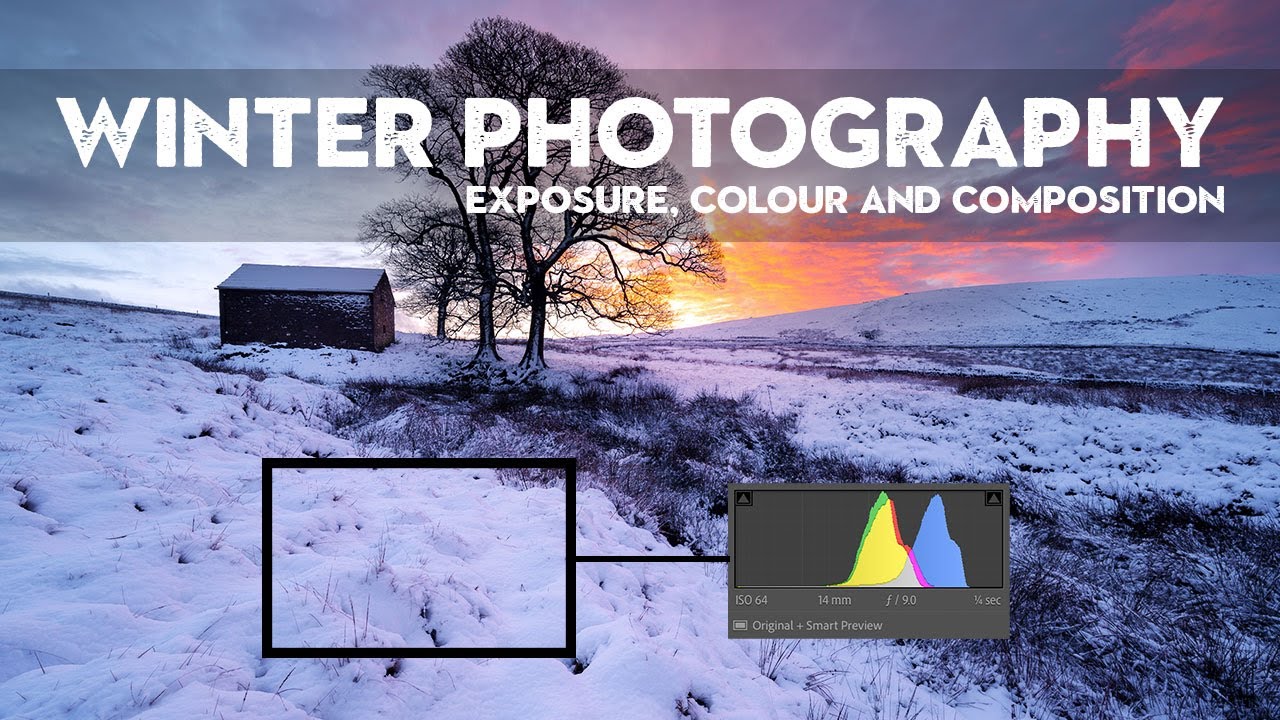
Snow is unforgiving. It shows every footprint, every shadow, every lazy compositional choice you made in a hurry. I’ve been shooting landscapes for twenty years, and I still find winter mornings to be the most demanding conditions I work in regularly. The light moves fast, the cold numbs your fingers before your brain catches up, and the temptation to rush a shot before the color fades is real. What snow gives you is simplicity.
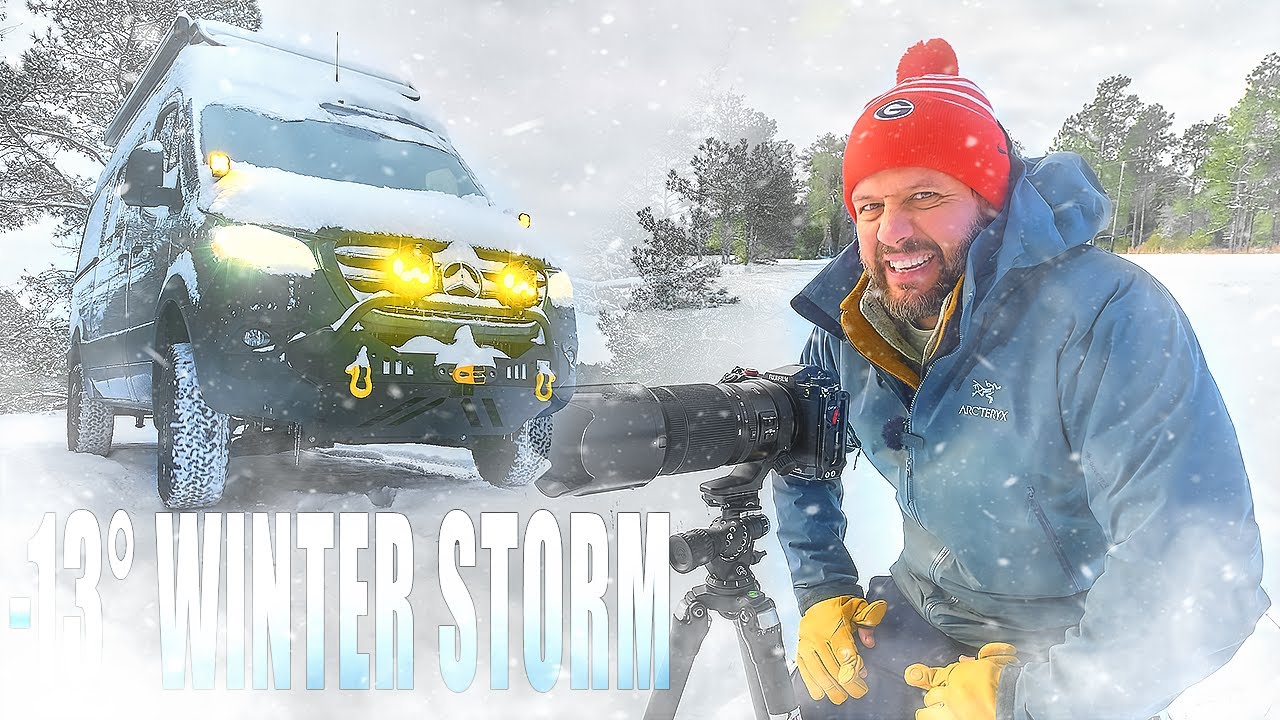
Finding the Shot When There's Nothing to Shoot: Lessons from a Frozen Swedish Wilderness

Finding the Shot When There's Nothing to Shoot: Lessons from a Frozen Swedish Wilderness

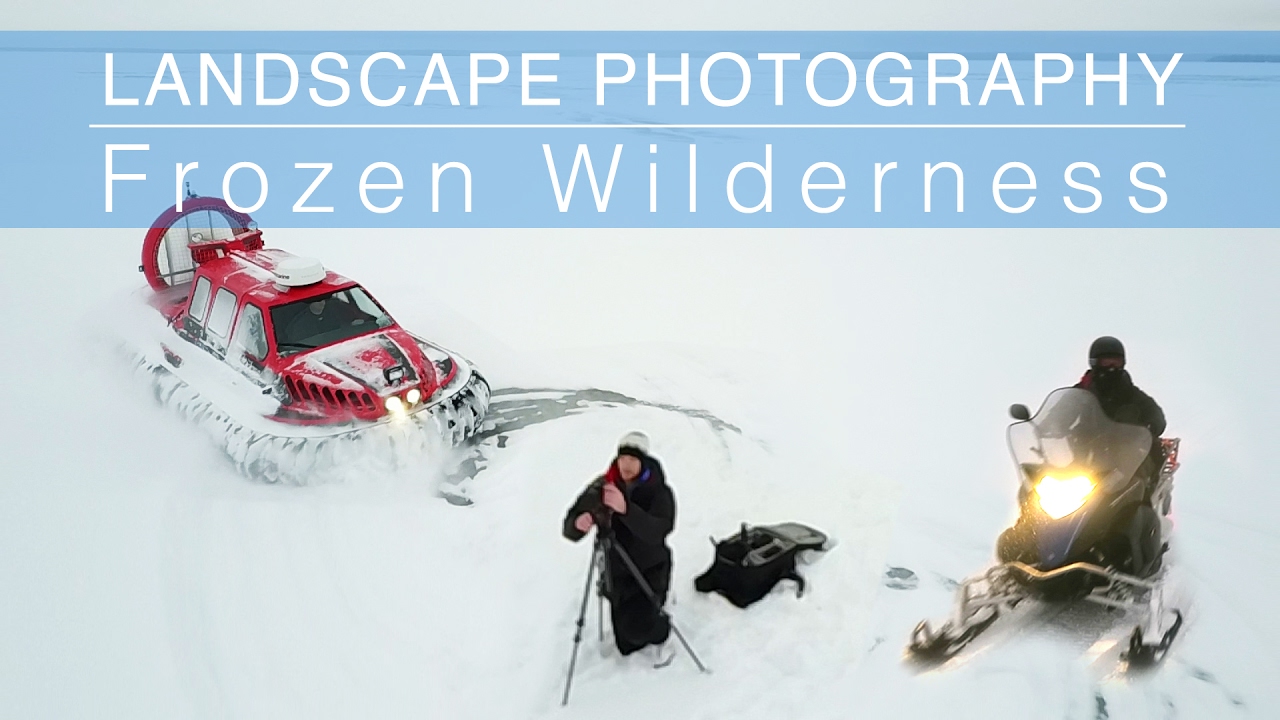
Some locations hand you the shot. Golden hour rolls in, the mist sits perfectly in the valley, and even a mediocre composition looks like a painting. Those days are gifts. But they’re not the ones that teach you anything. The days that teach you are the ones where you show up and the landscape looks like a blank piece of paper — flat, featureless, and apparently empty of anything worth pointing a lens at.

What a Fresh Snowfall Taught Me About Slowing Down and Reading a Winter Scene

What a Fresh Snowfall Taught Me About Slowing Down and Reading a Winter Scene

There’s a particular kind of pressure that comes with a fresh snowfall. You know the window is short. Wind strips the branches clean, temperatures climb, and that pristine white surface starts collecting footprints and debris within hours of first light. I’ve been chasing these mornings for two decades now, and I still feel a low hum of anxiety every time I pull into a location and see untouched snow catching the early glow.

How to Shoot Stunning Winter Landscapes When the Snow is Fighting Back

How to Shoot Stunning Winter Landscapes When the Snow is Fighting Back

There is a particular kind of suffering that only landscape photographers understand. You are not cold in the way that someone waiting for a bus is cold. You are cold while also carrying twelve pounds of gear, while also trying to make creative decisions, while also trying not to ruin the foreground you just spent twenty minutes reaching. I have stood in freezing rivers at dawn in the Cascades more times than my family thinks is reasonable.

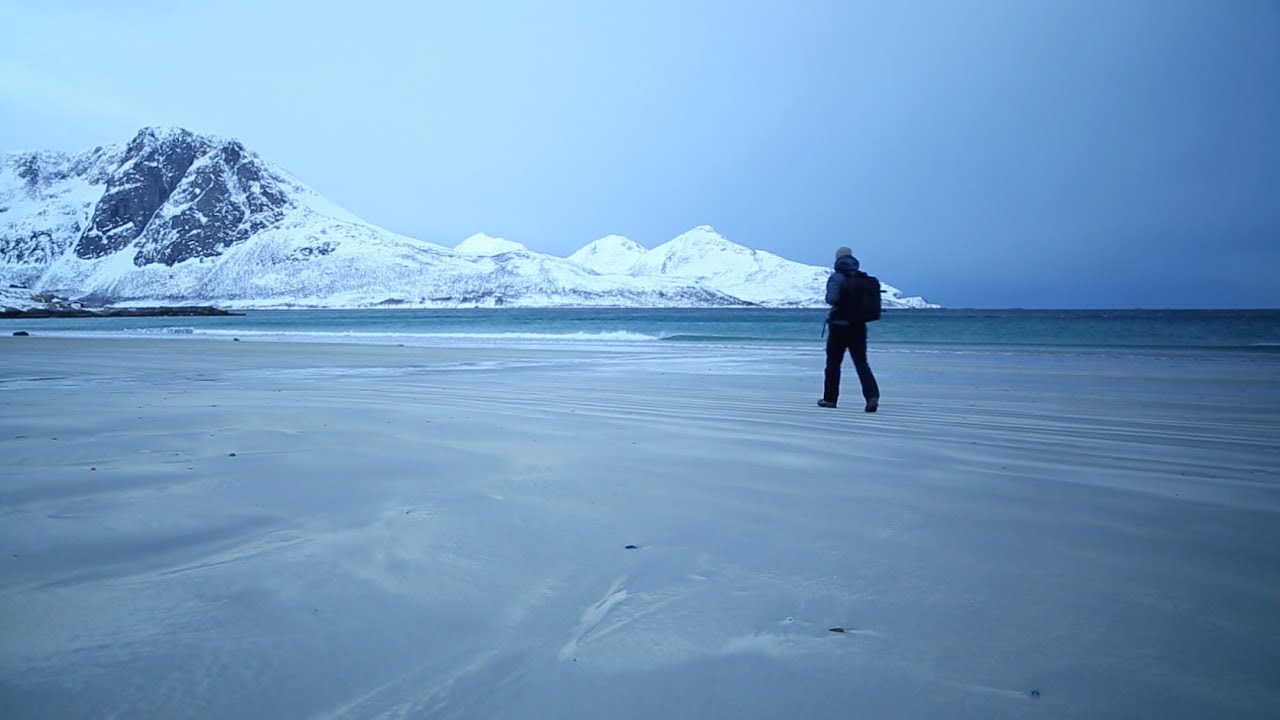
Chasing Arctic Light in Tromso: Field Lessons from a Winter Fjord Shoot

Chasing Arctic Light in Tromso: Field Lessons from a Winter Fjord Shoot

There’s a particular kind of problem that follows you into unfamiliar landscapes: you’ve traveled a long way, you don’t know the terrain, and the light starts moving before you’ve found a single composition. I’ve felt that pressure on the Oregon coast, in Iceland, and high in the Cascades. The scramble is real, and it humbles you every time. That’s exactly why I keep returning to Thomas Heaton’s field vlogs. They don’t show you a polished highlight reel.

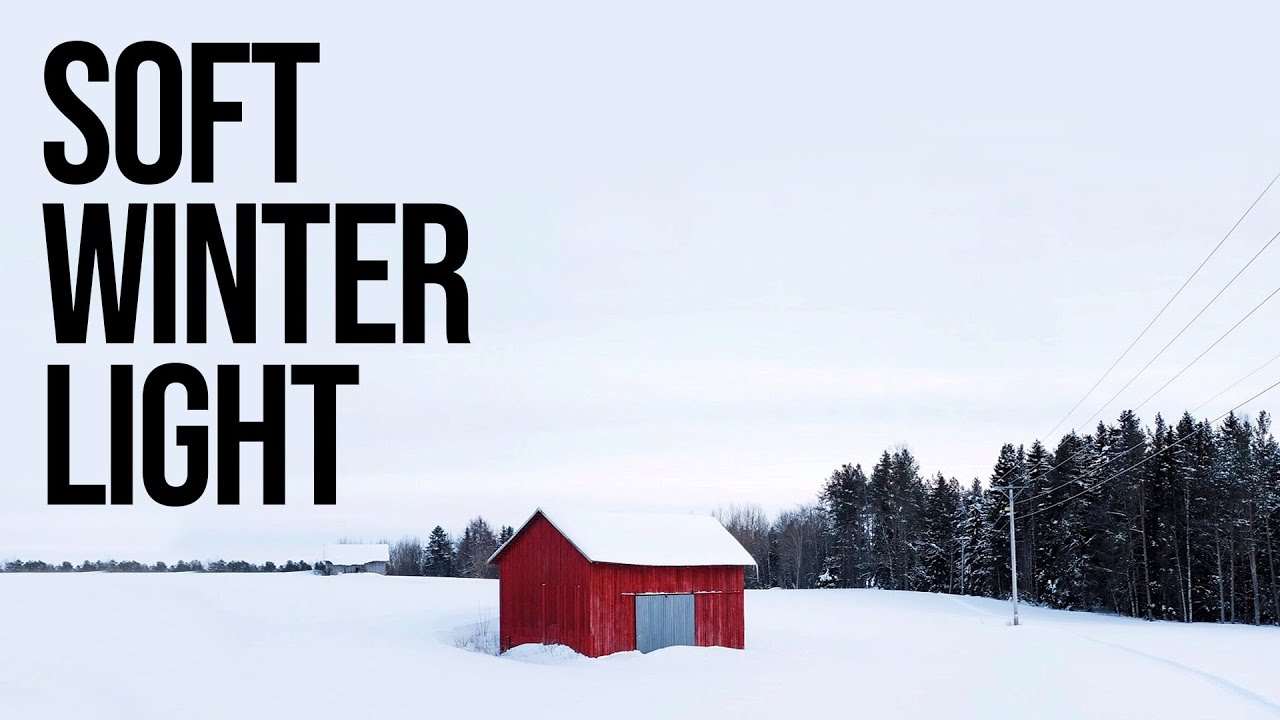
Why Soft Winter Light Might Be Your Best Friend in Landscape Photography

Why Soft Winter Light Might Be Your Best Friend in Landscape Photography

There’s a particular kind of photographer’s frustration I know well. You’ve driven hours to a location, the subject is right there in front of you, dramatic and beautiful, and then the sun cuts hard shadows across everything and turns your carefully composed frame into a visual argument between light and subject. I’ve stood in that situation more times than I can count, usually at some ungodly hour of the morning with cold coffee in a thermos and my lucky hat pulled down over my ears.

Pre-Dawn Panoramics and Chasing Winter Light: Lessons from a Day in Glencoe

Pre-Dawn Panoramics and Chasing Winter Light: Lessons from a Day in Glencoe

There’s a particular kind of tiredness that only other landscape photographers understand. It’s not the tired you feel after a bad night’s sleep. It’s the good tired, the kind that comes from hauling gear up a hill in the dark, hands too cold to zip your jacket properly, and still choosing to be exactly there at exactly that moment. I’ve felt it hundreds of times in twenty years of doing this work full-time, and it never gets old.

Shooting Yosemite in Winter: How to Find Compositions When Everything Looks Perfect

Shooting Yosemite in Winter: How to Find Compositions When Everything Looks Perfect

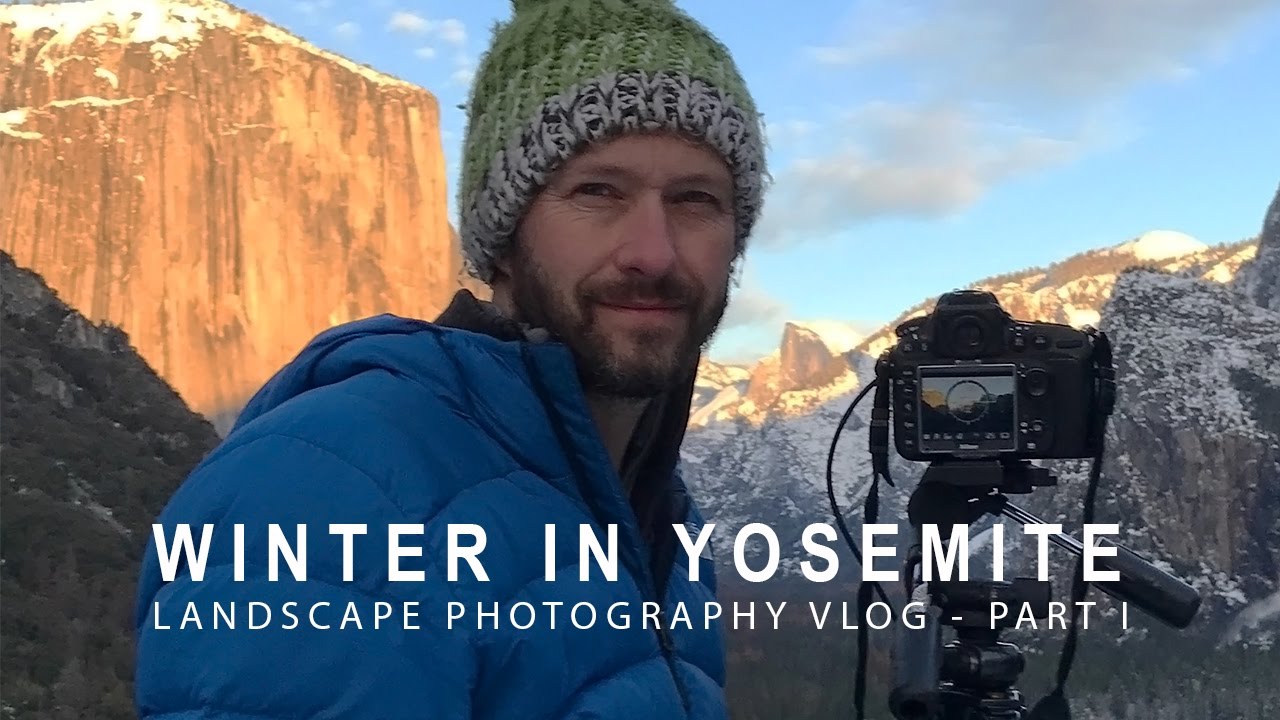
There’s a particular kind of paralysis that hits you in a place like Yosemite in winter. You step out of the car, snow on the ground, frost still clinging to the trees, and the light doing something almost unfair across the valley walls. You raise the camera and then… freeze. Not from the cold. From the overwhelming abundance of it all. Every direction is a photograph. Which means, practically speaking, you have nothing.

When the Mountain Changes Your Plans: Field Lessons from a Haystacks Winter Shoot

When the Mountain Changes Your Plans: Field Lessons from a Haystacks Winter Shoot

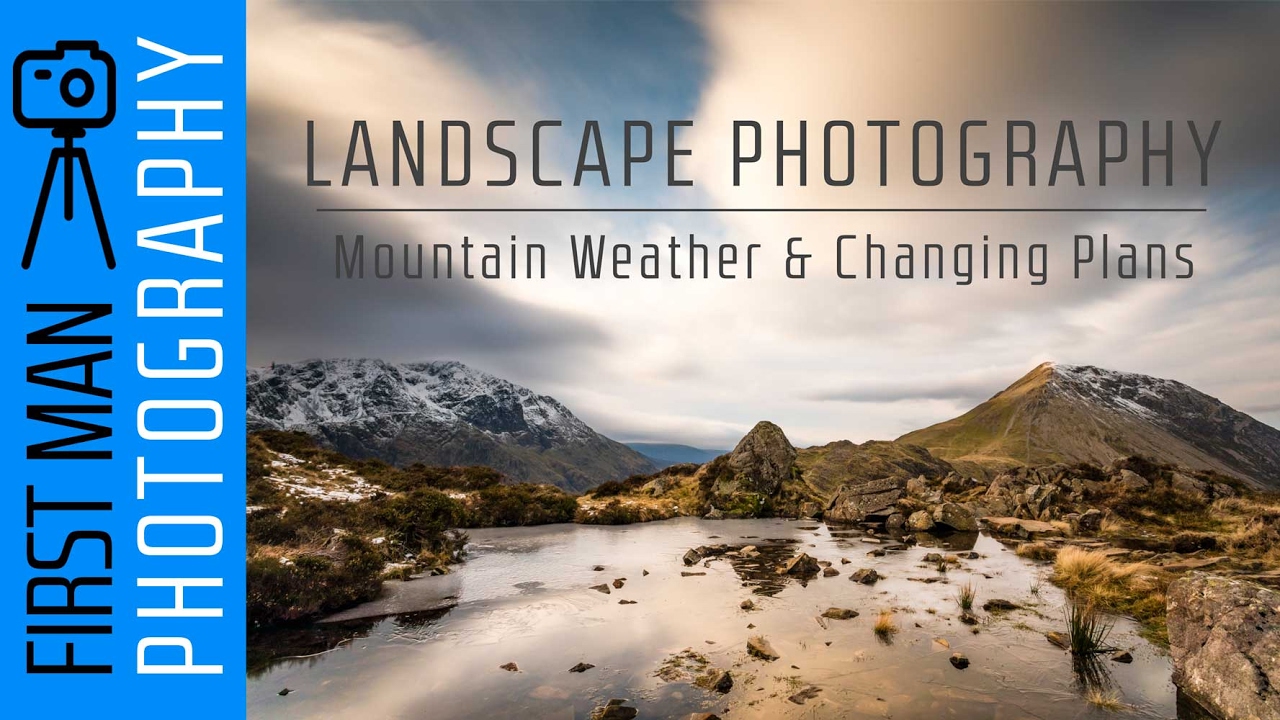
There is a particular kind of photographer who shows up with a perfect shot list, a scouted location, a tide chart, and a color-coded timeline, and then watches the weather tear it all apart by noon. I have been that photographer more times than I care to count. Twenty years of dragging gear up ridgelines before sunrise will teach you, eventually, that your plan is just a starting point. The mountain, as a mentor of mine once put it, does not care about your schedule.