When Good Enough Is the Point: Shooting Landscapes Without the Pressure of Originality

When Good Enough Is the Point: Shooting Landscapes Without the Pressure of Originality

There’s a particular kind of paralysis that sets in when you believe every frame you take needs to be groundbreaking. I’ve watched it happen to photographers at my workshops. They’ll stand at the edge of a stunning scene, golden light raking across the water, and hesitate. “Someone’s already shot this,” they say. “It’s been done.” And then they don’t shoot it. They go home with nothing. I’ve done it myself, earlier in my career, standing somewhere genuinely beautiful and talking myself out of pressing the shutter because I couldn’t figure out how to make it original enough.
Five Focus Stacking Mistakes That Are Quietly Killing Your Sharpness

Five Focus Stacking Mistakes That Are Quietly Killing Your Sharpness

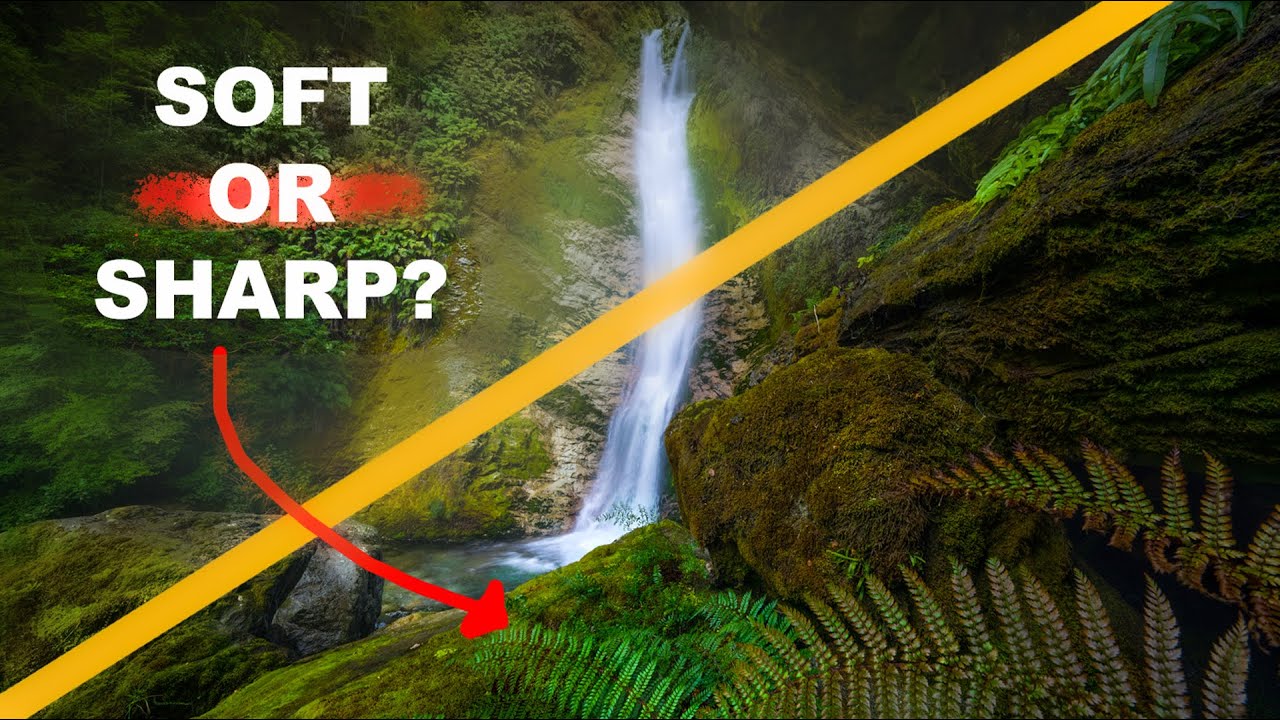
There’s a particular kind of frustration that comes from doing everything right on location, hauling gear to a pre-dawn ridgeline, nailing your composition, getting home, and watching Photoshop turn your carefully captured focus stack into a blurry, misaligned mess. I’ve been shooting landscapes full-time for two decades now, and focus stacking is one of those techniques that looks deceptively simple until it quietly betrays you at the worst possible moment. It took me longer than I’d like to admit to figure out that the problem wasn’t the blending software.

Bad Weather, Small Scenes, and the Quiet Art of Working With What You've Got

Bad Weather, Small Scenes, and the Quiet Art of Working With What You've Got

There’s a particular kind of afternoon I know well. The light is flat, your energy is low, and every instinct tells you to stay in the van. I’ve been making photographs for twenty years and I still have to talk myself out of the parking lot on days like that. What I’ve learned, slowly and sometimes expensively, is that those low-stakes sessions, the ones where nothing feels epic, are often where you build the sharpest eye.

The Two Minds You Need in the Field: Creative Instinct and Technical Discipline in Landscape Photography

The Two Minds You Need in the Field: Creative Instinct and Technical Discipline in Landscape Photography

There’s a particular kind of shoot I’ve done more times than I can count: no scouted location, no confirmed conditions, just a glimpse of something on a map or a distant ridgeline that says maybe. Those shoots terrify newer photographers. They don’t have a shot list, no reference images to reverse-engineer, no guarantee the light will cooperate. But after twenty years of doing this for a living, I’d argue that kind of uncertainty is where the best work gets made.

One Week, One Subject: What Bluebell Season Taught Me About Slowing Down

One Week, One Subject: What Bluebell Season Taught Me About Slowing Down

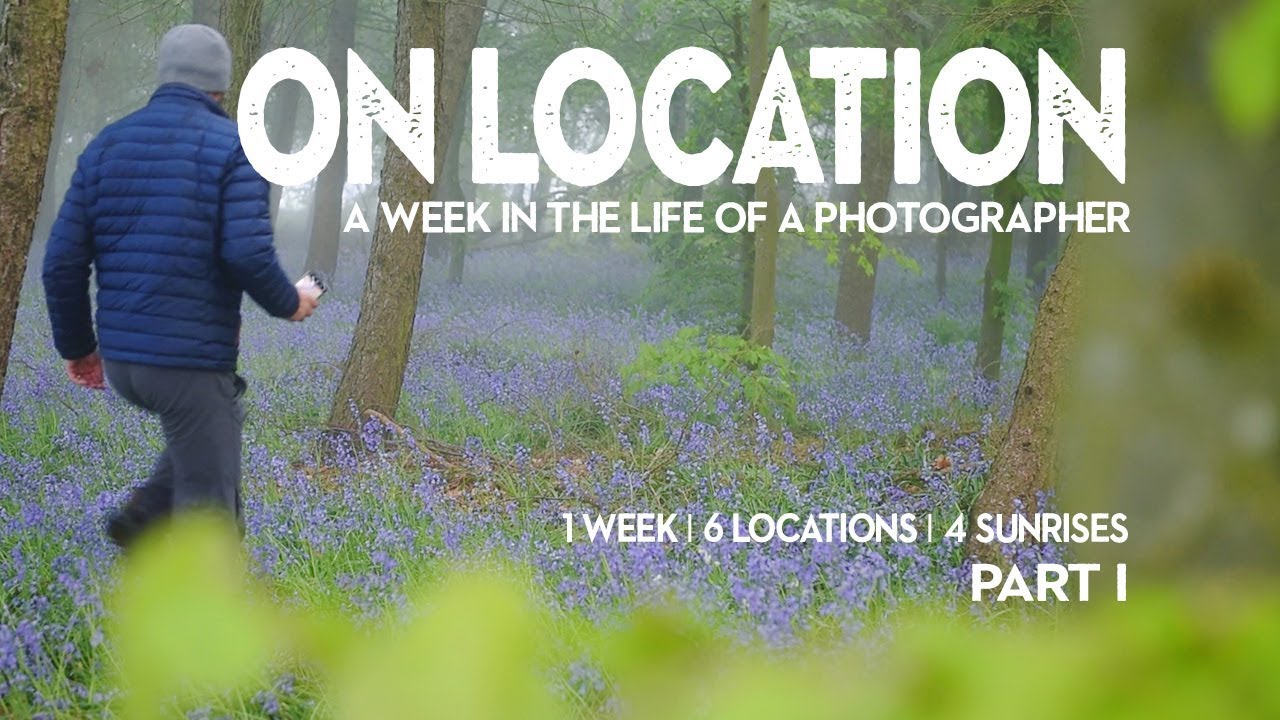
There’s a particular kind of humility that comes from showing up to a location and realizing the scene you planned for isn’t ready yet. I’ve stood in a lot of places at 4am waiting for the light or the subject or both to cooperate. Sometimes they do. Often they don’t. What separates a productive week of shooting from a frustrating one isn’t luck or even gear. It’s the discipline of working a subject methodically, returning, adjusting, and letting the location teach you something.

How to Shoot Dramatic Landscapes in Fiordland: Field Notes From William Patino's Approach

How to Shoot Dramatic Landscapes in Fiordland: Field Notes From William Patino's Approach

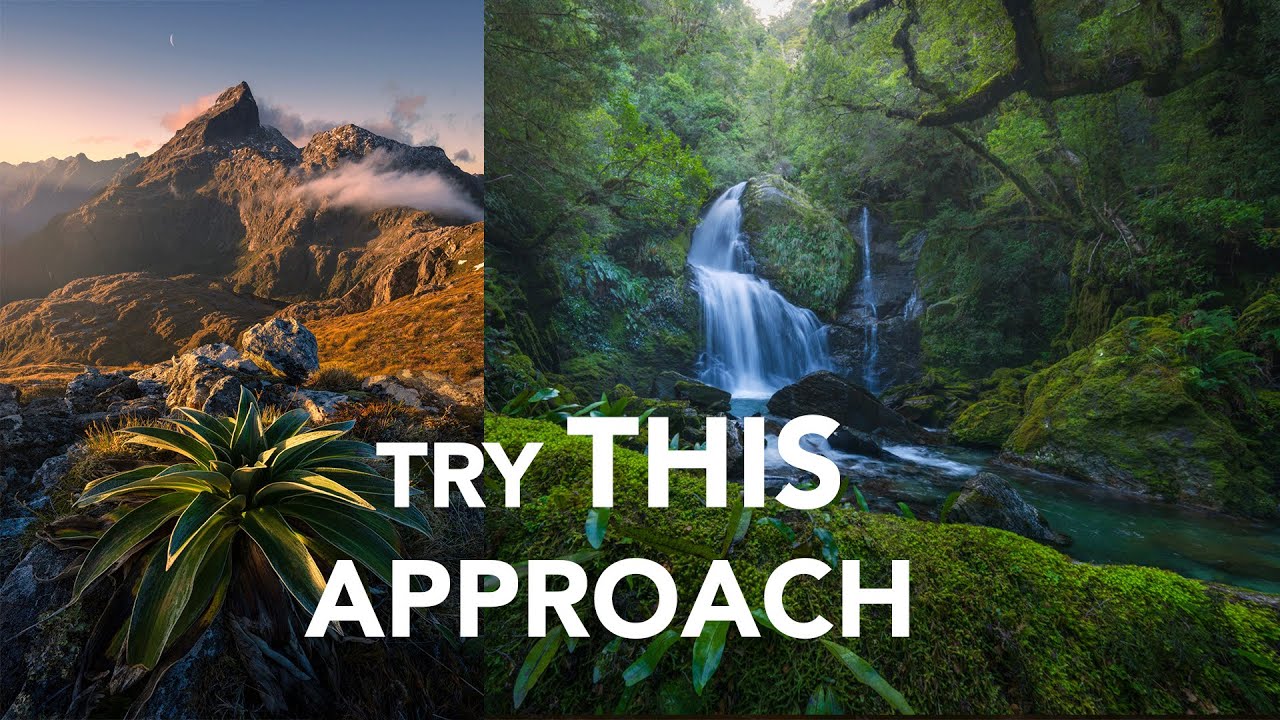
There’s a question I come back to every few years, usually when a season has gone flat and I’m grinding through shoots on autopilot. What actually excites me about this work? Not what I think I should be photographing, not what performs well in print sales, but what pulls me out of bed before the alarm even goes off. I’ve been doing this for twenty years, and I still need reminding.

Stop Planning So Much: What William Patino's Best Images Taught Me About Spontaneous Landscape Photography

Stop Planning So Much: What William Patino's Best Images Taught Me About Spontaneous Landscape Photography

There’s a particular kind of paralysis I know well. I’ll be standing at my kitchen counter in Bend at 5am, coffee going cold, scrolling through weather apps and satellite radar loops, telling myself the light won’t be worth it. I’ve been shooting landscapes full-time for twenty years, and I still fall into that trap. The forecast looks uncertain, the clouds look wrong, and I talk myself out of driving thirty minutes to the high desert before the sun clears the Cascades.

When Plans Fall Apart on the Hill: Adapting Your Landscape Photography in Real Time

When Plans Fall Apart on the Hill: Adapting Your Landscape Photography in Real Time

There’s a version of landscape photography that lives on spreadsheets and weather apps and pre-visualized compositions you’ve been planning since January. And then there’s what actually happens when you show up. After twenty years of dragging gear up ridgelines before dawn, I’ve learned that the gap between those two versions of events is where the real craft lives. The ability to read conditions on the fly, swap your plan without ego, and still produce meaningful work is what separates photographers who make images from photographers who collect hikes.

Scotland's Finest Nature Photography: What This Year's Award Winners Teach Us

Scotland's Finest Nature Photography: What This Year's Award Winners Teach Us

A Year of Exceptional Vision The 2025 Scottish Nature Photography Awards have just revealed their winners, and I’ve spent the past week studying each image with genuine appreciation for what these photographers have accomplished. There’s something uniquely satisfying about seeing a curated collection of work that captures Scotland’s extraordinary landscapes and wildlife—it reminds me why we venture into the field in the first place. What strikes me most about this year’s selections isn’t just the technical excellence, though that’s certainly evident.

Beyond the Gear: Finding Your Voice When Technology Does the Heavy Lifting

Beyond the Gear: Finding Your Voice When Technology Does the Heavy Lifting

There’s a moment I experience regularly now, standing in the pre-dawn stillness waiting for light to touch a distant ridge. My camera’s autofocus system is so sophisticated it could track a hummingbird through a thicket. My sensor reads light better than my eyes ever could. And yet, I find myself wondering: what separates a technically perfect image from one that actually moves someone? The Technological Leap Forward We’re living through a remarkable inflection point in wildlife and nature photography.