Getting Off Autopilot: What Sean Tucker's Snowdonia Trip Taught Me About Shooting Landscapes Again

Getting Off Autopilot: What Sean Tucker's Snowdonia Trip Taught Me About Shooting Landscapes Again

There’s a specific kind of professional rut that doesn’t look like a rut from the outside. Your work is consistent. Clients are happy. You hit your marks. But somewhere in the middle of a shoot, you realize you haven’t made a single conscious decision in the last twenty minutes. You’ve just been executing muscle memory. I know this feeling well. After two decades shooting landscapes full-time out of Bend, I’ve caught myself standing at a location I’ve visited fifty times, framing the same shot, waiting for the same light, and calling it a day.
The Stolen Hour Principle: What Unplanned Shoots Teach You About Seeing

The Stolen Hour Principle: What Unplanned Shoots Teach You About Seeing

There’s a version of landscape photography that lives entirely in spreadsheets. Planned shoots, researched locations, golden hour alarm clocks, weather apps checked three times a day. I know that version well. I’ve been living it for twenty years, and it produces results. But it can also calcify your vision if you let it. You start confusing preparation with seeing, and those are two very different skills. Watch the full tutorial on YouTube

Third Time Lucky: What Persistence in Brutal Weather Actually Teaches You About Landscape Photography

Third Time Lucky: What Persistence in Brutal Weather Actually Teaches You About Landscape Photography

There’s a particular kind of frustration that every serious landscape photographer knows. You’ve driven hours, hiked to the spot, set up your tripod, dialed in your composition, and then the light dies. The clouds roll in. The blizzard arrives. You pack up and go home with nothing. Most photographers experience this and conclude the location wasn’t worth it. The ones who keep going back are the ones who eventually get the shot that defines their portfolio.

Scene Stuffing: The Long Lens Composition Trap That Almost Broke My Telephoto Work

Scene Stuffing: The Long Lens Composition Trap That Almost Broke My Telephoto Work

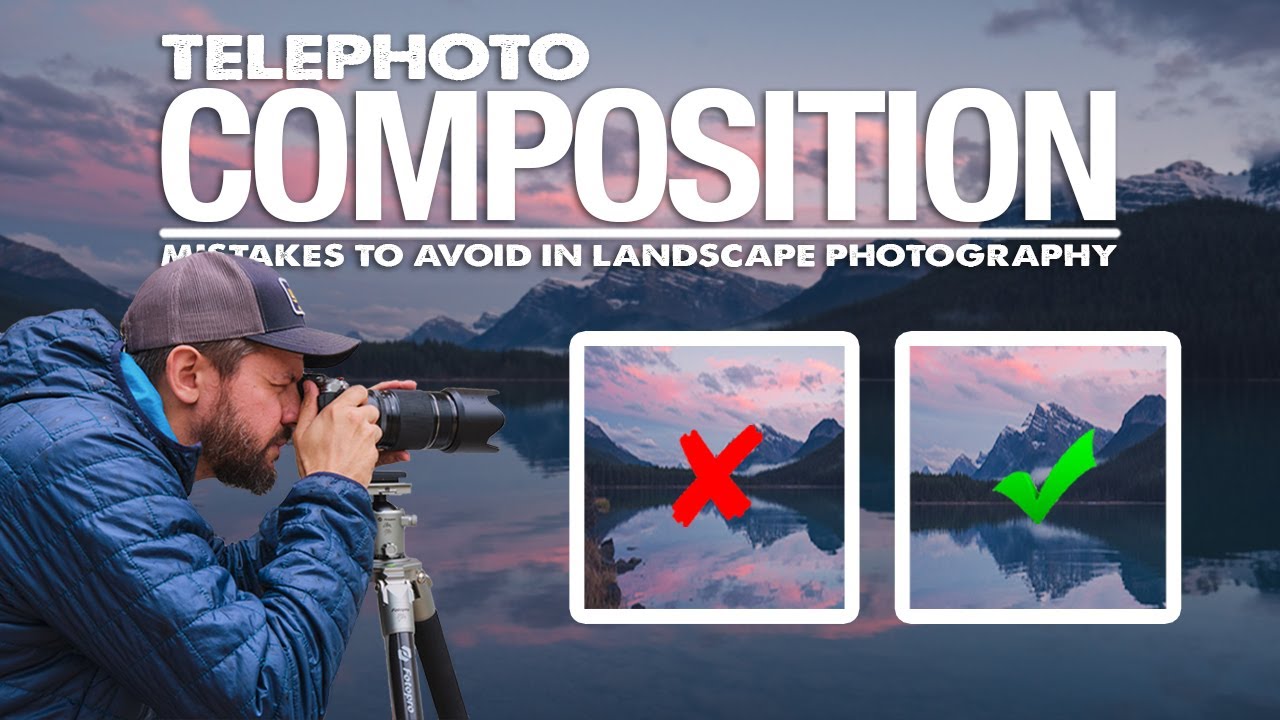
There is a specific kind of frustration that comes from standing in front of a genuinely beautiful scene, making what feels like a thoughtful composition with a long lens, and then pulling up the image on your laptop that night and feeling nothing. The light was there. The subject was there. And somehow the photograph is a mess. For years I chalked that up to some vague failure of artistic instinct.

Shooting in the Rain: What a Milford Sound Cruise Taught Me About Embracing Difficult Light

Shooting in the Rain: What a Milford Sound Cruise Taught Me About Embracing Difficult Light

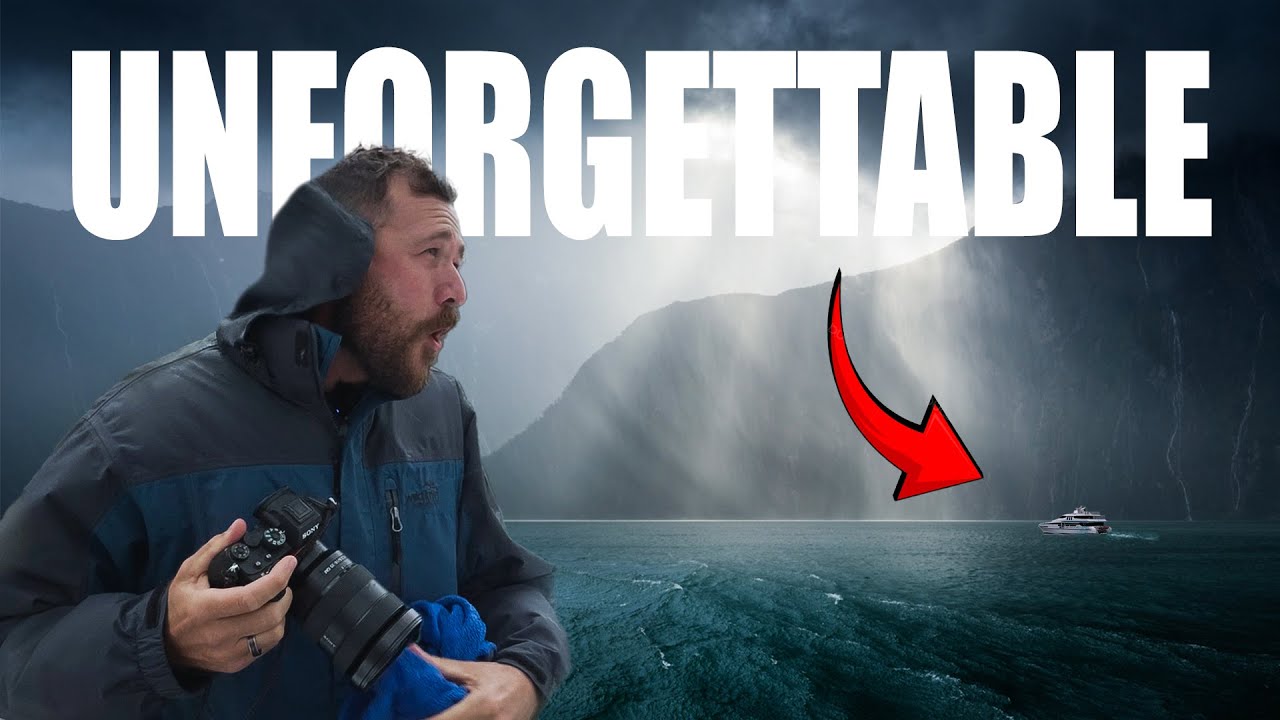
Most of my best work has come from conditions I didn’t plan for. A mentor once told me that the mountain doesn’t care about your schedule, and I’ve spent two decades proving him right. The shots that sell, the ones that stop people mid-scroll, almost never happen on the blue-sky days. They happen when something is moving, when the light is strange, when the weather is doing something uncomfortable and most photographers have stayed home.

Two Strong Shots Beat a Memory Card Full of Maybes

Two Strong Shots Beat a Memory Card Full of Maybes

There’s a particular kind of stubbornness that sends landscape photographers up mountains in terrible weather. I’ve done it more times than I can count, standing on some exposed ridgeline in the pre-dawn dark, hat pulled low, wondering what exactly I thought was going to happen. Most of the time, nothing magical does. You get what the day gives you, and if you’re smart, you work with it instead of against it.

Why Your Landscape Images Aren't Sharp (And What to Actually Do About It)

Why Your Landscape Images Aren't Sharp (And What to Actually Do About It)

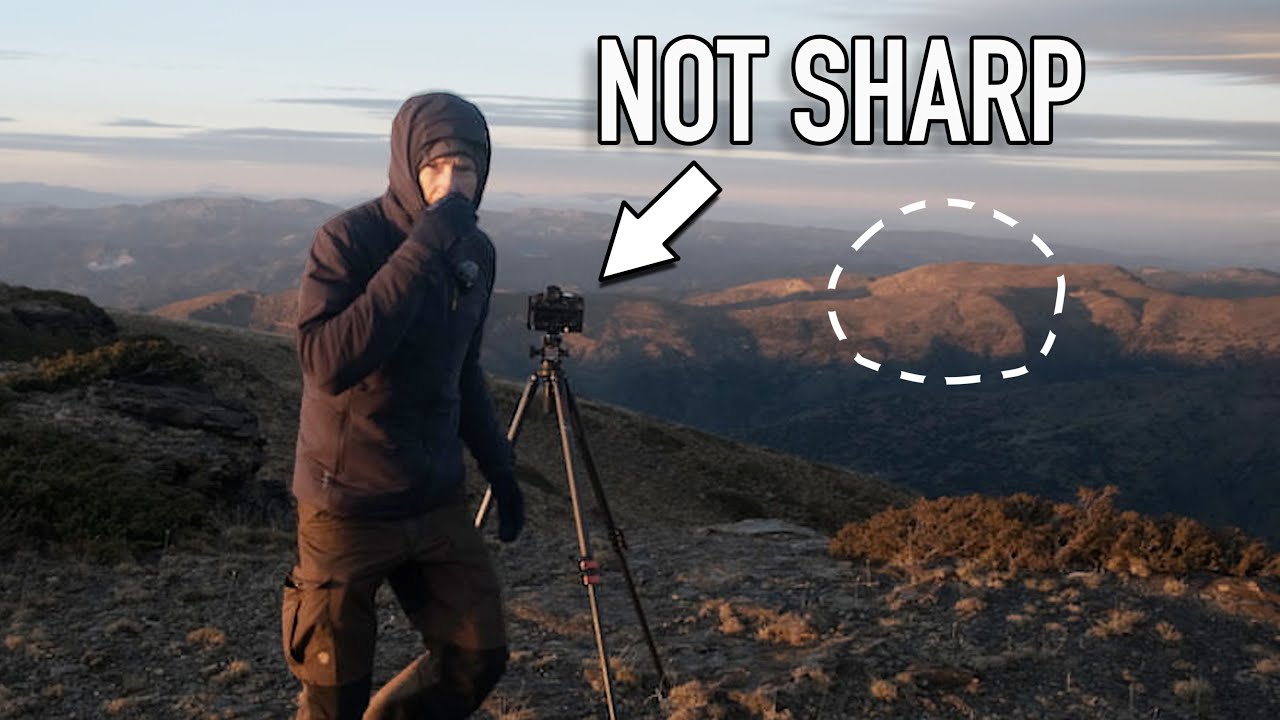
Sharpness has humbled me more times than I care to admit. Twenty years into this work, I still occasionally pull up an image on the big monitor back in my studio in Bend and feel that sinking recognition — soft edges, a slightly missed focus point, motion blur I didn’t notice in the field because I was too excited about the light. It’s one of those problems that doesn’t announce itself until it’s too late, and by then the golden hour is gone and you’re driving home with a card full of near-misses.

When the Weather Wins: Making the Most of Stolen Windows in Landscape Photography

When the Weather Wins: Making the Most of Stolen Windows in Landscape Photography

There’s a version of landscape photography that lives on Instagram - golden hour light pouring across still water, every frame a postcard. And then there’s the version most of us actually live: cold fingers, wrong-place-right-time arrivals, and entire months where the weather simply refuses to cooperate. I’ve been shooting full-time for twenty years, and I’d say a solid third of my best work came out of sessions I almost didn’t bother with.

Show Up Anyway: What Thomas Heaton's Mountain Morning Taught Me About Fleeting Light

Show Up Anyway: What Thomas Heaton's Mountain Morning Taught Me About Fleeting Light

There’s a particular kind of dread that every landscape photographer knows. You wake before dawn, check the window, and see nothing but a gray wall of mist. After six hours of hiking the day before, the warm sleeping bag makes a compelling argument. This is the moment that separates the frames you’ll sell from the ones you’ll never take. I’ve been dragging myself out of bed at four in the morning for two decades, and I still have to actively talk myself into it on mornings like that.

The Camera Sees Time: How Long Exposure Transforms Ordinary Light into Something True

The Camera Sees Time: How Long Exposure Transforms Ordinary Light into Something True

What the Eye Misses, the Shutter Can Keep There’s a waterfall in the Columbia River Gorge that I’ve photographed maybe forty times. The first time I stood in front of it, I shot it the way most people do: fast enough to freeze the water, maybe 1/250s, maybe 1/500s. The image was accurate. It showed exactly what was there. And it was completely dead. The water in real life has a quality that a fast shutter erases.

Grand Vistas vs. Intimate Scenes: How to Read a Landscape and Photograph Both

Grand Vistas vs. Intimate Scenes: How to Read a Landscape and Photograph Both

There’s a trap I fell into for years. I’d hike to some grand overlook, set up for the big shot, and come home with something that looked exactly like every other photograph of that place. The vista was there. The light was decent. But the image was flat because I’d stopped looking the moment I found the obvious composition. It took me a long time to understand that any location worth hiking to holds at least two photographs: the grand one you came for, and the intimate one you almost stepped over on the way there.

What Happens If Something Goes Wrong Out There? Managing Fear and Risk in Solo Landscape Photography

What Happens If Something Goes Wrong Out There? Managing Fear and Risk in Solo Landscape Photography

There’s a particular kind of dread that settles in around mile four of a solo hike, when the trail has thinned out and your phone shows no signal bars. I’ve felt it dozens of times over twenty years of working as a landscape photographer, usually right as the light is getting interesting and my brain decides to run through every worst-case scenario it can invent. What if I twist an ankle here?