Mud, Mist, and Mount Tutoko: Field Lessons from a Fiordland Photography Hike

Mud, Mist, and Mount Tutoko: Field Lessons from a Fiordland Photography Hike

There’s a particular kind of shoot that doesn’t go the way you planned, and ends up being the one you talk about for years. I’ve had enough of those to recognize them in someone else’s footage. In this William Patino tutorial, he heads into Fiordland, New Zealand, with his shooting partner Federico to photograph Mount Tutoko, the tallest peak in the region. The weather is marginal, the trail is a swamp, and sandflies are getting on the lens.

When the Shot Doesn't Work: What a Wilderness Waterfall Taught Me About Honest Editing

When the Shot Doesn't Work: What a Wilderness Waterfall Taught Me About Honest Editing

There’s a particular kind of disappointment that only landscape photographers know. You’ve hiked for an hour, you’ve found something genuinely beautiful, you’ve made careful frames in the field, and then you get home, pull up the RAW files, and realize: none of these are keepers. Not because you made a technical error. Because the scene, for all its real-world magic, just didn’t translate. I’ve been doing this for twenty years and that feeling still catches me off guard.

Shooting in the Rain: What Thomas Heaton's Soaked Scottish Walkthrough Taught Me About Embracing Bad Weather

Shooting in the Rain: What Thomas Heaton's Soaked Scottish Walkthrough Taught Me About Embracing Bad Weather

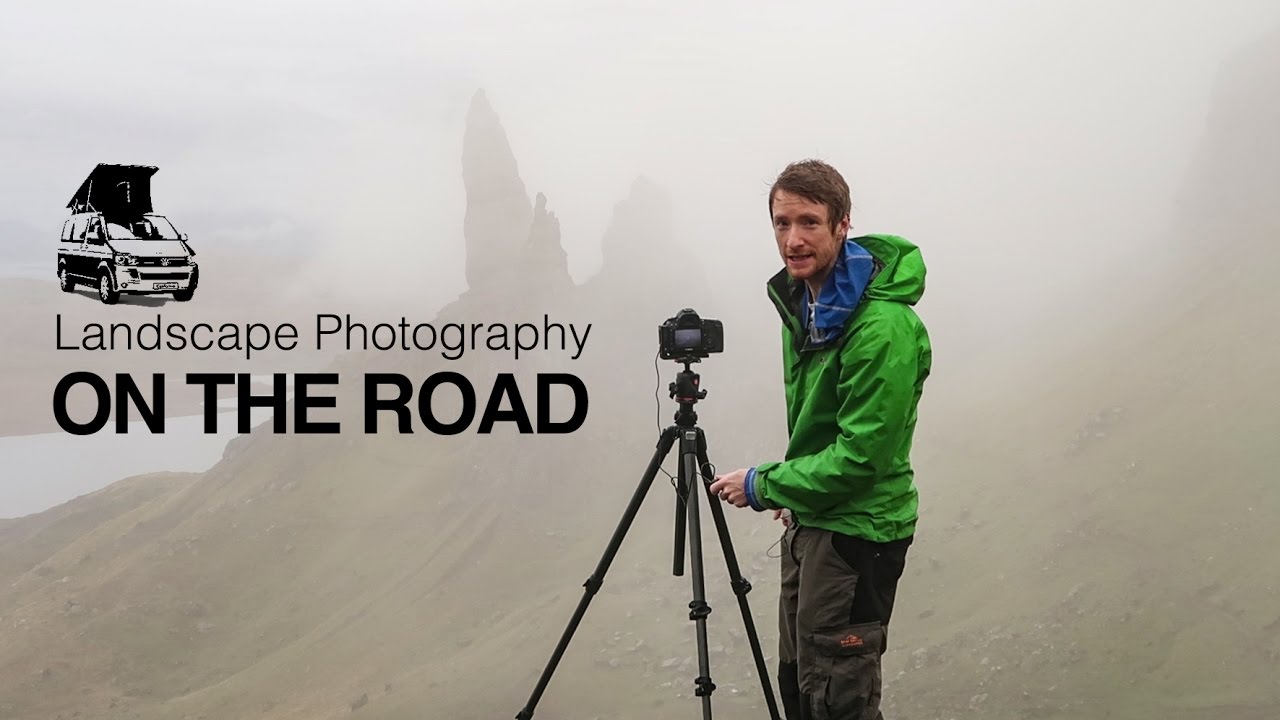
There’s a version of me from fifteen years ago who would have looked at a wall of rain through the van windshield and driven home. I’ve spent enough mornings sitting in my truck outside a trailhead in the Oregon Cascades, watching the clouds dump on a location I’d scouted for weeks, to know how seductive that retreat feels. The hard truth I’ve learned - slowly, sometimes miserably - is that bad weather is not the enemy of landscape photography.

Shooting Midday in Bad Weather: What Thomas Heaton's Isle of Harris Trip Taught Me About Staying Loose

Shooting Midday in Bad Weather: What Thomas Heaton's Isle of Harris Trip Taught Me About Staying Loose

There’s a version of landscape photography that lives entirely in the golden hours, where everything cooperates and the light does exactly what you hoped. That version is real, but it’s not the majority of your time in the field. Most of it is waiting, pivoting, and figuring out what to do when the plan falls apart by 10am. That’s the problem this tutorial actually solves, and it’s why I keep coming back to it.

Stop Chasing the Shot You Planned: A Lesson in Compositional Awareness from the Field

Stop Chasing the Shot You Planned: A Lesson in Compositional Awareness from the Field

There’s a version of every shoot that lives in your head before you ever leave the house. You’ve studied the location on Google Earth, checked the weather three times, set two alarms, and packed the right filters. I’ve been doing this for twenty years and I still show up to locations with a mental image so specific it might as well be a contract with the landscape. The problem is, the landscape never signed it.

When the Light Doesn't Wait: Lessons from a Chaotic Sunset Session in the Peak District

When the Light Doesn't Wait: Lessons from a Chaotic Sunset Session in the Peak District

There’s a particular kind of frustration I’ve learned to respect over twenty years of doing this: you arrive at a location with forty minutes to spare, the light starts doing something extraordinary, and you are in completely the wrong spot. No composition, no clear path to one, and the clock ticking loud in your chest. It used to rattle me. Now I recognize it as the actual job. In this Thomas Heaton tutorial, he captures that experience with unusual honesty, wandering the Peak District at golden hour with a local guidebook, a camper van, and no fixed plan.

Is Your Composition Too Busy? 5 Signs I Learned to Recognize (The Hard Way)

Is Your Composition Too Busy? 5 Signs I Learned to Recognize (The Hard Way)

There’s a particular kind of frustration that comes from returning home with a full memory card, pulling images up on the monitor, and feeling a quiet unease you can’t quite name. The photos aren’t technically wrong. Exposure is solid, focus is sharp, the light was genuinely beautiful. But something about them feels cluttered. Restless. Like a room where someone shoved too much furniture against the walls. I’ve been shooting landscapes full-time for two decades, and I still run into this problem.

When the Mountain Changes Your Plans: Field Lessons from a Haystacks Winter Shoot

When the Mountain Changes Your Plans: Field Lessons from a Haystacks Winter Shoot

There is a particular kind of photographer who shows up with a perfect shot list, a scouted location, a tide chart, and a color-coded timeline, and then watches the weather tear it all apart by noon. I have been that photographer more times than I care to count. Twenty years of dragging gear up ridgelines before sunrise will teach you, eventually, that your plan is just a starting point. The mountain, as a mentor of mine once put it, does not care about your schedule.

When the Shot Doesn't Come: What a Hard Day in the Smokies Teaches You About Landscape Photography

When the Shot Doesn't Come: What a Hard Day in the Smokies Teaches You About Landscape Photography

There’s a particular kind of quiet frustration that every serious landscape photographer knows. You’ve hiked in, you’ve waited for the light, and nothing is clicking. The compositions feel flat. The scene you imagined on the drive up isn’t cooperating. After twenty years doing this full-time, I still hit those days more often than I’d like to admit. What separates the photographers who grow from those who just get demoralized is whether they keep working the scene or pack it in early.

When Good Enough Is the Point: Shooting Landscapes Without the Pressure of Originality

When Good Enough Is the Point: Shooting Landscapes Without the Pressure of Originality

There’s a particular kind of paralysis that sets in when you believe every frame you take needs to be groundbreaking. I’ve watched it happen to photographers at my workshops. They’ll stand at the edge of a stunning scene, golden light raking across the water, and hesitate. “Someone’s already shot this,” they say. “It’s been done.” And then they don’t shoot it. They go home with nothing. I’ve done it myself, earlier in my career, standing somewhere genuinely beautiful and talking myself out of pressing the shutter because I couldn’t figure out how to make it original enough.

Five Focus Stacking Mistakes That Are Quietly Killing Your Sharpness

Five Focus Stacking Mistakes That Are Quietly Killing Your Sharpness

There’s a particular kind of frustration that comes from doing everything right on location, hauling gear to a pre-dawn ridgeline, nailing your composition, getting home, and watching Photoshop turn your carefully captured focus stack into a blurry, misaligned mess. I’ve been shooting landscapes full-time for two decades now, and focus stacking is one of those techniques that looks deceptively simple until it quietly betrays you at the worst possible moment. It took me longer than I’d like to admit to figure out that the problem wasn’t the blending software.

Bad Weather, Small Scenes, and the Quiet Art of Working With What You've Got

Bad Weather, Small Scenes, and the Quiet Art of Working With What You've Got

There’s a particular kind of afternoon I know well. The light is flat, your energy is low, and every instinct tells you to stay in the van. I’ve been making photographs for twenty years and I still have to talk myself out of the parking lot on days like that. What I’ve learned, slowly and sometimes expensively, is that those low-stakes sessions, the ones where nothing feels epic, are often where you build the sharpest eye.