Shooting Sunset to Sunrise in the Lake District: What This Tutorial Taught Me About Working Difficult Light

Shooting Sunset to Sunrise in the Lake District: What This Tutorial Taught Me About Working Difficult Light

There’s a specific kind of frustration that comes with arriving at a beautiful location and watching the light refuse to cooperate. I’ve been waking up before four in the morning for twenty years, and I still haven’t made peace with it. What I have learned is that photographers who come home with strong images aren’t the ones who had better weather. They’re the ones who kept working when the light was complicated.

How to Shoot Landscapes in Wind and Rain (And Why You Should Stop Waiting for Perfect Weather)

How to Shoot Landscapes in Wind and Rain (And Why You Should Stop Waiting for Perfect Weather)

There’s a version of landscape photography that lives in your head before you leave the house. Golden light, still air, perfect conditions. Then there’s the version that actually happens. After twenty years of predawn alarms and six-hour drives to locations that greeted me with nothing but fog, I’ve made peace with the fact that the second version is where the real work happens. The trouble is, most photographers either head home when the weather turns or they freeze up trying to manage the chaos.

Using Rain and Telephoto Compression to Isolate a Single Tree (Lessons from the Lake District)

Using Rain and Telephoto Compression to Isolate a Single Tree (Lessons from the Lake District)

There’s a shot I nearly gave up on three times before I finally got it. A lone ponderosa pine on a ridge east of Bend, backlit by a storm rolling in from the Cascades. The conditions that made it work were not the ones I’d planned for. The flat golden hour I’d imagined never arrived. What showed up instead was rain, mist, and a kind of natural separation between the tree and the hillside behind it that no amount of waiting for perfect light could have manufactured.

How Verity Milligan Taught Me to Stop Hunting for the Shot

How Verity Milligan Taught Me to Stop Hunting for the Shot

There’s a version of landscape photography I practiced for years that looked something like this: arrive at a location, immediately start scanning for a composition, feel vaguely frustrated when nothing obvious announced itself, shoot anyway, drive home disappointed. I was treating the landscape like a puzzle to be solved on a deadline. The mountain, as my old mentor used to say, does not care about your schedule. What I’ve come to understand after two decades of doing this work, mostly through hard-won mornings standing in the dark waiting for light that may or may not arrive, is that the photographers whose images actually stop people are rarely the ones running the most disciplined systems.

When the Mountain Changes Your Plans: Field Lessons from a Haystacks Winter Shoot

When the Mountain Changes Your Plans: Field Lessons from a Haystacks Winter Shoot

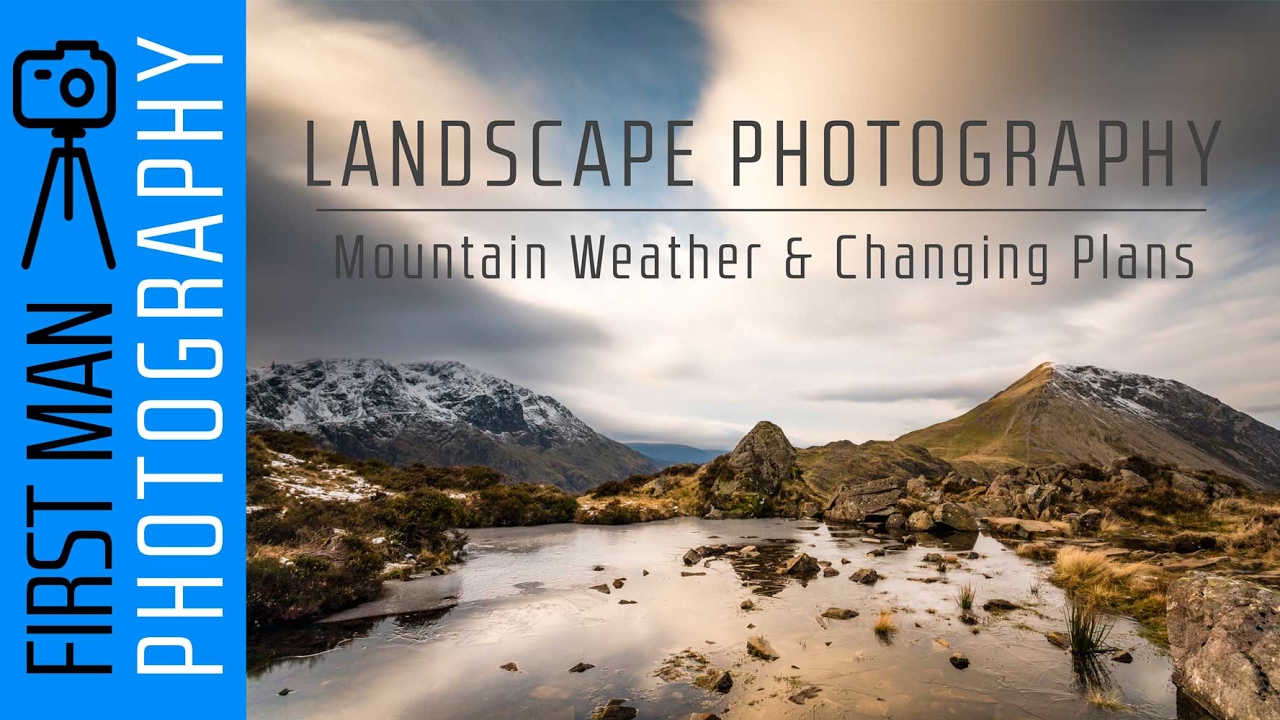
There is a particular kind of photographer who shows up with a perfect shot list, a scouted location, a tide chart, and a color-coded timeline, and then watches the weather tear it all apart by noon. I have been that photographer more times than I care to count. Twenty years of dragging gear up ridgelines before sunrise will teach you, eventually, that your plan is just a starting point. The mountain, as a mentor of mine once put it, does not care about your schedule.

When Good Enough Is the Point: Shooting Landscapes Without the Pressure of Originality

When Good Enough Is the Point: Shooting Landscapes Without the Pressure of Originality

There’s a particular kind of paralysis that sets in when you believe every frame you take needs to be groundbreaking. I’ve watched it happen to photographers at my workshops. They’ll stand at the edge of a stunning scene, golden light raking across the water, and hesitate. “Someone’s already shot this,” they say. “It’s been done.” And then they don’t shoot it. They go home with nothing. I’ve done it myself, earlier in my career, standing somewhere genuinely beautiful and talking myself out of pressing the shutter because I couldn’t figure out how to make it original enough.

When the Light Fails You: What Nigel Danson Taught Me About Finding Compositions That Don't Need It

When the Light Fails You: What Nigel Danson Taught Me About Finding Compositions That Don't Need It

There’s a particular kind of afternoon I know too well. You’ve driven out, the gear is on your back, and the light that looked promising on the horizon has gone flat and grey. Most photographers pack up. The ones who keep shooting tend to learn something more durable than “wait for golden hour.” That’s the quiet lesson buried inside this Nigel Danson tutorial from the fells of the Lake District, and it’s one I wish someone had handed me twenty years ago when I was still convinced that good photography required perfect conditions.

What Kirkstone Pass Taught Me About Planning Your Long Exposure Before You Leave the Car

What Kirkstone Pass Taught Me About Planning Your Long Exposure Before You Leave the Car

There is a particular kind of frustration that only landscape photographers know: you find the shot, you can see exactly what it needs to be, and then you realize the one piece of gear that would make it work is sitting back at the car. I have stood on hillsides in the dark, in the cold, doing that mental arithmetic, calculating whether the hike back is worth it. Sometimes it is.

When Plans Fall Apart on the Hill: Adapting Your Landscape Photography in Real Time

When Plans Fall Apart on the Hill: Adapting Your Landscape Photography in Real Time

There’s a version of landscape photography that lives on spreadsheets and weather apps and pre-visualized compositions you’ve been planning since January. And then there’s what actually happens when you show up. After twenty years of dragging gear up ridgelines before dawn, I’ve learned that the gap between those two versions of events is where the real craft lives. The ability to read conditions on the fly, swap your plan without ego, and still produce meaningful work is what separates photographers who make images from photographers who collect hikes.