Scene Stuffing: The Long Lens Composition Trap That Almost Broke My Telephoto Work

Scene Stuffing: The Long Lens Composition Trap That Almost Broke My Telephoto Work

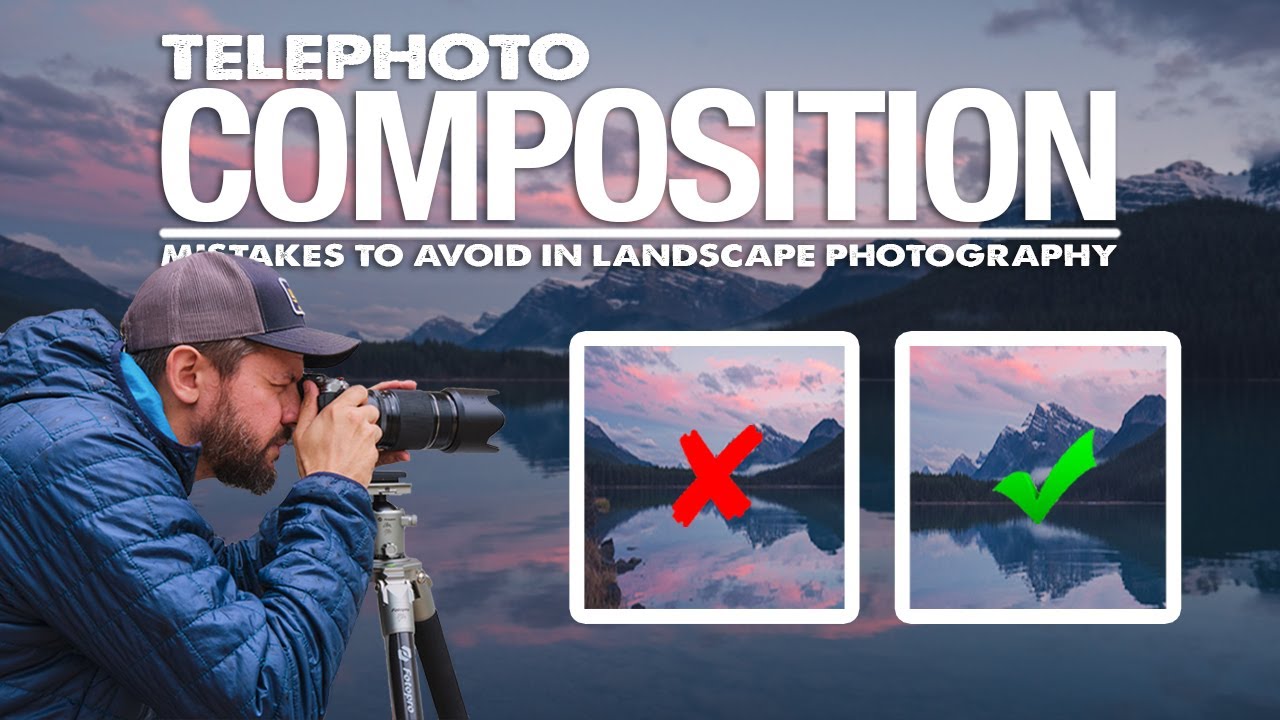
There is a specific kind of frustration that comes from standing in front of a genuinely beautiful scene, making what feels like a thoughtful composition with a long lens, and then pulling up the image on your laptop that night and feeling nothing. The light was there. The subject was there. And somehow the photograph is a mess. For years I chalked that up to some vague failure of artistic instinct.

Why Your Landscape Photos Feel Empty (And What to Do Before You Even Raise the Camera)

Why Your Landscape Photos Feel Empty (And What to Do Before You Even Raise the Camera)

The Shot That Isn’t There Yet I was standing at the edge of a basalt rimrock outside Bend last October, about twenty minutes before first light. The scene in front of me was objectively beautiful. A high desert valley, juniper silhouettes, a streak of cold orange just beginning to crack the horizon. I had my tripod set up, my Lee filters in my vest pocket, my 16-35mm on the camera. And I almost pressed the shutter.

Reading the Wild: What William Patino's New Zealand Creek Walk Taught Me About Working an Unfamiliar Scene

Reading the Wild: What William Patino's New Zealand Creek Walk Taught Me About Working an Unfamiliar Scene

There’s a particular kind of anxiety that hits when you arrive at a location you’ve never scouted and the light is already moving. You’re standing in front of something genuinely beautiful, and instead of working methodically, you freeze or lunge at the obvious shot right in front of your boots. I’ve been photographing landscapes for twenty years and I still catch myself doing it. It’s the reason I keep returning to tutorials from photographers who think out loud on camera, because watching someone else’s decision-making process is one of the fastest ways to debug your own.

Three Lenses, One Mountain: A Composition Guide That Actually Works in the Field

Three Lenses, One Mountain: A Composition Guide That Actually Works in the Field

There’s a particular kind of frustration that comes from standing in front of a jaw-dropping mountain scene and knowing, somewhere in the back of your mind, that your images aren’t going to do it justice. I’ve been shooting landscapes full-time for two decades and I still wrestle with it. Mountains are humbling that way. The scale defies a single frame. The light moves faster than you expect. And the lens you grabbed first is usually the wrong one.

Shoot What's Close: A Woodland Waterfall Composition Lesson from Your Own Backyard

Shoot What's Close: A Woodland Waterfall Composition Lesson from Your Own Backyard

There’s a particular kind of creative exhaustion that comes from chasing epic locations. I know it well. I’ve driven hours into the Oregon backcountry, set up in perfect darkness, and then spent two days watching fog refuse to lift while my coffee got cold and my patience got thinner. Those trips have their place. But somewhere along the way I started giving serious weight to the opposite approach: go somewhere you already know, go quickly, and work the scene until you get something worth keeping.

Wide Angle Lens Composition in the Field: What a New Zealand Canyon Taught Me About Slowing Down

Wide Angle Lens Composition in the Field: What a New Zealand Canyon Taught Me About Slowing Down

There’s a specific kind of creative paralysis that hits when you finally reach a stunning location and realize you have no idea where to put the camera. I’ve felt it standing in the Columbia River Gorge at first light, boots soaking, with a scene so layered and busy that the wide angle lens on my camera felt less like a tool and more like an accusation. Wide angle lenses are capable of extraordinary landscape images, but they punish lazy framing harder than any other focal length.

Why Your Landscape Photos Feel Empty (And What to Do Before You Ever Raise the Camera)

Why Your Landscape Photos Feel Empty (And What to Do Before You Ever Raise the Camera)

I stood at the edge of a basalt rim above the Crooked River for about twenty minutes before I took a single frame. The light was moving fast, the way it does in late October in central Oregon, dropping from gold to amber to that flat grey that kills everything. A newer photographer next to me was already firing. I counted his shutter presses. Forty-seven frames in the first three minutes.

The Art of Capturing Mountain Light: Lessons from the High Country

The Art of Capturing Mountain Light: Lessons from the High Country

I’ve spent countless mornings standing in alpine meadows, watching light pour over distant peaks, and I’ve learned that mountain photography isn’t about chasing dramatic vistas—it’s about understanding the light that defines them. The Golden Window: Timing Your Ascent Mountains demand respect for time. When I plan a shoot, I work backward from my desired location. If I want to photograph a peak during golden hour, I calculate sunrise time, add 45 minutes (when light becomes truly directional), then subtract my hiking duration and a 20-minute buffer for setup.

Chasing Light in the High Country: Mastering Mountain Photography

Chasing Light in the High Country: Mastering Mountain Photography

There’s a particular silence that settles over a mountain before dawn—a stillness that makes you acutely aware of why you’ve dragged yourself out of bed at 3 a.m. You’re standing at 10,000 feet, fingers numb despite your gloves, watching the sky transition from absolute black to deep indigo. This is when mountain photography truly begins, long before the light touches the peaks. Timing Is Everything I’ve learned that mountain photography is fundamentally about light, and mountain light is unforgiving.

The Silent Language of Landscape Composition: Finding Balance in the Wild

The Silent Language of Landscape Composition: Finding Balance in the Wild

The Silent Language of Landscape Composition: Finding Balance in the Wild I remember standing on a ridge in the Cairngorms at dawn, camera in hand, utterly overwhelmed. The light was extraordinary—golden, directional, perfect. Yet when I reviewed my shots later, most felt flat and listless. The problem wasn’t the light or the location. It was that I hadn’t learned to read the landscape. Composition isn’t about following rules. It’s about understanding how your eye naturally moves through a frame, and then orchestrating that movement intentionally.

The Quiet Intensity of Mountain Photography: Finding Light in High Places

The Quiet Intensity of Mountain Photography: Finding Light in High Places

The Quiet Intensity of Mountain Photography: Finding Light in High Places There’s a peculiar silence that settles over you when you’re standing at elevation, camera in hand, waiting for the light to change. The wind might be howling. Clouds might be racing across the ridgeline. But internally, there’s a stillness—a focus that only comes when you’re genuinely uncertain whether the next hour will yield anything worth capturing. Mountain photography isn’t about the destination.

Finding Light in the High Country: A Mountain Photographer's Field Guide

Finding Light in the High Country: A Mountain Photographer's Field Guide

Finding Light in the High Country: A Mountain Photographer’s Field Guide I’ve spent enough mornings shivering in the pre-dawn darkness at 10,000 feet to know that mountain photography demands more than just showing up with a good camera. It requires patience, preparation, and an honest understanding of how light behaves in thin air. The mountains have taught me that the best shots aren’t about luck—they’re about reading the landscape like a map and positioning yourself where intention meets opportunity.