The LCL Framework: A Simple Editing Order That Stopped Me From Wrecking My Landscape Photos

The LCL Framework: A Simple Editing Order That Stopped Me From Wrecking My Landscape Photos

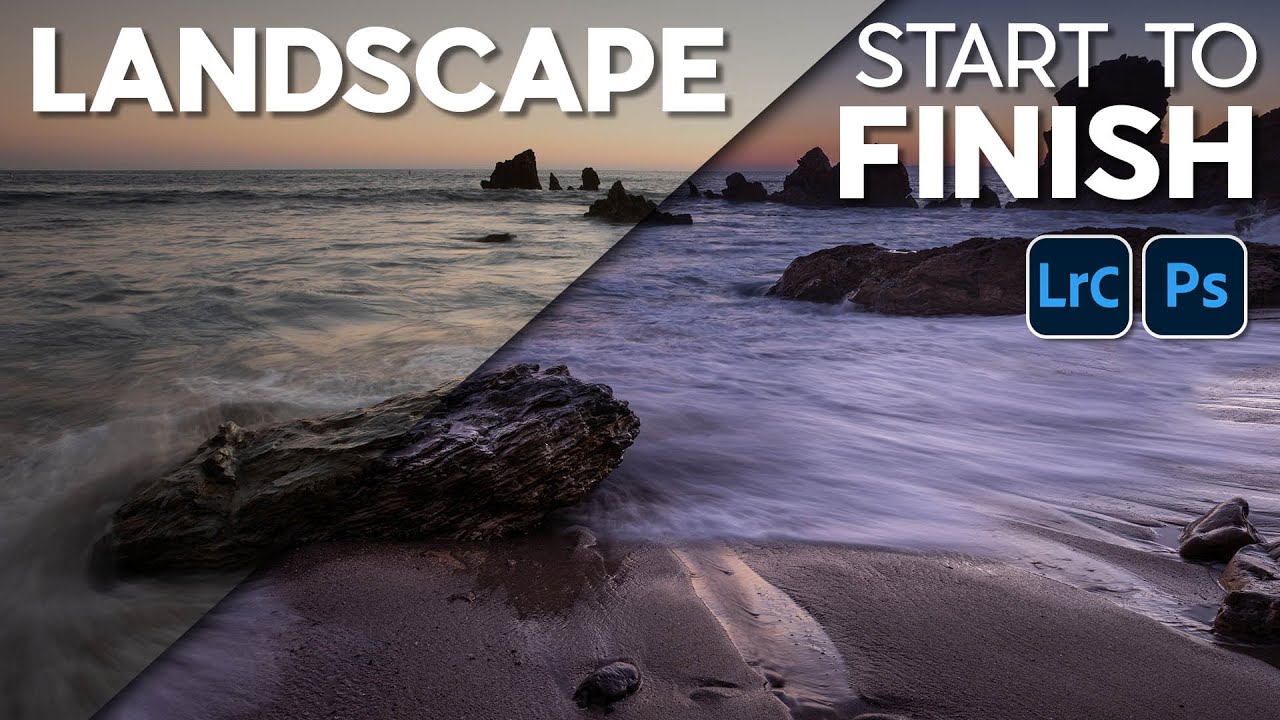
I spent the better part of my first two years as a photographer treating editing like a chore I could outrun. I was convinced that if I just nailed the exposure in the field, the image would mostly take care of itself. It didn’t. I’d come home from a pre-dawn shoot in the Cascades, crack open Photoshop, push a few sliders around with no particular logic, and wonder why my images looked muddy or over-cooked or simply flat.

Lightroom's New Landscape Masking Tool Changes How I Edit in the Field

Lightroom's New Landscape Masking Tool Changes How I Edit in the Field

I have spent twenty years building masks by hand. Sky selections, foreground separations, water isolations, rock faces pulled out with luminosity ranges stacked on top of each other like geological layers. Some of my most-used Lightroom sessions have more masks than most photographers apply in a month. That is not a brag. It is a confession. Local adjustments are the engine of a finished landscape photograph, but the time they demand is real, and after two decades I have learned to budget for it the way I budget for golden hour.

From Flat to Dimensional: 6 Editing Skills That Changed How I Process Every Landscape Photo

From Flat to Dimensional: 6 Editing Skills That Changed How I Process Every Landscape Photo

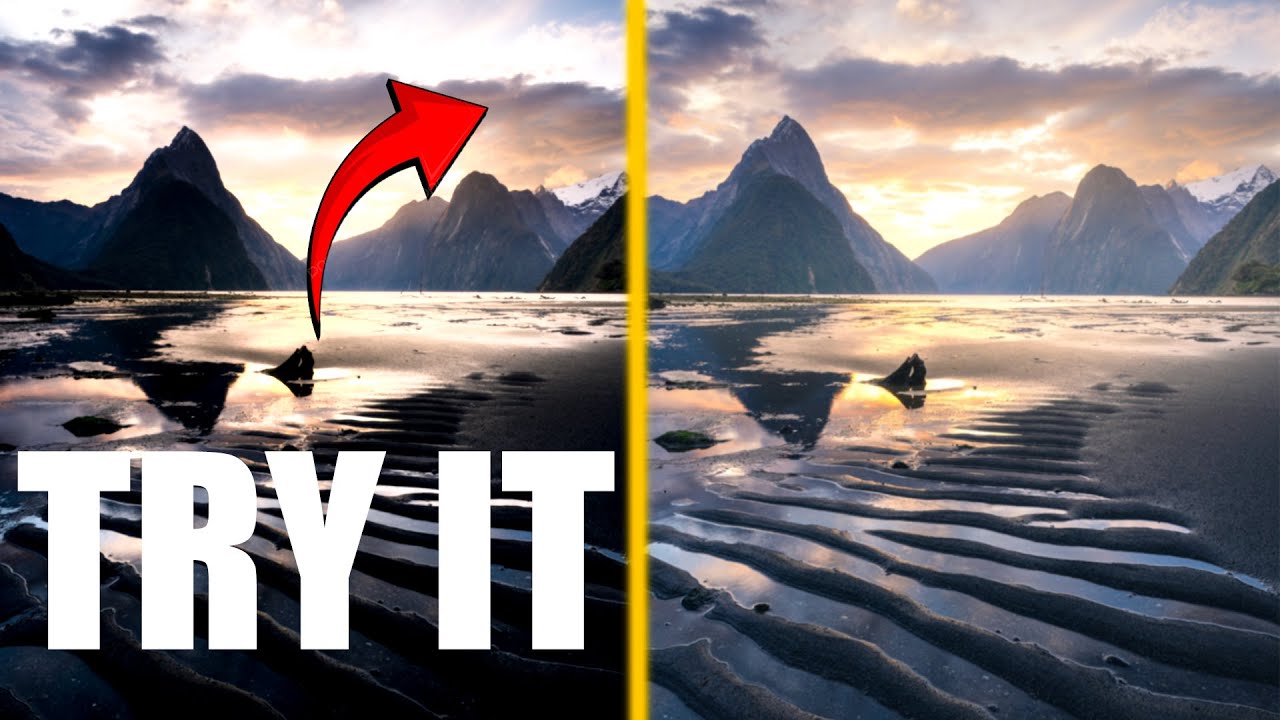
There’s a version of me from about fifteen years ago who spent an hour on global sliders and called it done. Exposure up, contrast in, clarity pushed until the rocks looked like they were carved from steel. The images looked processed, not finished, and I couldn’t figure out why. It took a long time, and a lot of ruined files, before I understood that global adjustments set the stage. Local adjustments are where the actual editing happens.

Goodbye Split Toning: How Lightroom's Color Grading Panel Changed the Way I Develop Every Landscape

Goodbye Split Toning: How Lightroom's Color Grading Panel Changed the Way I Develop Every Landscape

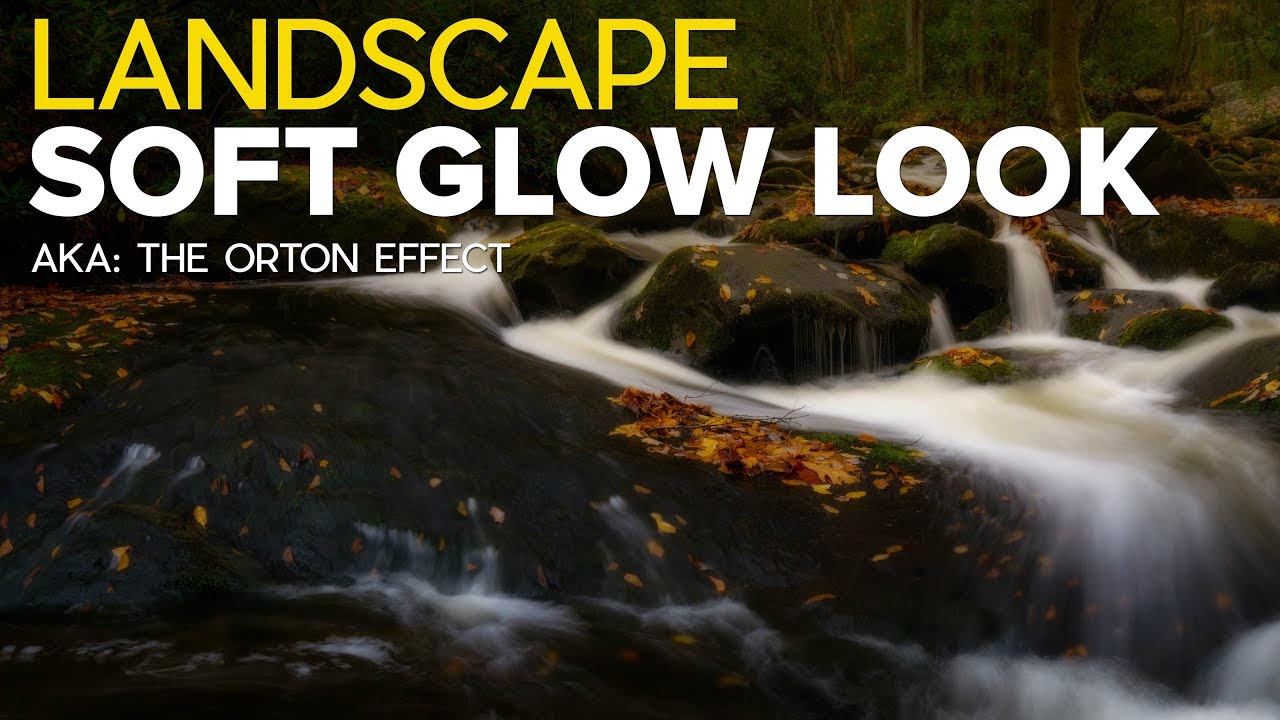
Color has always been the thing I lose sleep over. Not composition, not exposure, not even the light itself, though all three matter enormously. After twenty years of making landscape photographs, I’ve come to believe that the emotional weight of an image lives in its color. A technically perfect shot with flat, lifeless color will sit in a folder forever. The same frame with rich, coherent tones becomes the print someone hangs above their fireplace.

Why Your Landscape Photos Look Flat (And the Tonal Fixes That Actually Work)

Why Your Landscape Photos Look Flat (And the Tonal Fixes That Actually Work)

There is a particular kind of disappointment I know well. You were there. The light was extraordinary. You felt something standing in that landscape. Then you open the raw file and the image looks… compressed. Airless. Like everything is sitting on the same plane, equidistant from the viewer, none of it going anywhere. Flat. I have been shooting landscape photography full-time for two decades and I still encounter this problem regularly, especially when I push contrast or clarity too hard during processing.

Sharp Front to Back: How Focus Stacking Saved My Last Desert Shoot

Sharp Front to Back: How Focus Stacking Saved My Last Desert Shoot

There’s a particular kind of frustration that comes with a scene that simply will not cooperate with your aperture. You’re standing in front of something extraordinary, maybe a gnarled tree pushing up from a rocky foreground with a mountain range filling the sky behind it, and no matter where you set your f-stop, something goes soft. Stop down to f16 and diffraction steals your sharpness. Open up to f8 and the foreground loses definition.

Why Your Sky Masks Look Fake (And the Lightroom Workaround That Finally Fixes It)

Why Your Sky Masks Look Fake (And the Lightroom Workaround That Finally Fixes It)

There’s a particular kind of frustration that lives in the zoom-in. You’ve done everything right. The sky mask selected cleanly, the clouds have drama and texture now, the exposure looks balanced. You toggle the edit on and off and feel that small, quiet satisfaction of a job done well. Then you zoom in to check your edges and there it is: a thin, glowing halo hugging the ridgeline like the mountain is lit from behind by something that was never there.