Are You Over-Editing Your Landscape Photos? 6 Red Flags to Watch For

Are You Over-Editing Your Landscape Photos? 6 Red Flags to Watch For

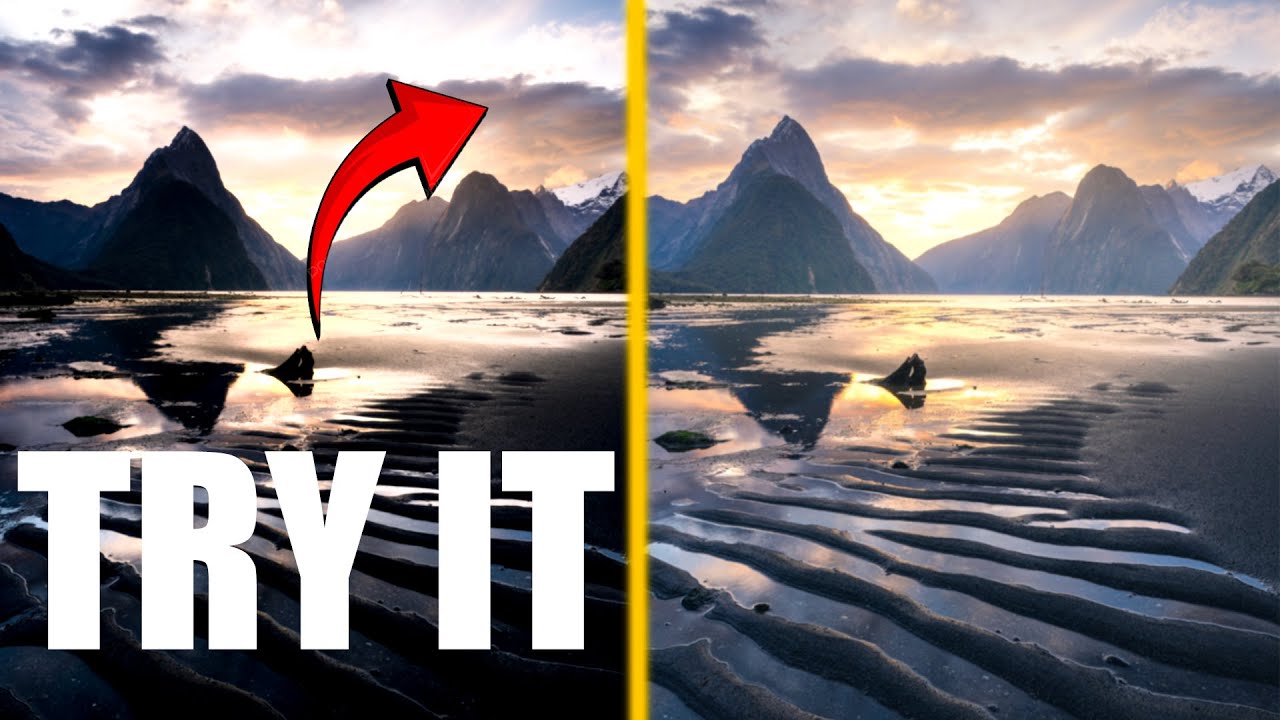
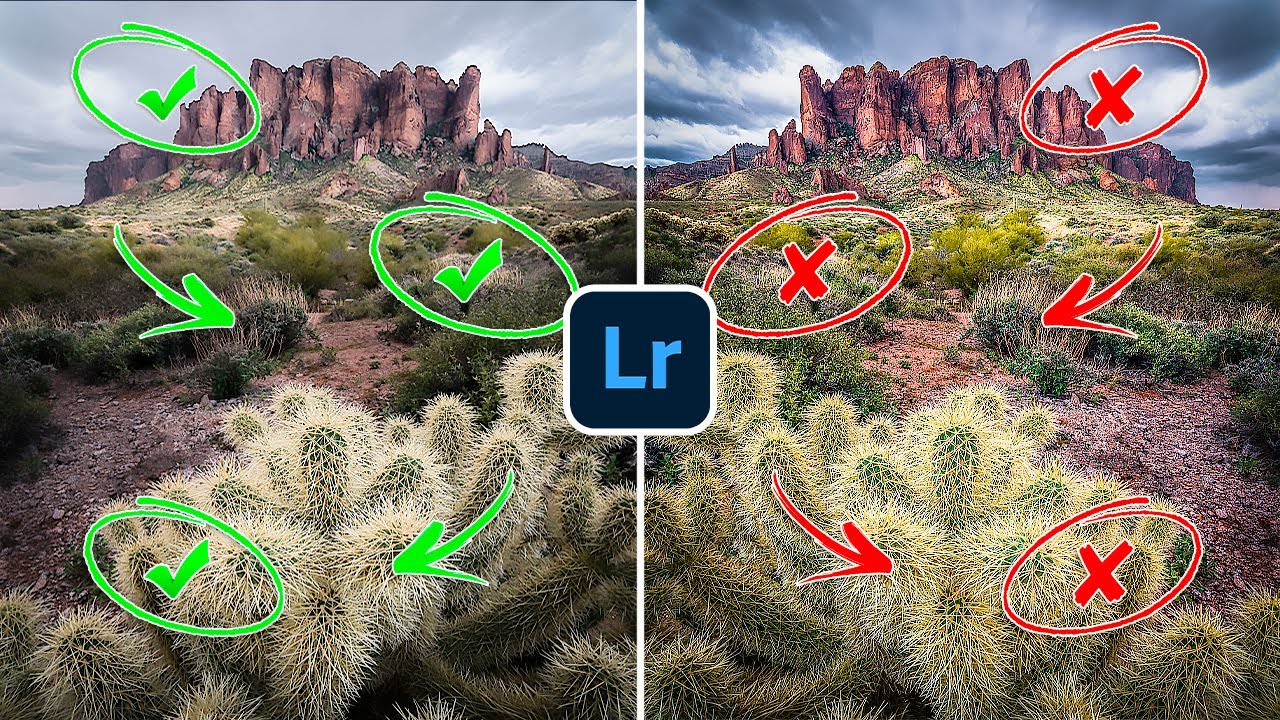
I spent years thinking more was more. More contrast, more saturation, more drama pulled out of every shadow. After two decades behind a camera in the high desert outside Bend, I can look back at my early edits and wince at them the way you wince at a haircut from an old photo. The problem was never enthusiasm. The problem was I didn’t have a clear checklist of what to look for.
From Flat RAW to Field-True: How I Process Landscape Files That Actually Match What I Saw

From Flat RAW to Field-True: How I Process Landscape Files That Actually Match What I Saw

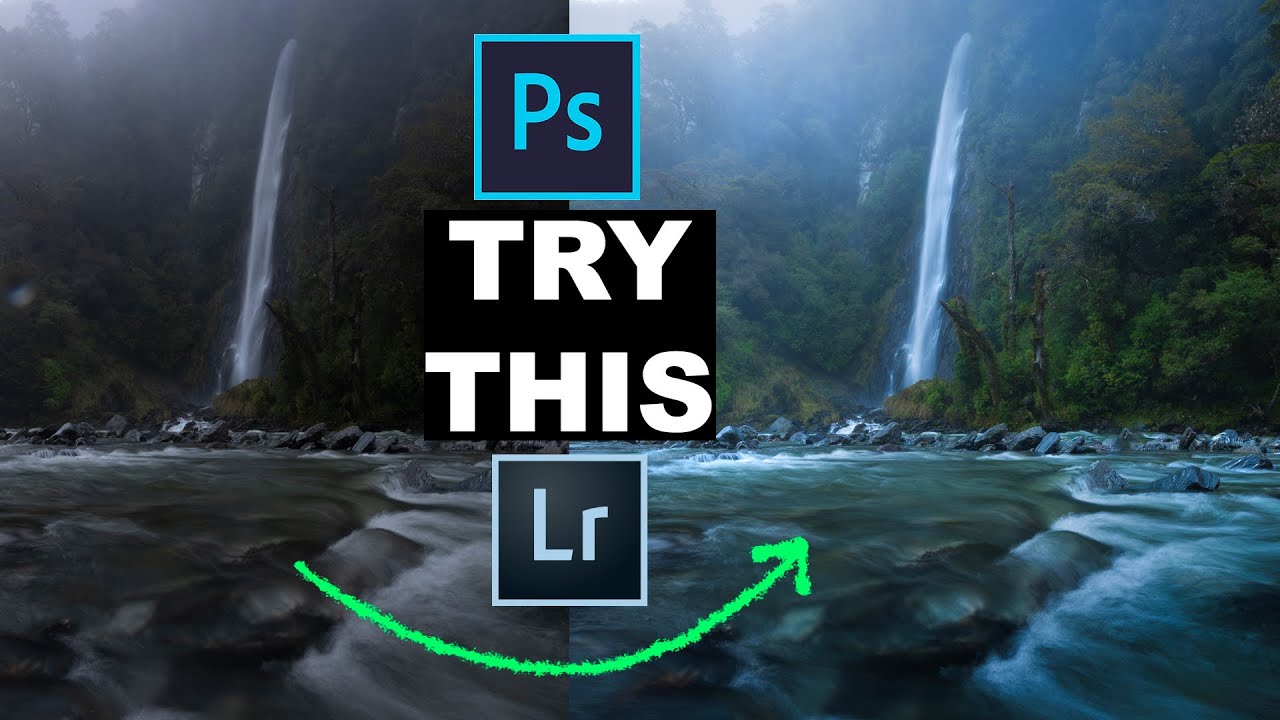
There is a specific kind of disappointment that only photographers know. You were standing in a forest at first light, mist threading between the trees, a waterfall catching cold blue sky in its current. You felt it. You pressed the shutter. Then you open the RAW file and it looks like a gray sock. Twenty years of doing this professionally and I still have to talk myself down from that moment.

The Last 7 Things I Do to Every Landscape Photo (And Why They Matter)

The Last 7 Things I Do to Every Landscape Photo (And Why They Matter)

There’s a particular kind of frustration that comes from finishing an edit, stepping away, and coming back an hour later to find the photo still doesn’t feel done. The tones are right. The exposure is dialed. But something is missing — some quality that separates a processed file from a finished photograph. I spent years chalking that up to a problem in the field. Wrong light, wrong lens, wrong timing. It took a long time to understand it was almost always a problem at the end of my editing workflow, not the beginning.

How to Breathe Light and Life into a Flat Landscape in Lightroom

How to Breathe Light and Life into a Flat Landscape in Lightroom

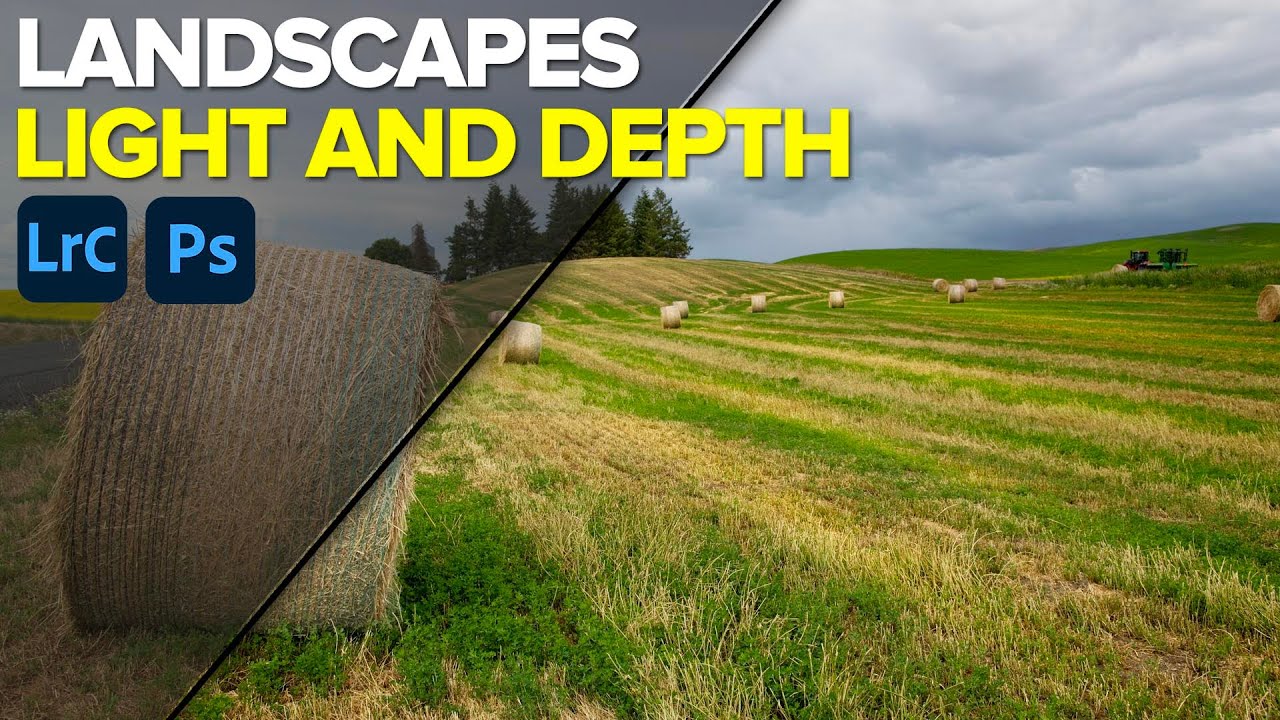
There’s a particular kind of landscape photo that stops me cold when I’m culling: technically solid, well-exposed, nothing obviously wrong with it, but somehow flat. No entry point for the eye. No sense that the light was alive when the shutter fired. I’ve taken thousands of them, and I’ve learned that the difference between that photo and a great one is almost never what happened in the field. It’s what happens in post, specifically how deliberately you push light and shadow into the places the camera failed to see.

The Orton Effect Explained: How I Add Soft, Dreamy Glow to My Landscape Photos

The Orton Effect Explained: How I Add Soft, Dreamy Glow to My Landscape Photos

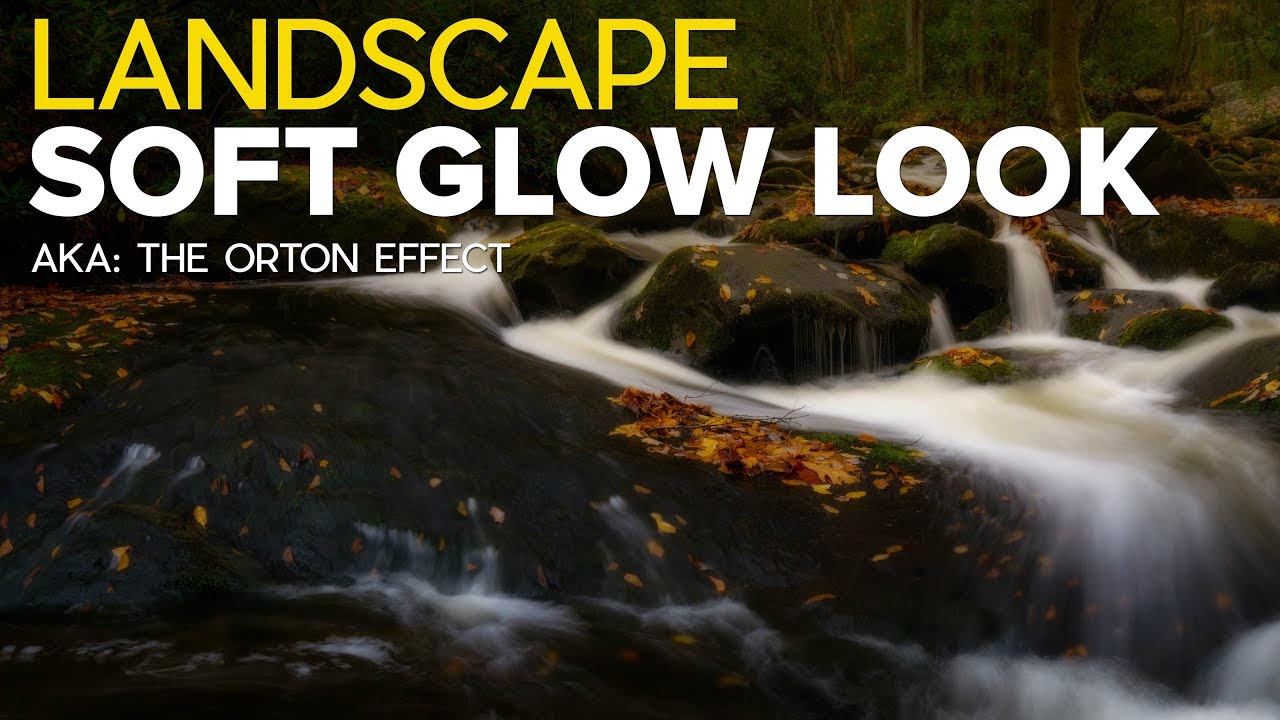
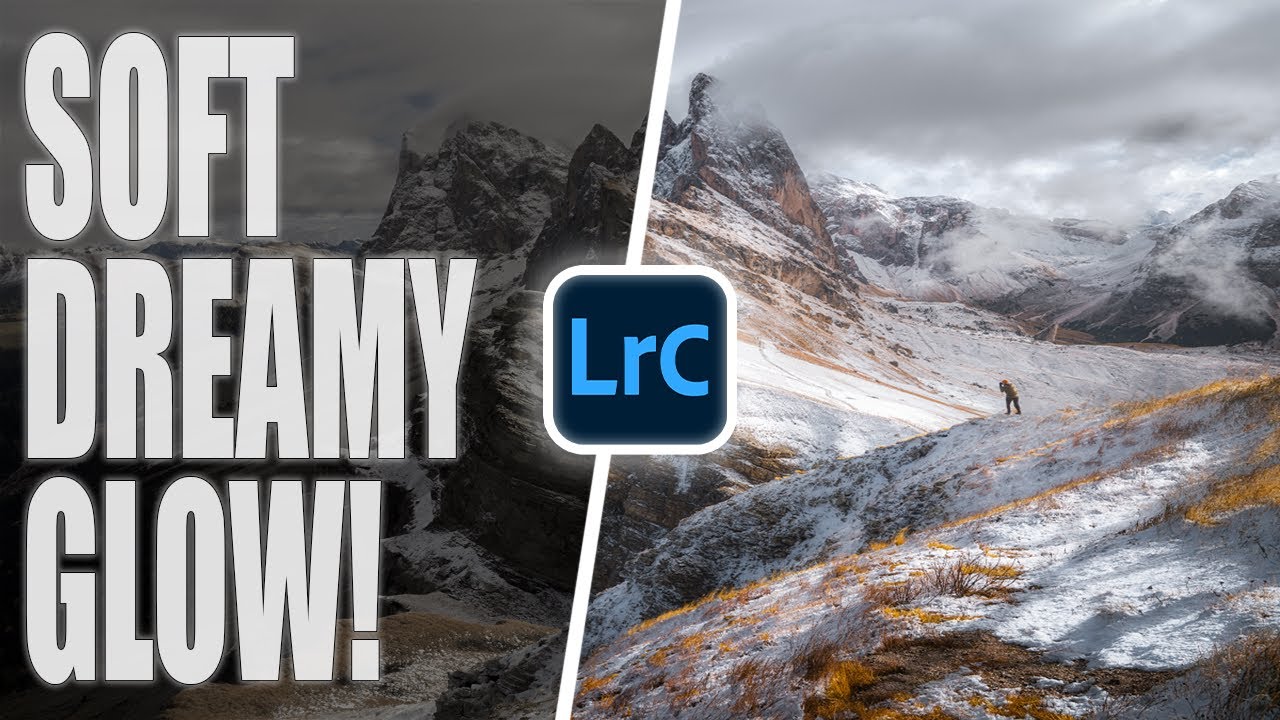
There is a quality of light I chase constantly out here in the high desert around Bend. It happens maybe a dozen mornings a year, when the atmosphere is thick enough to scatter the first rays but thin enough to still let color through. Everything glows from the inside. The trees, the ridgelines, the frost on the grass. I have been trying to recreate that feeling in post-processing for two decades, with mixed results.

Color That Feels True: 7 Lightroom Tips From a Tutorial Worth Your Time

Color That Feels True: 7 Lightroom Tips From a Tutorial Worth Your Time

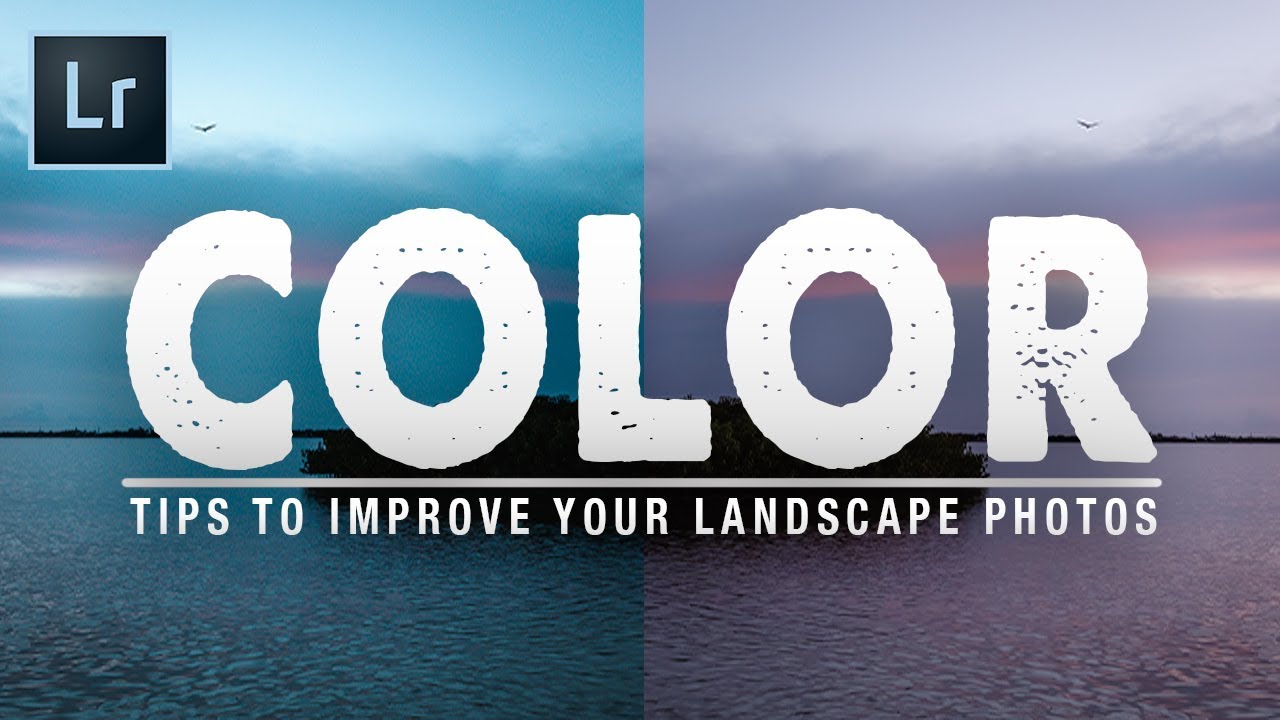
Color has always been the thing that either pulls a viewer into a landscape image or quietly pushes them away. I’ve been making photographs in the field for twenty years, and I still come home from shoots where the light was extraordinary and find that the raw files look flat, muddy, or just slightly off in a way I can’t immediately name. The colors in my head don’t match the colors on the screen, and closing that gap is the real work of editing.

Stop Cropping Just to Clean Up Edges — Use Lightroom's Grid Overlays to Rethink the Whole Frame

Stop Cropping Just to Clean Up Edges — Use Lightroom's Grid Overlays to Rethink the Whole Frame

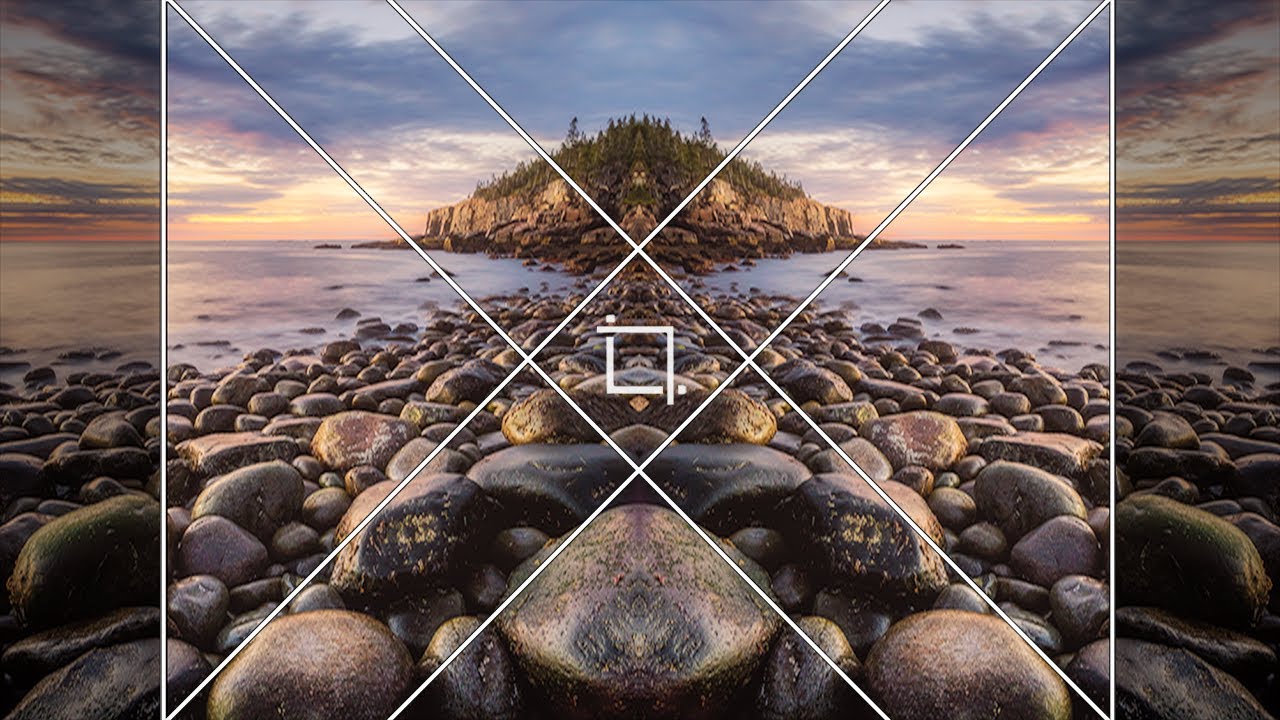
There’s a specific kind of disappointment I’ve felt more times than I’d like to admit. You’re standing at a location before dawn, the light is doing something extraordinary, your heart is hammering, and you’re firing frames as fast as your cold fingers will allow. You get home, load the cards, and the light is all there. But the composition? It’s soft. Not wrong, exactly. Just not as tight or as intentional as it felt in the field.

Split Toning in Lightroom: The Quiet Fix for Flat Landscape Colors

Split Toning in Lightroom: The Quiet Fix for Flat Landscape Colors

There’s a particular kind of disappointment I know too well. You’re out before dawn, boots wet, hat pulled low, watching a sky that looks like it was painted by someone who really meant it. You fire off dozens of frames. You drive home buzzing. Then you pull the files up on your monitor and the magic just… isn’t there. The colors look thin. The warmth you felt standing in that field didn’t make the trip.

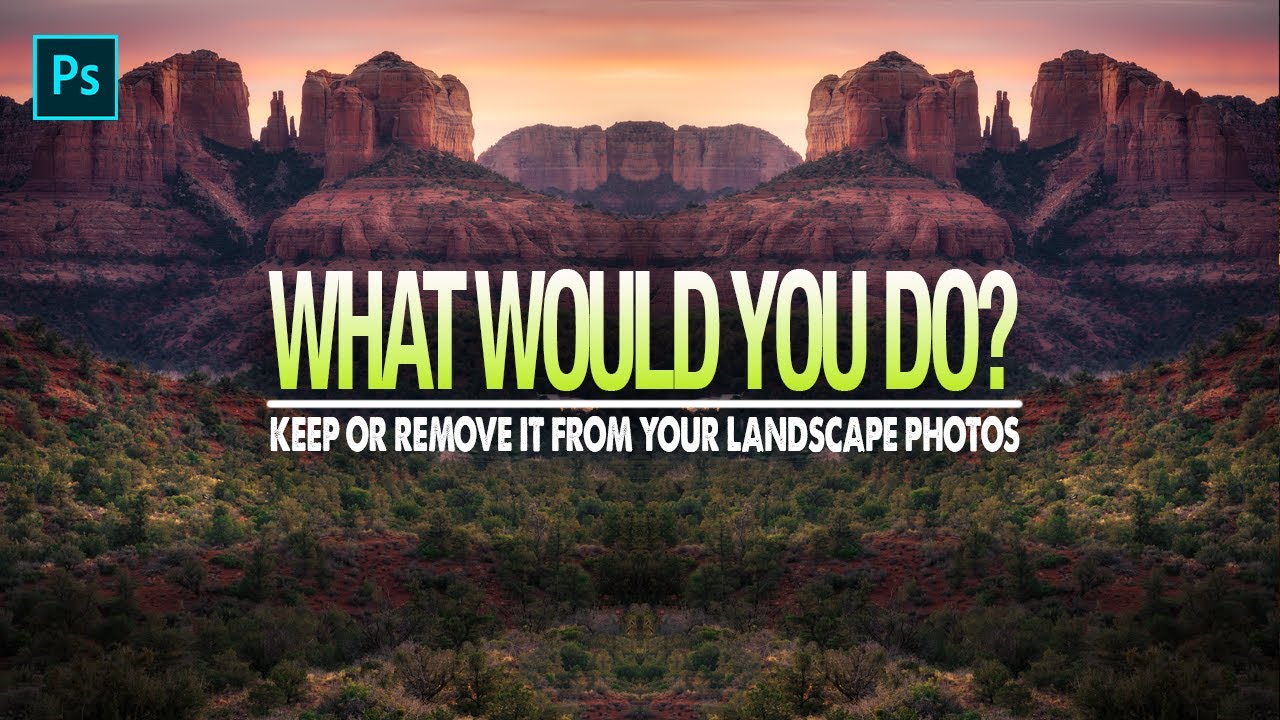
Keep It, Move It, or Kill It: The Element Removal Decision Every Landscape Photographer Faces

Keep It, Move It, or Kill It: The Element Removal Decision Every Landscape Photographer Faces

There’s a particular kind of paralysis that hits me when I’m sitting at my editing desk at 5am, coffee going cold, staring at a frame I know is almost right. Something in the image is pulling at my eye. A stray branch in the lower left. A utility pole ghosting through a ridgeline. A farmhouse sitting right in the middle of an otherwise clean sweep of desert light. I’ve been shooting landscapes full-time for two decades and that moment still stops me cold: do I take it out, leave it alone, or try to move it somewhere less damaging?

How to Process a Dramatic Black and White Landscape in Lightroom (The Way I Actually Do It)

How to Process a Dramatic Black and White Landscape in Lightroom (The Way I Actually Do It)

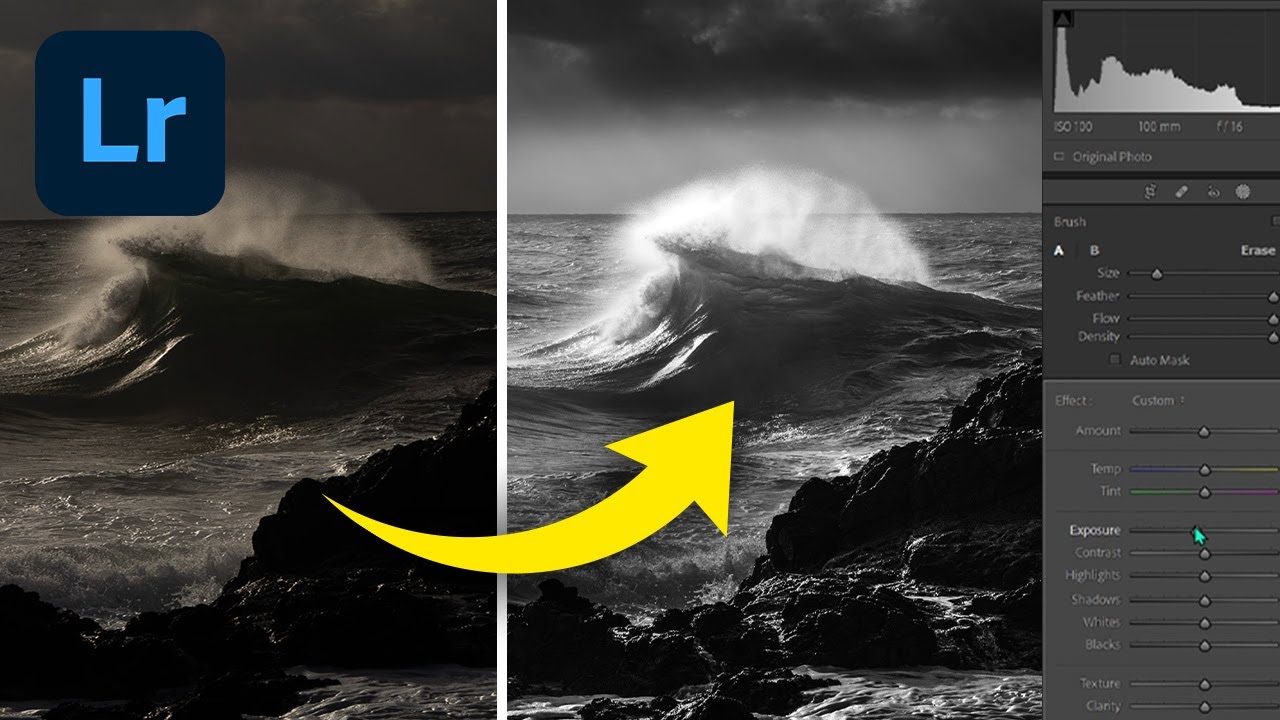
There is a particular kind of morning light that almost defeats you in color. The tones are real, the drama is there, but when you look at your raw file back home, something feels flat. The contrast that punched you in the chest when you were standing ankle-deep in cold water at first light just doesn’t translate. I’ve been making landscape photographs for twenty years and I still run into this problem regularly.

The Lightroom-Only Orton Effect That Actually Works (A Step-by-Step Breakdown)

The Lightroom-Only Orton Effect That Actually Works (A Step-by-Step Breakdown)

Scroll through any landscape photography feed right now and you’ll spot the Orton effect everywhere - that soft, glowing, almost otherworldly quality that makes a forest or mountain scene feel like it was pulled from a dream. Some of it is overdone to the point of distraction. But when it’s applied with restraint, something interesting happens: the photograph stops looking like a document of a place and starts feeling like an experience of one.

Why Your RAW Files Look Flat (And How to Fix Them With One Focused Workflow)

Why Your RAW Files Look Flat (And How to Fix Them With One Focused Workflow)

I’ve been standing in cold water before dawn for twenty years, and if there’s one conversation I still have at every workshop I run, it’s this one: “My phone takes a better photo than my camera.” I hear it from beginners, from people who just bought a serious mirrorless kit, from folks who drove three hours to catch a golden hour and came home with a folder full of dark, muddy RAW files that looked nothing like what their eyes saw.