Shooting Snow-Covered Landscapes: What William Patino's New Zealand Tutorial Taught Me About Controlled Chaos

Shooting Snow-Covered Landscapes: What William Patino's New Zealand Tutorial Taught Me About Controlled Chaos

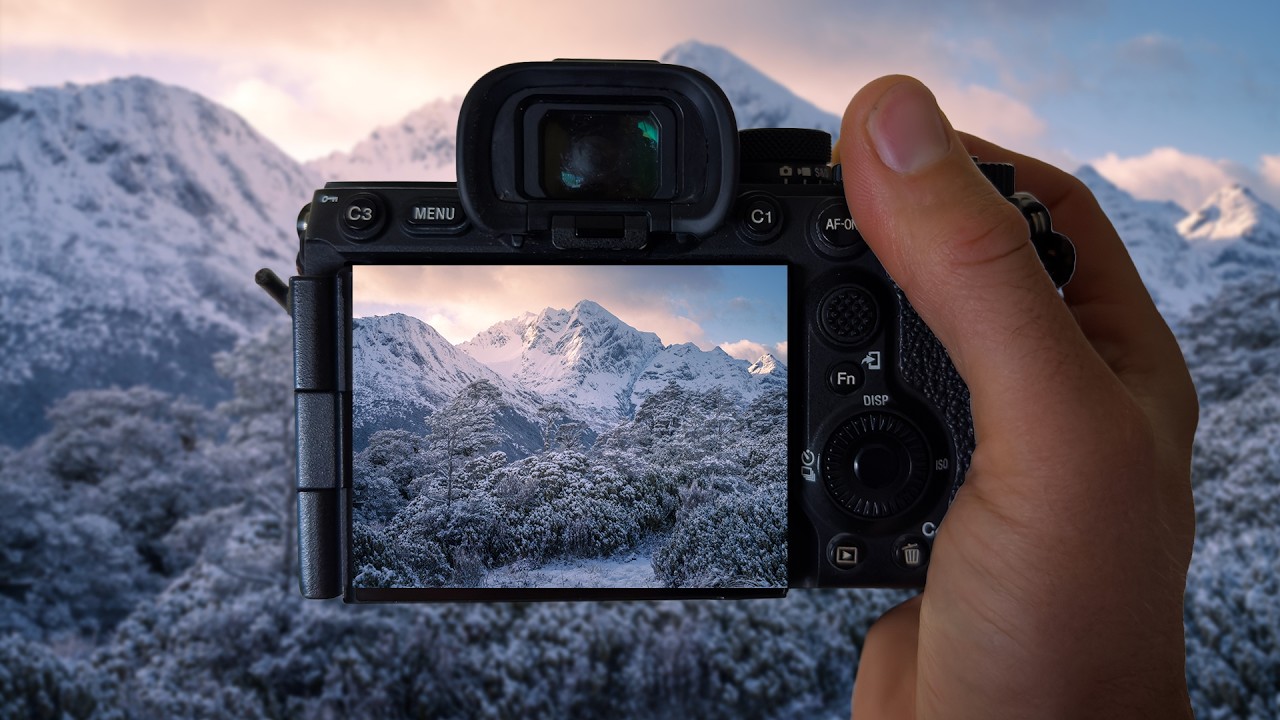
There’s a particular kind of paralysis that hits in a forest after fresh snowfall. Everything is beautiful. Every direction you turn, there’s a frame. And that abundance, counterintuitively, is what makes it one of the hardest environments to photograph well. I’ve stood in snow-covered pines in the Cascades enough times to know that the instinct to just start shooting is almost always wrong. The chaos of a white-blanketed forest demands more discipline, not less.
From Flat to Dimensional: 6 Editing Skills That Changed How I Process Every Landscape Photo

From Flat to Dimensional: 6 Editing Skills That Changed How I Process Every Landscape Photo

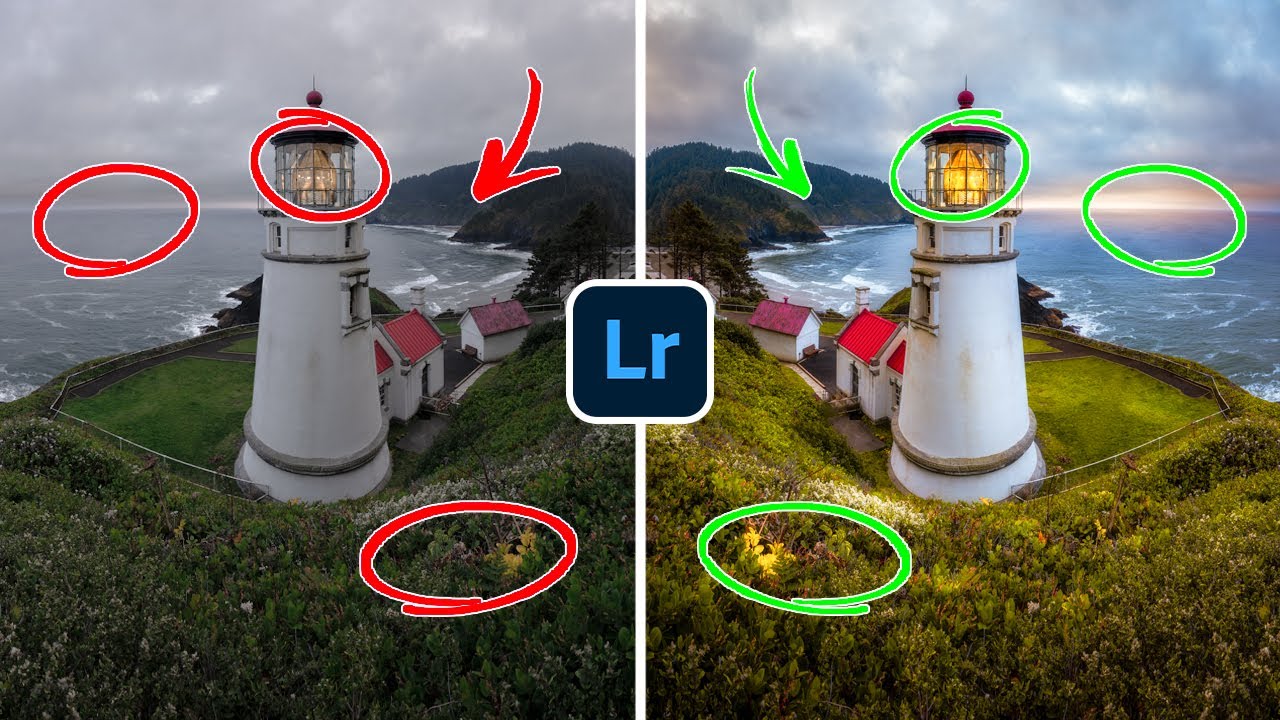
There’s a version of me from about fifteen years ago who spent an hour on global sliders and called it done. Exposure up, contrast in, clarity pushed until the rocks looked like they were carved from steel. The images looked processed, not finished, and I couldn’t figure out why. It took a long time, and a lot of ruined files, before I understood that global adjustments set the stage. Local adjustments are where the actual editing happens.

How Negative Clarity and Texture Gave My Landscape Photos a Painterly Soul

How Negative Clarity and Texture Gave My Landscape Photos a Painterly Soul

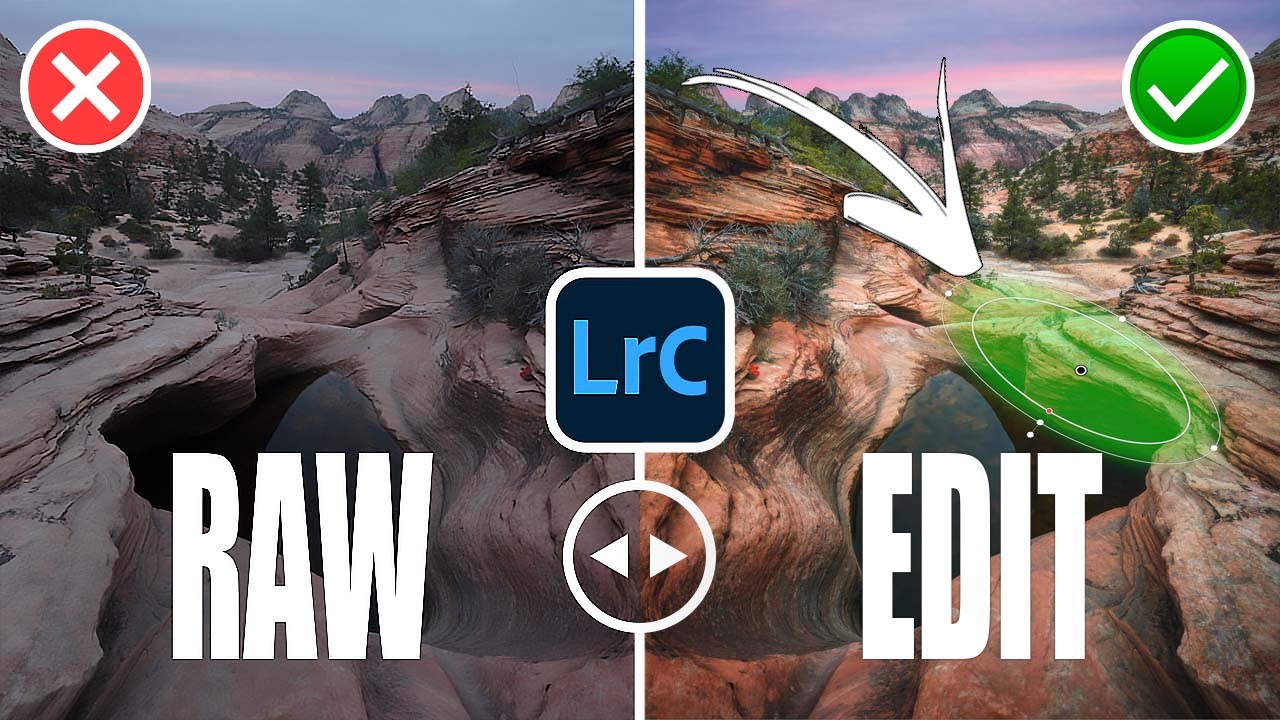
There is a particular kind of disappointment I know well. You drive hours into the dark, set up in a river at first light, wait for the fog to lift off the mountains, and come home with a technically perfect photograph that somehow feels dead. Sharp as a razor. Detailed to the point of exhaustion. It looks like a specification sheet, not a landscape. After twenty years of doing this work full time, I still fight that problem every single time I sit down at my editing desk.

Why Your Sky Masks Look Fake (And the Lightroom Workaround That Finally Fixes It)

Why Your Sky Masks Look Fake (And the Lightroom Workaround That Finally Fixes It)

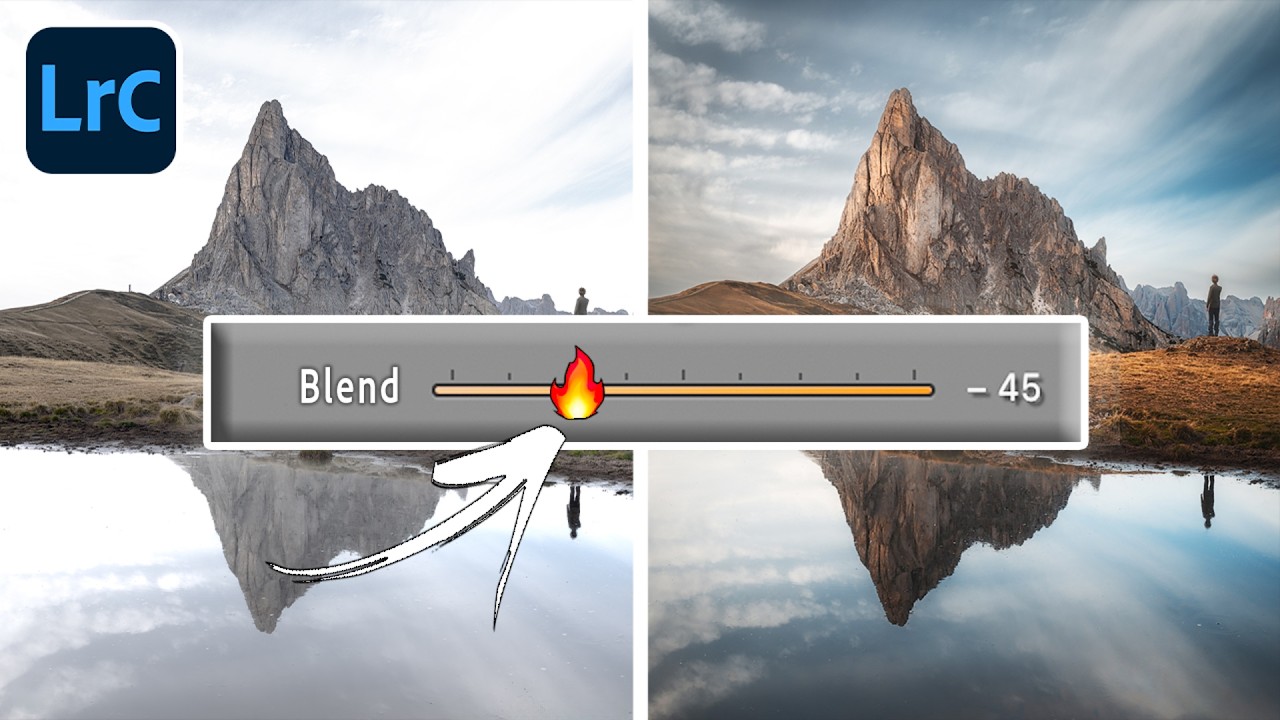
There’s a particular kind of frustration that lives in the zoom-in. You’ve done everything right. The sky mask selected cleanly, the clouds have drama and texture now, the exposure looks balanced. You toggle the edit on and off and feel that small, quiet satisfaction of a job done well. Then you zoom in to check your edges and there it is: a thin, glowing halo hugging the ridgeline like the mountain is lit from behind by something that was never there.