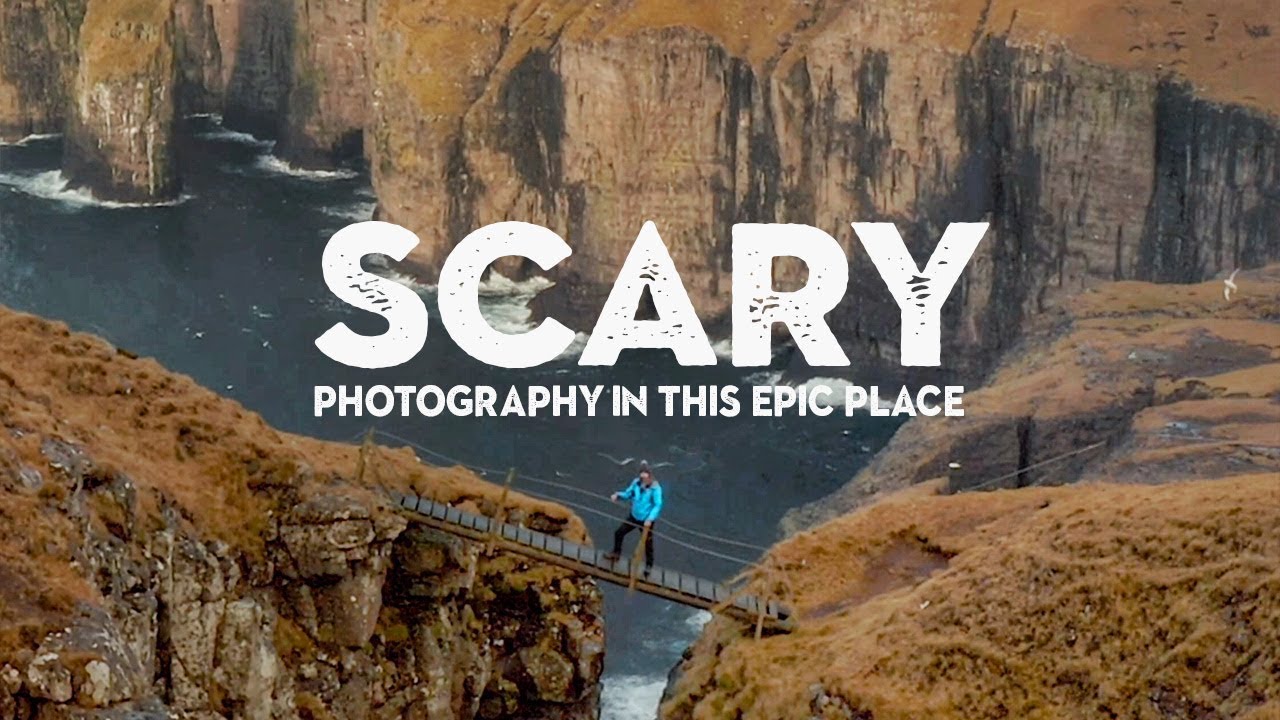
Shooting at the Edge: What Nigel Danson's Faroe Islands Adventure Teaches Us About Committing to a Location

Shooting at the Edge: What Nigel Danson's Faroe Islands Adventure Teaches Us About Committing to a Location

There’s a particular kind of photographer’s stubbornness that separates a good shoot from a forgettable one. It’s not gear, and it’s not weather luck. It’s the willingness to commit fully to a location, even when your body is telling you to turn around. A mentor of mine put it plainly once: “The mountain doesn’t care about your schedule.” I’ve carried that thought into nearly every shoot I’ve done since, from the high desert outside Bend to river gorges in the Pacific Northwest.
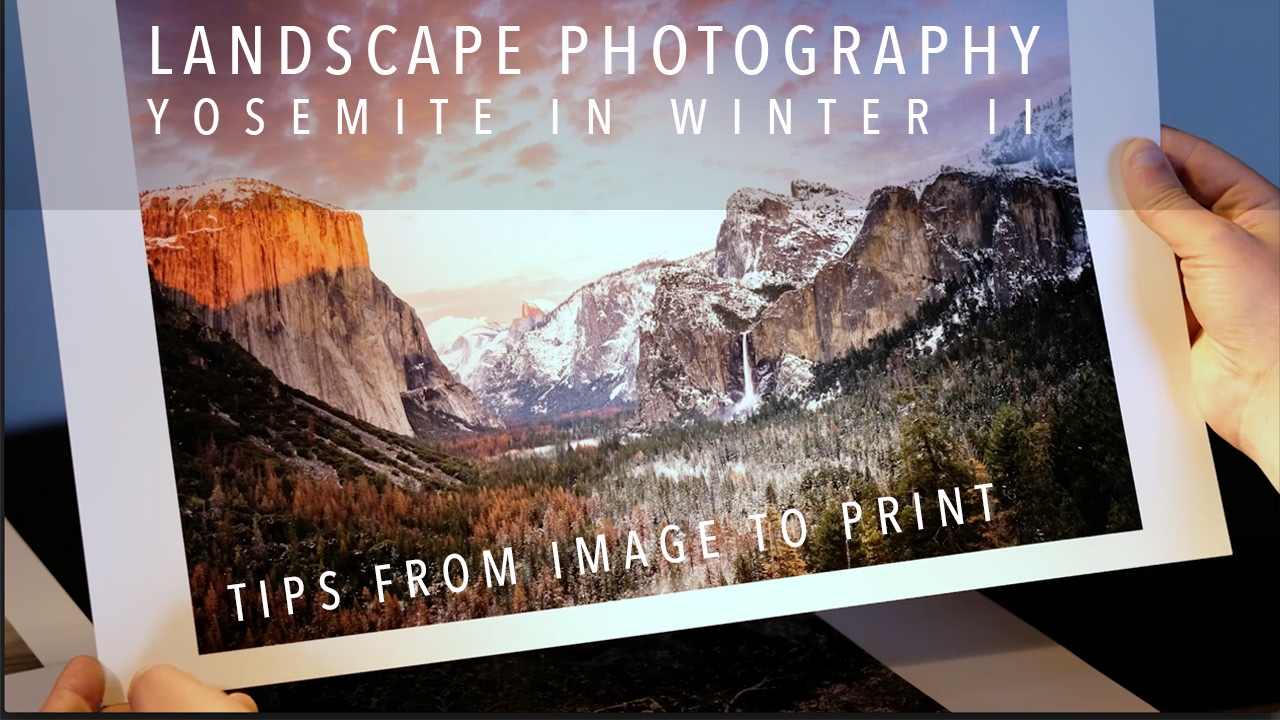
Shooting Yosemite in Winter: What Nigel Danson's Scouting Strategy Taught Me About Letting Go of the Plan

Shooting Yosemite in Winter: What Nigel Danson's Scouting Strategy Taught Me About Letting Go of the Plan

There’s a version of every iconic location that exists in your head before you arrive, and then there’s the version that greets you at minus eleven degrees at dawn. I’ve been doing this for twenty years, and the gap between those two versions is still where most of my best work happens. The problem isn’t the cold or the crowds or the flat light. The problem is rigidity. When you show up locked into one composition, one viewpoint, one expected outcome, you miss what’s actually in front of you.

What 365 Days of Full-Time Landscape Photography Actually Teaches You About the Business Side

What 365 Days of Full-Time Landscape Photography Actually Teaches You About the Business Side

There’s a particular kind of dread I know well: waking up to thick fog rolling through the valley, grabbing your gear in the dark, and then sitting in your truck with no clear plan. The conditions are perfect. You have nowhere to go. After twenty years doing this full-time out of Bend, Oregon, I’ve learned that the fog doesn’t wait for indecision. You either have a list of locations ready or you watch a once-a-season morning dissolve into flat midday light.

Why the Best Reason to Go Shooting Has Nothing to Do With the Shot

Why the Best Reason to Go Shooting Has Nothing to Do With the Shot

There’s a particular kind of photographer paralysis I’ve watched set in over twenty years of doing this work. Life gets loud, the to-do list multiplies, and the camera bag sits by the door collecting a thin layer of dust. You tell yourself you’ll go out when conditions are perfect, when you have a full day free, when you feel ready. I’ve been there more than I’d like to admit. What pulls me back, every single time, is remembering that the act of going out is the point, not the portfolio addition waiting at the other end of it.

Chasing the Old Man of Storr: What Thomas Heaton's Isle of Skye Sunrise Taught Me About Shooting in the Dark

Chasing the Old Man of Storr: What Thomas Heaton's Isle of Skye Sunrise Taught Me About Shooting in the Dark

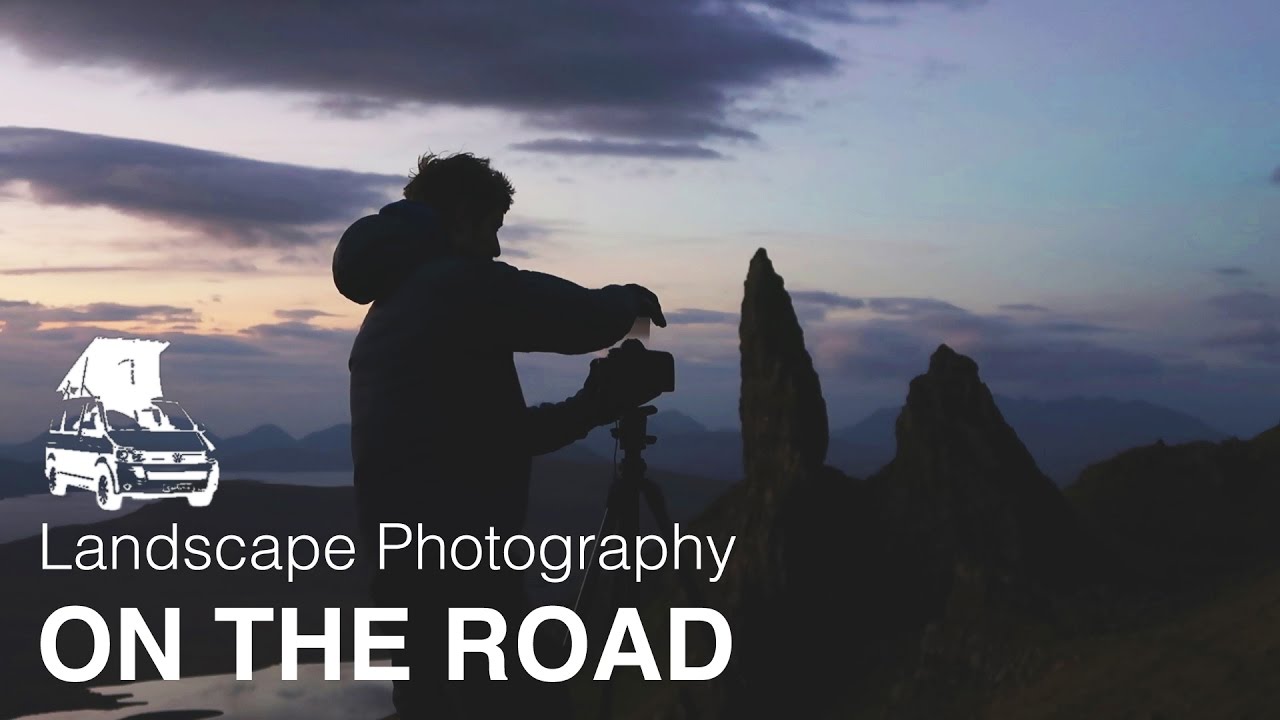
There’s a particular kind of confidence that comes from arriving at a location in the dark and already knowing exactly where to stand. I’ve been waking up before 4am for two decades, and I still catch myself second-guessing compositions by headlamp. That’s why this Watch the full tutorial on YouTube from Thomas Heaton stopped me mid-coffee this week. Watching him work a pre-scouted hillside above the Old Man of Storr in near-darkness, leveled tripod already planted before the sky even hinted at color, reminded me of something my old mentor used to say: the mountain doesn’t care about your schedule.

The Reconnaissance Mindset: What Thomas Heaton's Stack Pollaidh Shoot Taught Me About Reading Light Before You Shoot

The Reconnaissance Mindset: What Thomas Heaton's Stack Pollaidh Shoot Taught Me About Reading Light Before You Shoot

There’s a habit I picked up early in my career that has saved more shoots than any piece of gear I’ve ever bought: going to a location twice. The first visit is for listening. The second is for shooting. I’ve driven three hours to a canyon rim before sunrise, walked it in the dark, and come back the following evening knowing exactly where I’d plant my tripod and why. That split approach, scout first, shoot second, sounds obvious until you’re staring at a sunrise you weren’t prepared for and scrambling to find an angle while the light burns off.

Why Exploring New Locations Is the Cure for Stale Landscape Photography

Why Exploring New Locations Is the Cure for Stale Landscape Photography

There’s a particular kind of creative fatigue that sneaks up on you after years of shooting the same corners of the world. You’ve dialed in the compositions, you know exactly where the light lands in October, and somewhere along the way the whole thing starts feeling mechanical. I hit that wall hard a few years back, standing at a viewpoint I’d visited probably forty times, wondering why I bothered driving out before dawn.

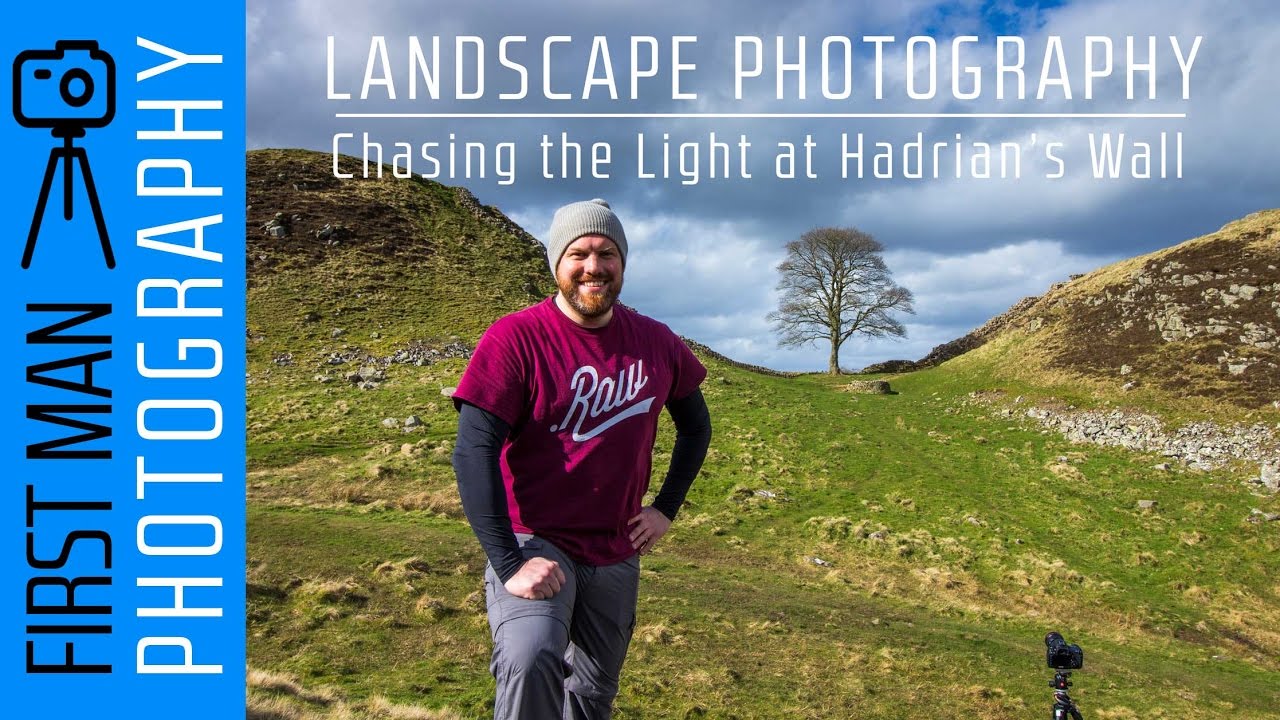
Chasing Golden Light at Hadrian's Wall: A Field Guide to Shooting Iconic Locations

Chasing Golden Light at Hadrian's Wall: A Field Guide to Shooting Iconic Locations

There’s a particular kind of frustration that comes with arriving at a famous landscape location in the middle of a bluebird afternoon. The light is flat, the shadows are nonexistent, and every other photographer who has ever stood in that spot has already done it better under better conditions. I’ve been there more times than I’d like to admit across twenty years of shooting landscapes. The question is never whether the conditions are perfect.

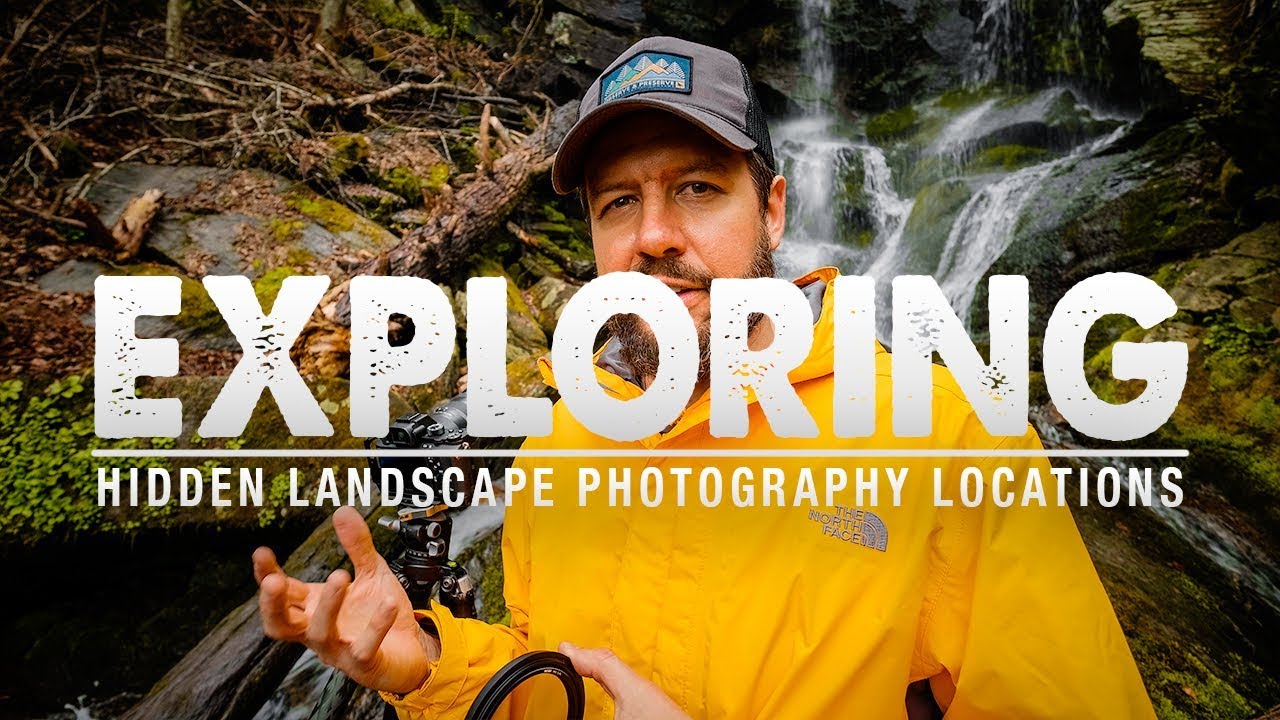
How to Hunt Down Hidden Waterfall Locations Like a Detective (Before Someone Else Does)

How to Hunt Down Hidden Waterfall Locations Like a Detective (Before Someone Else Does)

There is a particular kind of obsession that overtakes you when you see a photograph of a place you cannot identify. I know it well. I have spent hours reverse-image searching a single rock formation, cross-referencing trail maps, and cold-messaging strangers on the internet, all because one image refused to leave my head. After twenty years working as a landscape photographer, I still get that itch. It is not a flaw in the process.

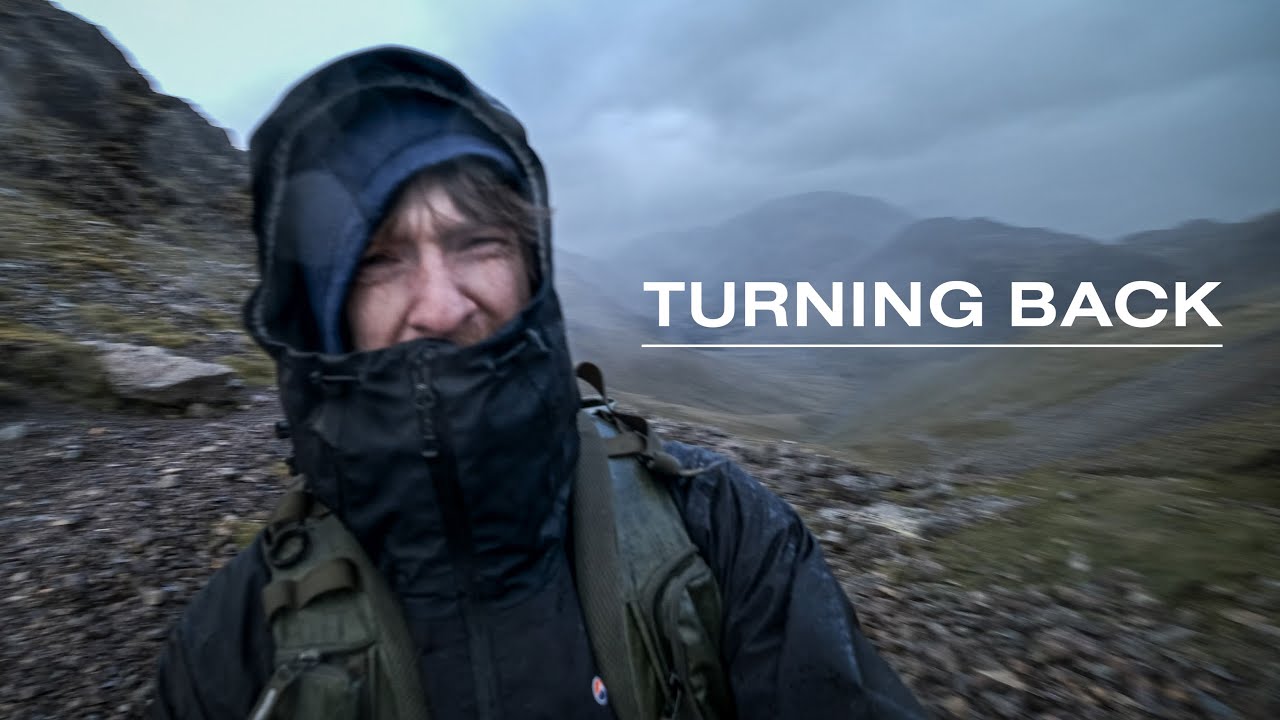
Hiking Alone to Great Gable: What Thomas Heaton's Remote Shoot Taught Me About Planning, Patience, and Gear

Hiking Alone to Great Gable: What Thomas Heaton's Remote Shoot Taught Me About Planning, Patience, and Gear

There’s a particular kind of mountain that gets under your skin. Not necessarily the tallest or the most dramatic on paper, but one that rewards obsession. One that earns respect through difficulty. For Thomas Heaton, that mountain is Great Gable in England’s Lake District. In this Thomas Heaton tutorial, he documents a solo overnight trip to photograph from the summit, and from the first few minutes of footage you can already see the decision-making process of someone who has logged serious time in serious terrain.

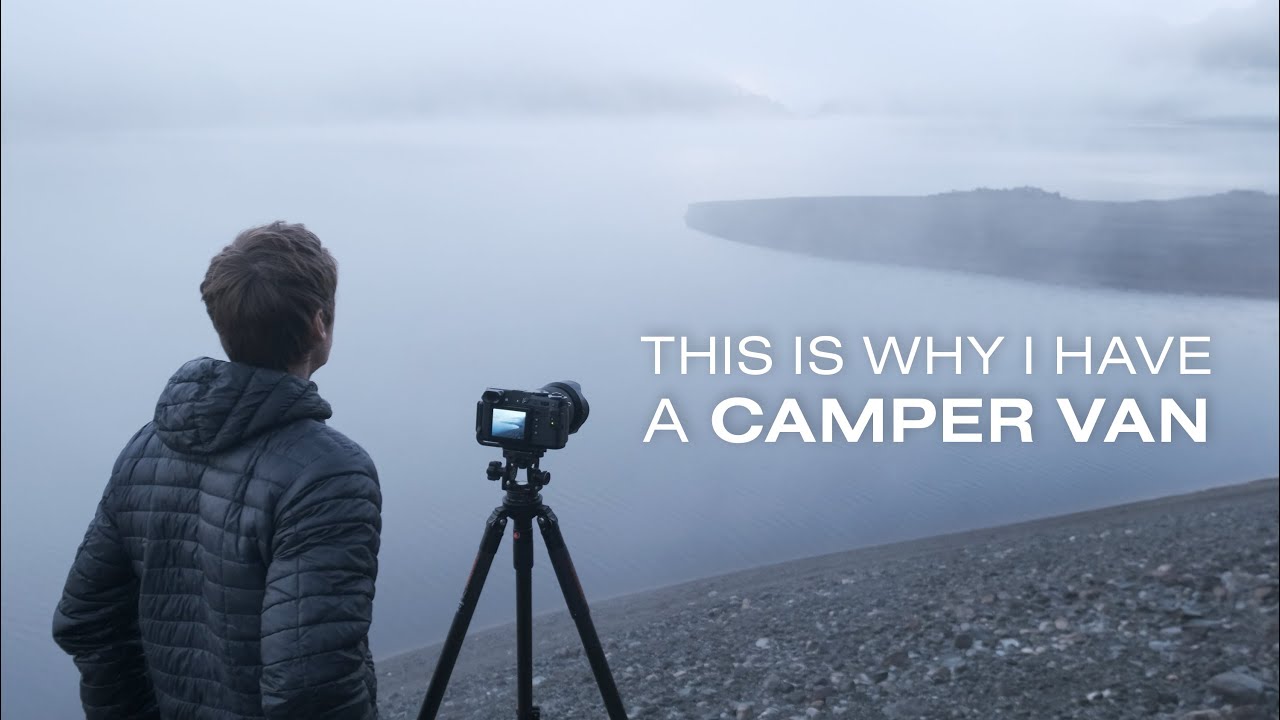
How Accidental Discoveries Make Better Landscape Photos: Lessons from Thomas Heaton's Lake District Van Trip

How Accidental Discoveries Make Better Landscape Photos: Lessons from Thomas Heaton's Lake District Van Trip

There’s a particular kind of dread I know well. You’ve driven out before dawn, the weather app is showing a flat gray slab of cloud, and you genuinely cannot picture a single frame worth making. I’ve been shooting landscapes for twenty years and that feeling has never fully gone away. What has changed is what I do with it. I’ve learned, sometimes painfully, that aimlessness in the field is not a character flaw.

How to Scout New Landscape Locations Before You Ever Leave the House

How to Scout New Landscape Locations Before You Ever Leave the House

There’s a particular kind of dread that comes from showing up somewhere you’ve never been with no plan and golden light already fading. I’ve done it more times than I’d like to admit. Twenty years into this work and I still feel the pull to just drive toward something beautiful and figure it out when I get there. The problem is that impulse costs you shots. The photographers who consistently come home with strong, original images aren’t necessarily the ones with the best gear or the best luck.