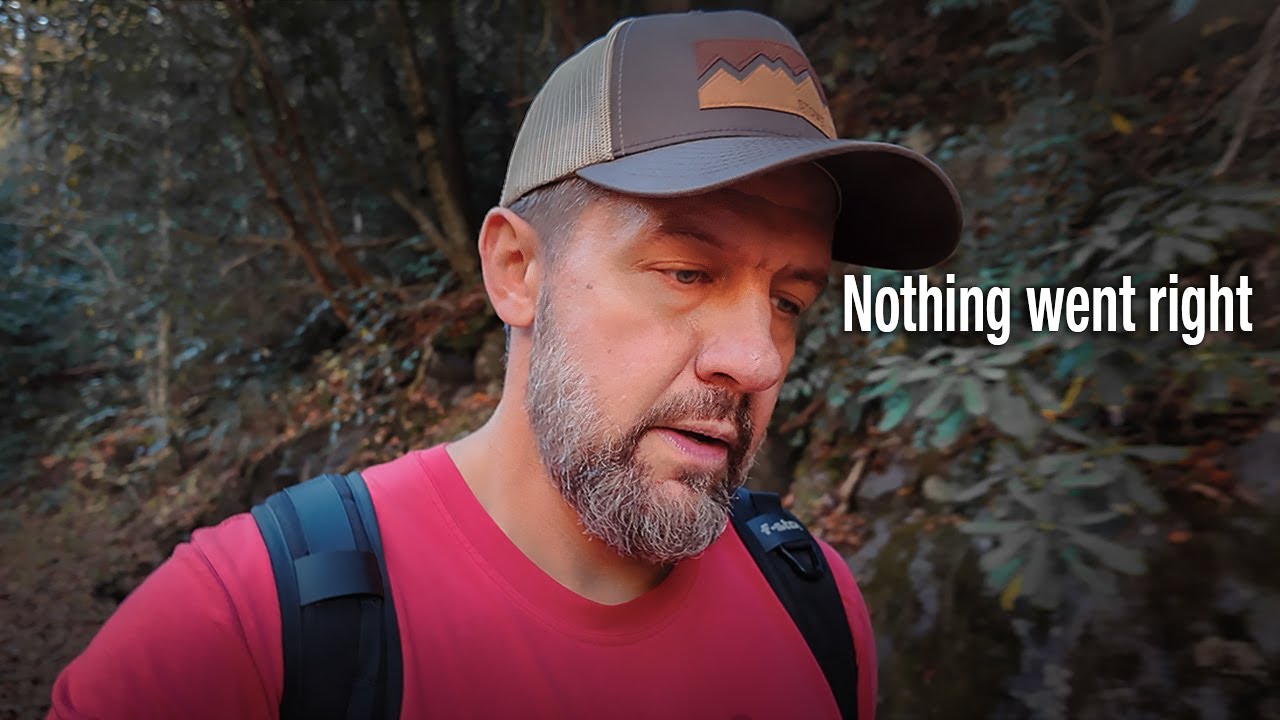
When the Shot Doesn't Come: What a Hard Day in the Smokies Teaches You About Landscape Photography

When the Shot Doesn't Come: What a Hard Day in the Smokies Teaches You About Landscape Photography

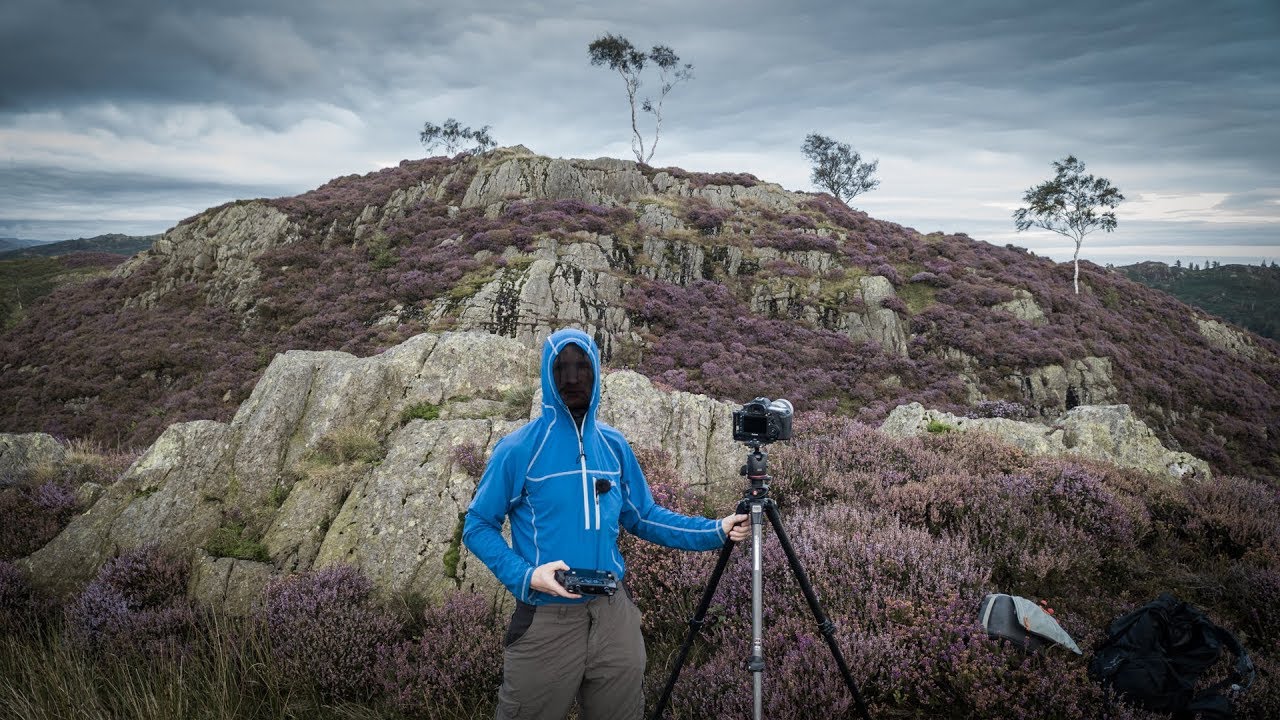
There’s a particular kind of quiet frustration that every serious landscape photographer knows. You’ve hiked in, you’ve waited for the light, and nothing is clicking. The compositions feel flat. The scene you imagined on the drive up isn’t cooperating. After twenty years doing this full-time, I still hit those days more often than I’d like to admit. What separates the photographers who grow from those who just get demoralized is whether they keep working the scene or pack it in early.
When the Light Fails: How to Use Composition to Save Any Landscape Shot

When the Light Fails: How to Use Composition to Save Any Landscape Shot

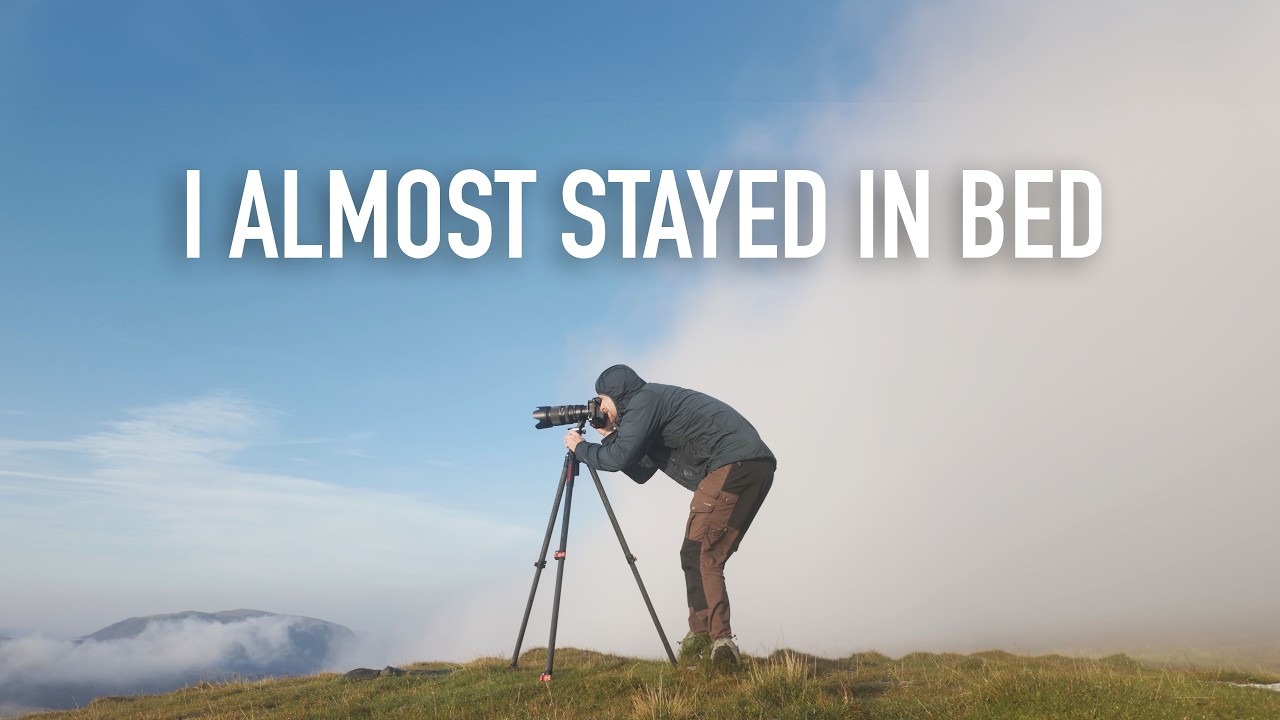
There’s a version of this job that looks glamorous from the outside. Golden hour, dramatic skies, the whole thing. Then there’s the version I’ve actually lived for twenty years, which involves a lot of drives that end in fog, blown forecasts, and a personal hat that has absorbed more disappointment than any piece of fabric should have to. The real skill, I’ve come to believe, isn’t knowing what to do when conditions cooperate.

Pack Every Lens: How Focal Length Transforms a Single Landscape Location

Pack Every Lens: How Focal Length Transforms a Single Landscape Location

There’s a trap I fell into early in my career, and I still see it happen with photographers in my workshops. You arrive at a famous location, shoot the obvious composition with the lens already on your camera, and leave thinking you’ve covered it. One frame, one focal length, one version of a place that millions of people have already photographed. It’s not a bad shot. It’s just an incomplete one.

How Mist and Flat Light Can Make Your Landscape Shots — If You Know How to Read Them

How Mist and Flat Light Can Make Your Landscape Shots — If You Know How to Read Them

There’s a version of this job that looks glamorous from the outside. Golden hour, dramatic skies, the shot comes easy. But after twenty years shooting landscapes full-time, I’ll tell you the sessions I learn the most from are the ones where the light refuses to cooperate. Overcast skies, drizzle, that flat gray ceiling that makes beginners pack up and go home. Those are the conditions that separate photographers who understand light from photographers who just wait for it.

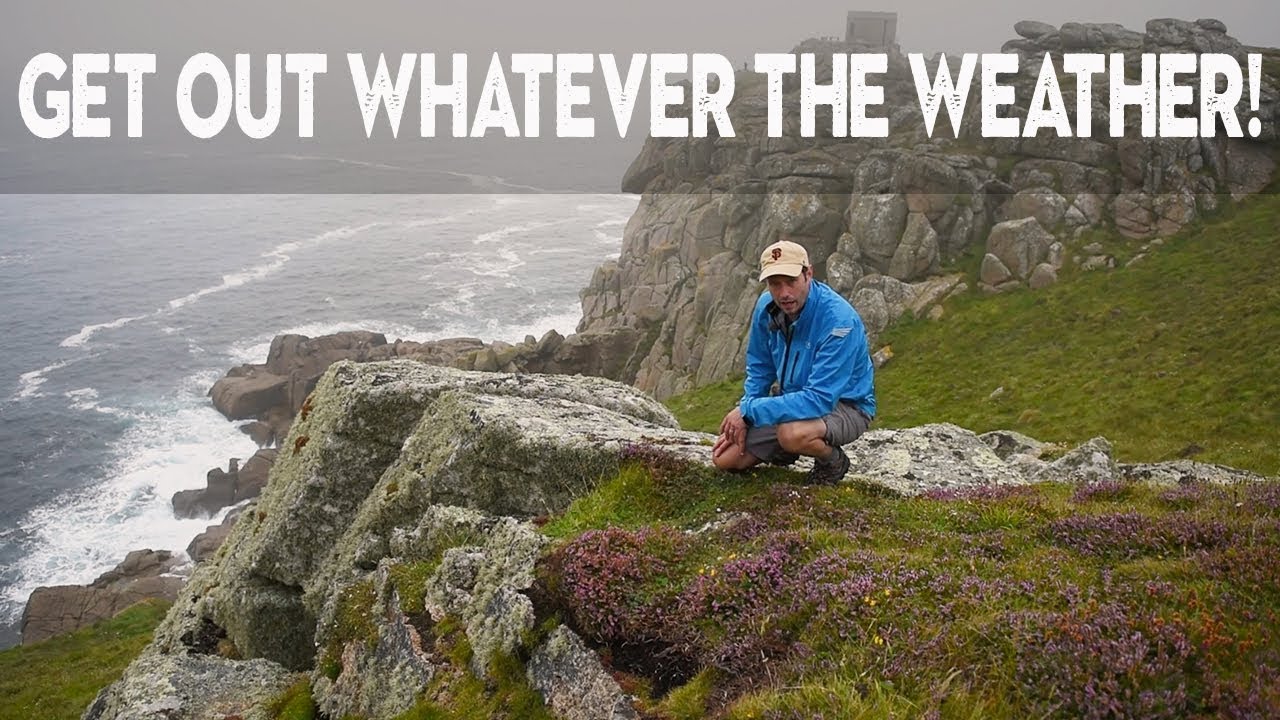
Shooting in Foul Weather: What a Scottish Storm Taught Me About Finding the Shot

Shooting in Foul Weather: What a Scottish Storm Taught Me About Finding the Shot

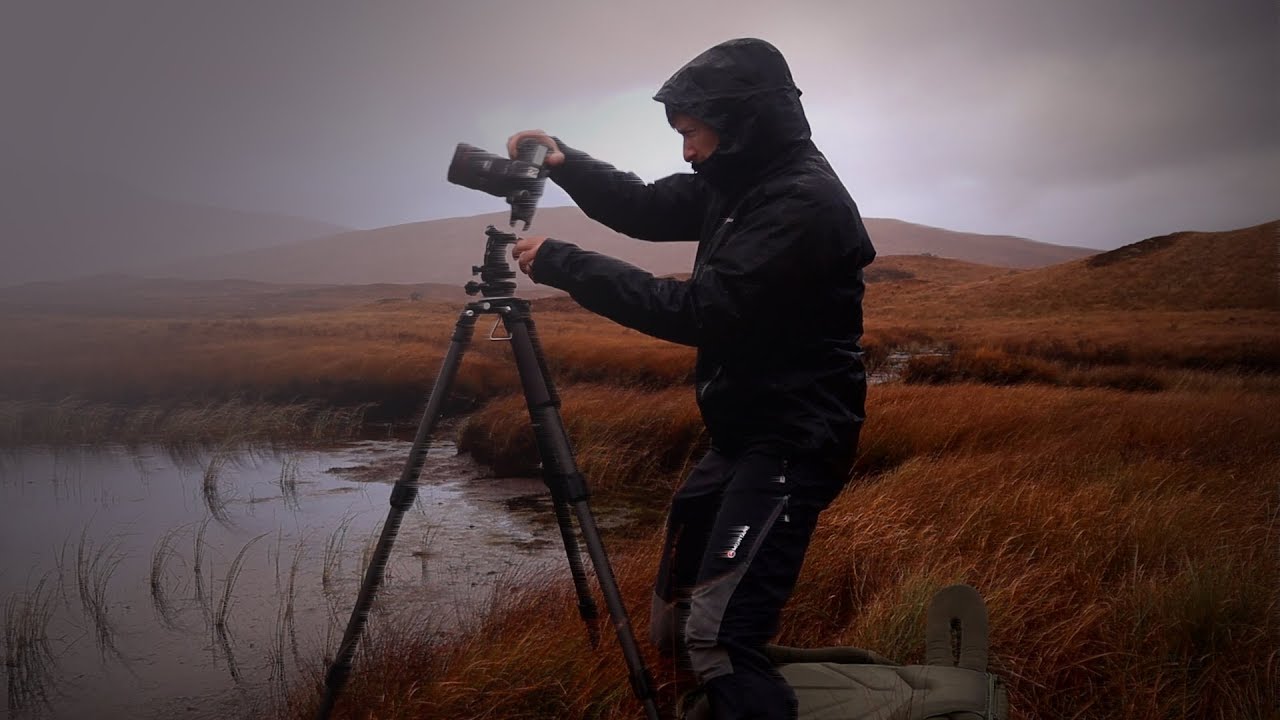
There’s a particular kind of misery that comes with arriving at a location after a long drive only to find flat gray light, horizontal rain, and a scene that refuses to cooperate. I’ve lived that morning more times than I can count. Twenty years into this work, I still don’t have a clean answer for what to do when the weather beats you. What I do have is a set of habits that keep me shooting when most people would retreat to the car.

Why Your Landscape Photos Feel Cluttered (And the Simple Fix That Changes Everything)

Why Your Landscape Photos Feel Cluttered (And the Simple Fix That Changes Everything)

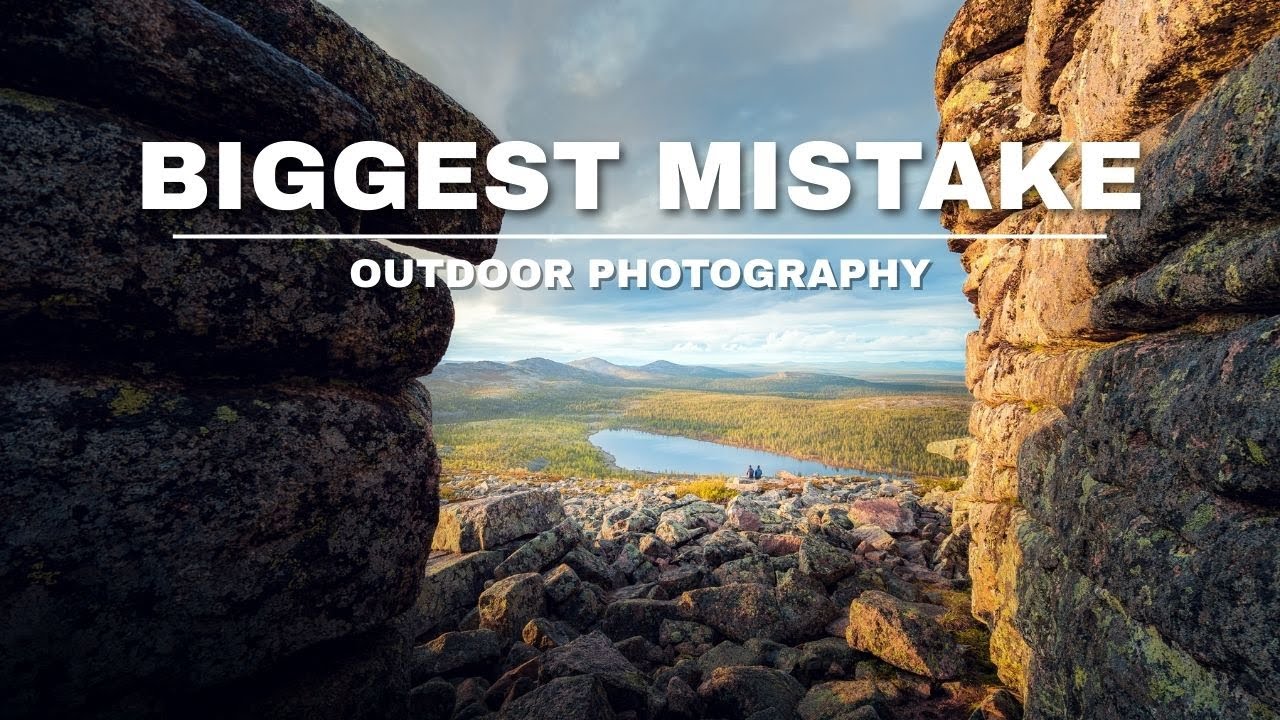
I’ve spent twenty years standing in cold rivers at first light, driving through the dark to catch a sunrise that may or may not show up, and staring at my own photos trying to figure out why some work and some simply don’t. After all that time in the field, I can tell you that the failure point for most outdoor images isn’t exposure or gear or even light. It’s something quieter and harder to name.

How to Find and Shoot an S-Curve Composition When the Light Fails You

How to Find and Shoot an S-Curve Composition When the Light Fails You

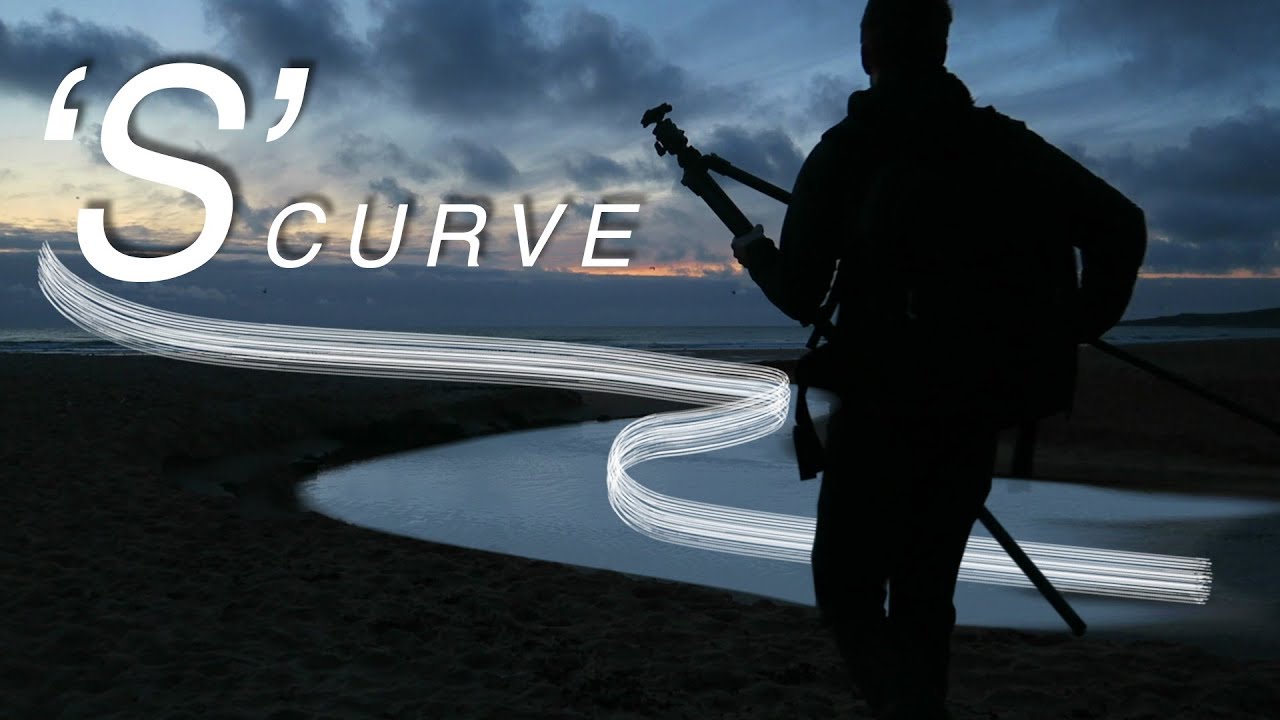
I’ve stood on enough beaches, ridgelines, and river banks at 4am to know that the light you planned for rarely shows up on time. Sometimes it doesn’t show up at all. After two decades of this, I’ve stopped treating a failed sunrise as a failed shoot. The question I ask now is: what does the scene still have? And more often than not, if I look at my feet instead of the sky, the answer is a strong lead-in line.

iPhone Landscape Photography: 5 Field-Tested Tips That Actually Hold Up

iPhone Landscape Photography: 5 Field-Tested Tips That Actually Hold Up

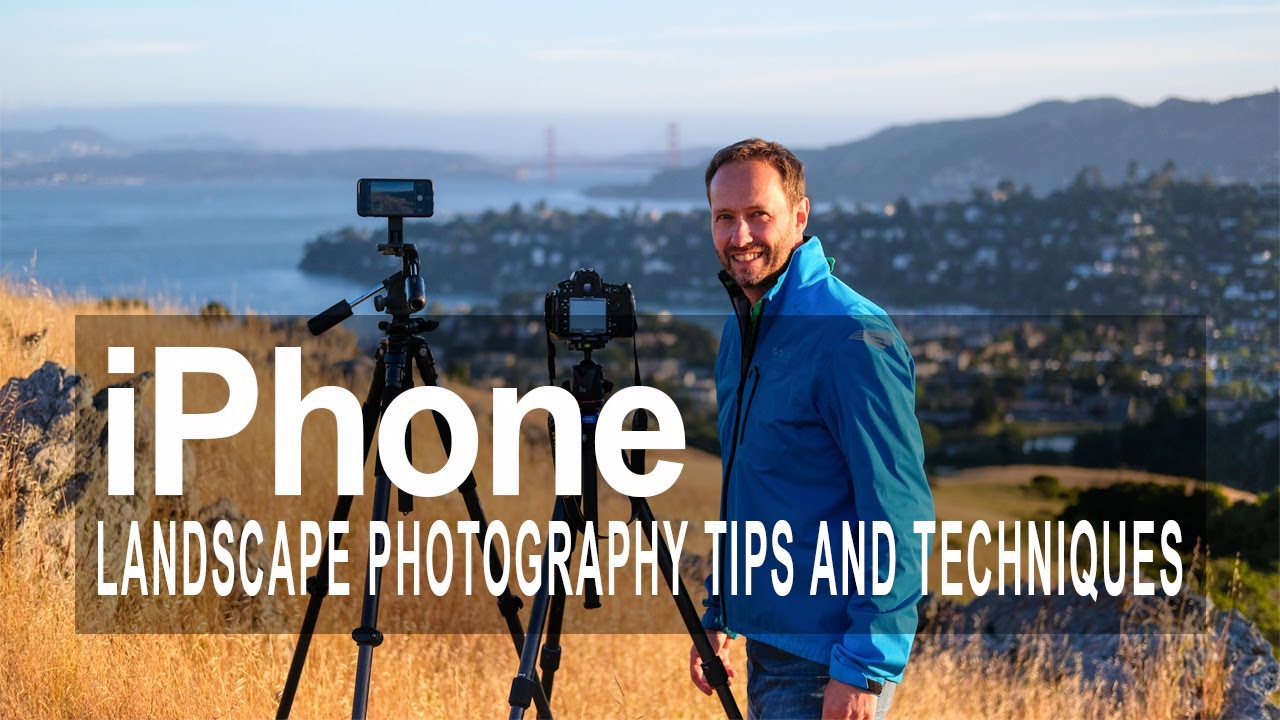
I’ll be honest with you. For a long time, I left my iPhone in my bag when I was out shooting. Twenty years of hauling full-frame gear up ridgelines before dawn will do that to you. The phone felt like a compromise, and I don’t compromise easily. Then one morning in the eastern Cascades, I’d left my Nikon in the truck and the light broke open in a way that made my chest hurt.

The Mid-Range Lens Is Quietly the Most Useful Thing in My Camera Bag

The Mid-Range Lens Is Quietly the Most Useful Thing in My Camera Bag

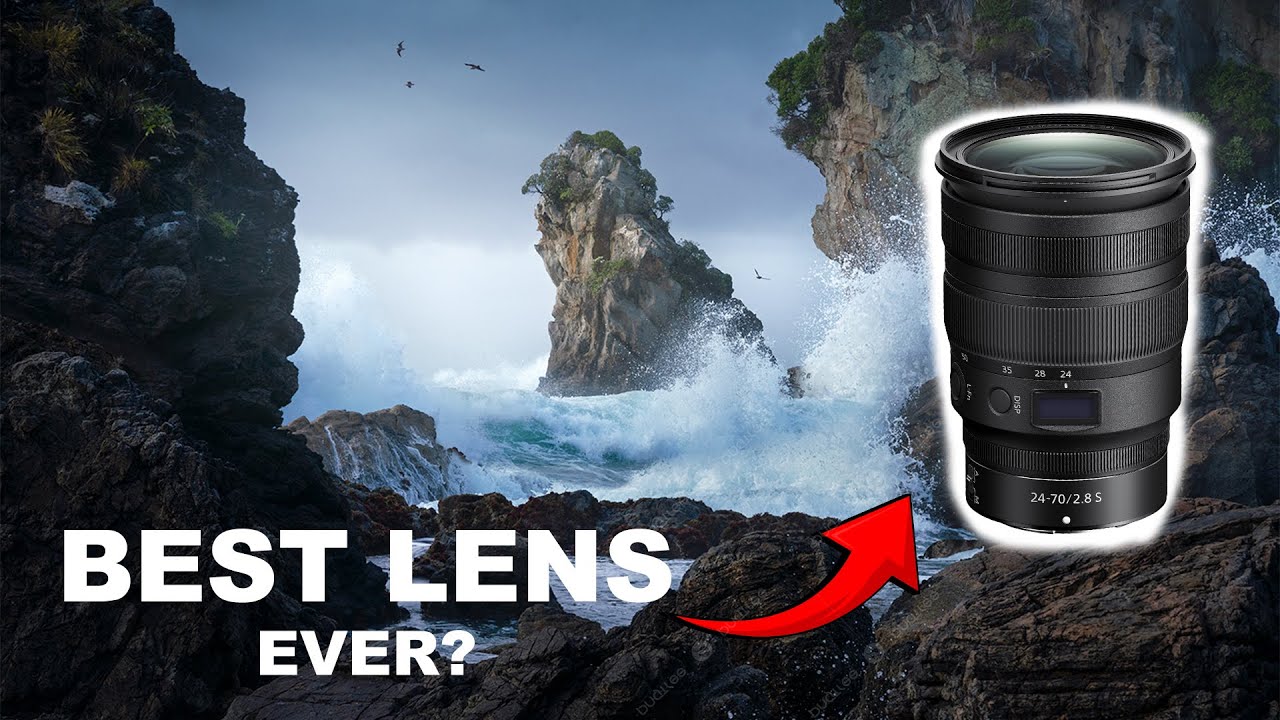
There’s a lens sitting in my bag that I probably reach for more than I’d care to admit, given how long I spent ignoring it. For years I worked almost exclusively between two extremes: the ultra-wide for sweeping foreground drama, and the telephoto for compression and isolation. The mid-range zoom felt like a compromise. Neither fish nor fowl. I was wrong, and it took me an embarrassingly long time to figure that out.

Chasing the Last Light: What Nigel Danson's Coastal Sunset Shoot Taught Me About Reading the Sky

Chasing the Last Light: What Nigel Danson's Coastal Sunset Shoot Taught Me About Reading the Sky

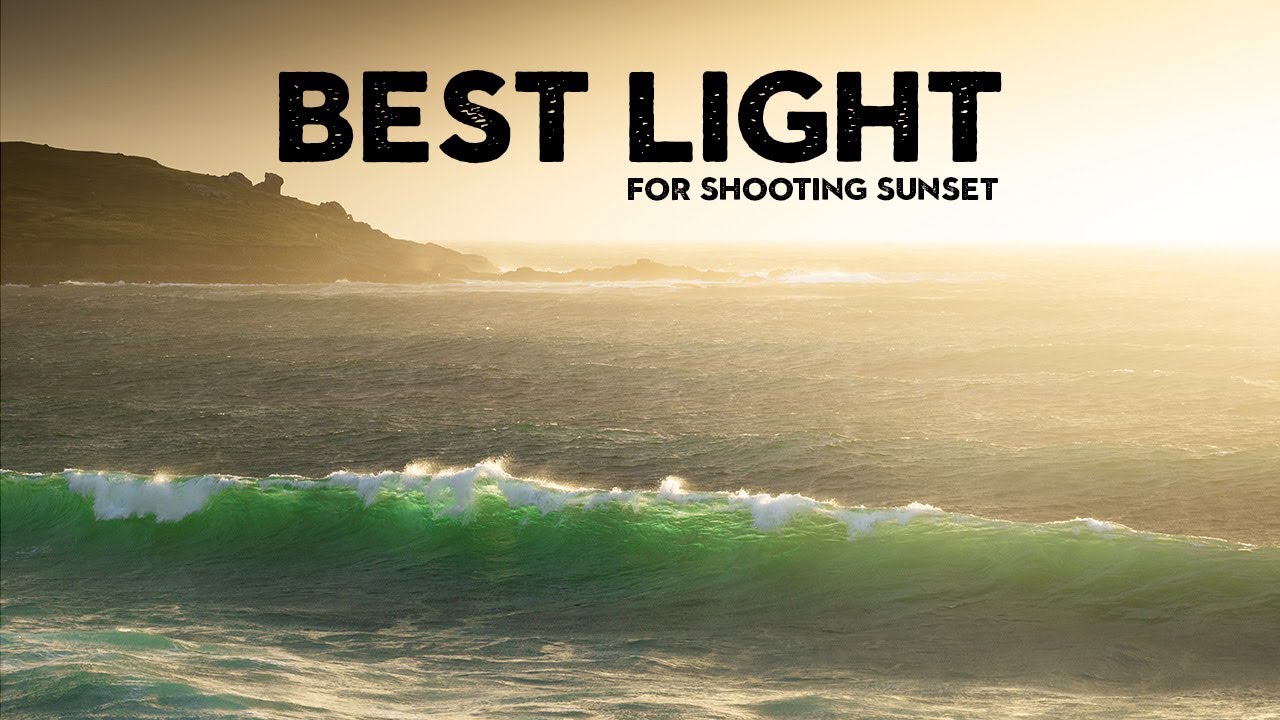
There is a particular kind of pressure that builds in the last thirty minutes before sunset. The light is changing by the minute, you still haven’t locked in a composition, and the clouds are doing something you didn’t plan for. After twenty years shooting landscapes full-time, I still feel it every single time. What separates a productive evening from a frustrating one is rarely luck. It’s a set of decisions made quickly and with intention.

Bad Weather, Small Scenes, and the Quiet Art of Working With What You've Got

Bad Weather, Small Scenes, and the Quiet Art of Working With What You've Got

There’s a particular kind of afternoon I know well. The light is flat, your energy is low, and every instinct tells you to stay in the van. I’ve been making photographs for twenty years and I still have to talk myself out of the parking lot on days like that. What I’ve learned, slowly and sometimes expensively, is that those low-stakes sessions, the ones where nothing feels epic, are often where you build the sharpest eye.

See What Others Miss: A Landscape Photographer's Guide to Intimate Landscape Photography

See What Others Miss: A Landscape Photographer's Guide to Intimate Landscape Photography

There’s a particular kind of creative rut that’s easy to fall into as a landscape photographer, and I say that as someone who’s been doing this full time for two decades. You drive to a famous location, you set up where everyone else sets up, and you come home with a perfectly competent image that looks almost identical to the top result on a Google image search. The shot is technically fine.