When the Light Fails You: What Nigel Danson Taught Me About Finding Compositions That Don't Need It

When the Light Fails You: What Nigel Danson Taught Me About Finding Compositions That Don't Need It

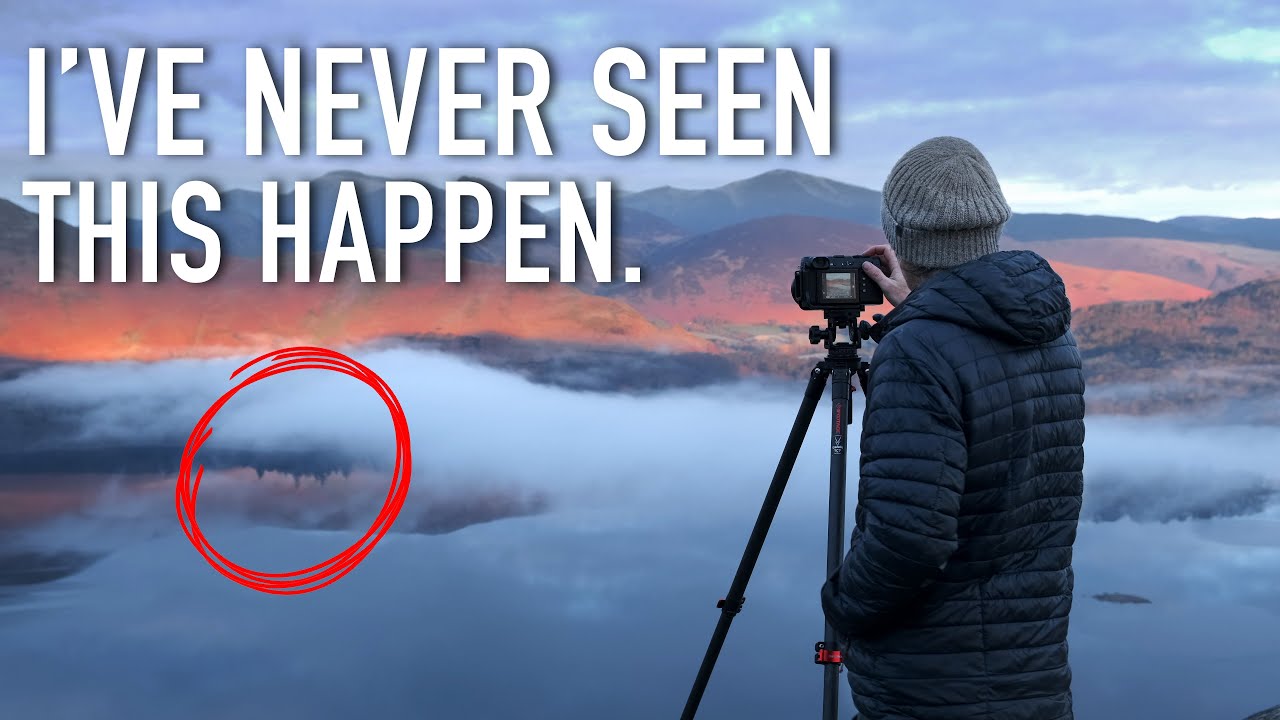
There’s a particular kind of afternoon I know too well. You’ve driven out, the gear is on your back, and the light that looked promising on the horizon has gone flat and grey. Most photographers pack up. The ones who keep shooting tend to learn something more durable than “wait for golden hour.” That’s the quiet lesson buried inside this Nigel Danson tutorial from the fells of the Lake District, and it’s one I wish someone had handed me twenty years ago when I was still convinced that good photography required perfect conditions.
The Two Minds You Need in the Field: Creative Instinct and Technical Discipline in Landscape Photography

The Two Minds You Need in the Field: Creative Instinct and Technical Discipline in Landscape Photography

There’s a particular kind of shoot I’ve done more times than I can count: no scouted location, no confirmed conditions, just a glimpse of something on a map or a distant ridgeline that says maybe. Those shoots terrify newer photographers. They don’t have a shot list, no reference images to reverse-engineer, no guarantee the light will cooperate. But after twenty years of doing this for a living, I’d argue that kind of uncertainty is where the best work gets made.

What Kirkstone Pass Taught Me About Planning Your Long Exposure Before You Leave the Car

What Kirkstone Pass Taught Me About Planning Your Long Exposure Before You Leave the Car

There is a particular kind of frustration that only landscape photographers know: you find the shot, you can see exactly what it needs to be, and then you realize the one piece of gear that would make it work is sitting back at the car. I have stood on hillsides in the dark, in the cold, doing that mental arithmetic, calculating whether the hike back is worth it. Sometimes it is.

One Week, One Subject: What Bluebell Season Taught Me About Slowing Down

One Week, One Subject: What Bluebell Season Taught Me About Slowing Down

There’s a particular kind of humility that comes from showing up to a location and realizing the scene you planned for isn’t ready yet. I’ve stood in a lot of places at 4am waiting for the light or the subject or both to cooperate. Sometimes they do. Often they don’t. What separates a productive week of shooting from a frustrating one isn’t luck or even gear. It’s the discipline of working a subject methodically, returning, adjusting, and letting the location teach you something.

The Story Triangle: Why Your Landscape Photos Aren't Landing (And How to Fix It)

The Story Triangle: Why Your Landscape Photos Aren't Landing (And How to Fix It)

I’ve been waking up before 4am and driving to dark trailheads for twenty years. In that time I’ve made technically solid images that nobody remembers, and a handful of photographs that people still write to me about years later. For a long time I couldn’t fully articulate the difference. Sharp is sharp. Exposed is exposed. So why do some images stick and others evaporate the moment the viewer scrolls past?

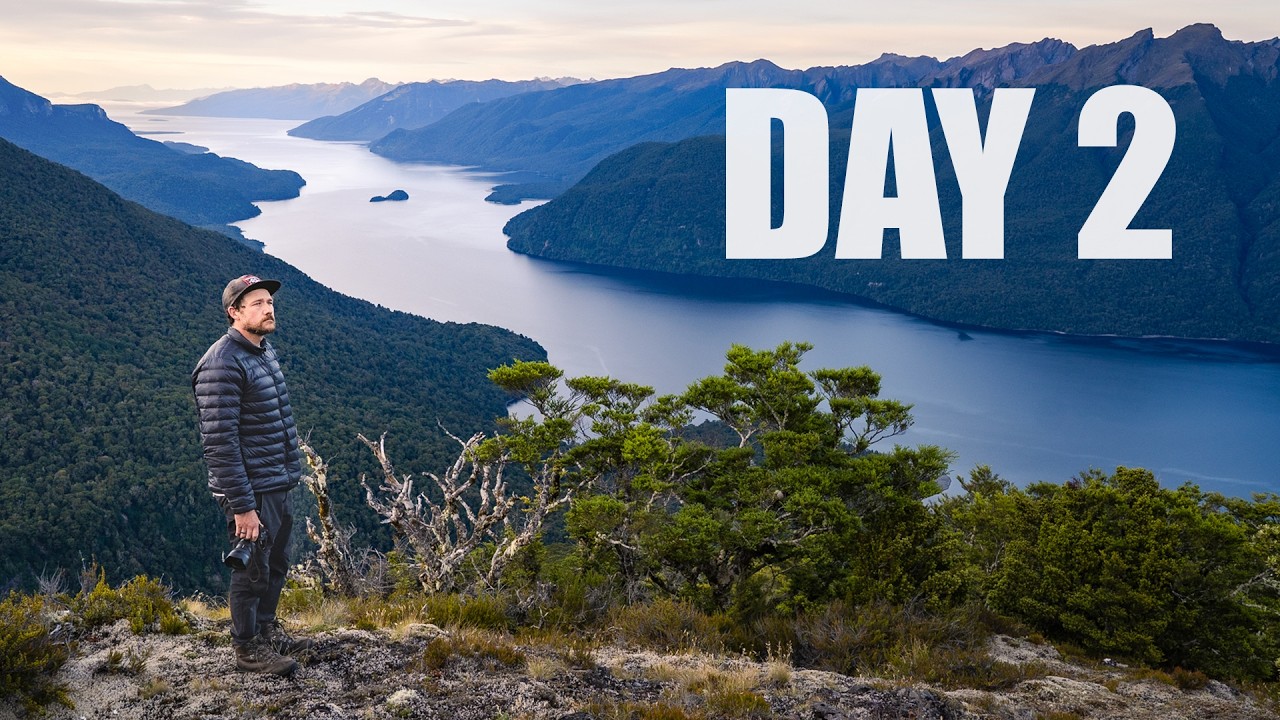
How to Shoot Dramatic Landscapes in Fiordland: Field Notes From William Patino's Approach

How to Shoot Dramatic Landscapes in Fiordland: Field Notes From William Patino's Approach

There’s a question I come back to every few years, usually when a season has gone flat and I’m grinding through shoots on autopilot. What actually excites me about this work? Not what I think I should be photographing, not what performs well in print sales, but what pulls me out of bed before the alarm even goes off. I’ve been doing this for twenty years, and I still need reminding.

Stop Planning So Much: What William Patino's Best Images Taught Me About Spontaneous Landscape Photography

Stop Planning So Much: What William Patino's Best Images Taught Me About Spontaneous Landscape Photography

There’s a particular kind of paralysis I know well. I’ll be standing at my kitchen counter in Bend at 5am, coffee going cold, scrolling through weather apps and satellite radar loops, telling myself the light won’t be worth it. I’ve been shooting landscapes full-time for twenty years, and I still fall into that trap. The forecast looks uncertain, the clouds look wrong, and I talk myself out of driving thirty minutes to the high desert before the sun clears the Cascades.

Why Your Landscape Photos Look Flat (And Three Field Fixes That Actually Work)

Why Your Landscape Photos Look Flat (And Three Field Fixes That Actually Work)

There’s a particular kind of learning that only happens when someone shows you their failures. Not polished, curated “before and after” content, but the real stuff, the photographs that made them wince years later. I’ve been shooting landscapes full-time for two decades, and I can still pull up folders from my early years that make me question my own taste. Which is exactly why this William Patino tutorial stopped me mid-scroll.

When Plans Fall Apart on the Hill: Adapting Your Landscape Photography in Real Time

When Plans Fall Apart on the Hill: Adapting Your Landscape Photography in Real Time

There’s a version of landscape photography that lives on spreadsheets and weather apps and pre-visualized compositions you’ve been planning since January. And then there’s what actually happens when you show up. After twenty years of dragging gear up ridgelines before dawn, I’ve learned that the gap between those two versions of events is where the real craft lives. The ability to read conditions on the fly, swap your plan without ego, and still produce meaningful work is what separates photographers who make images from photographers who collect hikes.

Why Your Landscape Photos Look Flat (And the Tonal Fixes That Actually Work)

Why Your Landscape Photos Look Flat (And the Tonal Fixes That Actually Work)

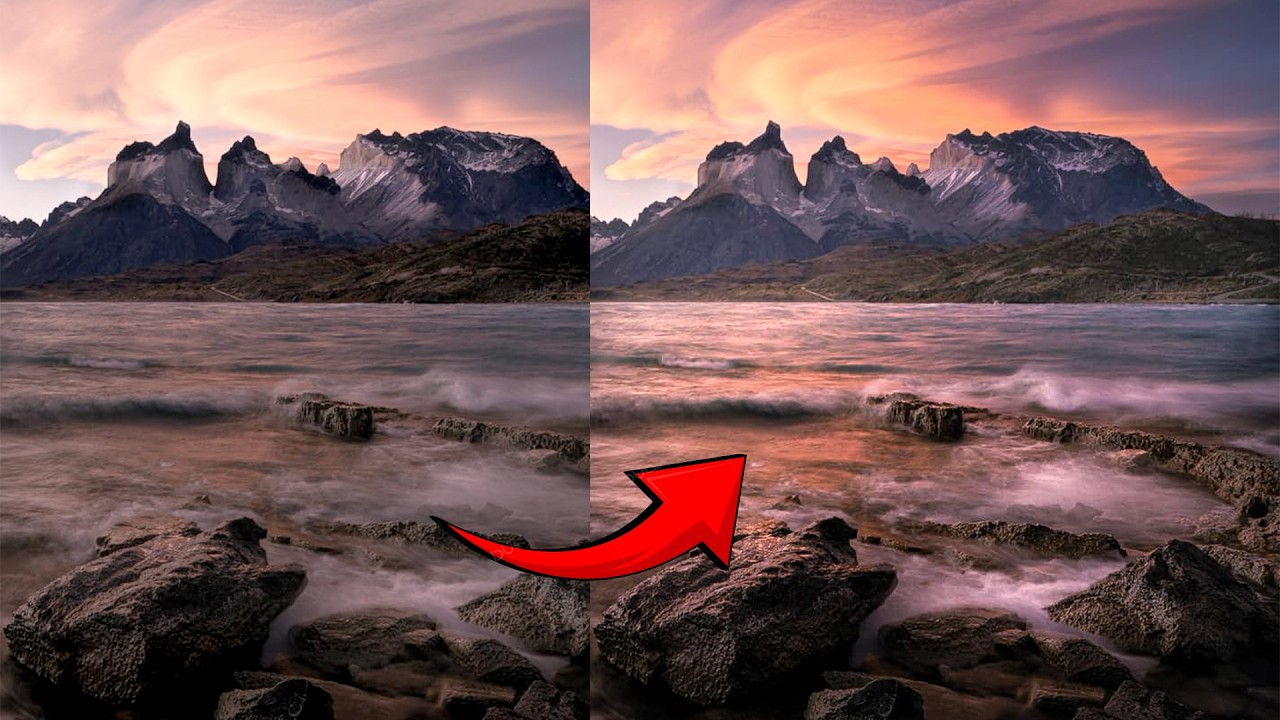
There is a particular kind of disappointment I know well. You were there. The light was extraordinary. You felt something standing in that landscape. Then you open the raw file and the image looks… compressed. Airless. Like everything is sitting on the same plane, equidistant from the viewer, none of it going anywhere. Flat. I have been shooting landscape photography full-time for two decades and I still encounter this problem regularly, especially when I push contrast or clarity too hard during processing.

How to Break Down a Grand Landscape Into a Photograph That Actually Feels Like Something

How to Break Down a Grand Landscape Into a Photograph That Actually Feels Like Something

There’s a particular kind of paralysis that hits you when the landscape is almost too big. You’ve hiked in, the light is doing something extraordinary, and you’re standing there rotating slowly with your camera raised, trying to stuff a 180-degree panorama into a single frame. I’ve been doing this for twenty years and it still gets me. The shot that usually comes out of that moment is technically fine and emotionally empty, because when a viewer doesn’t know where to look, they don’t feel anything.

The 3-Element Filter That Cuts Your Post-Trip Culling Time in Half

The 3-Element Filter That Cuts Your Post-Trip Culling Time in Half

Every time I come back from a long shoot, I face the same problem. Last autumn I drove out to the Alvord Desert and spent four days chasing light across the playa. I came home with just over 900 raw files. I sat down at my desk, opened Lightroom, and felt that familiar dread settle in. Not because editing is hard, but because I genuinely didn’t know where to start. Which images even deserved my attention?