How to Read Sun and Shade for Outdoor Portraits (Without Hauling a Single Light)

How to Read Sun and Shade for Outdoor Portraits (Without Hauling a Single Light)

Most of my working life is spent in landscapes where there are no people in the frame. I’m chasing light across ridgelines, parking on forest roads before sunrise, standing in rivers at temperatures that my kids find genuinely alarming. Portraiture isn’t my primary language. But I lead photography workshops, and every single workshop includes at least one participant who freezes the moment the sun comes out. They look at the hard shadows falling across a face and they don’t know what to do.
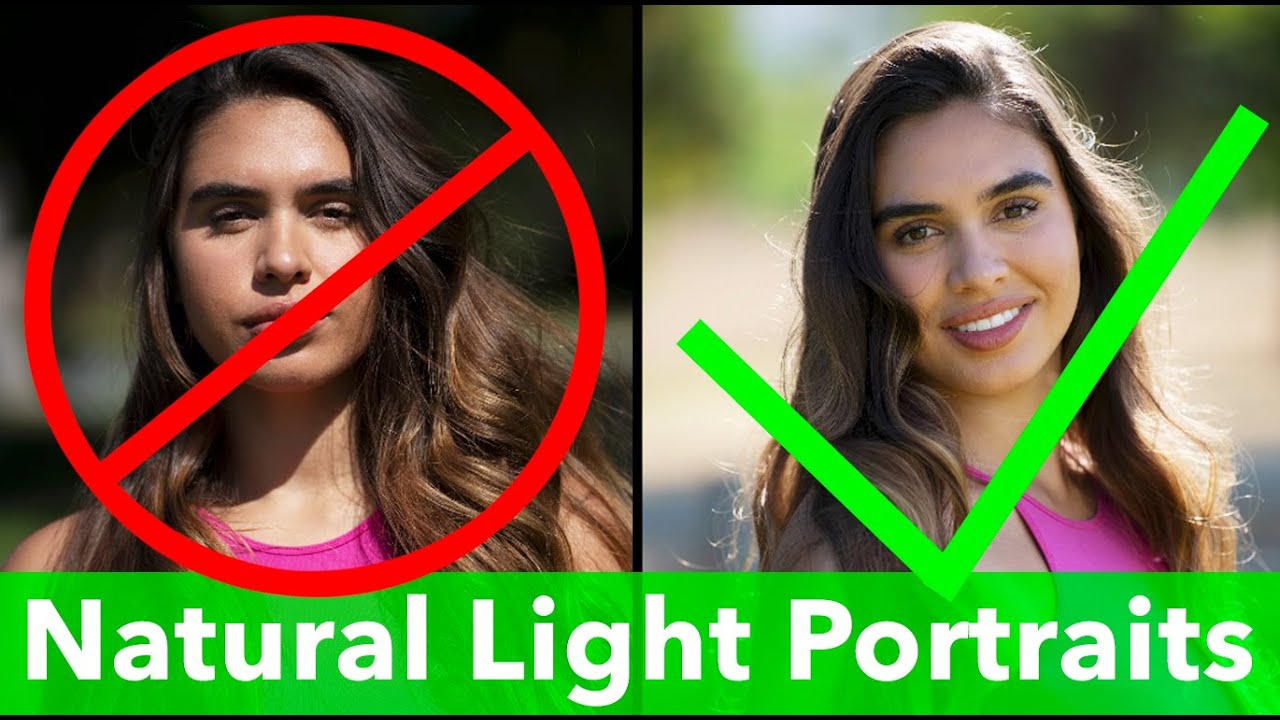
The $25 Tool That Changed How I Light Outdoor Portraits (And How to Use It in 4 Ways)

The $25 Tool That Changed How I Light Outdoor Portraits (And How to Use It in 4 Ways)

Most of my working life is spent chasing landscape light, but every season I take on a handful of location portrait sessions — workshop participants wanting headshots, editorial work, the occasional commissioned family session in the field. And for years I wrestled with the same problem: gorgeous ambient light behind my subject, flat and unflattering light on their face. I’d either blow out the background trying to expose for the foreground, or underexpose the person trying to hold the sky.

Why Your Forest Photos Look Flat (And What the Light Is Actually Doing)

Why Your Forest Photos Look Flat (And What the Light Is Actually Doing)

There’s a stretch of old-growth Douglas fir outside Bend that I’ve visited probably forty times. The first dozen or so, I came home with nothing worth keeping. Technically correct images, sure. Properly exposed, reasonably composed. But flat. Lifeless. The kind of shot that makes you think maybe forests just aren’t photogenic. I was wrong about that, obviously. What I didn’t understand yet was that shooting in a forest isn’t a simplified version of landscape photography.

Making the Most of Clear Skies at Sunset: What Most Photographers Get Wrong

Making the Most of Clear Skies at Sunset: What Most Photographers Get Wrong

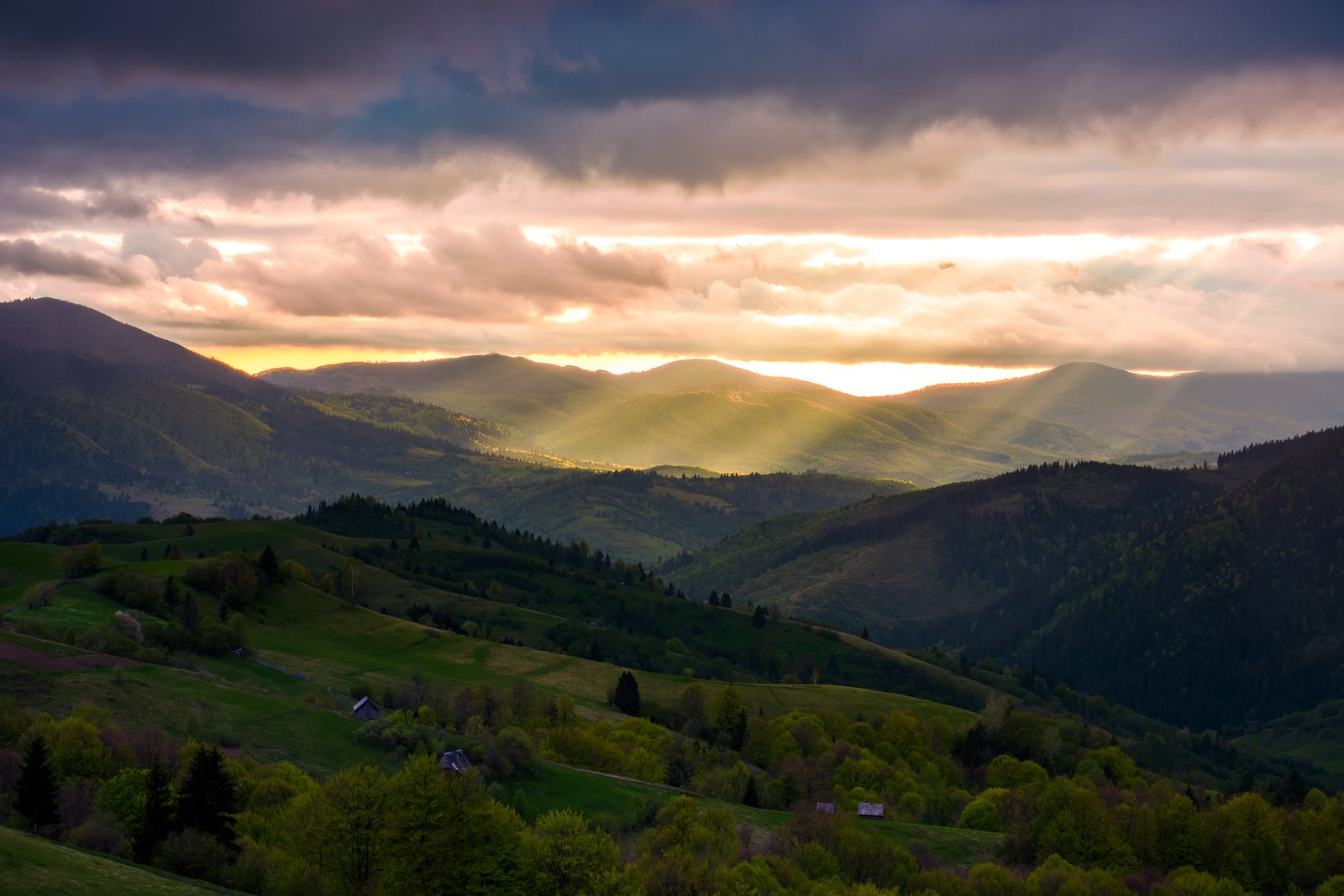
I’ve driven to locations in perfect pre-dawn darkness, set up my tripod with shaking hands, and watched the sky do absolutely nothing. No clouds, no drama, no color - just a clean blue dome fading into orange and then gone. Most photographers I know pack up and head home early when that happens. For years, I did too. The assumption runs deep in this community: no clouds means no shot. But after two decades of shooting landscapes full-time, I’ve learned that assumption costs you images.

Getting Off Autopilot: What Sean Tucker's Snowdonia Trip Taught Me About Shooting Landscapes Again

Getting Off Autopilot: What Sean Tucker's Snowdonia Trip Taught Me About Shooting Landscapes Again

There’s a specific kind of professional rut that doesn’t look like a rut from the outside. Your work is consistent. Clients are happy. You hit your marks. But somewhere in the middle of a shoot, you realize you haven’t made a single conscious decision in the last twenty minutes. You’ve just been executing muscle memory. I know this feeling well. After two decades shooting landscapes full-time out of Bend, I’ve caught myself standing at a location I’ve visited fifty times, framing the same shot, waiting for the same light, and calling it a day.

Sun Behind Your Subject: A Field Guide to Natural Light and Fill Flash for Outdoor Portraits

Sun Behind Your Subject: A Field Guide to Natural Light and Fill Flash for Outdoor Portraits

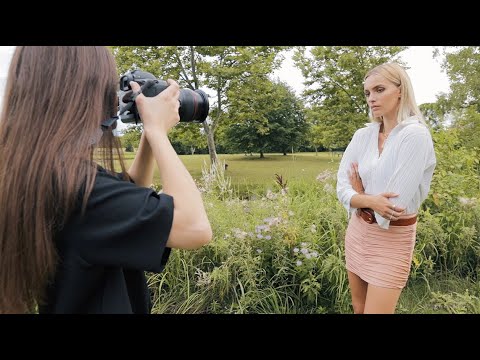
Most of my working life is spent chasing light for landscapes. I’m the person standing in a freezing river at dawn, waiting on a mountain that genuinely does not care about my schedule. Portraits are a different discipline, but the underlying logic is the same: light placement is everything, and getting it wrong means you walked away with nothing worth keeping. I was watching a tutorial recently from Tony and Chelsea Northrup, filmed at Harkness Park in Waterford, Connecticut, and even after two decades behind a camera, it crystallized something I’d been doing half-right for years.

Shooting Into the Sun: A Field Guide to Backlit Landscape Photography

Shooting Into the Sun: A Field Guide to Backlit Landscape Photography

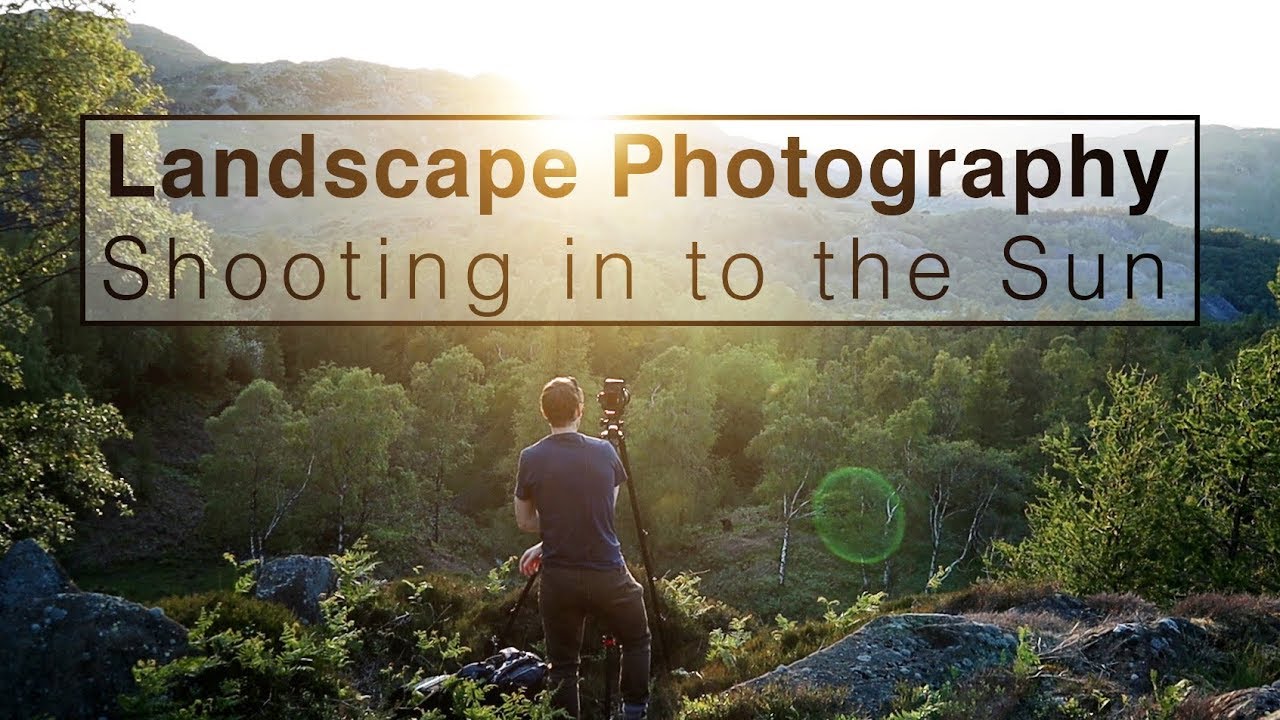
There is a version of this problem I have lived through dozens of times. You arrive at a location and the sun is doing something extraordinary, except it is doing it directly into your lens. Every instinct trained into you says turn around, find the nice soft sidelight, don’t fight the physics. For years I listened to that instinct and walked away from shots I still think about. What changed my approach was watching photographers who refused to flinch, who pointed their cameras straight at the light source and built compositions around it rather than away from it.

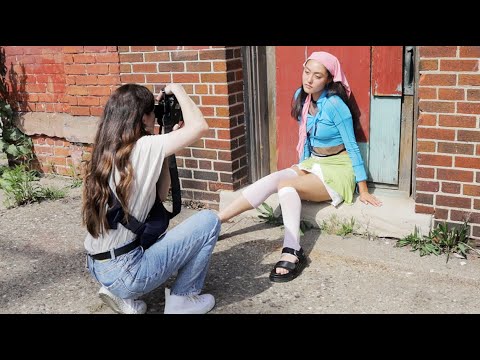
Shade Is Half the Shot: Field Lessons From a William Patino Tutorial

Shade Is Half the Shot: Field Lessons From a William Patino Tutorial

There’s a version of me that wasted years chasing light. Not the wrong kind of chasing. I mean the obsessive, tunnel-vision pursuit of golden hour glow while ignoring everything around it. I’d stand in a meadow fixated on one warm patch of light and wonder why my images felt flat, directionless. The shadow areas around that light felt like problems to solve, not tools to use. It took a long time in the field to understand that shade isn’t the absence of something good.

What Landscape Photographers Can Steal From Outdoor Portrait Technique

What Landscape Photographers Can Steal From Outdoor Portrait Technique

Most of my work involves waiting. Waiting for light, waiting for clouds to shift, waiting for the river to settle after a gust. I’ve stood in freezing water at dawn more times than I can count, and my kids think I’ve lost my mind for it. But a few months back I found myself watching portrait tutorials at midnight, not because I photograph people, but because portrait photographers work with natural light in real time, under pressure, with a subject who can’t be asked to hold still for two hours while the sun moves.

Why Mountain Light Breaks Your Meter — And How to Shoot in It Anyway

Why Mountain Light Breaks Your Meter — And How to Shoot in It Anyway

The Exposure Problem Nobody Warns You About I was standing on a ridgeline in the Three Sisters Wilderness at 5:47 a.m., watching first light hit a snow-covered summit above me. The sky behind it was a deep, bruised violet. The snow itself was picking up a pink cast that I knew would last maybe four minutes. I had everything set up the night before. I knew my composition. And my meter was still lying to me.

What Landscape Photographers Get Wrong When They Add a Human Element (And How to Fix It Fast)

What Landscape Photographers Get Wrong When They Add a Human Element (And How to Fix It Fast)

Most of my working life is spent without a person in the frame. The mountain, the river, the pre-dawn sky — that’s my subject, and I’ve spent twenty years learning how to read those things. But landscapes with a human figure are some of my best-selling prints, and workshops I run in central Oregon almost always include a session where participants photograph each other in the field. That’s where I started noticing a consistent problem: photographers who can perfectly compose a ridgeline have no idea what to do the moment a person walks into the shot.

When the Light Fails You: What Nigel Danson Taught Me About Finding Compositions That Don't Need It

When the Light Fails You: What Nigel Danson Taught Me About Finding Compositions That Don't Need It

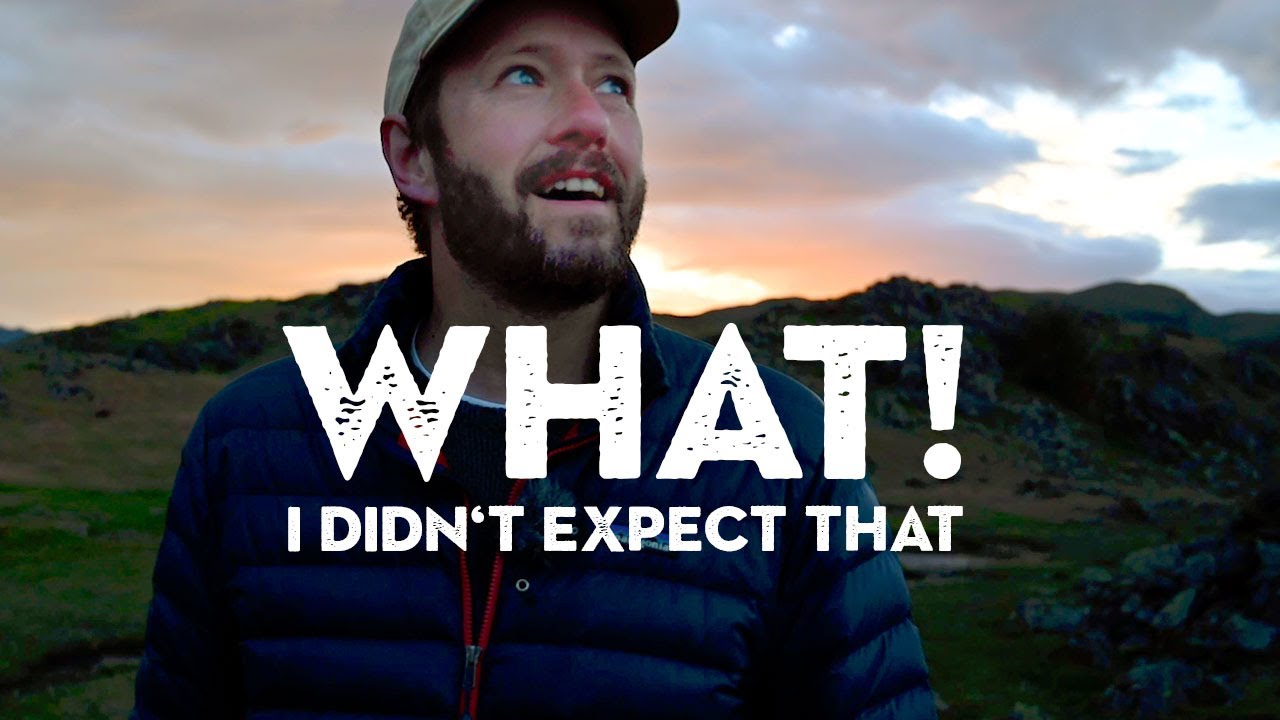
There’s a particular kind of afternoon I know too well. You’ve driven out, the gear is on your back, and the light that looked promising on the horizon has gone flat and grey. Most photographers pack up. The ones who keep shooting tend to learn something more durable than “wait for golden hour.” That’s the quiet lesson buried inside this Nigel Danson tutorial from the fells of the Lake District, and it’s one I wish someone had handed me twenty years ago when I was still convinced that good photography required perfect conditions.