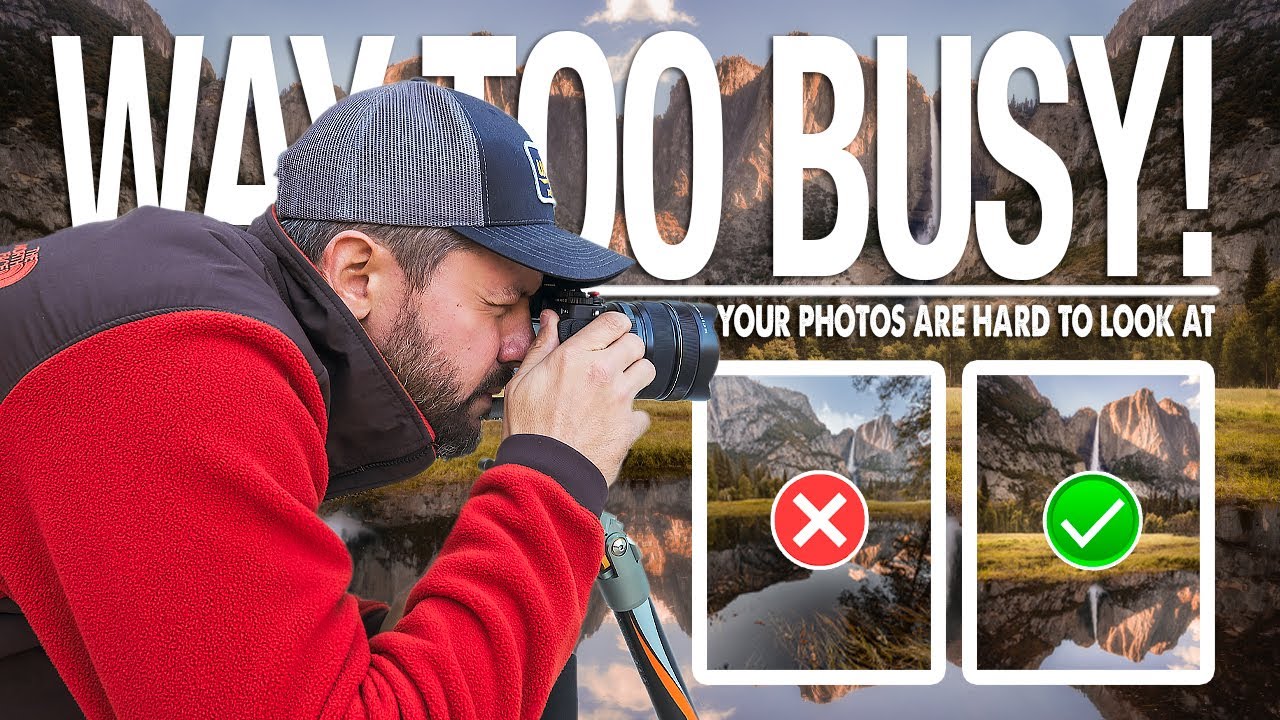
Is Your Composition Too Busy? 5 Signs I Learned to Recognize (The Hard Way)

Is Your Composition Too Busy? 5 Signs I Learned to Recognize (The Hard Way)

There’s a particular kind of frustration that comes from returning home with a full memory card, pulling images up on the monitor, and feeling a quiet unease you can’t quite name. The photos aren’t technically wrong. Exposure is solid, focus is sharp, the light was genuinely beautiful. But something about them feels cluttered. Restless. Like a room where someone shoved too much furniture against the walls. I’ve been shooting landscapes full-time for two decades, and I still run into this problem.
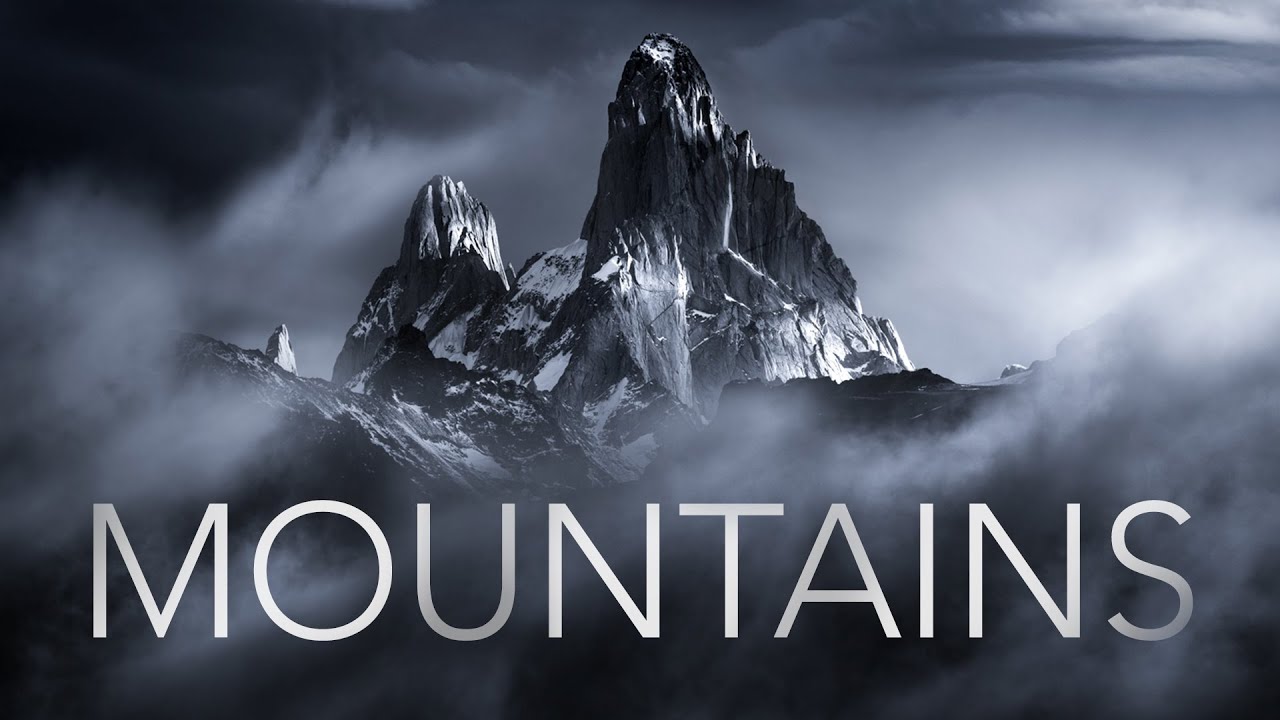

Three Lenses, One Mountain: A Composition Guide That Actually Works in the Field

Three Lenses, One Mountain: A Composition Guide That Actually Works in the Field

There’s a particular kind of frustration that comes from standing in front of a jaw-dropping mountain scene and knowing, somewhere in the back of your mind, that your images aren’t going to do it justice. I’ve been shooting landscapes full-time for two decades and I still wrestle with it. Mountains are humbling that way. The scale defies a single frame. The light moves faster than you expect. And the lens you grabbed first is usually the wrong one.

Light, Weight, and the Freedom to React: Field Notes on the Nikon Z5 for Landscape Photography

Light, Weight, and the Freedom to React: Field Notes on the Nikon Z5 for Landscape Photography

There’s a specific kind of frustration that every landscape photographer knows: you’re watching extraordinary light develop in front of you, and by the time you’ve locked your tripod down and dialed in your settings, it’s gone. I’ve stood in enough pre-dawn fields in central Oregon to understand that the camera you can use right now is often more valuable than the camera with the theoretically better specs still in the bag.

When the Mountain Changes Your Plans: Field Lessons from a Haystacks Winter Shoot

When the Mountain Changes Your Plans: Field Lessons from a Haystacks Winter Shoot

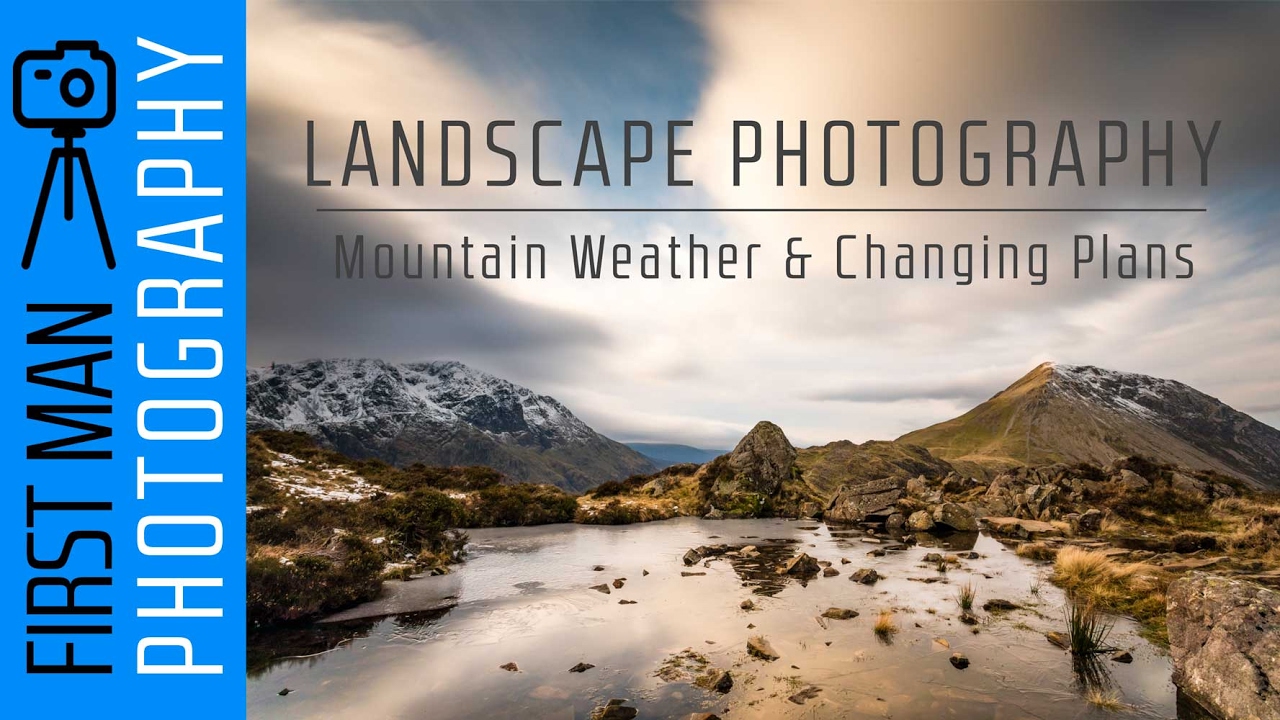
There is a particular kind of photographer who shows up with a perfect shot list, a scouted location, a tide chart, and a color-coded timeline, and then watches the weather tear it all apart by noon. I have been that photographer more times than I care to count. Twenty years of dragging gear up ridgelines before sunrise will teach you, eventually, that your plan is just a starting point. The mountain, as a mentor of mine once put it, does not care about your schedule.

How to Shoot a City You've Never Seen Before: Lessons from Punta Arenas

How to Shoot a City You've Never Seen Before: Lessons from Punta Arenas

There’s a particular kind of discomfort that comes with showing up somewhere you don’t know with a camera in your hand. No scouted locations, no golden hour coordinates saved in PhotoPills, no local knowledge whatsoever. I’ve felt it plenty of times. You’re standing on a street corner squinting at rooftops, trying to reverse-engineer a composition out of pure improvisation. Most photographers I know either freeze up or default to tourist snapshots.

Landscape vs. Portrait: The Camera Settings That Actually Matter in the Field

Landscape vs. Portrait: The Camera Settings That Actually Matter in the Field

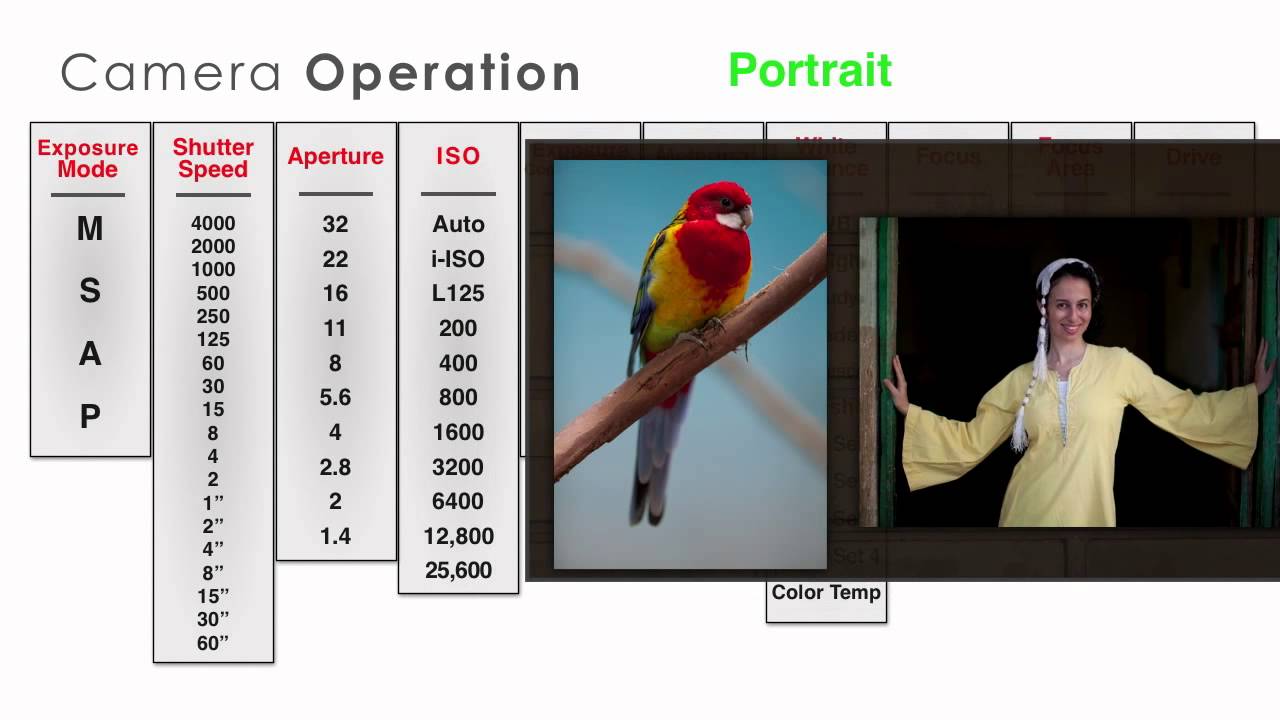
There’s a particular kind of frustration that comes from standing in front of a stunning scene, knowing the light is right, and fumbling with your camera settings while the moment slips away. After twenty years of pre-dawn drives and frozen fingers, I still think the fastest path to consistent images is having a clear, repeatable settings framework before you ever raise the camera to your eye. Not because creativity should be mechanical, but because when the technical side is locked in, your mind is free to actually see.

From Flat to Finished: A Complete Lightroom Edit Workflow for Coastal Landscape Photos

From Flat to Finished: A Complete Lightroom Edit Workflow for Coastal Landscape Photos

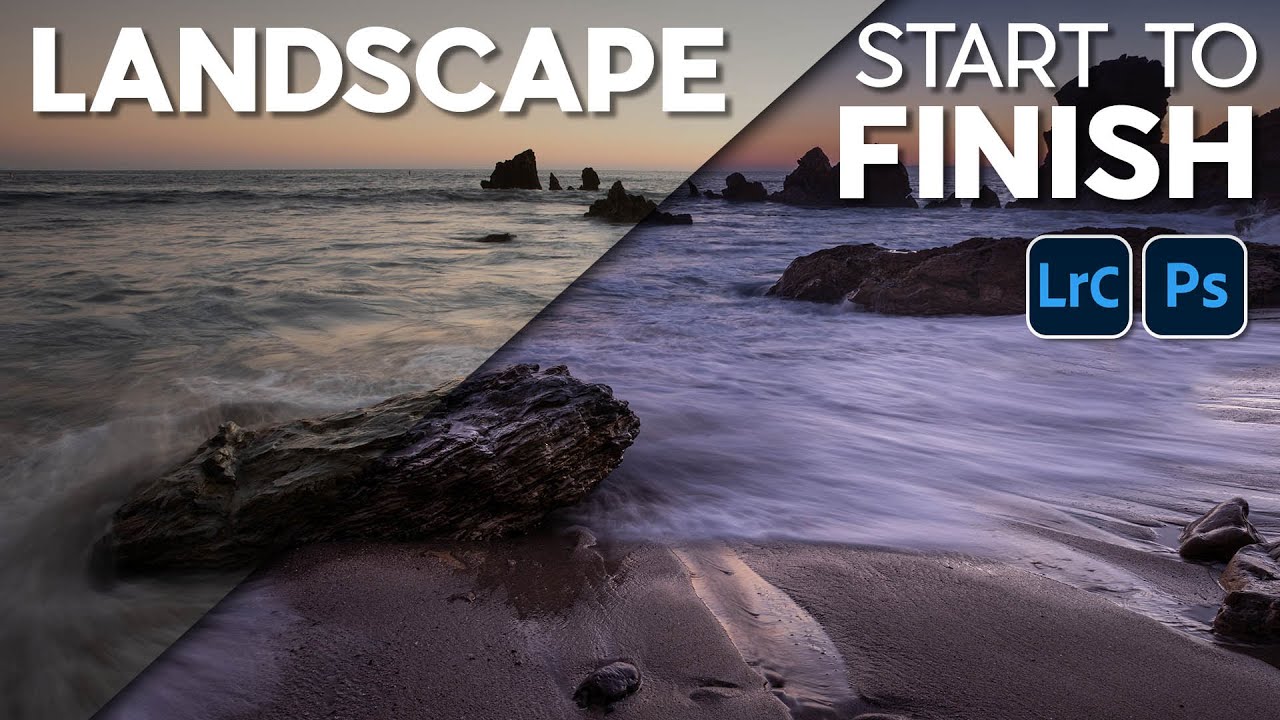
There is a particular kind of frustration that comes from standing on a California coastal bluff at golden hour, watching the light do something genuinely spectacular, and then sitting down at your desk the next morning to find that your raw file looks like a faded postcard. The camera captured the exposure. It did not capture the feeling. Closing that gap is almost entirely an editing problem, and it’s one I’ve spent twenty years working through, sometimes well and sometimes badly.

What John Greengo's Nature & Landscape Essentials Taught Me About Slowing Down Before the Hike

What John Greengo's Nature & Landscape Essentials Taught Me About Slowing Down Before the Hike

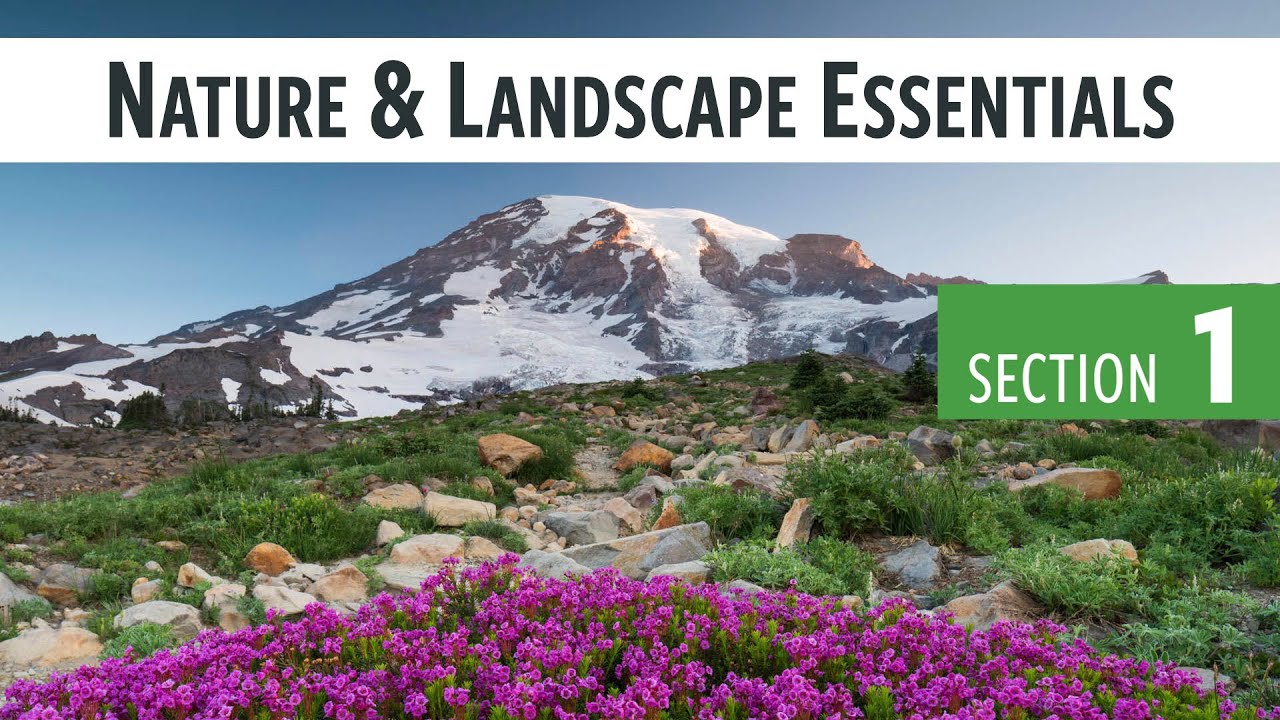
There’s a particular kind of photographer who plans a sunrise shoot, drives two hours in the dark, and still wonders why the image feels flat. I was that photographer. After twenty years of waking before the alarm, pulling on the lucky hat, and hiking into the blue-black cold, I still catch myself rushing past the foundational thinking that separates a technically correct image from one that stops people mid-scroll. When I came across John Greengo’s tutorial series, I recognized immediately that what he’d built wasn’t just a gear list or a tip sheet.

Shooting Snow-Covered Landscapes: What William Patino's New Zealand Tutorial Taught Me About Controlled Chaos

Shooting Snow-Covered Landscapes: What William Patino's New Zealand Tutorial Taught Me About Controlled Chaos

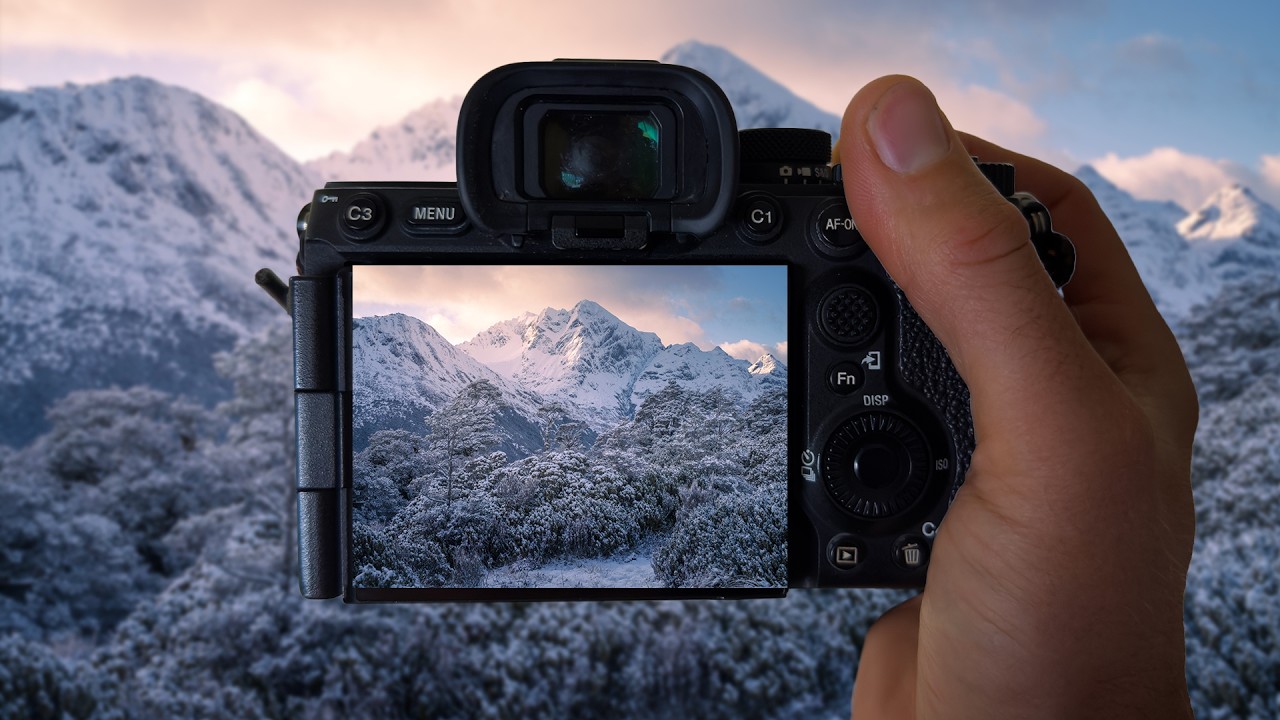
There’s a particular kind of paralysis that hits in a forest after fresh snowfall. Everything is beautiful. Every direction you turn, there’s a frame. And that abundance, counterintuitively, is what makes it one of the hardest environments to photograph well. I’ve stood in snow-covered pines in the Cascades enough times to know that the instinct to just start shooting is almost always wrong. The chaos of a white-blanketed forest demands more discipline, not less.

What a Landscape Photographer Learns When They Stop Controlling the Frame

What a Landscape Photographer Learns When They Stop Controlling the Frame

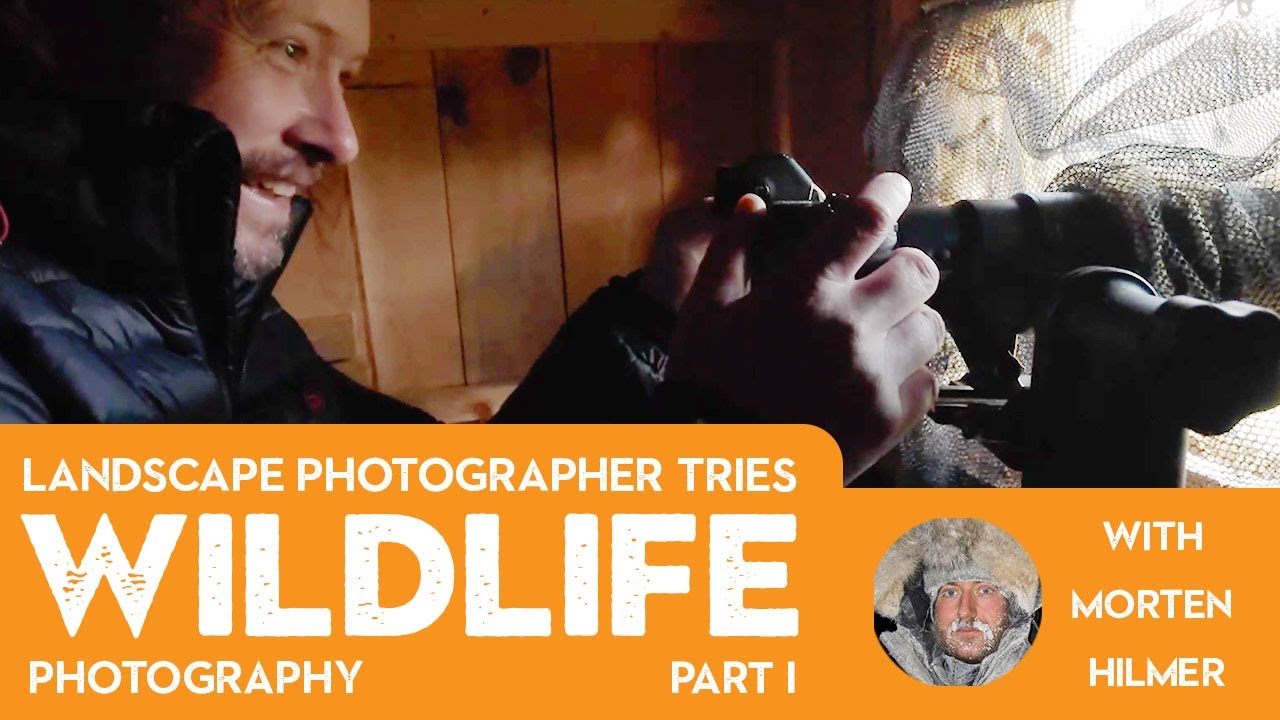
There’s a particular kind of humility that comes from stepping outside your own genre. I’ve spent two decades composing landscapes, reading light, waiting for clouds to cooperate. I know my tools cold, and I know my instincts. But every so often something pulls me sideways into unfamiliar territory, and that’s usually where the real learning happens. In this Nigel Danson tutorial, the British landscape photographer trades his wide-angle compositions for a telephoto lens and spends a morning in a photography blind in a Danish forest with wildlife photographer Morten Hilmer.

Shoot What's Close: A Woodland Waterfall Composition Lesson from Your Own Backyard

Shoot What's Close: A Woodland Waterfall Composition Lesson from Your Own Backyard

There’s a particular kind of creative exhaustion that comes from chasing epic locations. I know it well. I’ve driven hours into the Oregon backcountry, set up in perfect darkness, and then spent two days watching fog refuse to lift while my coffee got cold and my patience got thinner. Those trips have their place. But somewhere along the way I started giving serious weight to the opposite approach: go somewhere you already know, go quickly, and work the scene until you get something worth keeping.

How to Shoot a Landscape Panorama That Actually Holds Together: Lessons from the Field

How to Shoot a Landscape Panorama That Actually Holds Together: Lessons from the Field

Panoramas have cost me more shots than almost any other technique. Not because the stitching is hard, or because the compositions don’t work, but because of the small, fixable mistakes that only show up later on a monitor back at the hotel. Mismatched exposures. Focus drift between frames. A white balance shift mid-sequence that makes the left side of the image a different color temperature than the right. I’ve been shooting landscapes for twenty years and I still have to remind myself of the fundamentals when conditions are moving fast and the light is doing something worth chasing.