Shooting Seascapes at the Edge of the Map: Lessons from a Spurn Point Sunset Mission

Shooting Seascapes at the Edge of the Map: Lessons from a Spurn Point Sunset Mission

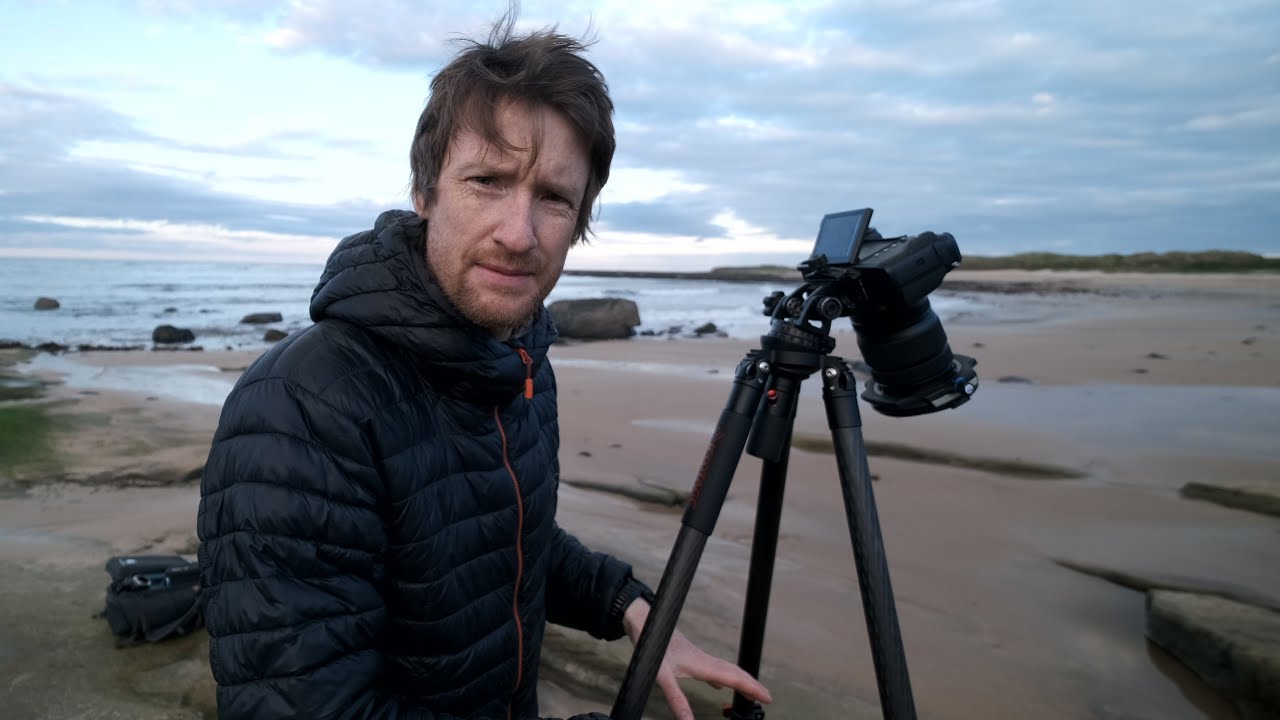
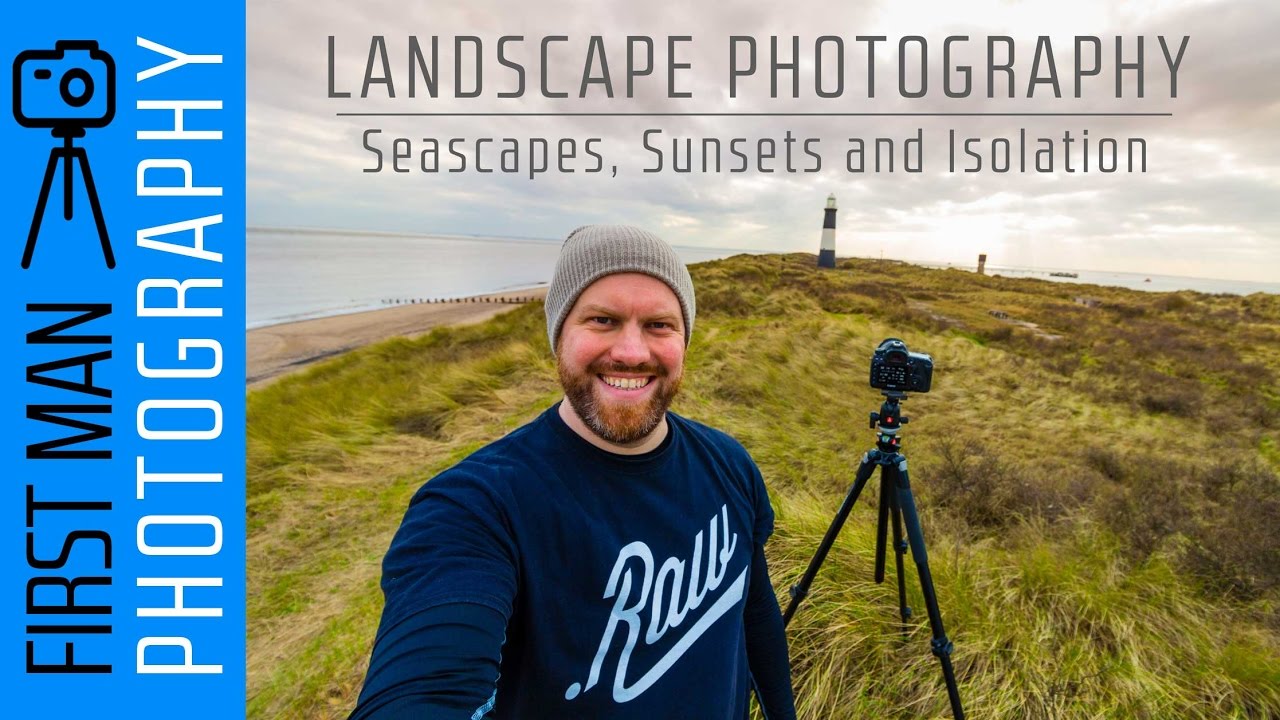
There’s a particular kind of location that draws me in every time: the ones that feel genuinely precarious. A spit of land dissolving into the sea. A road that no longer exists. A tide that will strand you if you misread it. These places carry a built-in tension that does half the compositional work for you, if you know how to let the conditions speak. That’s exactly what drew me to this tutorial from First Man Photography, where he documents a full-day coastal shoot at Spurn Point on England’s East Yorkshire coast.
Making Something From Nothing: How Mist Filters Can Transform a Flat Coastal Morning

Making Something From Nothing: How Mist Filters Can Transform a Flat Coastal Morning

There’s a particular kind of morning I know well. You’ve checked the forecast three times. You’ve got your location scouted, your tripod in the car, your alarm set for an hour that most people would consider an act of personal punishment. Then you arrive and the light is flat, the atmosphere is gone, and you’re standing on a pier watching ordinary daylight settle over an ordinary scene. Most photographers pack up and drive home.

Tide, Light, and Letting Go: Seascape Lessons from a Near-Miss at Sunrise

Tide, Light, and Letting Go: Seascape Lessons from a Near-Miss at Sunrise

There’s a particular kind of humility the coast hands you. I’ve spent two decades waking before dawn, and the ocean still finds ways to remind me who’s in charge. That’s part of why I found myself watching this Thomas Heaton tutorial more than once - not just for the photography instruction, but because Heaton does something most tutorial creators won’t: he shows you the mistake in real time. He gets cut off by an incoming tide mid-shoot, wades back to dry land, and then calmly unpacks what he actually learned.

How to Read the Sky Before You Leave the House (And Actually Catch the Shot)

How to Read the Sky Before You Leave the House (And Actually Catch the Shot)

There is a question I have asked myself nearly every evening for twenty years: is tonight worth it? Not in an existential sense, though landscape photography does tend to blur those lines. I mean practically. Do I load the truck, drive an hour into the high desert outside Bend, set up in the dark, and wait, or do I stay home and look at the forecast the next morning feeling smug that I didn’t bother?

Chasing Light on the Oregon Coast: Field Lessons from a Landscape Road Trip

Chasing Light on the Oregon Coast: Field Lessons from a Landscape Road Trip

There’s a particular kind of shoot I know well: you’re working with imperfect light, questionable weather, and a location you’ve never stood in before. No scouting notes, no golden-hour guarantee. Just you, your gear, and whatever the coast decides to hand you. Those shoots are the ones that sharpen your instincts faster than any ideal morning ever could. That’s exactly why I keep coming back to tutorials filmed in real conditions, not staged ones.

When the Landscape Surprises You: Shooting Seascapes and Staying Ready for the Unexpected

When the Landscape Surprises You: Shooting Seascapes and Staying Ready for the Unexpected

There’s a particular kind of frustration I know well: you’ve done your location scouting, checked the forecast three times, and then you’re standing on a cliff edge watching flat grey light bleed across the sky while the clouds do exactly nothing interesting. I’ve had sessions like that more times than I can count, and they’ve taught me more than the golden-hour home runs ever did. That’s part of why I keep coming back to work from photographers who shoot in real conditions, not controlled ones.

What a Coastal Dawn Shoot Taught Me About Working Smarter in the Field

What a Coastal Dawn Shoot Taught Me About Working Smarter in the Field

There’s a particular kind of discipline that separates a productive pre-dawn shoot from an expensive drive to watch nothing happen. I’ve been shooting landscapes full-time for two decades and I still catch myself making the same on-location mistakes when I’m rushing, cold, or overconfident about conditions. What I’ve learned is that a good field workflow isn’t about having the right gear. It’s about making a series of small, smart decisions in sequence, each one building on the last.

When the Weather Wins: Making the Most of Stolen Windows in Landscape Photography

When the Weather Wins: Making the Most of Stolen Windows in Landscape Photography

There’s a version of landscape photography that lives on Instagram - golden hour light pouring across still water, every frame a postcard. And then there’s the version most of us actually live: cold fingers, wrong-place-right-time arrivals, and entire months where the weather simply refuses to cooperate. I’ve been shooting full-time for twenty years, and I’d say a solid third of my best work came out of sessions I almost didn’t bother with.

Chasing Light and Lightning: Field Lessons from a Day of Seabird and Coastal Landscape Photography

Chasing Light and Lightning: Field Lessons from a Day of Seabird and Coastal Landscape Photography

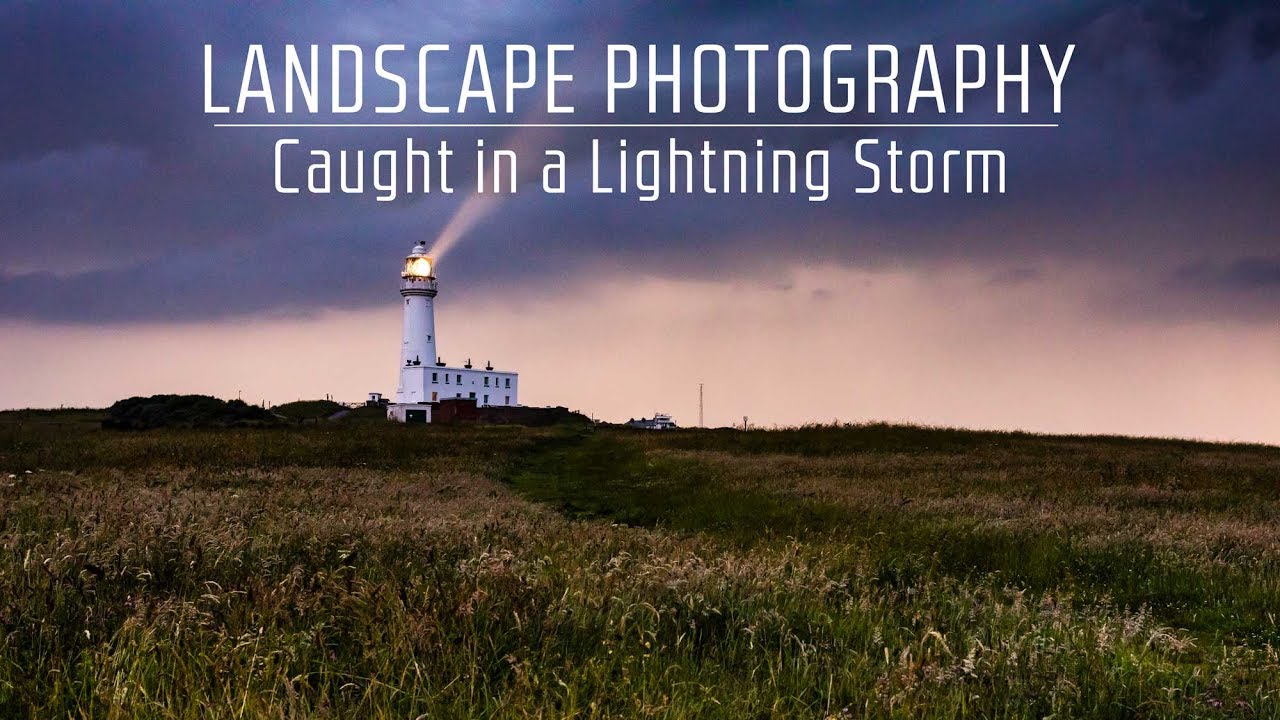
There’s a particular kind of day in field photography that teaches you more than any workshop ever could. It’s the day where you start with a plan, the weather dismantles it piece by piece, and you either adapt or you go home empty. I’ve had hundreds of those days over the past twenty years. They’re the ones I remember most. In this First Man Photography tutorial, Watch the full tutorial on YouTube, the photographer sets out for a full day along the Yorkshire coast, starting with seabird photography at Bempton Cliffs and ending with a coastal sunset attempt at Flamborough Head that gets interrupted by a full-on lightning storm.

Reading the Water: Seascape Composition Lessons from Cathedral Rocks

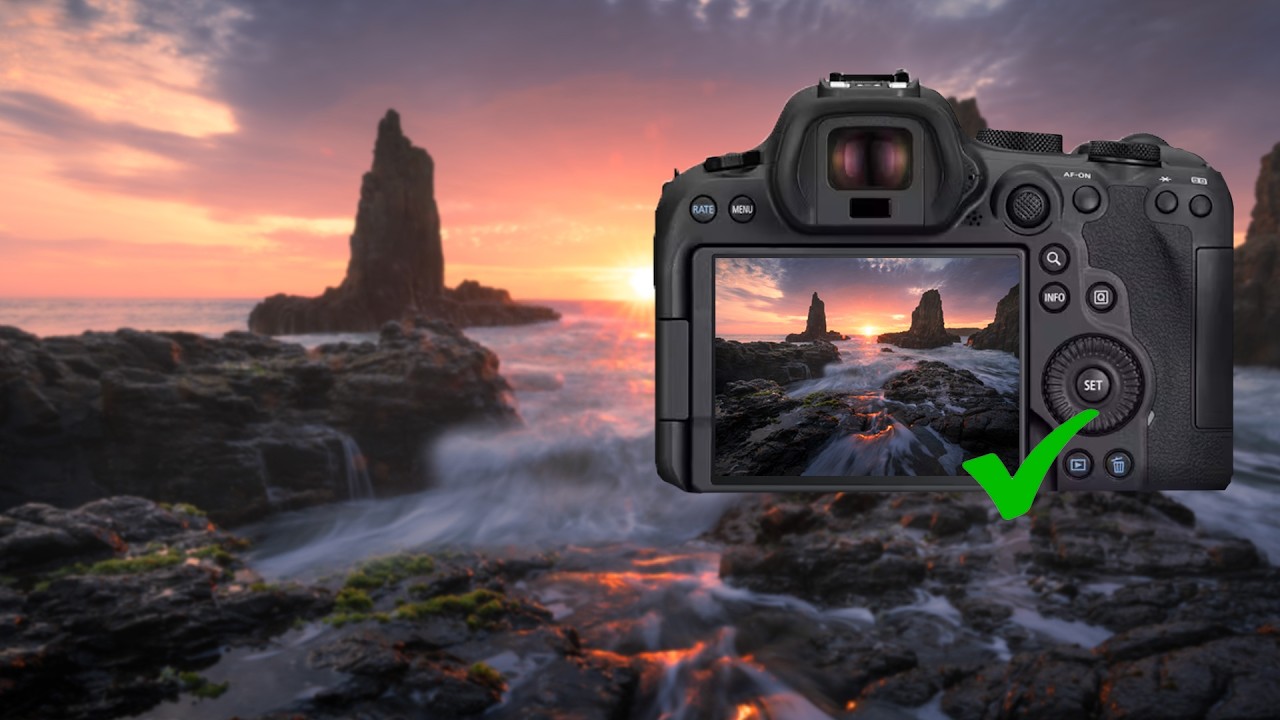
Reading the Water: Seascape Composition Lessons from Cathedral Rocks

There’s a particular problem that humbles coastal photographers more than almost any other situation: you arrive at a beautiful rocky shoreline at first light, the sky does something extraordinary, and you freeze. Not from cold, though that’s real too, but from indecision. Where do you stand? Which way do you point? Do you wait for the wave to come in or let it pull back? I’ve been making images for twenty years and I still feel that paralysis sometimes.

When Plans Fall Apart: How to Shoot Coastal Long Exposures with Whatever the Day Gives You

When Plans Fall Apart: How to Shoot Coastal Long Exposures with Whatever the Day Gives You

There’s a version of landscape photography that looks like pure intention. You pick the location, you check the forecast, you set three alarms. Then there’s the version that actually happens. I’ve been shooting full-time for twenty years, and I still have mornings where everything unravels before I’ve touched the camera. What keeps those mornings from being wasted isn’t luck. It’s having a secondary project already thought through, something you can pull off the shelf when your original plan falls apart.

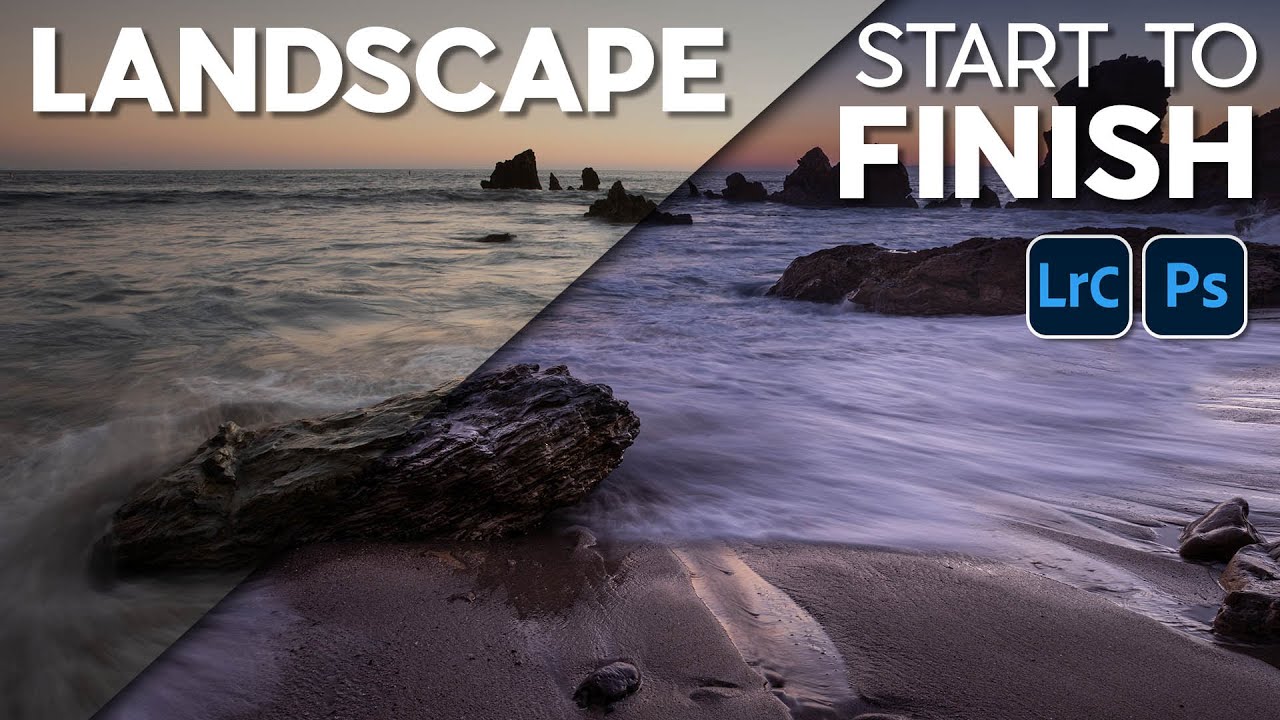
From Flat to Finished: A Complete Lightroom Edit Workflow for Coastal Landscape Photos

From Flat to Finished: A Complete Lightroom Edit Workflow for Coastal Landscape Photos

There is a particular kind of frustration that comes from standing on a California coastal bluff at golden hour, watching the light do something genuinely spectacular, and then sitting down at your desk the next morning to find that your raw file looks like a faded postcard. The camera captured the exposure. It did not capture the feeling. Closing that gap is almost entirely an editing problem, and it’s one I’ve spent twenty years working through, sometimes well and sometimes badly.