When Epic Stops Working: Rediscovering Quiet Light in the Field

When Epic Stops Working: Rediscovering Quiet Light in the Field

There’s a version of this problem I know embarrassingly well. After twenty years of waking before dawn and standing in cold rivers waiting for the light to do something worth photographing, I noticed something uncomfortable about myself: I’d stopped getting excited about ordinary mornings. Not bad mornings. Just ordinary ones. Soft overcast, no wind, no drama. I’d look at the scene, feel nothing, and start running through excuses to pack up early.

What the Dark Actually Costs You: A Night Sky Photographer's Honest Field Notes

What the Dark Actually Costs You: A Night Sky Photographer's Honest Field Notes

The first time I drove out to Steens Mountain at midnight, I pulled over on a dirt road about forty miles from the nearest town, cut the engine, and just sat there. Not because I was being poetic about it. My eyes needed time. That’s the thing most articles skip: your vision takes a full twenty to thirty minutes to reach its peak dark adaptation, and if you so much as glance at your phone screen without a red filter on it, you reset the clock.

Why Mountain Light Lies to Your Camera (And What to Do About It)

Why Mountain Light Lies to Your Camera (And What to Do About It)

The alarm doesn’t go off at 4am because I don’t set one. I’m already awake, already calculating whether the cloud cover from the night before has broken, already thinking about whether the light I drove toward is still worth chasing. Last October I was parked at a trailhead outside Sisters, Oregon, headlamp on, boots laced, staring at a sky that had gone completely wrong. The forecast had called for a clear sunrise window.

The Art of Panoramic Landscape Photography: Seeing Beyond the Frame

The Art of Panoramic Landscape Photography: Seeing Beyond the Frame

The Art of Panoramic Landscape Photography: Seeing Beyond the Frame Standing at the edge of a canyon at sunrise, I’ve often felt the limitations of a single frame. The light spreads across the entire horizon—soft amber fading to purple, stretching far beyond what my widest lens can capture in one shot. This is when I reach for panorama. It’s not a shortcut for composition; it’s an entirely different way of seeing.

The Art of Seeing: Building Stronger Landscape Compositions

The Art of Seeing: Building Stronger Landscape Compositions

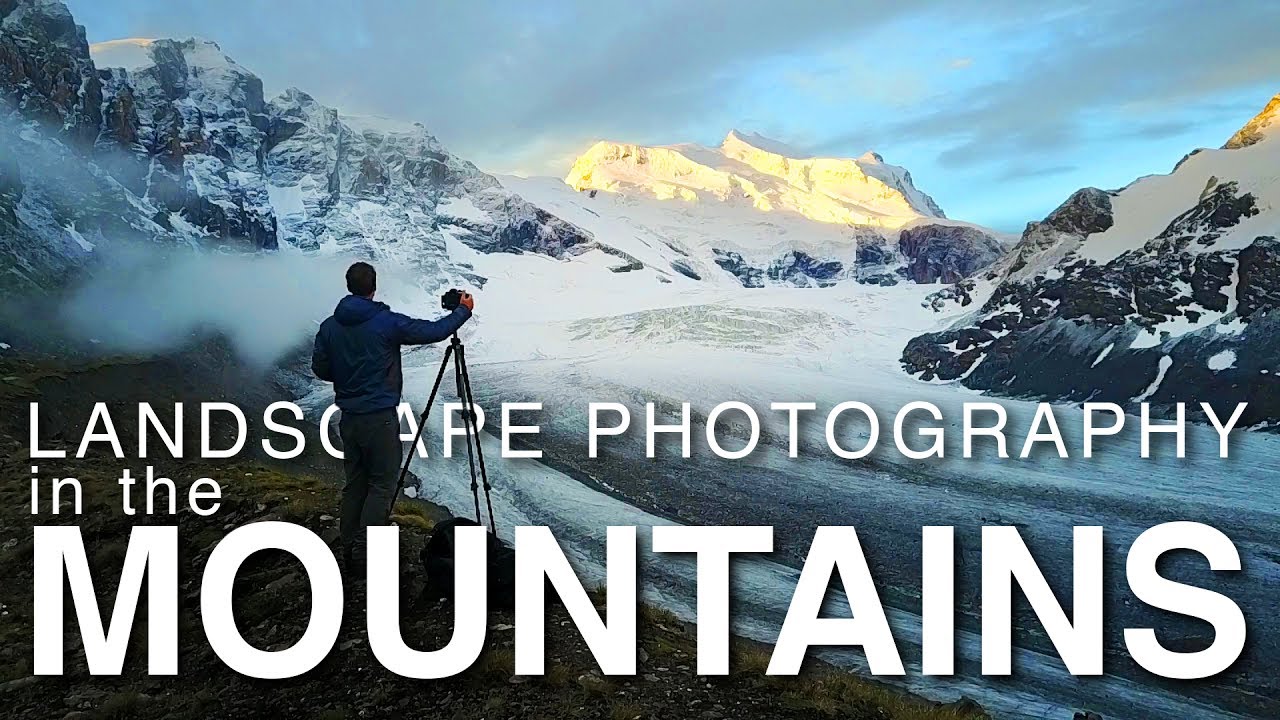
The Art of Seeing: Building Stronger Landscape Compositions I’ve spent countless mornings standing in mountain valleys, waiting for light to transform the scene before me. In those quiet hours, I’ve learned that composition isn’t about following rules—it’s about understanding how your eye moves through a photograph, and then controlling that journey with intention. Most photographers arrive at a location, frame what they see, and shoot. But there’s a deliberate practice that separates strong work from snapshots: learning to construct a landscape photograph as you would build a story, with a beginning, middle, and resolution.

Capturing the Night Sky: Lessons Learned Under the Stars

Capturing the Night Sky: Lessons Learned Under the Stars

I remember the first time I stepped away from city lights with the intention of photographing stars. I’d read the articles, adjusted my settings, and arrived at my location with confidence. Then the sky humbled me. The Milky Way sprawled above in a way no screen could prepare me for, and I realized that technical knowledge alone wouldn’t translate what I was witnessing into a compelling image. That night taught me that night sky photography demands equal parts science and intuition—a willingness to understand your equipment while remaining present to the landscape beneath those stars.

The Art of Long Exposure: Slowing Down to See More

The Art of Long Exposure: Slowing Down to See More

Finding Stillness in Motion I’ve stood at the edge of a rushing river at dawn, tripod planted firmly in the cold sand, and watched the world transform through my viewfinder. Long exposure photography does something remarkable—it shows us what our eyes cannot perceive. Moving water becomes silk. Clouds drift like breath across the frame. The chaos of a crowded scene vanishes, leaving only solitude. The first time I deliberately slowed my shutter speed, I wasn’t sure what to expect.

Chasing Starlight: Mastering Night Sky Photography in the Field

Chasing Starlight: Mastering Night Sky Photography in the Field

Chasing Starlight: Mastering Night Sky Photography in the Field There’s a particular silence that descends when you’re alone under the stars with your camera. It’s different from daytime shooting—quieter, somehow more intimate. After spending countless nights in remote locations chasing the Milky Way, I’ve learned that night sky photography demands both technical precision and patience. It’s not enough to show up; you need to understand what you’re looking at and how your equipment will respond in darkness.

The Art of Landscape Composition: Creating Depth in Wild Places

The Art of Landscape Composition: Creating Depth in Wild Places

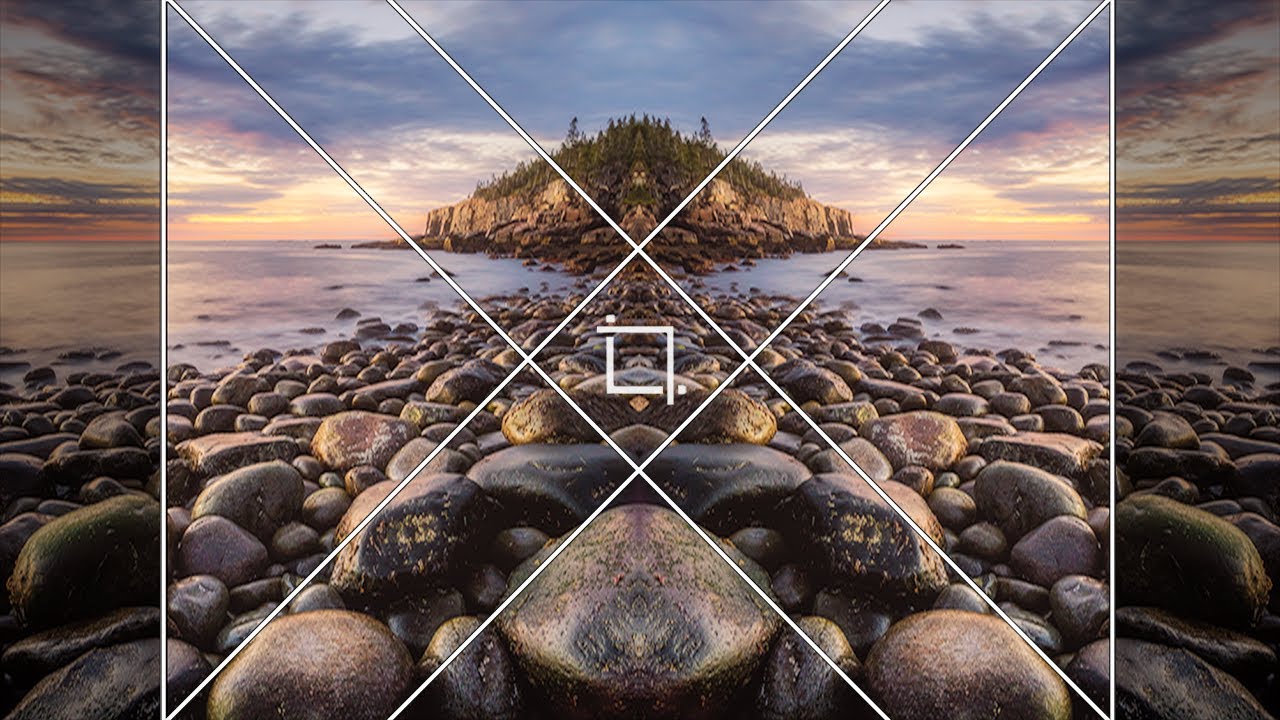
The Art of Landscape Composition: Creating Depth in Wild Places I’ve stood in front of countless breathtaking vistas—jagged peaks piercing morning fog, golden light flooding across endless prairies, storms gathering over distant ridges. Yet some of my best photographs come not from the most dramatic locations, but from understanding how to arrange what I see into a cohesive image. Composition is the difference between documenting a beautiful place and creating a photograph that makes someone feel something.

The Art of Long Exposure: Slowing Time in Landscape Photography

The Art of Long Exposure: Slowing Time in Landscape Photography

The Art of Long Exposure: Slowing Time in Landscape Photography There’s a particular magic that happens when you slow down your camera’s perception of time. I discovered this years ago while standing waist-deep in a Scottish loch at dawn, watching my ten-second exposure transform turbulent water into something resembling silk. Long exposure isn’t just a technical trick—it’s a way of seeing the landscape differently, of revealing movement that our eyes miss in a single glance.

The Art of Capturing Panoramas: Creating Images Wider Than Your Vision

The Art of Capturing Panoramas: Creating Images Wider Than Your Vision

The Art of Capturing Panoramas: Creating Images Wider Than Your Vision There’s a moment in the field when a landscape refuses to fit within the boundaries of a single frame. I’ve stood on countless ridges, looking out across valleys and mountain ranges that stretch impossibly wide, feeling the frustration of knowing my camera’s sensor can only capture a fraction of what my eyes see. That’s when panoramas become not just a technical exercise, but a necessity—a way to honor the true scope of a scene.

The Hidden Struggles Behind Every Perfect Landscape Shot

The Hidden Struggles Behind Every Perfect Landscape Shot

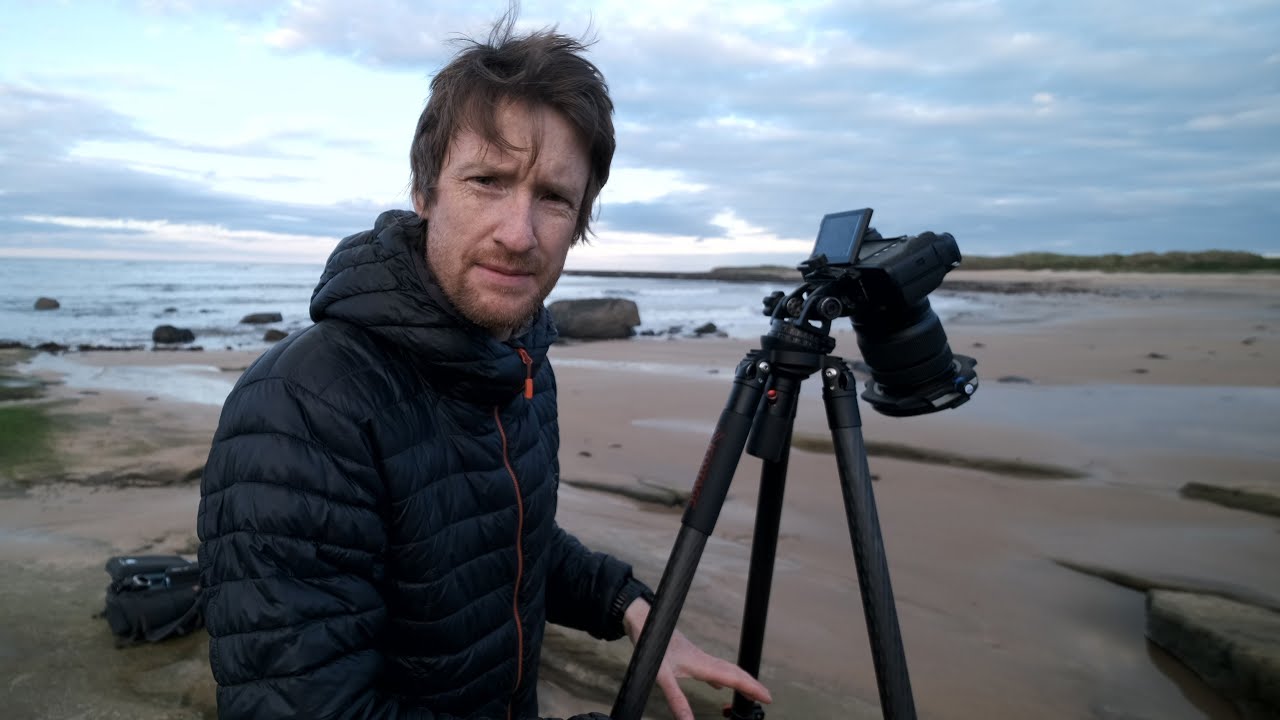
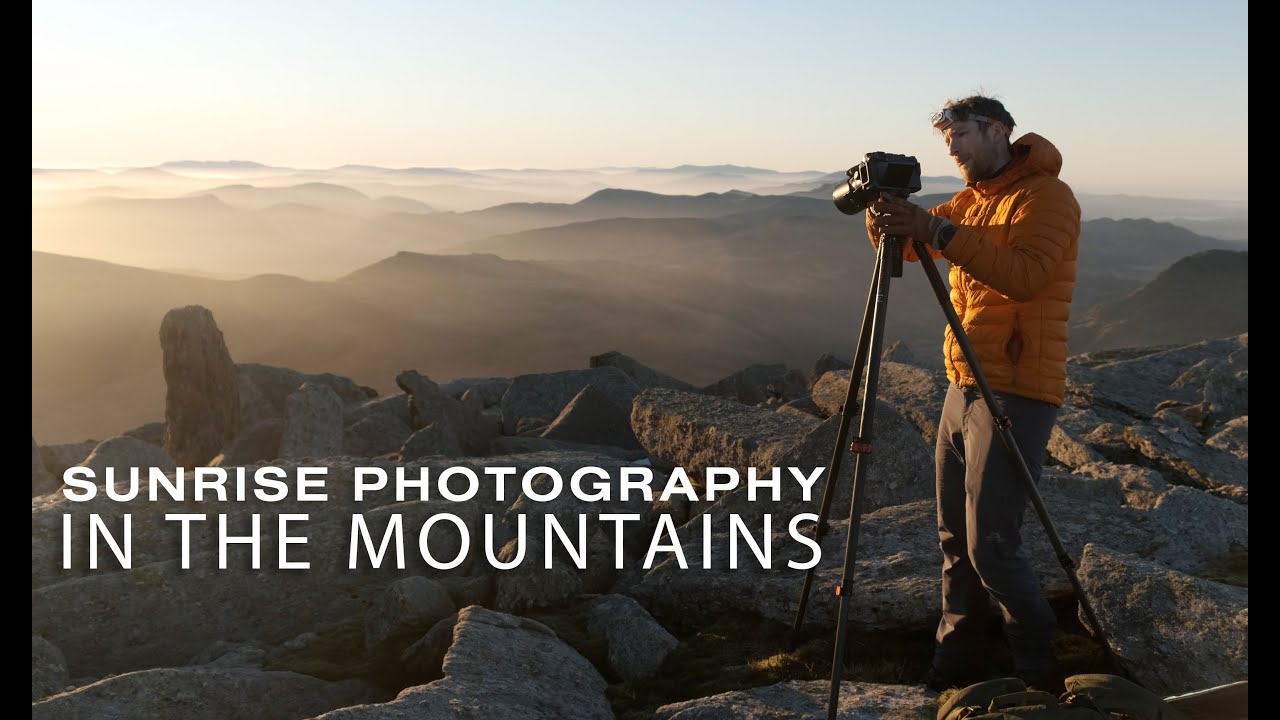
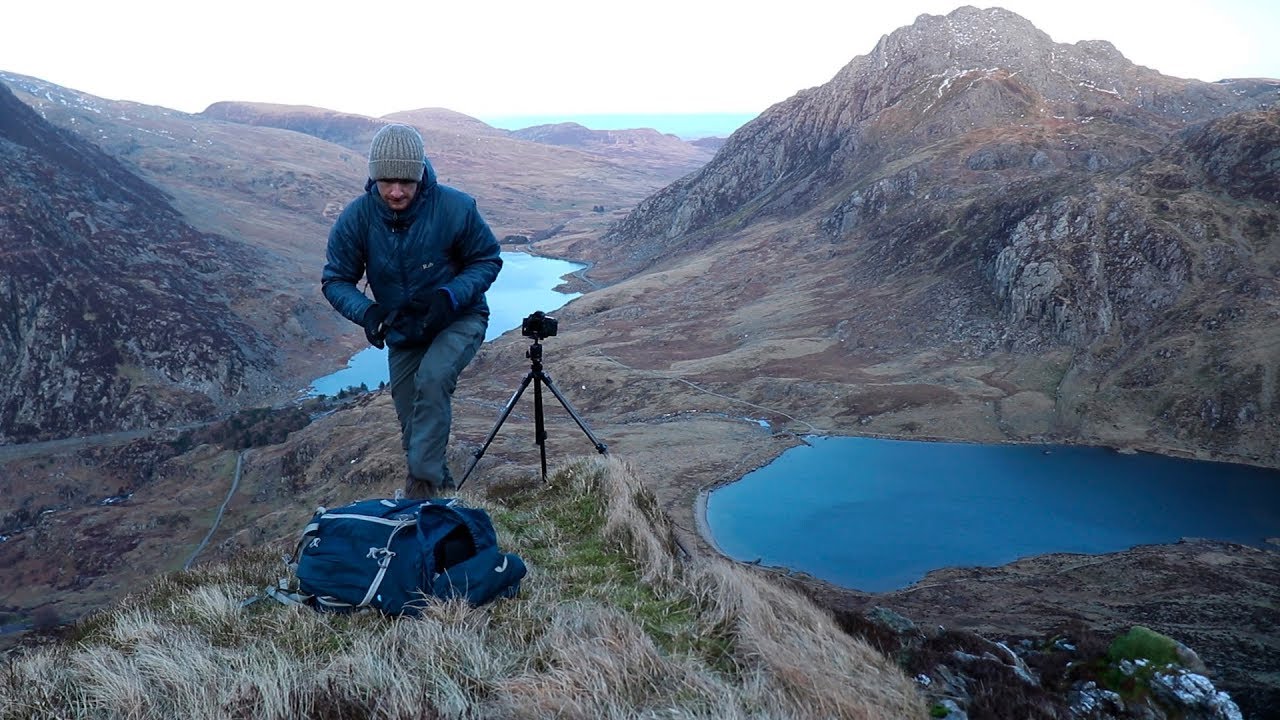
The Romance vs. Reality of Landscape Photography There’s something almost magical about the image of a solitary photographer standing before a vast landscape at dawn, camera mounted on a sturdy tripod, bathed in golden light. It’s the kind of scene that makes people want to pick up a camera and chase horizons. But I’ve learned through countless mornings in the field that this picturesque moment represents only a fraction of what actually happens on a landscape photography expedition.