Scouting, Golden Light, and Ghost Towns: Field Lessons from an Abandoned Mine Shoot

Scouting, Golden Light, and Ghost Towns: Field Lessons from an Abandoned Mine Shoot

There is a particular kind of pressure that builds in the dark on the way to a sunrise location. You’ve done the planning, you’ve checked the app, you’ve picked your composition the evening before. And then you’re sitting in the truck at 4:45 a.m. watching the sky go lighter than you wanted it to, and you realize the window is already closing. I’ve been doing this for twenty years and that feeling never entirely goes away.
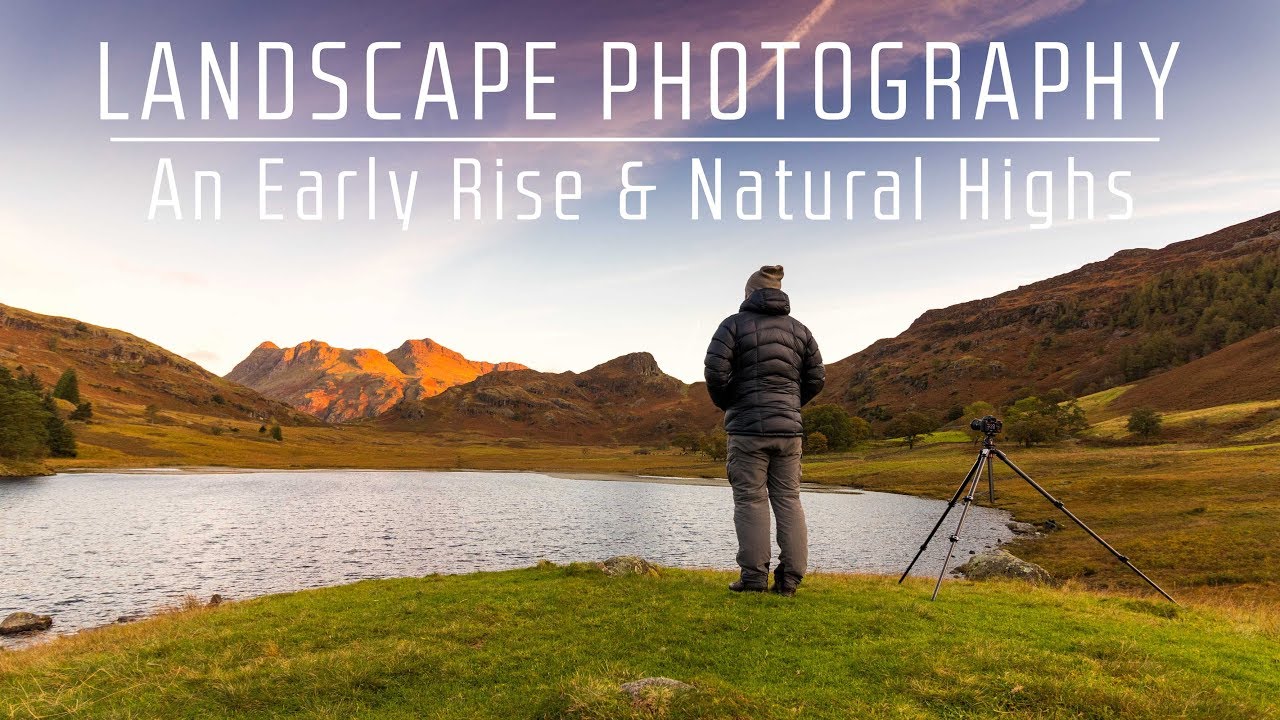
Early Light and Honest Craft: What a Blea Tarn Sunrise Taught Me About Working a Location

Early Light and Honest Craft: What a Blea Tarn Sunrise Taught Me About Working a Location

There is a specific kind of dread that comes with a 3:45am alarm when you already know the conditions might not deliver. I have stood on enough cold ridgelines, stared at enough flat grey skies, and driven enough dark highways to know that the morning will do what the morning wants. And yet I keep showing up. The reason I keep showing up is the same reason I found myself rewatching this particular tutorial from First Man Photography more than once: it captures something honest about what it actually feels like to work a location well, not just the hero shot, but the full arc of a day in the field.

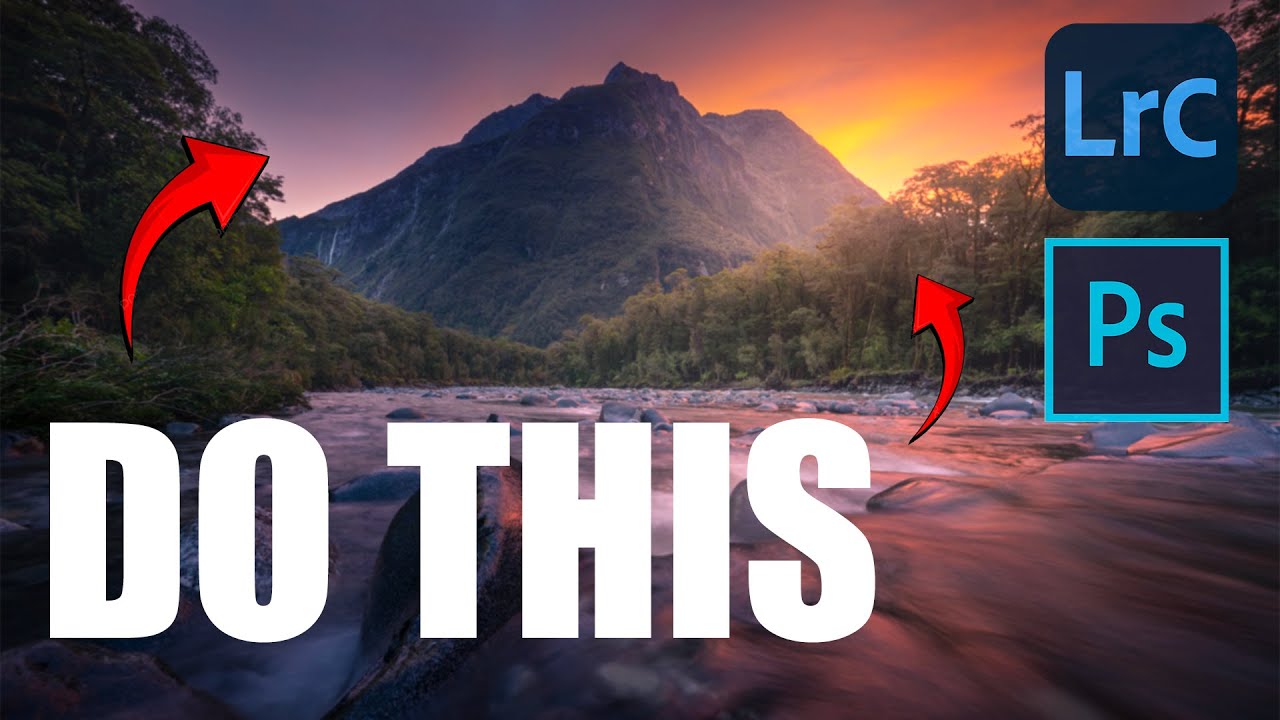
Stop Ruining Your Golden Hour Shots: A Post-Processing Walkthrough for Sunrise and Sunset Images

Stop Ruining Your Golden Hour Shots: A Post-Processing Walkthrough for Sunrise and Sunset Images

There is a specific kind of disappointment that hits when you get home from a shoot, pull up your RAW files, and realize the image on your screen looks nothing like what you saw with your own eyes. I’ve been doing this for twenty years, and it still stings. You were in the right place. The light was doing something extraordinary. The composition felt alive. And now you’re staring at a flat, muddy file wondering where it all went.

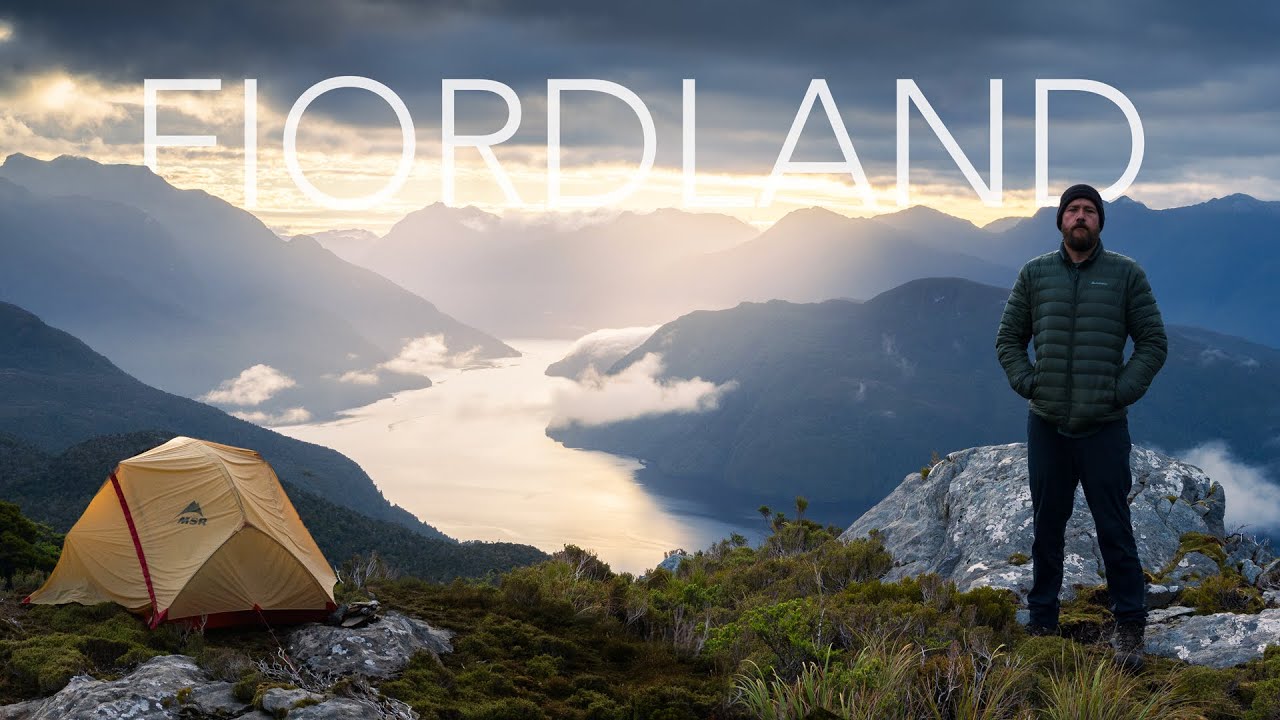
Fishing for Light: Field Techniques from a Fiordland Sunrise (William Patino)

Fishing for Light: Field Techniques from a Fiordland Sunrise (William Patino)

There’s a version of this job that looks glamorous from the outside. Golden hour, dramatic peaks, camera pointed at something magnificent. What that picture leaves out is the morning you drove three hours in the dark, hiked another ninety minutes in the cold, and watched a wall of grey cloud swallow every last bit of light before sunrise even began. I’ve had more of those mornings than I can count. Twenty years in, I still have them regularly.

Stop Leaving Sunset Color to Chance: A Weather Forecasting System for Landscape Photographers

Stop Leaving Sunset Color to Chance: A Weather Forecasting System for Landscape Photographers

There’s a comment I’ve heard more times than I can count, standing next to someone at a trailhead while I’m packing up my gear after a good shoot. “You were just in the right place at the right time.” I smile, nod, and move on. But the truth is, I was at that location because I’d spent two hours the night before studying satellite loops and cloud-layer maps, then woke up before 4am to drive there in the dark.

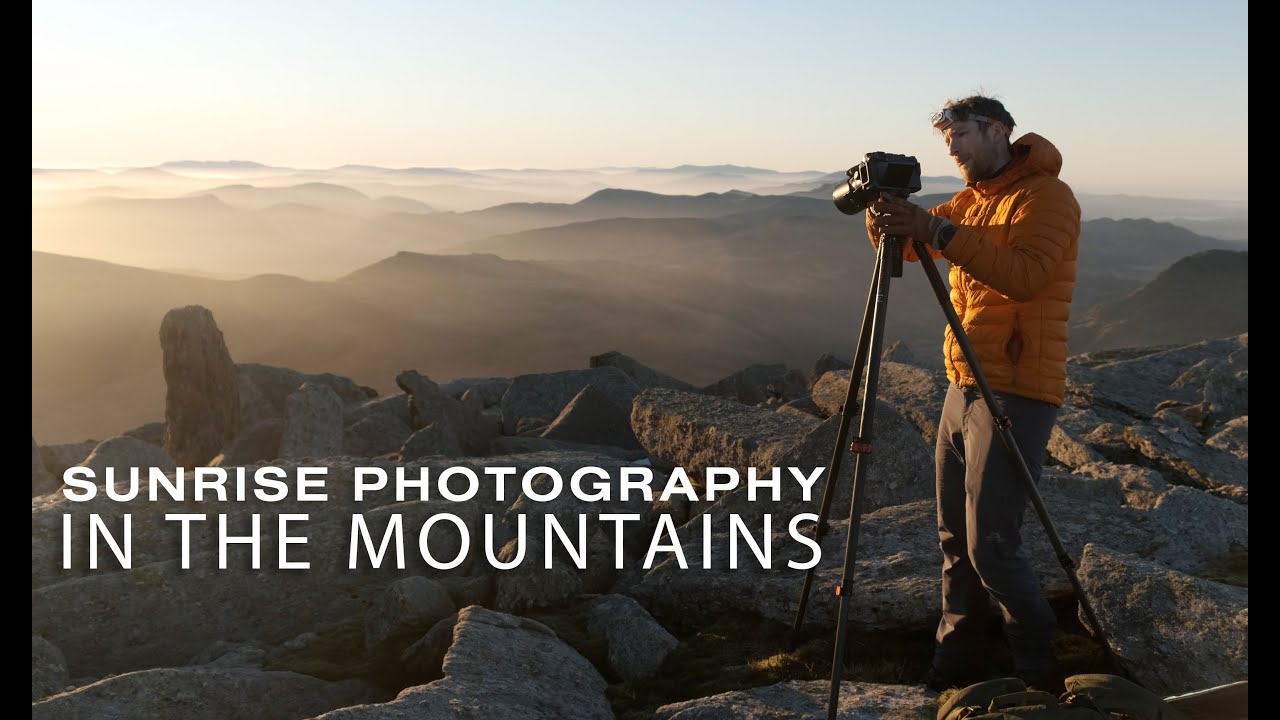
Chasing First Light at Nearly 1,000 Meters: Lessons from a Welsh Mountain Sunrise Shoot

Chasing First Light at Nearly 1,000 Meters: Lessons from a Welsh Mountain Sunrise Shoot

There is a particular kind of pressure that arrives in the dark, about halfway up a mountain, when you are racing an invisible clock. The light is coming whether you are ready or not. After two decades of pre-dawn starts, I still feel it every single time. What separates a good sunrise shoot from a forgettable one usually has nothing to do with gear. It comes down to planning, movement, and the ability to make fast compositional decisions when everything is changing at once.

Show Up Anyway: What Thomas Heaton's Mountain Morning Taught Me About Fleeting Light

Show Up Anyway: What Thomas Heaton's Mountain Morning Taught Me About Fleeting Light

There’s a particular kind of dread that every landscape photographer knows. You wake before dawn, check the window, and see nothing but a gray wall of mist. After six hours of hiking the day before, the warm sleeping bag makes a compelling argument. This is the moment that separates the frames you’ll sell from the ones you’ll never take. I’ve been dragging myself out of bed at four in the morning for two decades, and I still have to actively talk myself into it on mornings like that.

The Foreground Balance Trick William Patino Uses to Anchor His Seascape Compositions

The Foreground Balance Trick William Patino Uses to Anchor His Seascape Compositions

There’s a compositional problem I keep seeing in workshop students’ work, and honestly, in my own early images when I look back at them. You arrive at a stunning coastal location, the sky is doing something extraordinary, and you raise the camera to eye level and shoot. The resulting image has a great sky and a great subject, but it feels unanchored. The eye wanders. Nothing holds the frame together. The shot looks like a record of a beautiful place rather than a considered photograph of one.

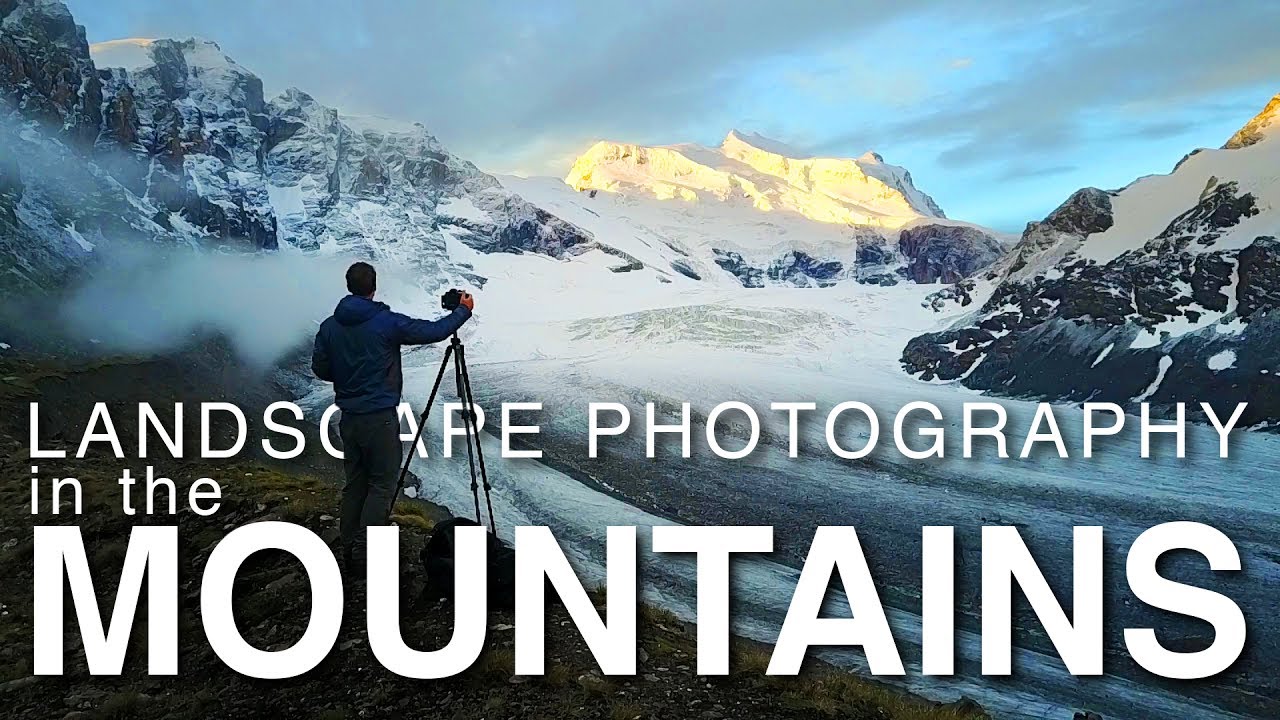
Shoot the Whole Event: 5 Landscape Photography Lessons That Changed How I Work in the Field

Shoot the Whole Event: 5 Landscape Photography Lessons That Changed How I Work in the Field

There’s a particular kind of frustration that comes with standing at a location you’ve planned for weeks, watching the light do something extraordinary, and realizing your timing was off by ten minutes. You caught the buildup but missed the peak. Or you packed up too early and the real show started as you were walking back to the car. I’ve made both mistakes more times than I’d like to admit, and after two decades shooting landscapes full-time out of Bend, Oregon, I still have to fight the urge to call a shoot done before it actually is.

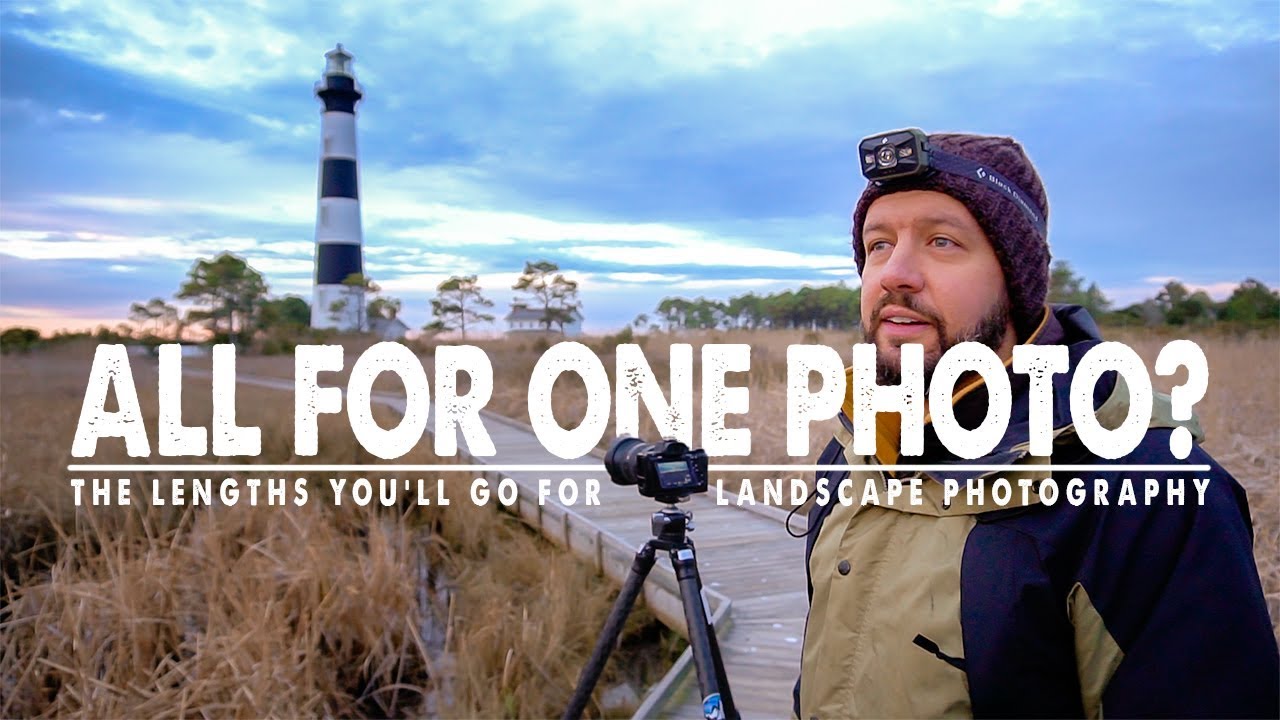
One Photo, One Mission: How Mark Denney Plans and Executes a Lighthouse Sunrise

One Photo, One Mission: How Mark Denney Plans and Executes a Lighthouse Sunrise

There’s a question I get at almost every workshop I run: how do you know when a shot is worth the effort? My honest answer is that the math rarely adds up on paper. A 4-hour drive, a night sleeping in the cold, an alarm set before civilization wakes up - none of that pencils out unless you’ve made your peace with the fact that sometimes the image is the whole point.

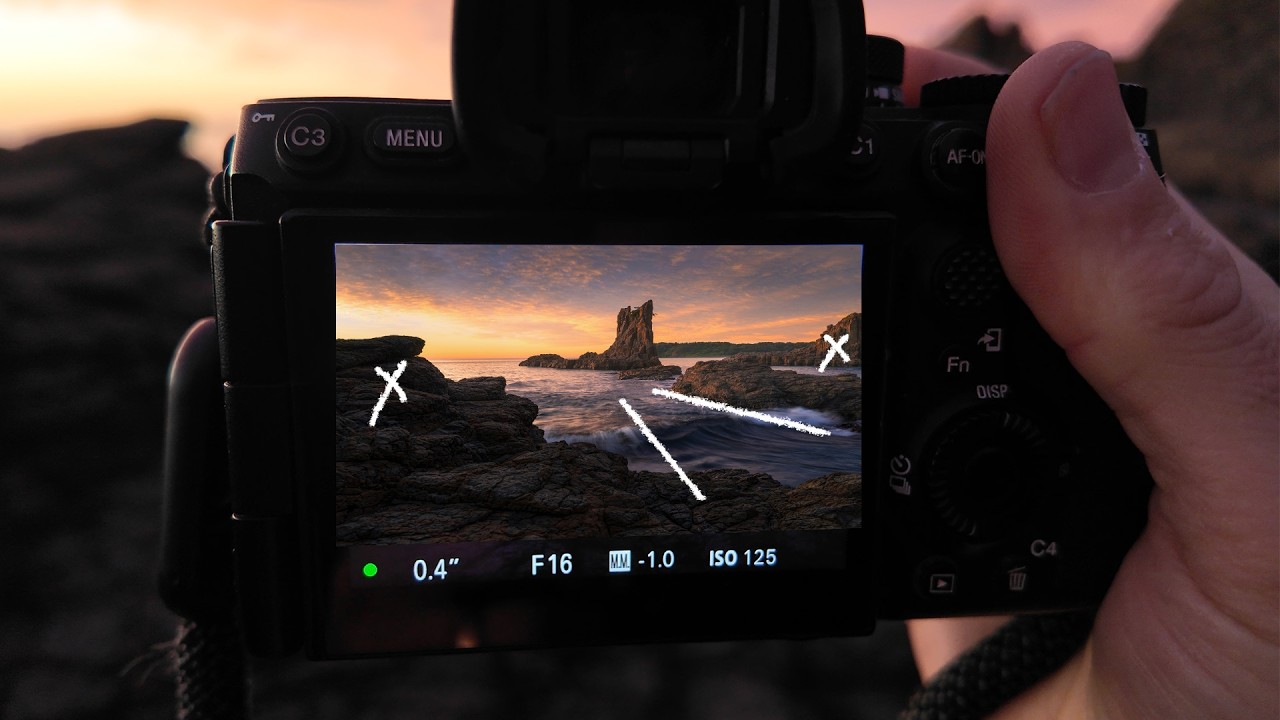
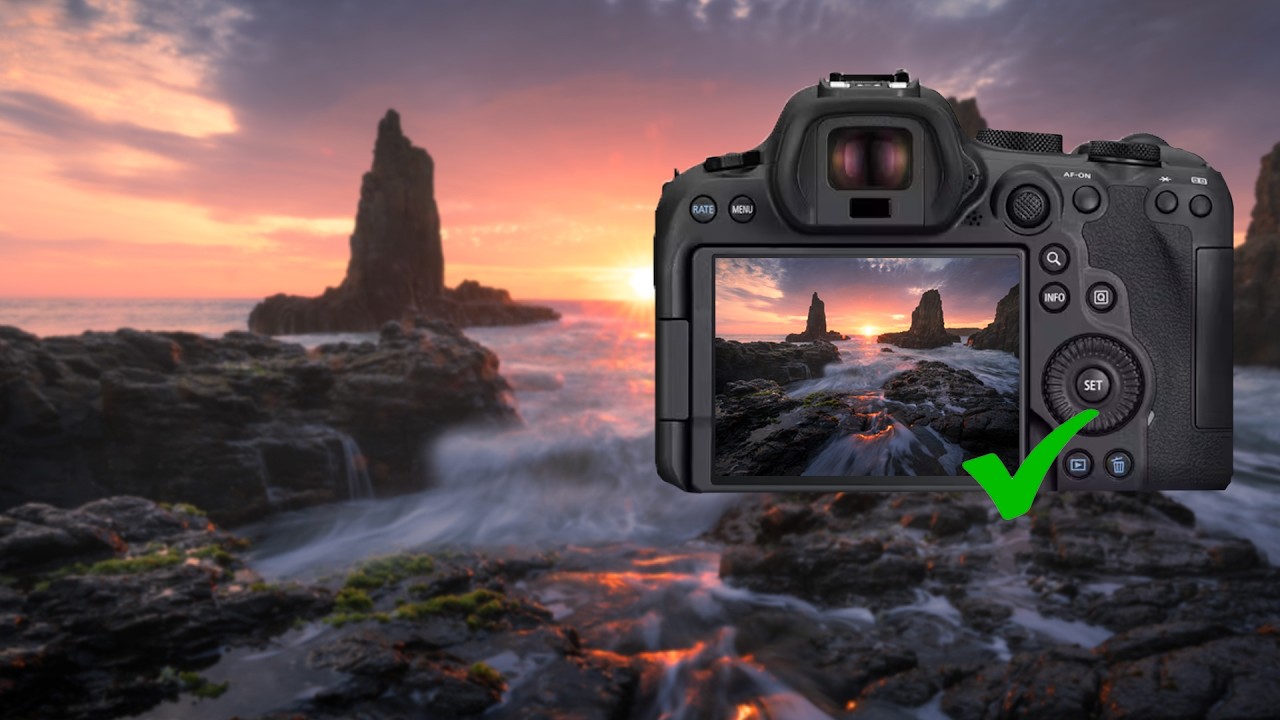
Reading the Water: Seascape Composition Lessons from Cathedral Rocks

Reading the Water: Seascape Composition Lessons from Cathedral Rocks

There’s a particular problem that humbles coastal photographers more than almost any other situation: you arrive at a beautiful rocky shoreline at first light, the sky does something extraordinary, and you freeze. Not from cold, though that’s real too, but from indecision. Where do you stand? Which way do you point? Do you wait for the wave to come in or let it pull back? I’ve been making images for twenty years and I still feel that paralysis sometimes.

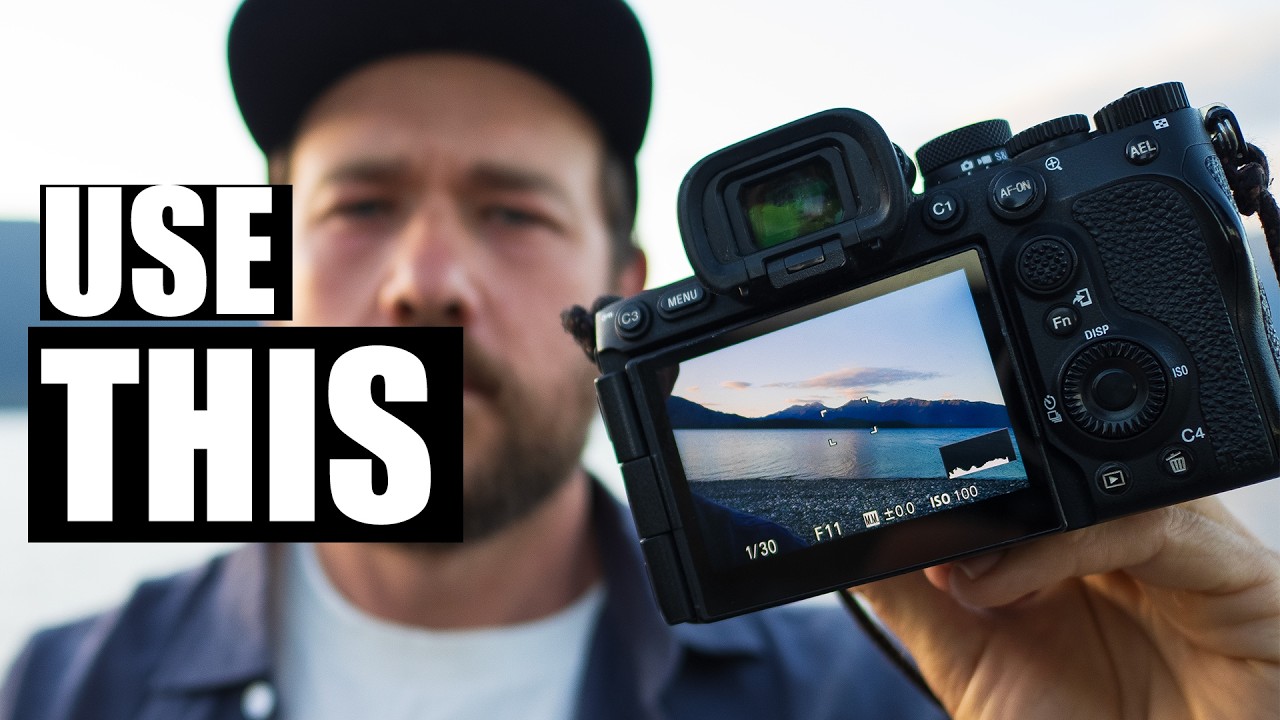
Stop Guessing Your Exposure: A Field Guide to Reading the Histogram at Golden Hour

Stop Guessing Your Exposure: A Field Guide to Reading the Histogram at Golden Hour

There is a particular kind of frustration that comes from standing at the edge of a lake at 5am, the sky doing something extraordinary, and blowing the shot because you trusted your eyes instead of your data. I’ve done it more times than I care to admit. The sky looked balanced through the viewfinder, the image felt right, and then I got home and found a washed-out sun with no detail to recover.