Shoot What's Close: A Woodland Waterfall Composition Lesson from Your Own Backyard

Shoot What's Close: A Woodland Waterfall Composition Lesson from Your Own Backyard

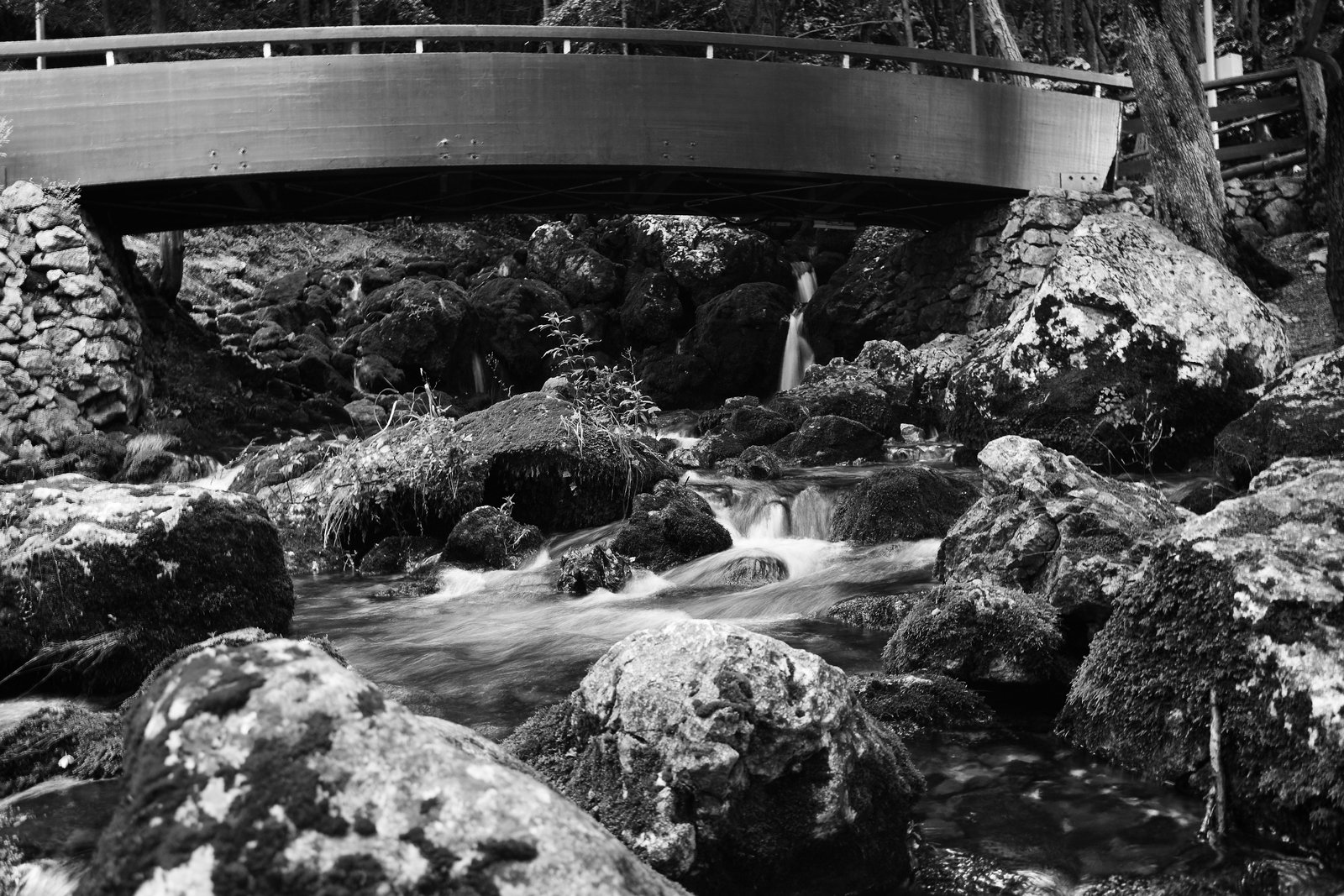
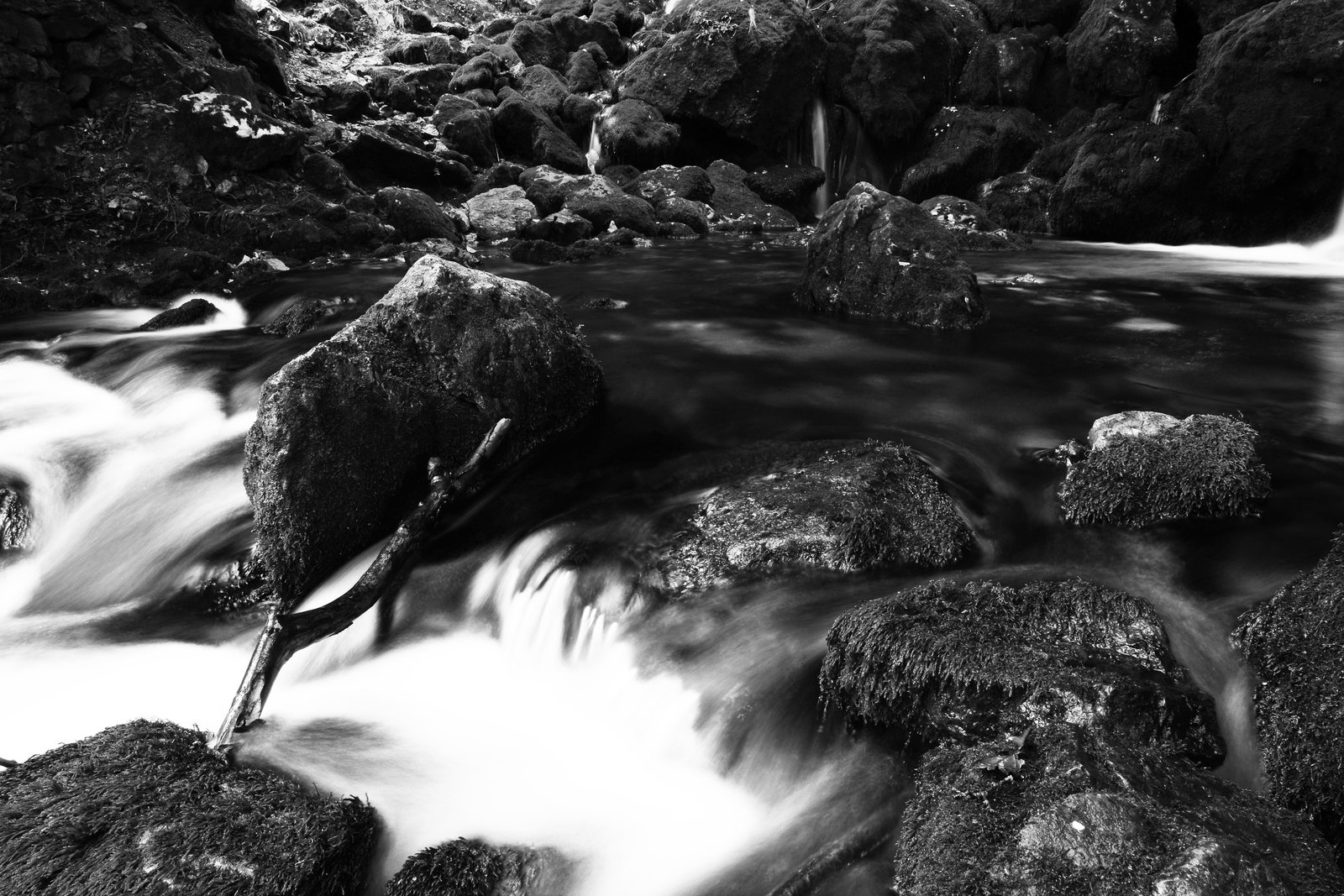
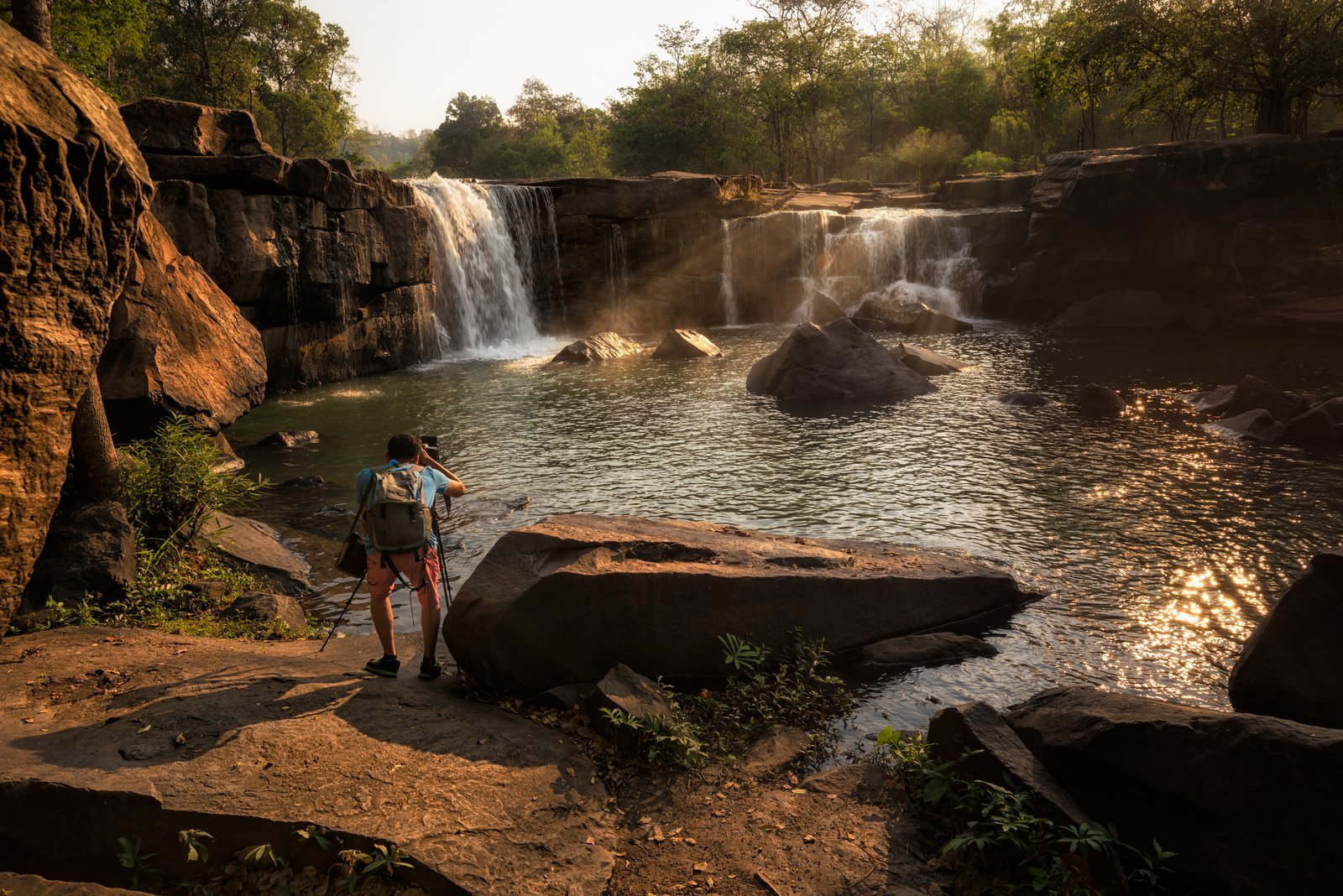
There’s a particular kind of creative exhaustion that comes from chasing epic locations. I know it well. I’ve driven hours into the Oregon backcountry, set up in perfect darkness, and then spent two days watching fog refuse to lift while my coffee got cold and my patience got thinner. Those trips have their place. But somewhere along the way I started giving serious weight to the opposite approach: go somewhere you already know, go quickly, and work the scene until you get something worth keeping.

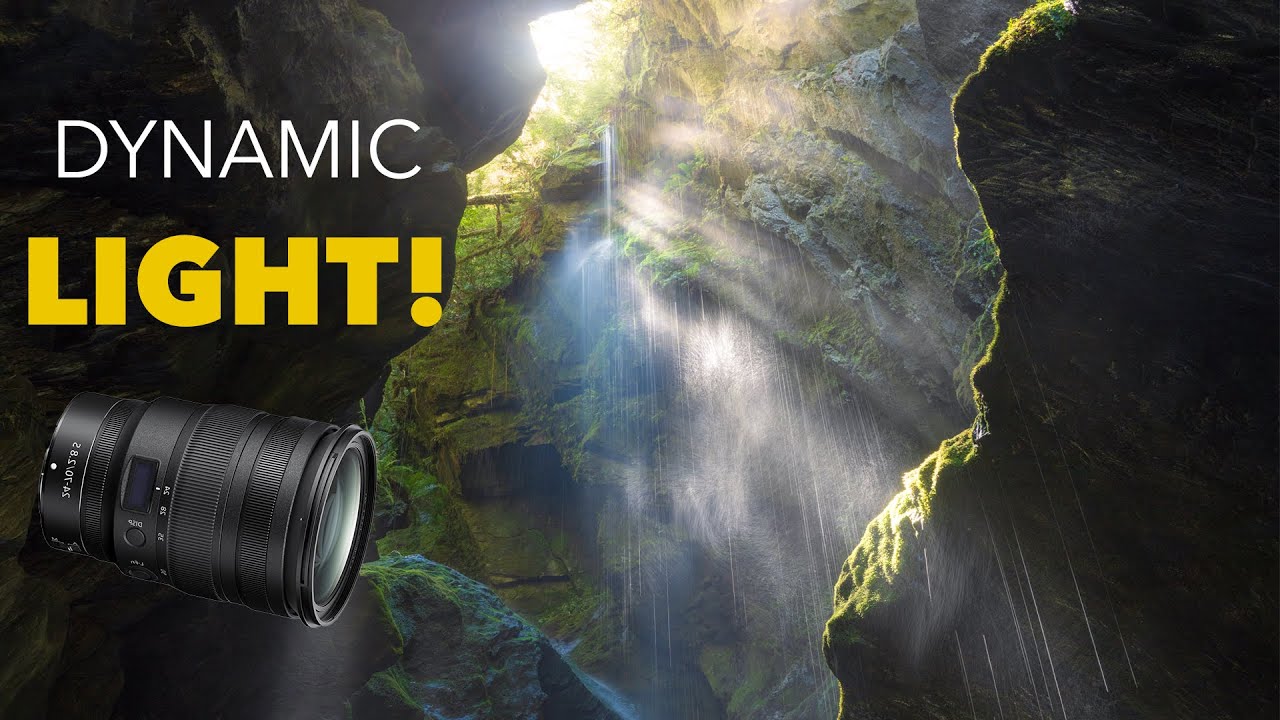
Wide Angle Lens Composition in the Field: What a New Zealand Canyon Taught Me About Slowing Down

Wide Angle Lens Composition in the Field: What a New Zealand Canyon Taught Me About Slowing Down

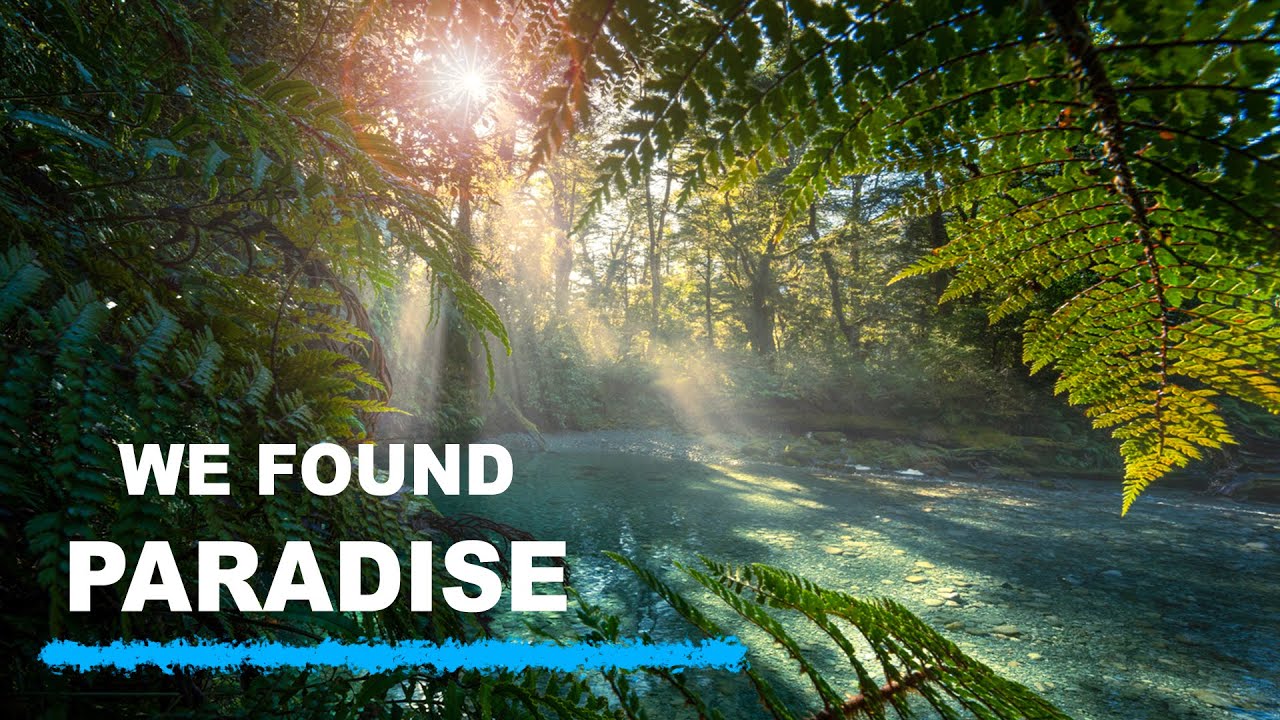
There’s a specific kind of creative paralysis that hits when you finally reach a stunning location and realize you have no idea where to put the camera. I’ve felt it standing in the Columbia River Gorge at first light, boots soaking, with a scene so layered and busy that the wide angle lens on my camera felt less like a tool and more like an accusation. Wide angle lenses are capable of extraordinary landscape images, but they punish lazy framing harder than any other focal length.

The Two Minds You Need in the Field: Creative Instinct and Technical Discipline in Landscape Photography

The Two Minds You Need in the Field: Creative Instinct and Technical Discipline in Landscape Photography

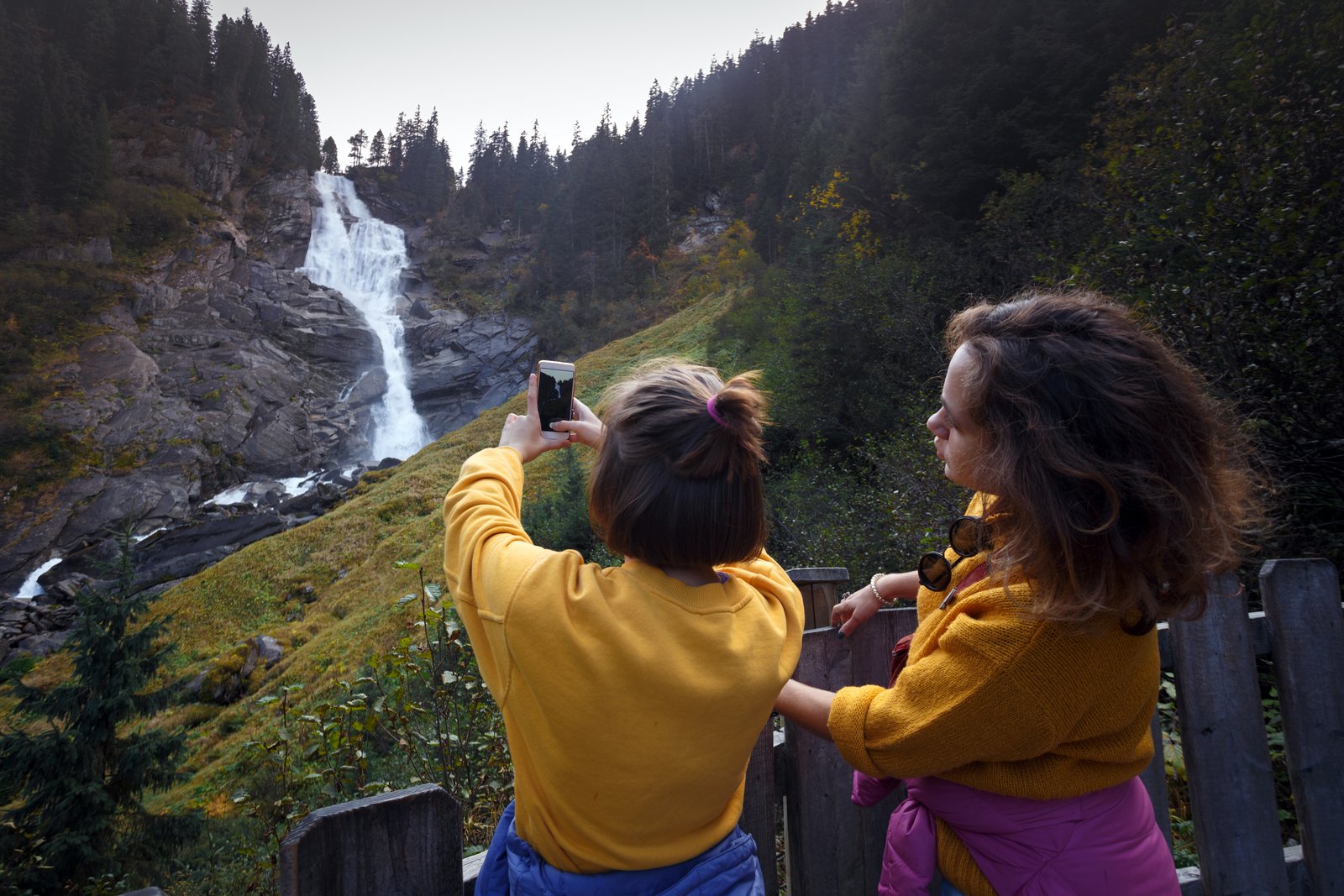
There’s a particular kind of shoot I’ve done more times than I can count: no scouted location, no confirmed conditions, just a glimpse of something on a map or a distant ridgeline that says maybe. Those shoots terrify newer photographers. They don’t have a shot list, no reference images to reverse-engineer, no guarantee the light will cooperate. But after twenty years of doing this for a living, I’d argue that kind of uncertainty is where the best work gets made.

Why Your Waterfall Photos Look Flat (And What I Do Differently in the Field)

Why Your Waterfall Photos Look Flat (And What I Do Differently in the Field)

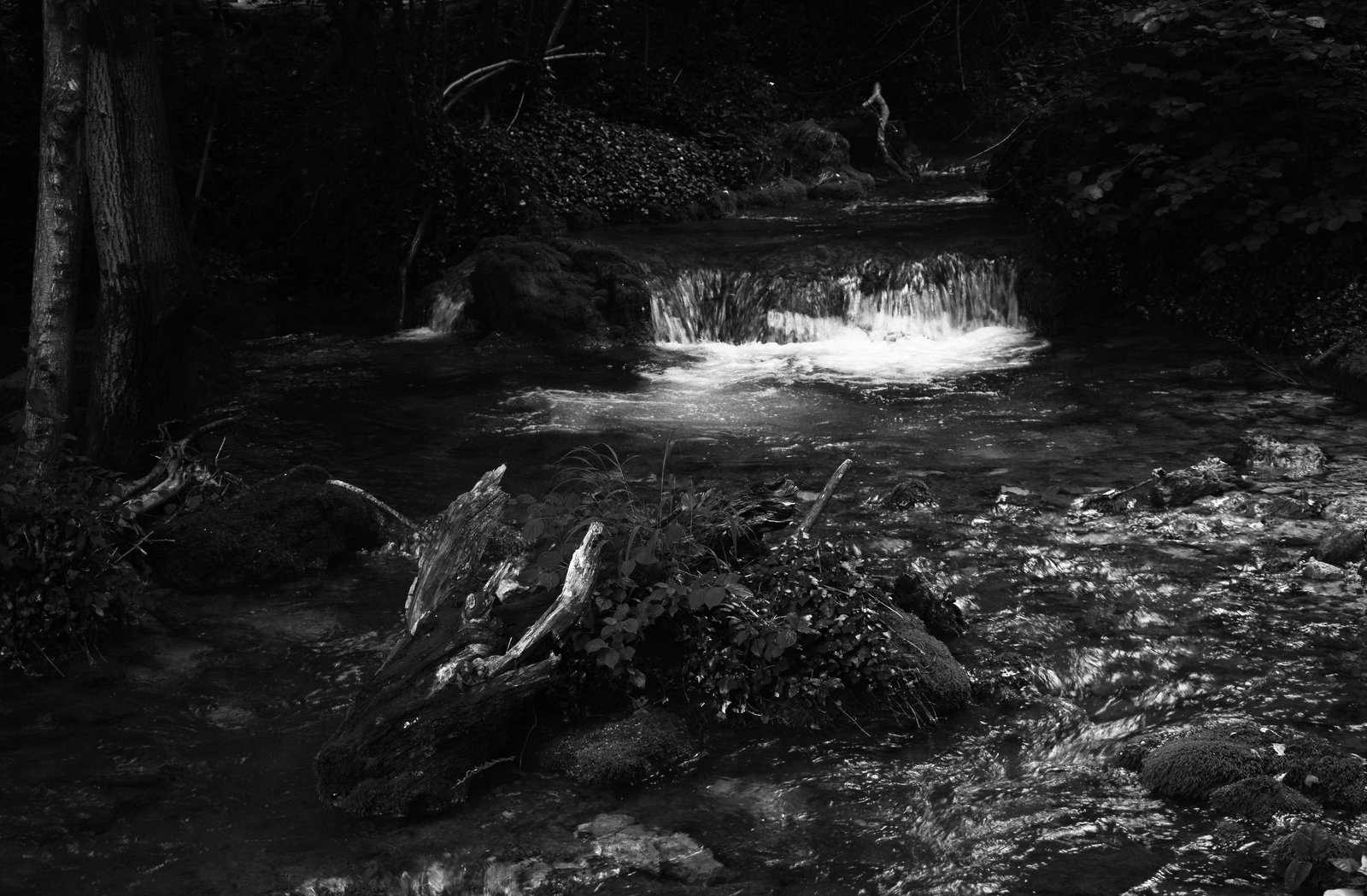
The first thing I notice when I arrive at a waterfall is the sound. Before the camera bag comes off my shoulder, before I’ve even thought about composition, I’m listening. The volume and rhythm of moving water tells me something useful: how much flow there is, whether there’s been recent rain, how the light will likely behave once it hits the mist. After two decades of doing this, that listening has become instinct.

The Art of Capturing Waterfalls: Mastering Motion and Light in Flowing Water

The Art of Capturing Waterfalls: Mastering Motion and Light in Flowing Water

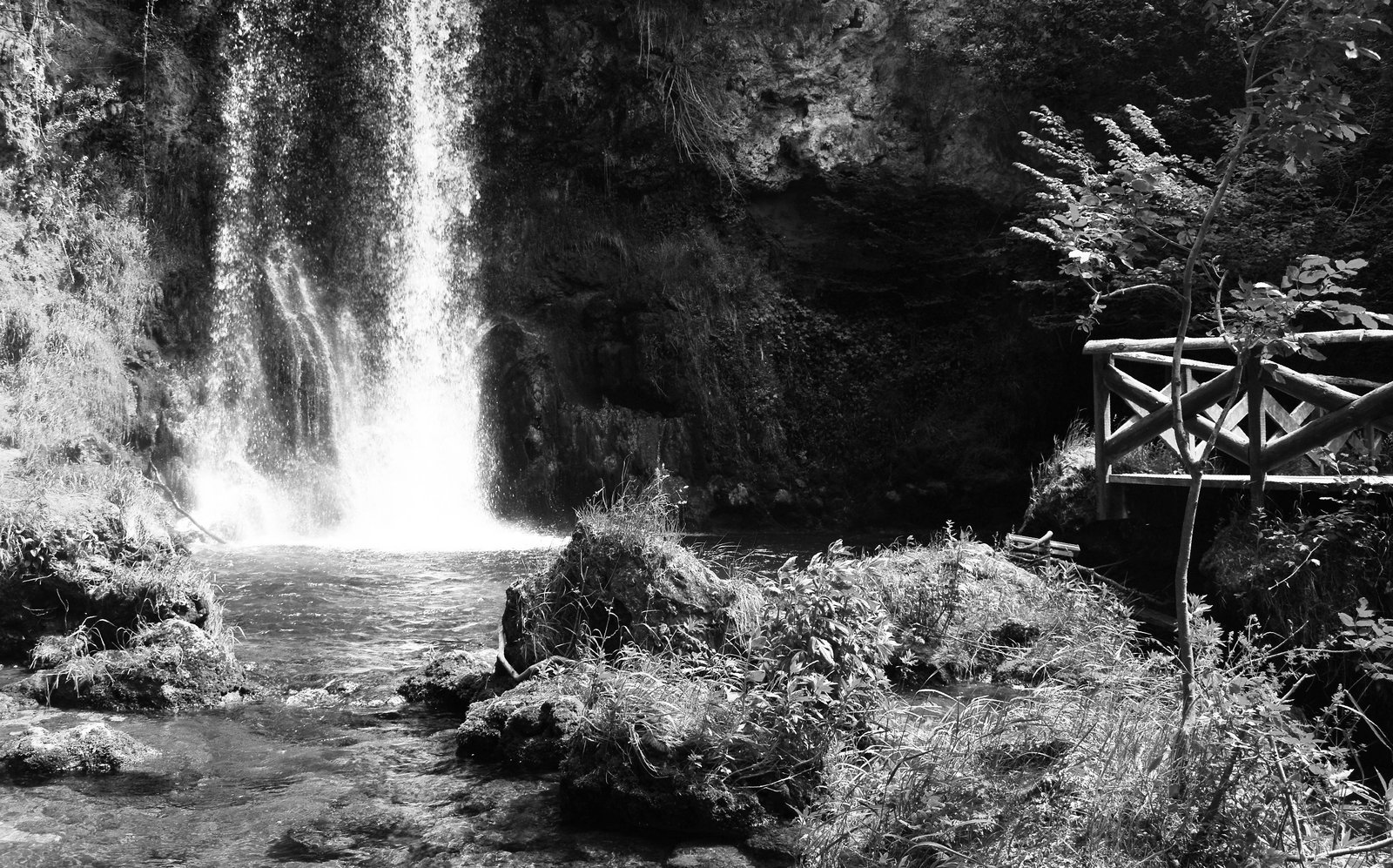
Finding the Right Light at the Falls I’ve learned that chasing waterfalls isn’t about arriving when the sun is brightest. In fact, some of my most compelling waterfall images were captured under overcast skies or in the diffused light of early morning mist. Harsh sunlight creates blown-out highlights in the water and harsh shadows that flatten the three-dimensional quality of the scene. Instead, I seek out cloudy days or arrive before sunrise.