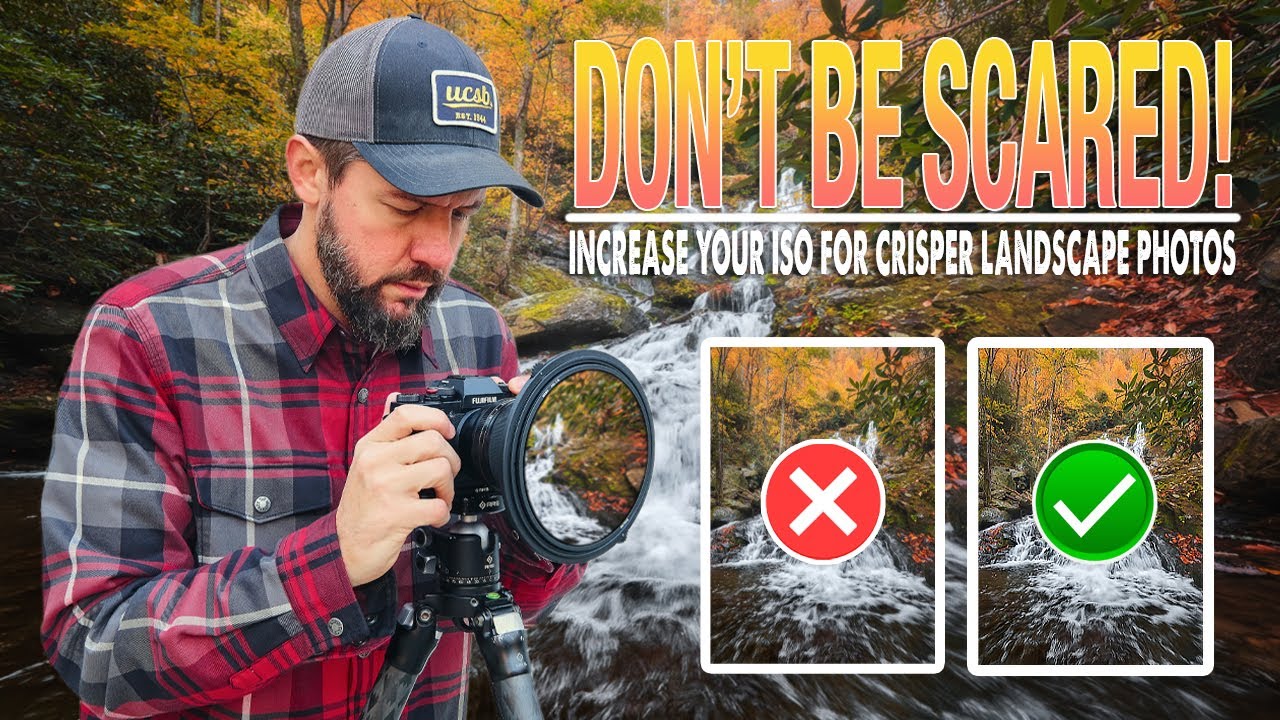
Why I Stopped Treating ISO Like a Four-Letter Word (And You Should Too)

Why I Stopped Treating ISO Like a Four-Letter Word (And You Should Too)

There’s a rule I carried around for years like a stone in my pack: keep ISO at 100, always. I learned it early, repeated it in workshops, and held onto it even when the light was failing and I knew, somewhere in the back of my mind, that I was making compromises that hurt my images. I’d drag my shutter speed to half a second, a full second, longer, trying to hold the exposure together without touching that dial.
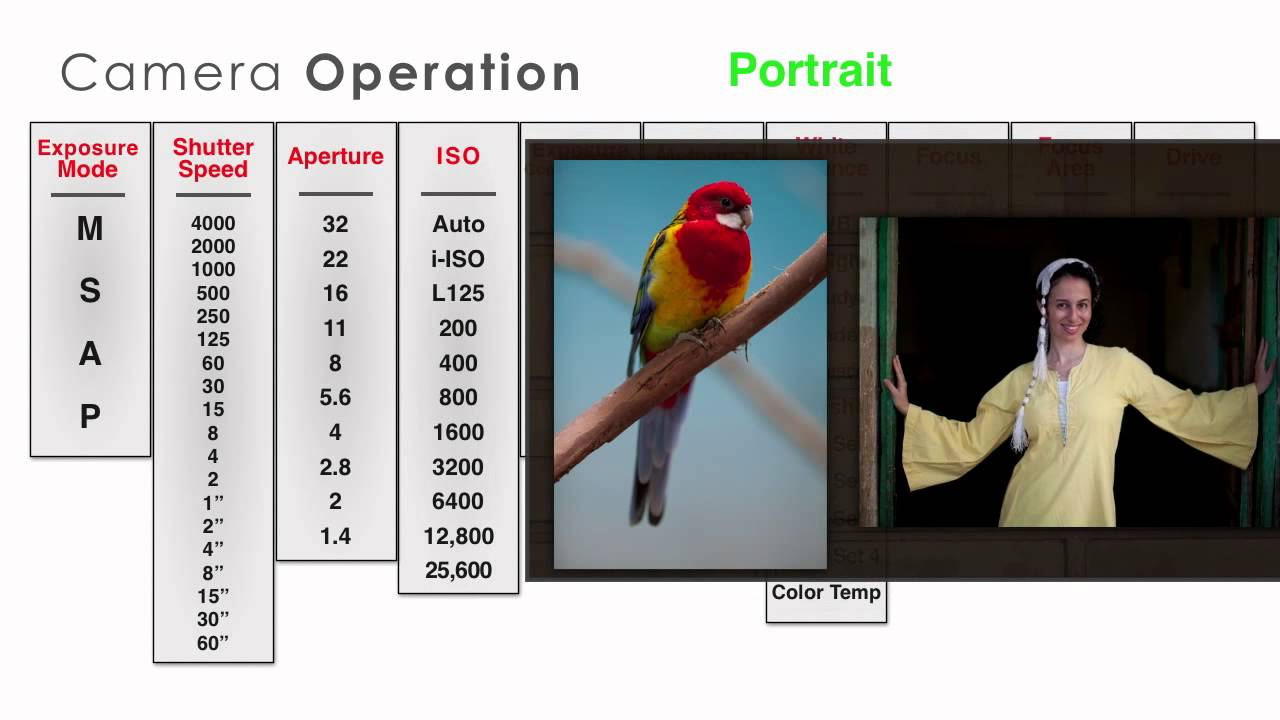
Landscape vs. Portrait: The Camera Settings That Actually Matter in the Field

Landscape vs. Portrait: The Camera Settings That Actually Matter in the Field

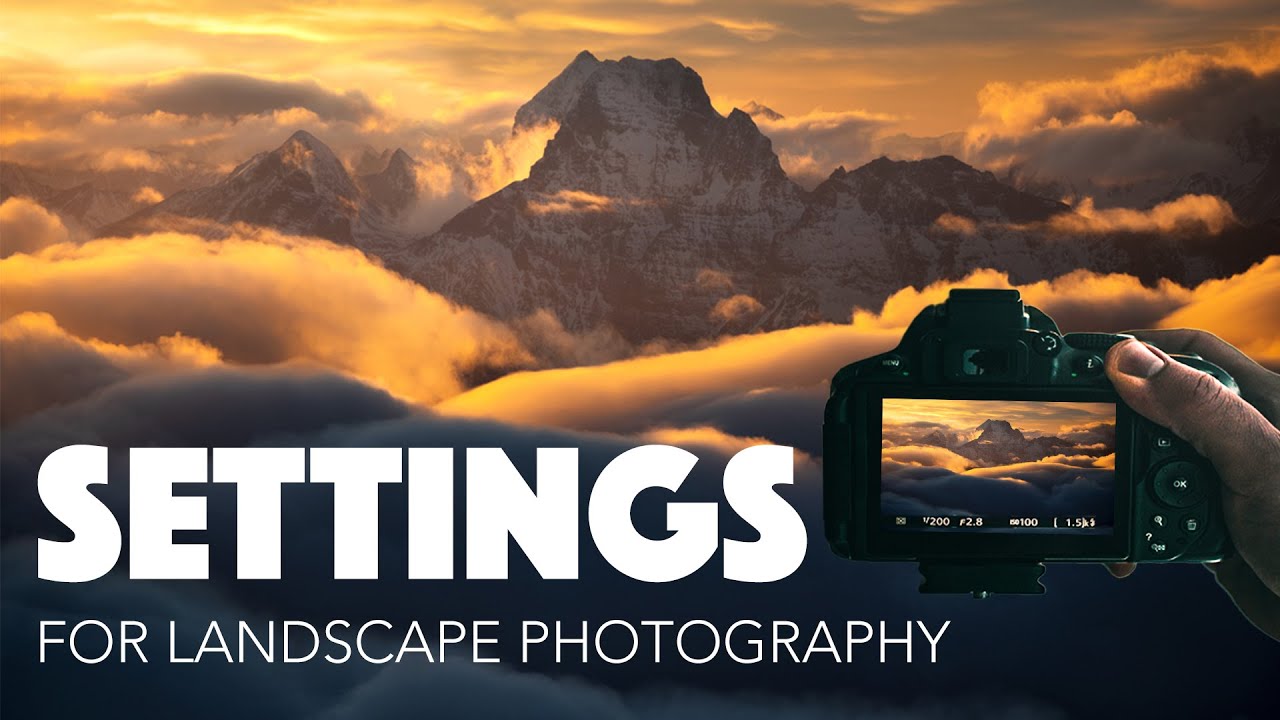
There’s a particular kind of frustration that comes from standing in front of a stunning scene, knowing the light is right, and fumbling with your camera settings while the moment slips away. After twenty years of pre-dawn drives and frozen fingers, I still think the fastest path to consistent images is having a clear, repeatable settings framework before you ever raise the camera to your eye. Not because creativity should be mechanical, but because when the technical side is locked in, your mind is free to actually see.

How to Shoot a Landscape Panorama That Actually Holds Together: Lessons from the Field

How to Shoot a Landscape Panorama That Actually Holds Together: Lessons from the Field

Panoramas have cost me more shots than almost any other technique. Not because the stitching is hard, or because the compositions don’t work, but because of the small, fixable mistakes that only show up later on a monitor back at the hotel. Mismatched exposures. Focus drift between frames. A white balance shift mid-sequence that makes the left side of the image a different color temperature than the right. I’ve been shooting landscapes for twenty years and I still have to remind myself of the fundamentals when conditions are moving fast and the light is doing something worth chasing.

Bad Weather, Small Scenes, and the Quiet Art of Working With What You've Got

Bad Weather, Small Scenes, and the Quiet Art of Working With What You've Got

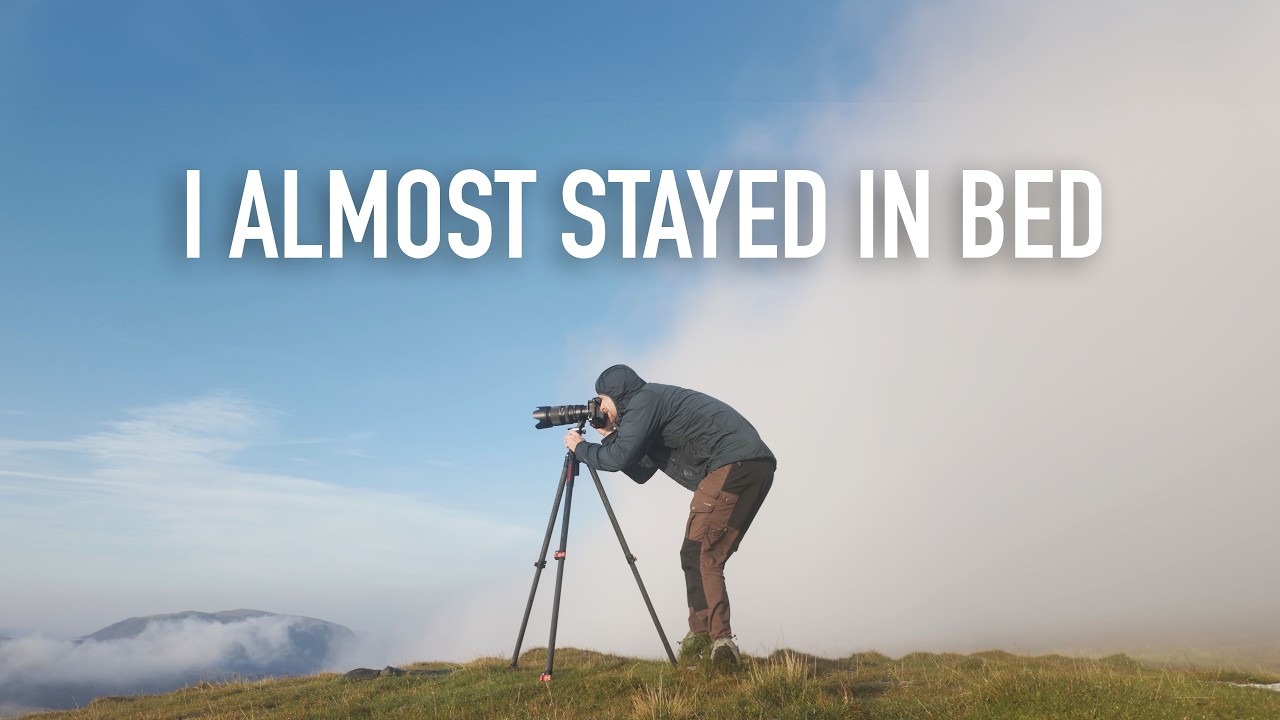
There’s a particular kind of afternoon I know well. The light is flat, your energy is low, and every instinct tells you to stay in the van. I’ve been making photographs for twenty years and I still have to talk myself out of the parking lot on days like that. What I’ve learned, slowly and sometimes expensively, is that those low-stakes sessions, the ones where nothing feels epic, are often where you build the sharpest eye.

Camera Settings I Actually Use in the Field (And Why They Work): A Breakdown of William Patino's Beginner Landscape Guide

Camera Settings I Actually Use in the Field (And Why They Work): A Breakdown of William Patino's Beginner Landscape Guide

I’ve been waking up before dawn for twenty years, hauling gear into the dark, and the question I get most often at my workshops isn’t about composition or light. It’s this: “What settings should I be using?” People show up with good cameras and genuinely sharp eyes for a scene, and they’re losing the shot because their camera is fighting them instead of working with them. That gap, between owning a capable camera and actually controlling it, is what keeps a lot of beginners stuck.

Why Your Panoramas Look Wrong (And How to Fix Them Before You Leave the Trailhead)

Why Your Panoramas Look Wrong (And How to Fix Them Before You Leave the Trailhead)

There’s a ridge I return to every autumn outside Bend, where the Cascades stack up in layers from west to east. The scene is roughly 180 degrees of usable sky, volcanic peaks, and high desert. My camera’s widest lens can’t touch it. Neither can a single frame at any focal length without introducing so much foreground distortion that the mountains look like they’re leaning away from the viewer. The only honest way to render that place is to stitch it, and I spent an embarrassing amount of time doing it wrong before I understood what was actually happening between the frames.

The Pre-Dawn Ritual: Why Your Camera Settings Matter More Than You Think

The Pre-Dawn Ritual: Why Your Camera Settings Matter More Than You Think

The Power of Preparation There’s something almost meditative about the moments before dawn breaks over a landscape. You’re standing in the dark, coffee in hand, checking your gear one final time. Your camera feels heavy with possibility. But here’s what separates the photographers who capture magic from those who miss it: preparation. I’ve spent enough mornings in the field to understand that the best shot often comes without warning. A bird takes flight.

Capturing the Night Sky: Lessons Learned Under the Stars

Capturing the Night Sky: Lessons Learned Under the Stars

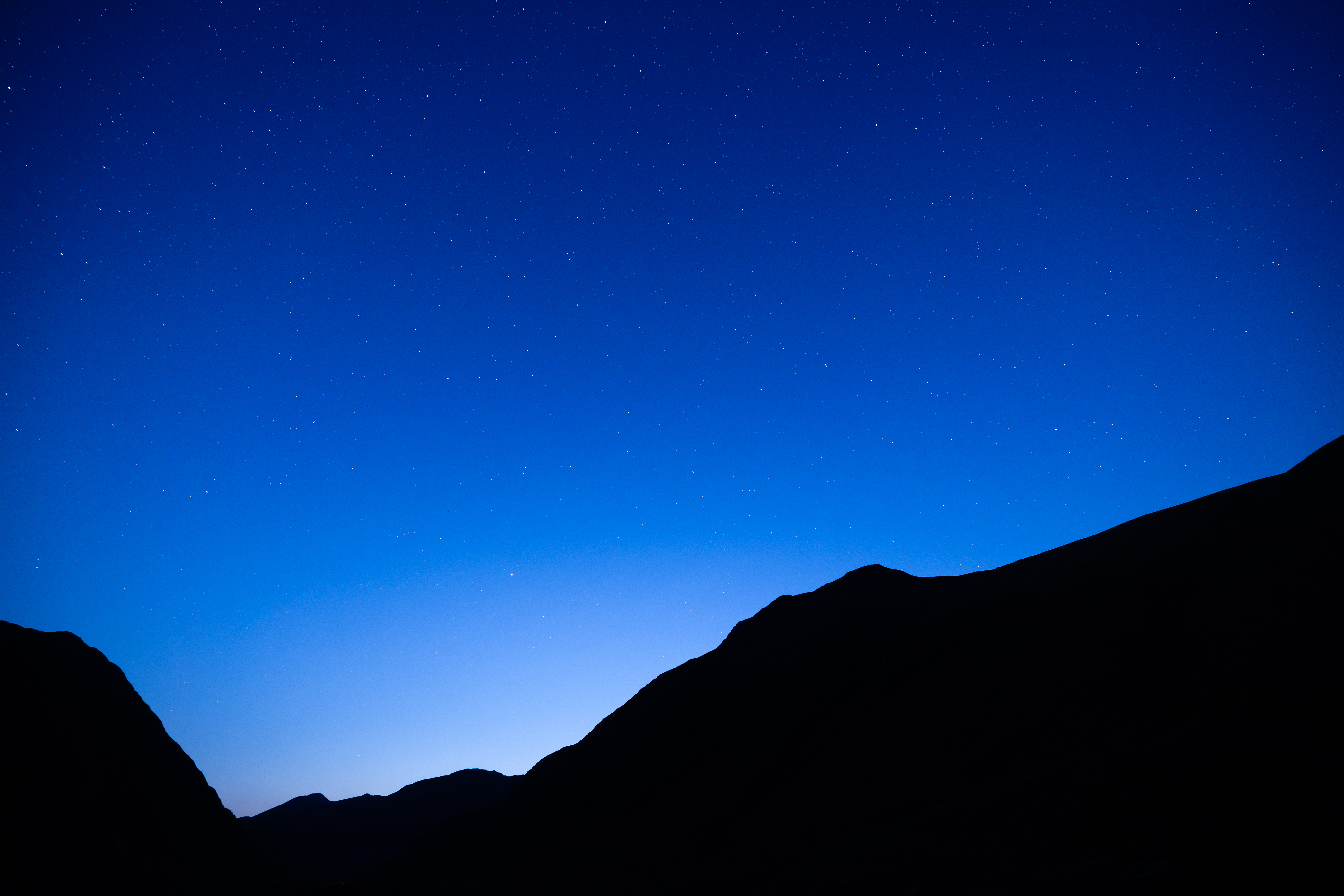
I remember the first time I stepped away from city lights with the intention of photographing stars. I’d read the articles, adjusted my settings, and arrived at my location with confidence. Then the sky humbled me. The Milky Way sprawled above in a way no screen could prepare me for, and I realized that technical knowledge alone wouldn’t translate what I was witnessing into a compelling image. That night taught me that night sky photography demands equal parts science and intuition—a willingness to understand your equipment while remaining present to the landscape beneath those stars.

Chasing Starlight: Mastering Night Sky Photography in the Field

Chasing Starlight: Mastering Night Sky Photography in the Field

Chasing Starlight: Mastering Night Sky Photography in the Field There’s a particular silence that descends when you’re alone under the stars with your camera. It’s different from daytime shooting—quieter, somehow more intimate. After spending countless nights in remote locations chasing the Milky Way, I’ve learned that night sky photography demands both technical precision and patience. It’s not enough to show up; you need to understand what you’re looking at and how your equipment will respond in darkness.

The Art of Long Exposure: Slowing Time in Landscape Photography

The Art of Long Exposure: Slowing Time in Landscape Photography

The Art of Long Exposure: Slowing Time in Landscape Photography There’s a particular magic that happens when you slow down your camera’s perception of time. I discovered this years ago while standing waist-deep in a Scottish loch at dawn, watching my ten-second exposure transform turbulent water into something resembling silk. Long exposure isn’t just a technical trick—it’s a way of seeing the landscape differently, of revealing movement that our eyes miss in a single glance.

The Art of Waterfall Photography: Chasing Light and Motion in Nature's Most Dynamic Landscapes

The Art of Waterfall Photography: Chasing Light and Motion in Nature's Most Dynamic Landscapes

The Art of Waterfall Photography: Chasing Light and Motion in Nature’s Most Dynamic Landscapes There’s a particular stillness I experience standing before a waterfall, tripod anchored into wet stone, waiting for the light to shift. The roar of falling water becomes almost meditative—a constant presence that forces you to slow down, to think deliberately about composition and timing. Waterfall photography isn’t about capturing a single decisive moment like street photography or wildlife work.

Finding Light in the Woods: The Art and Craft of Forest Photography

Finding Light in the Woods: The Art and Craft of Forest Photography

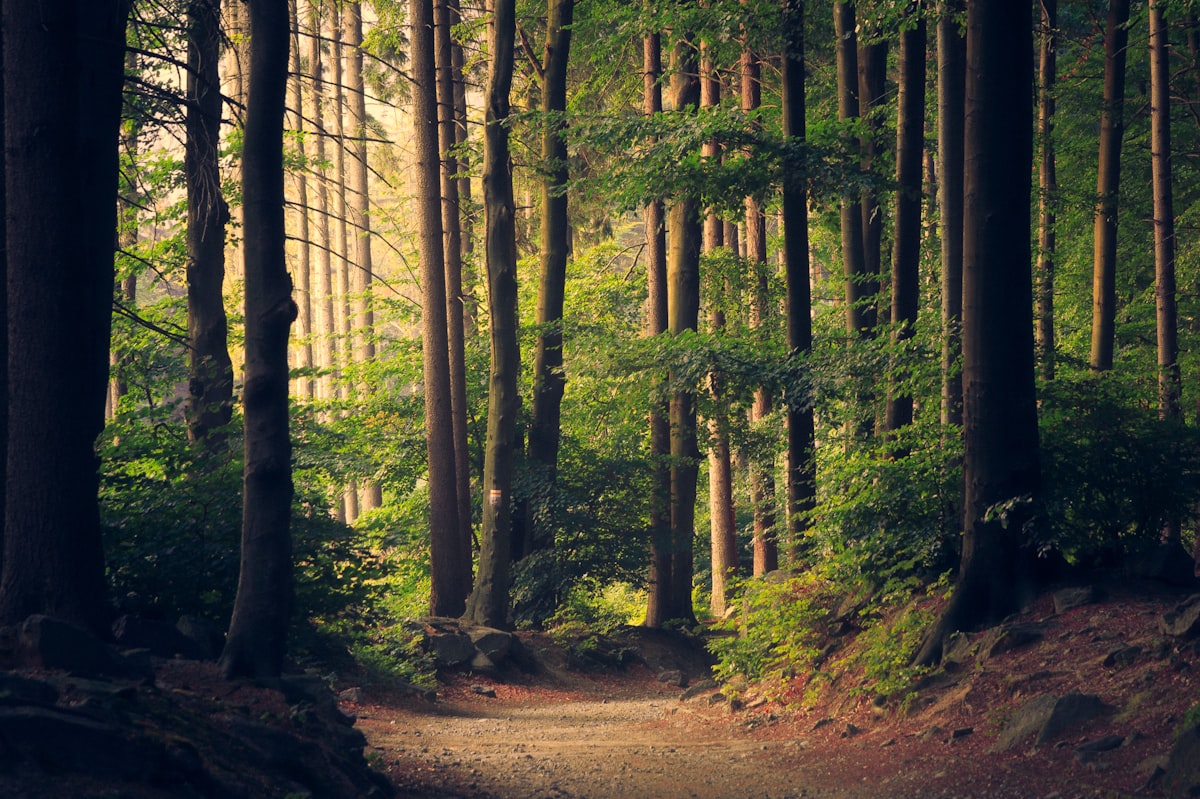
Finding Light in the Woods: The Art and Craft of Forest Photography There’s a peculiar silence that settles over me when I’m deep in a forest with my camera. The light filters through the canopy in ways that seem impossible to translate to a sensor, and yet that impossibility is exactly why I keep returning to these places. Forest photography demands something different from us than open landscape work. You’re not capturing expansive vistas or dramatic skies—you’re hunting for relationships between layers, textures, and the elusive moments when light finds its way through dense vegetation.